


Baroque Portraiture
Baroque portraiture captures the monumental presence and rich attire of figures from the seventeenth and eighteenth centuries in oil and print.
Baroque Portraiture
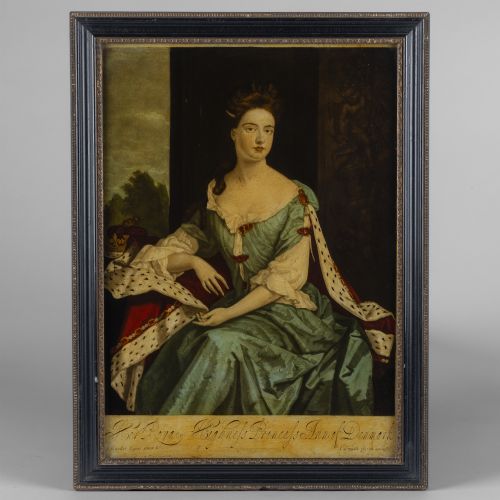
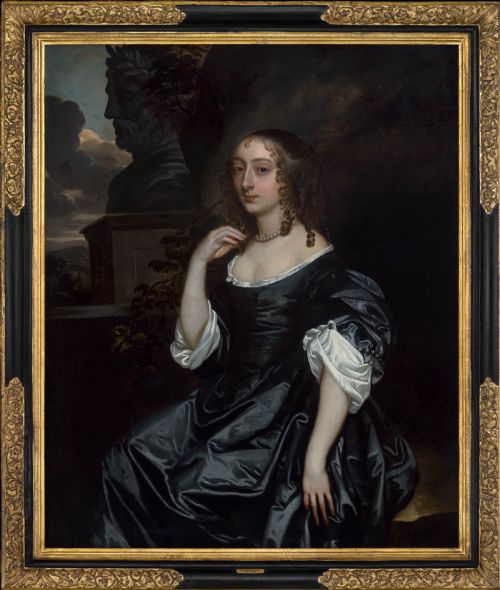
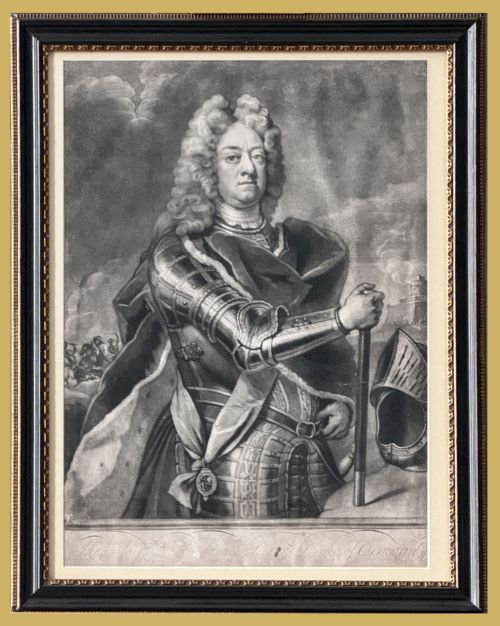
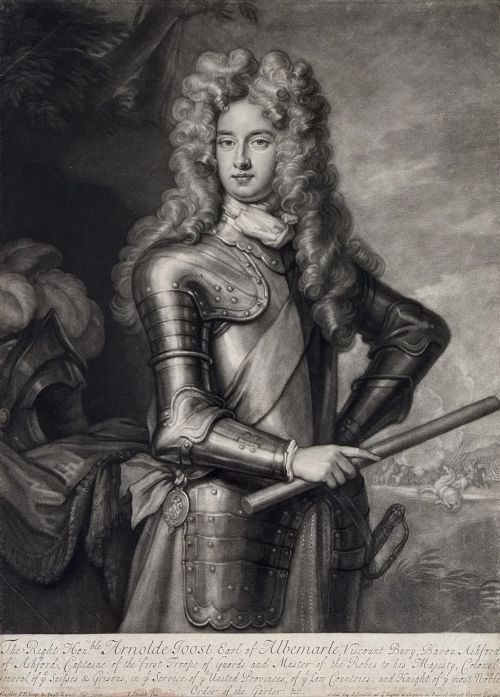
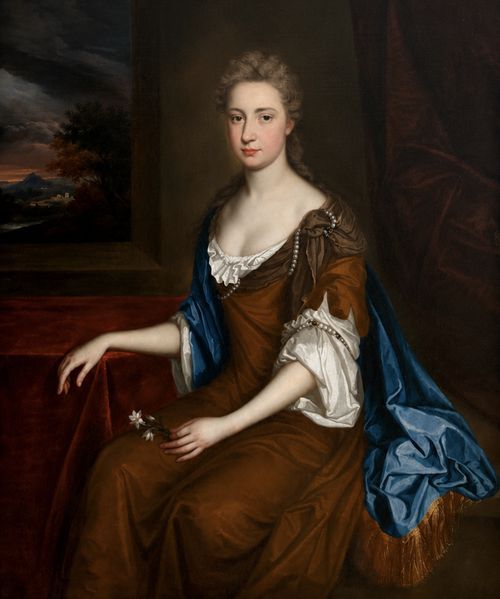
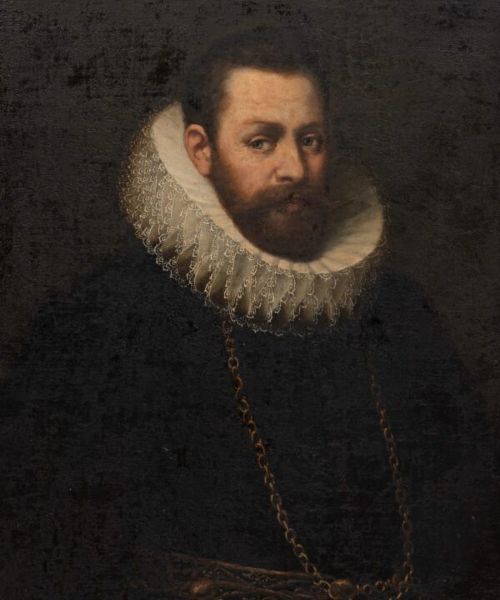
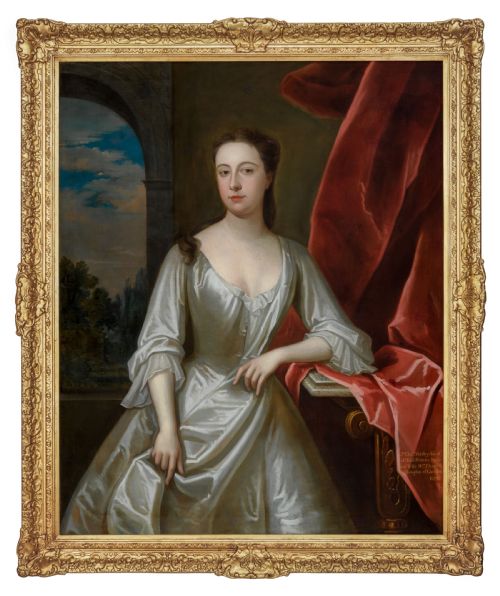
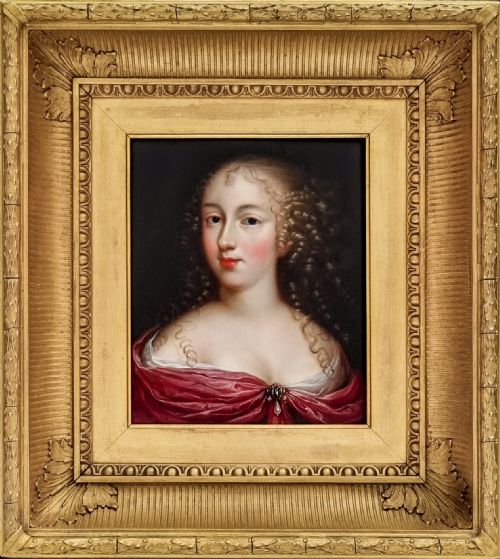
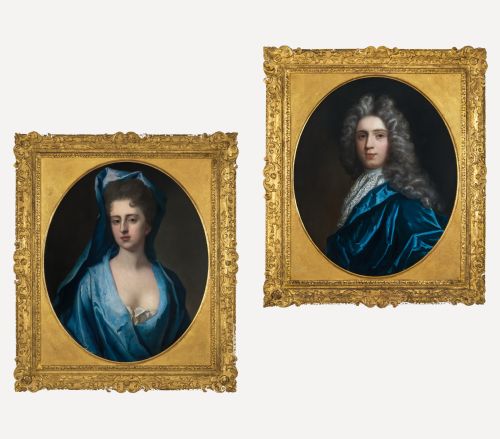
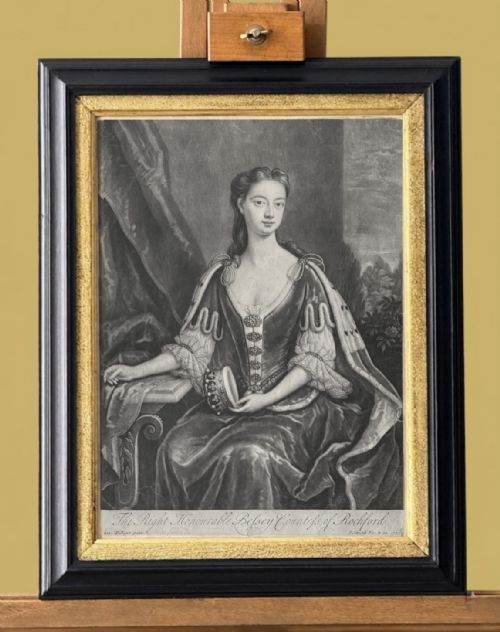
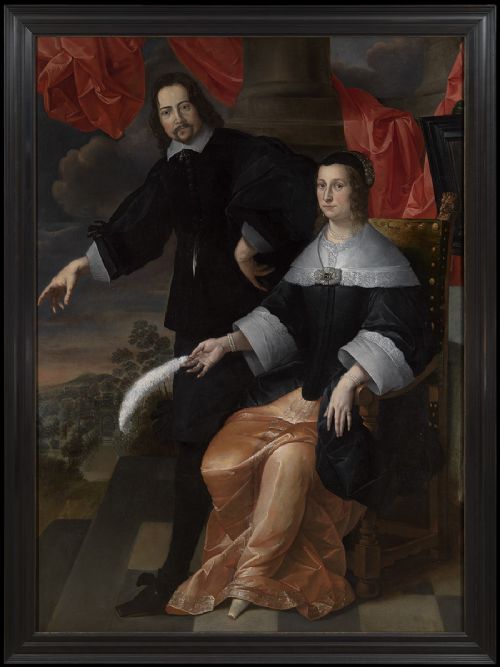
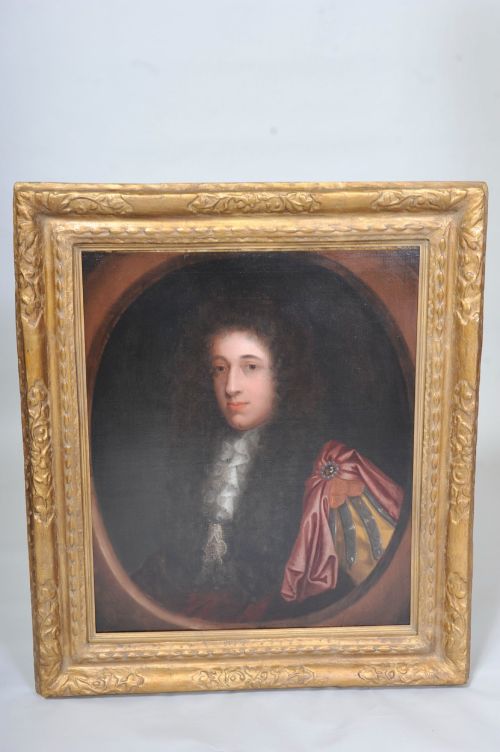
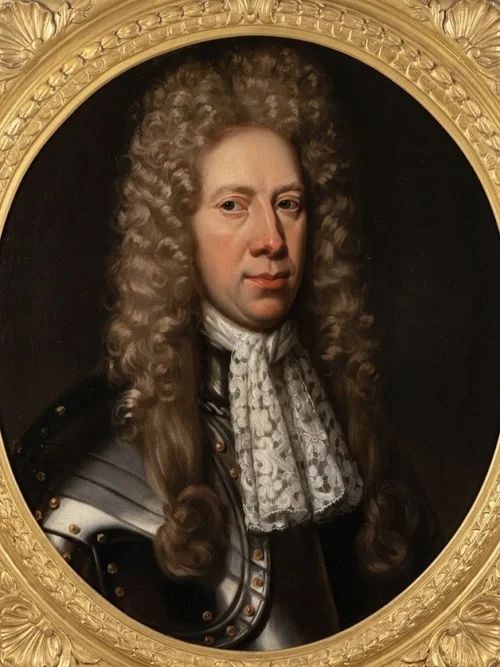
When you examine baroque portraiture, you encounter oil paintings on canvas and panel alongside historical mezzotints depicting nobility, royalty, and gentlemen from the seventeenth and eighteenth centuries. These works stem from British, Dutch, French, and Italian schools, reflecting distinct regional approaches to likeness and status.
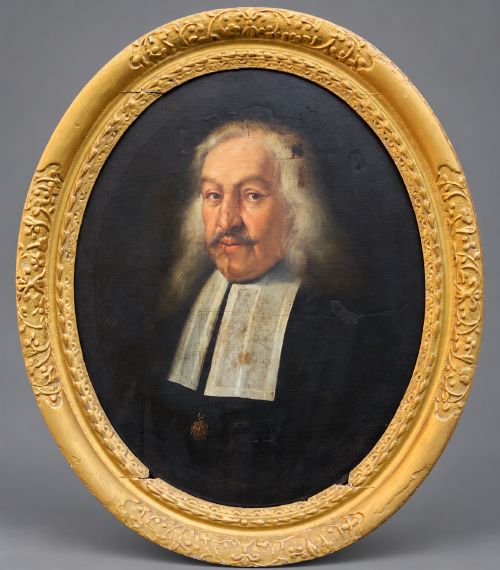
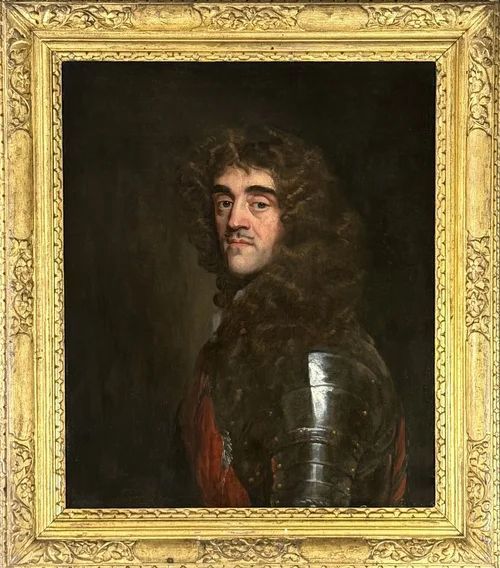
The most frequent examples on this page are oil paintings created by followers, circles, or studios of prominent portraitists active between sixteen-hundred and seventeen-hundred-and-fifty. Subjects appear in formal dress, armour, or academic robes, often accompanied by directional lighting that creates strong contrasts across the face and drapery.
Compositions range from intimate head-and-shoulders depictions to full-length studies featuring architectural backgrounds, horses, or symbolic drapery. Surviving works frequently retain their period frames constructed from wood and finished in gold leaf or giltwood.
Materials and Techniques
Printmakers utilised copper plates to produce mezzotints, scraping and roughening the metal surface to achieve subtle tonal gradations and velvety dark areas. Completed canvases and panels were housed in heavy timber frames embellished with carved ornament and gilded surfaces.
Baroque Portraiture Retail Price Guide 2026
Typical asking prices for baroque portraiture among the pieces listed under this phrase on Sellingantiques today, from the lower quarter to the upper quarter. They describe what is for sale here now, not the wider market.
Listings feature oil on canvas and wood panel supports, alongside historical print mediums like mezzotint.
Evaluating Quality in the Range
The distinction between a workshop piece and a work by a principal hand lies in the confidence of the brushwork, the handling of anatomical detail, and the depth of psychological engagement in the subject's expression. Master painters achieved fluid rendering of lace, velvet, and armour that lesser hands executed with stiffer repetition.
Condition plays a central role in valuation, particularly the stability of the original canvas, the presence of historical overpaint, and the survival of the primary wood support without warping or shrinkage. Frames integrated into the piece contribute significantly when they retain their original gilding rather than later restorations.
Pierre Mignard·Sir Godfrey Kneller·John Simon·Michael Dahl·John Hayls·Thomas Murray·Sir Peter Lely·John Scougall·John Smith·Charles D'Agar·Pietro Fachetti·Bartholomeus van der Helst·John Closterman·Sir Anthony van Dyck·John Greenhill·David Scougall·Balthasar Denner·Nicolaes Maes·Charles Seymour·Robert Byng·John Riley·Wybrand de Geest·Bartholomeus Van Burgindis·John Michael Wright·Jean-Baptiste Santerre
The Baroque Portraiture Glossary
- Mezzotint
- A printmaking process where the copper plate is roughened uniformly to produce rich dark tones and subtle gradations of light. This technique gained immense popularity for reproducing painted portraits during the seventeenth and eighteenth centuries.
- Giltwood
- Timber carved and coated with gold leaf or metallic powder to create a reflective, decorative surface. Frames finished this way were designed to complement the grandeur of the oil paintings they enclosed.
- Panel painting
- An artwork executed on a rigid wooden support rather than flexible canvas. Panels were frequently prepared with gesso grounds before receiving layers of oil paint.
- Periwig
- A voluminous artificial hairpiece worn by men of high social standing during the late seventeenth and early eighteenth centuries. Its presence in a portrait often serves as a helpful indicator of the sitter's fashion and status.
- Studio of
- A designation indicating that an artwork was produced under the direct supervision of a master artist, often utilising preparatory sketches or standard compositions from the primary workshop.
Baroque Portraiture: Frequently Asked Questions
What is baroque portraiture?
Baroque portraiture encompasses painted and printed likenesses from the seventeenth and eighteenth centuries characterised by dramatic lighting, rich textures, and formal compositions.
These artworks record the appearances of nobility, officers, and scholars across various European schools, reflecting the aesthetic priorities of their respective periods.
How do I date an antique portrait?
Dating relies primarily on the style of costume, hair, and accessories worn by the sitter, combined with technical analysis of the canvas and pigments.
Inscriptional evidence on the reverse or the presence of a known period frame can also narrow the window of execution.
What is the difference between circle of and studio of?
Studio of indicates work produced within a master's workshop under direct oversight, often incorporating the master's designs or unfinished elements.
Circle of denotes an independent artist working closely within the stylistic orbit and tradition of a major master without necessarily training under them.
How should I care for an oil painting on panel?
Panel paintings require stable indoor environments with controlled humidity to prevent the wooden support from expanding, contracting, or splitting over time.
Keep them away from direct sunlight, heating vents, and damp exterior walls to protect both the wood and the delicate oil layers.