Brave Fine Art has dated this piece to the 17th Century.
He lived through two civil wars, Oliver Cromwell’s joyless Protectorate, and Charles II’s Restoration. A direct competitor of court-favourite Sir Peter Lely (1618-1680), he offered a pared-down alternative to the Dutchman’s grandiosity.
Scant details exist relating to his youth, but according to the antiquary, Richard Symonds (1617-1660), he probably trained under the portraitist Michiel van Mierevelt (1566-1641) at The Hague. Symonds documented how Hayls had mastered a technique of preparing vermilion following Mierevelt’s advice.
Very few examples of his early works are recorded but it’s possible that he was initially taken under the wing of a more established painter - in much the same way that Mary Beale (1633-1699), one of his contemporaries, is known to have assisted Lely. He was highly regarded for his convincing copies after Sir Anthony van Dyck (1599-1641) so it’s not beyond the realms of possibility that he was employed in his studio.
Towards the middle of the century, following the onset of Civil War, Hayls left for calmer shores. Arriving in Rome around 1651 before returning during the Cromwellian Commonwealth. Now into his 50s, his career gathered momentum and in 1658, he produced portraits of Lady Diana Russell and the particularly Rubenesque Lady Anne Russell, Countess of Bedford.
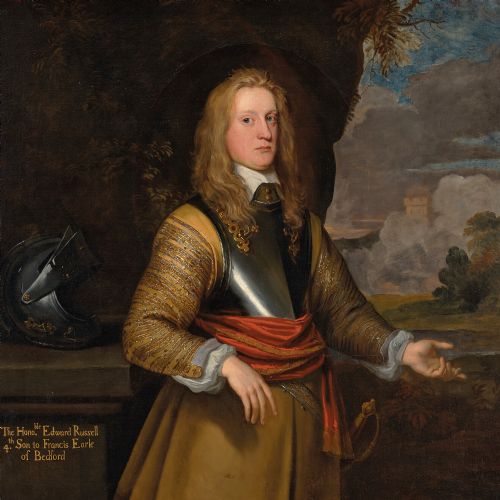
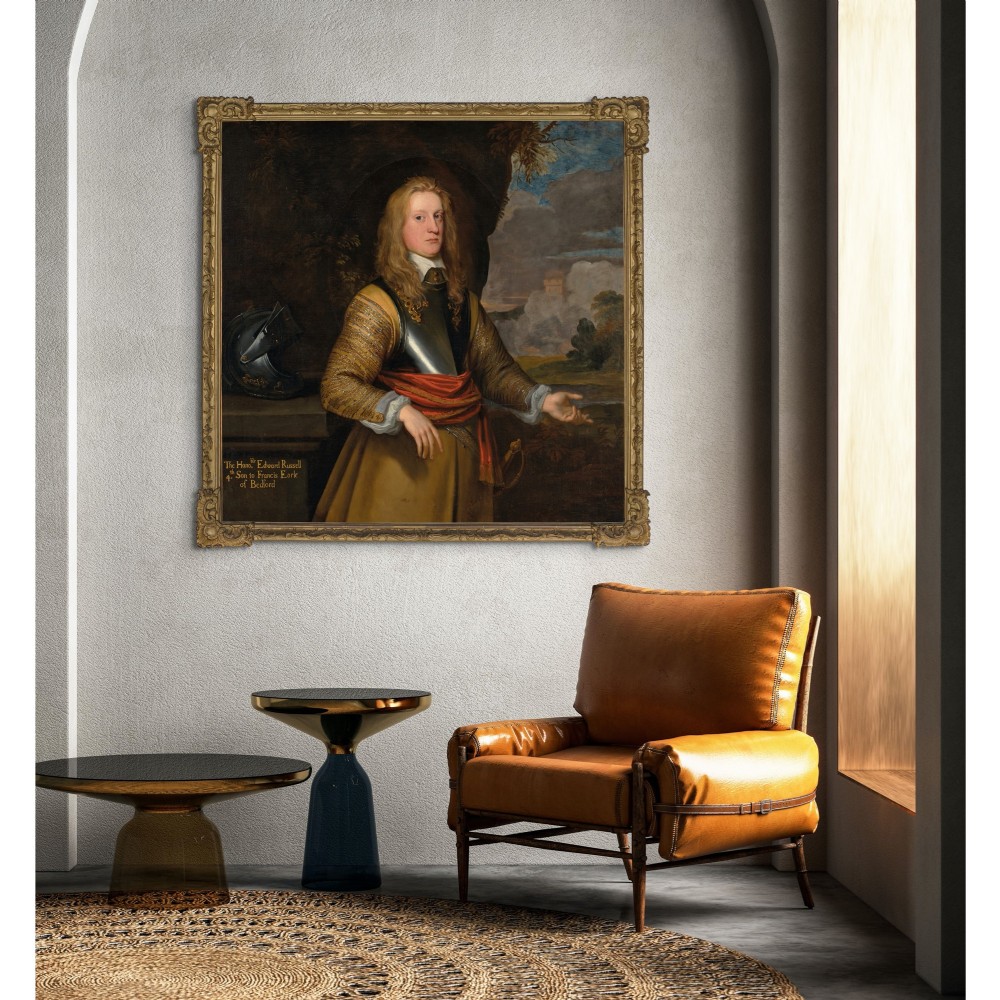
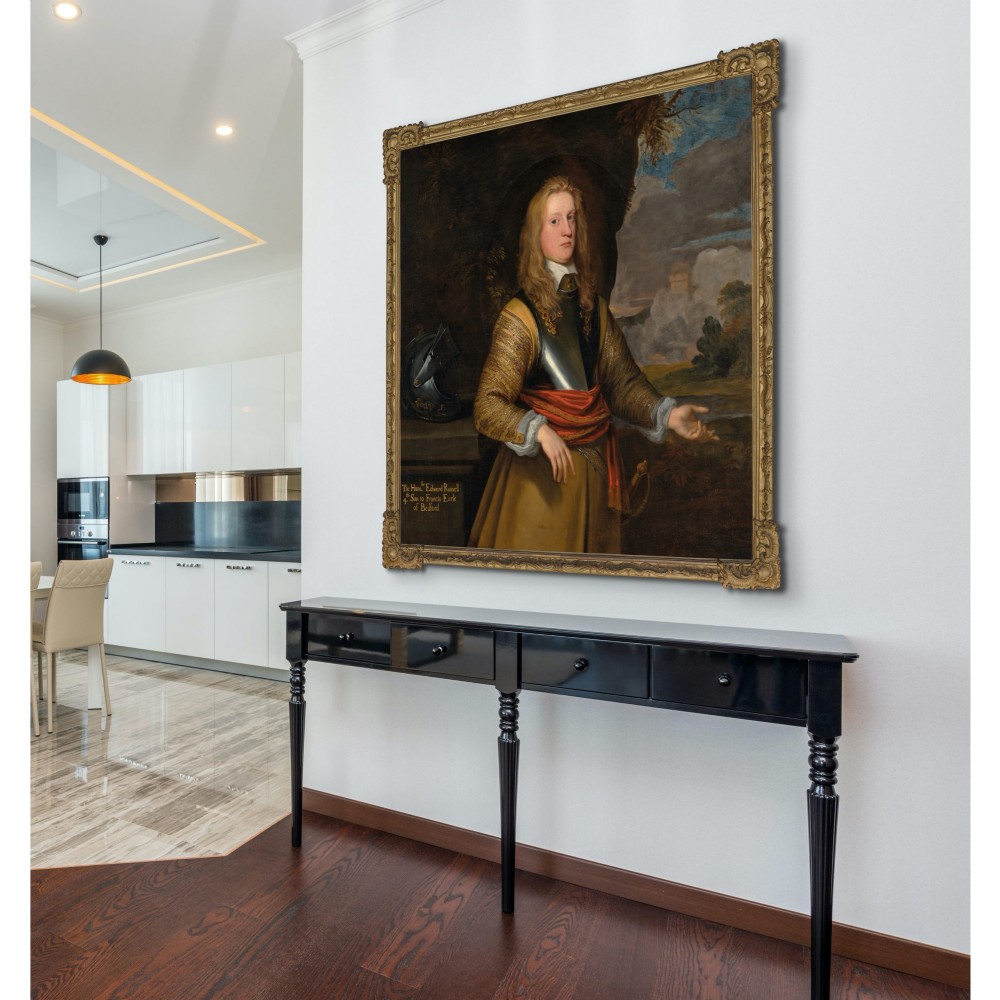
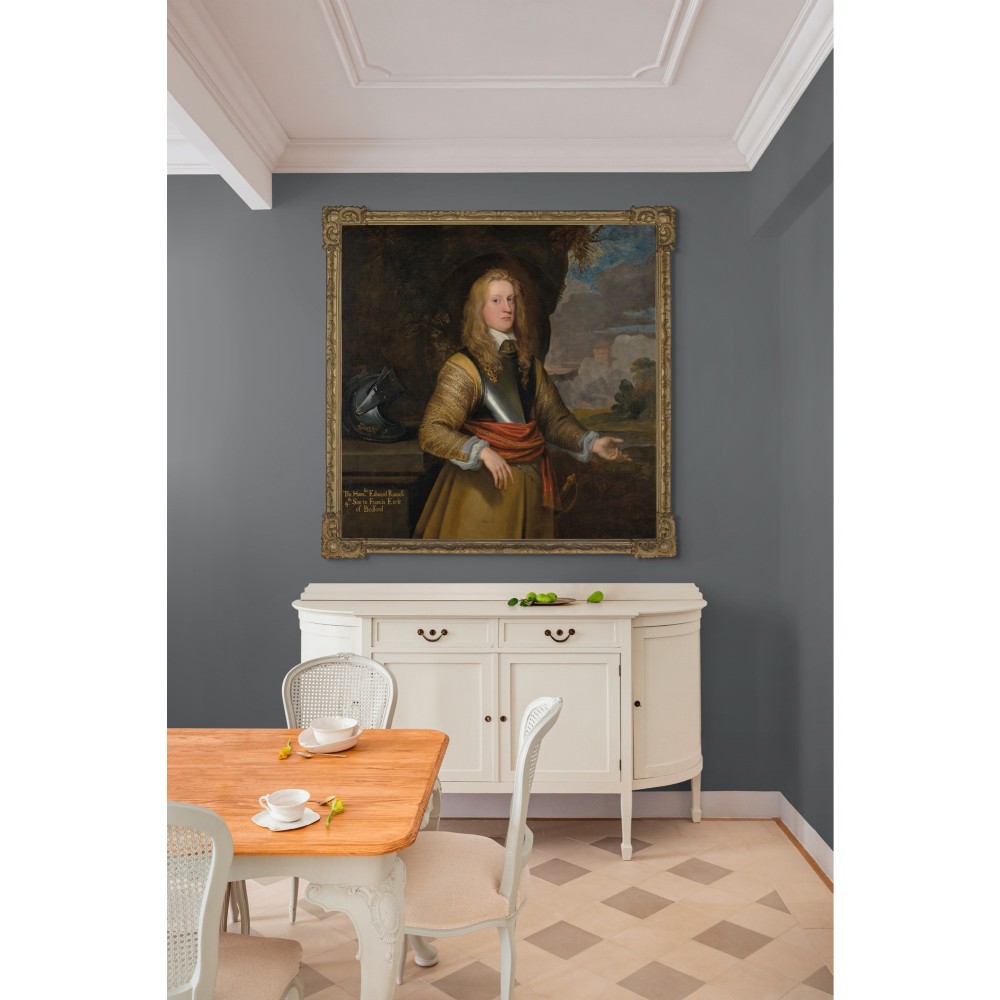
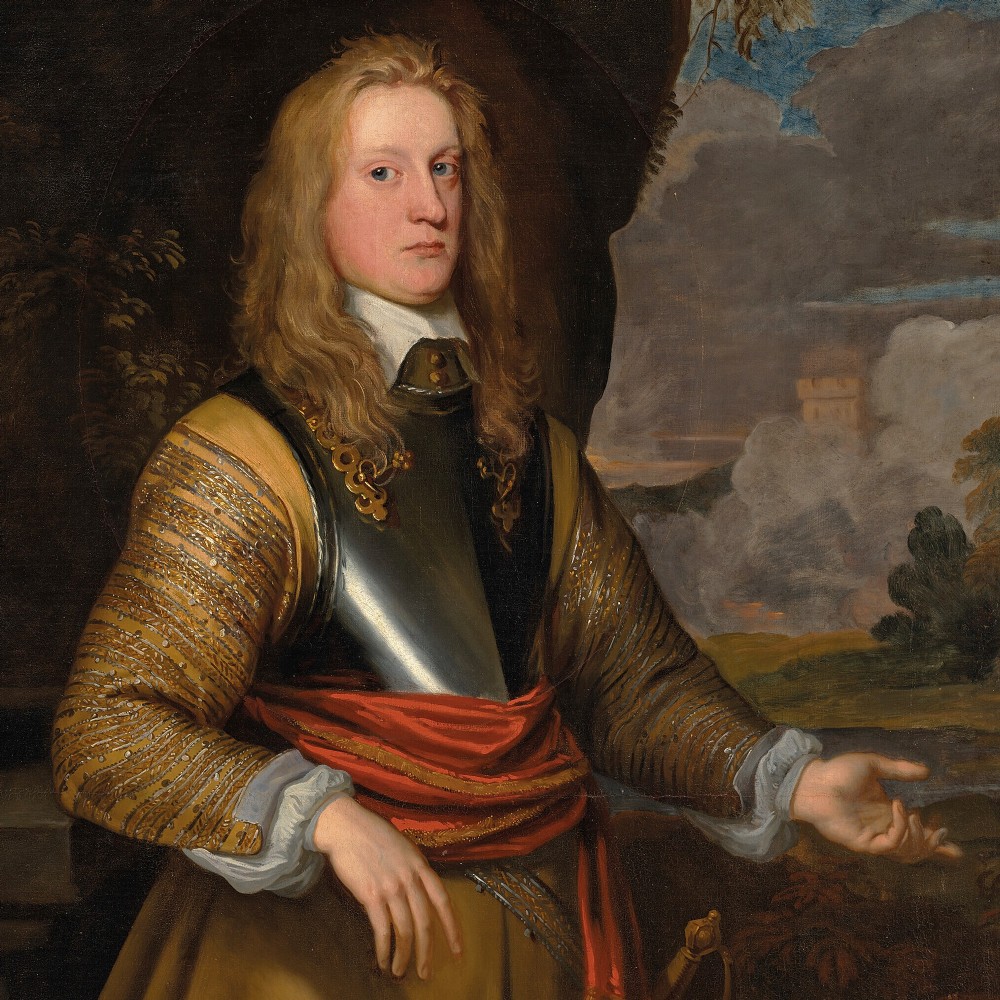
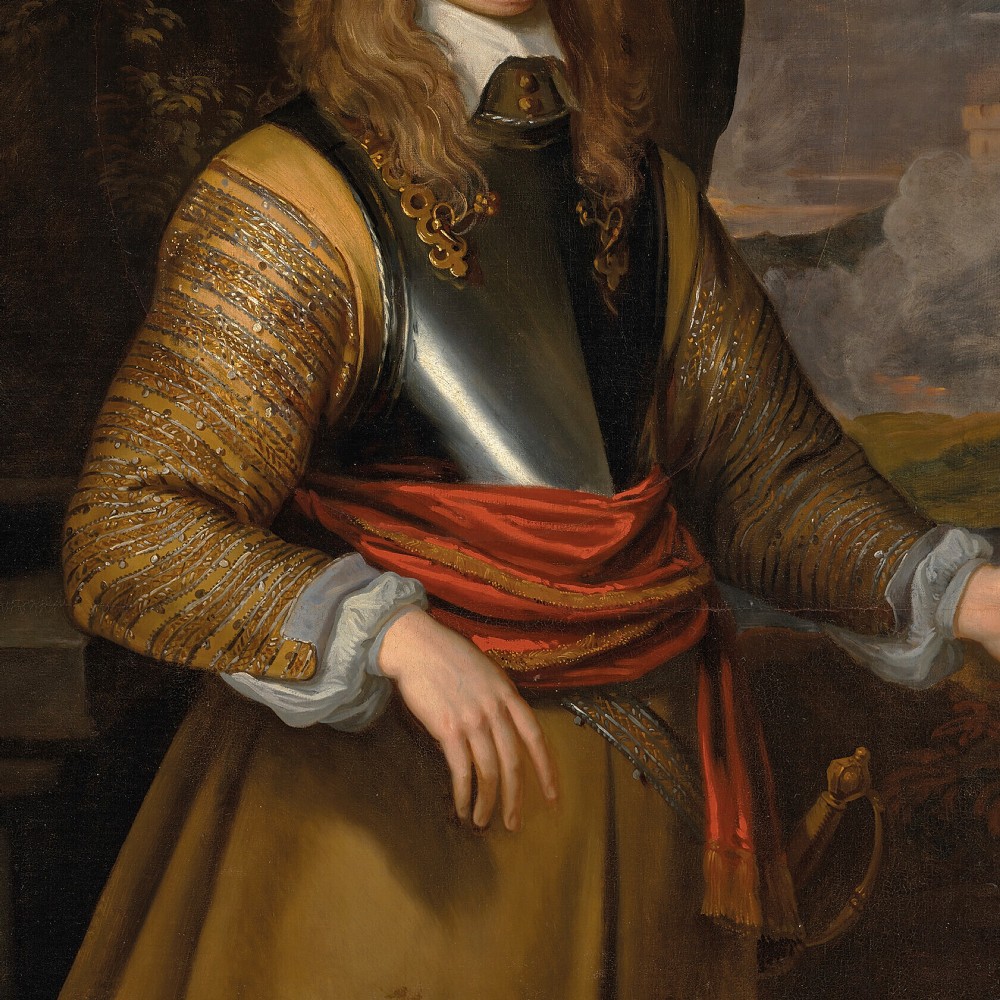
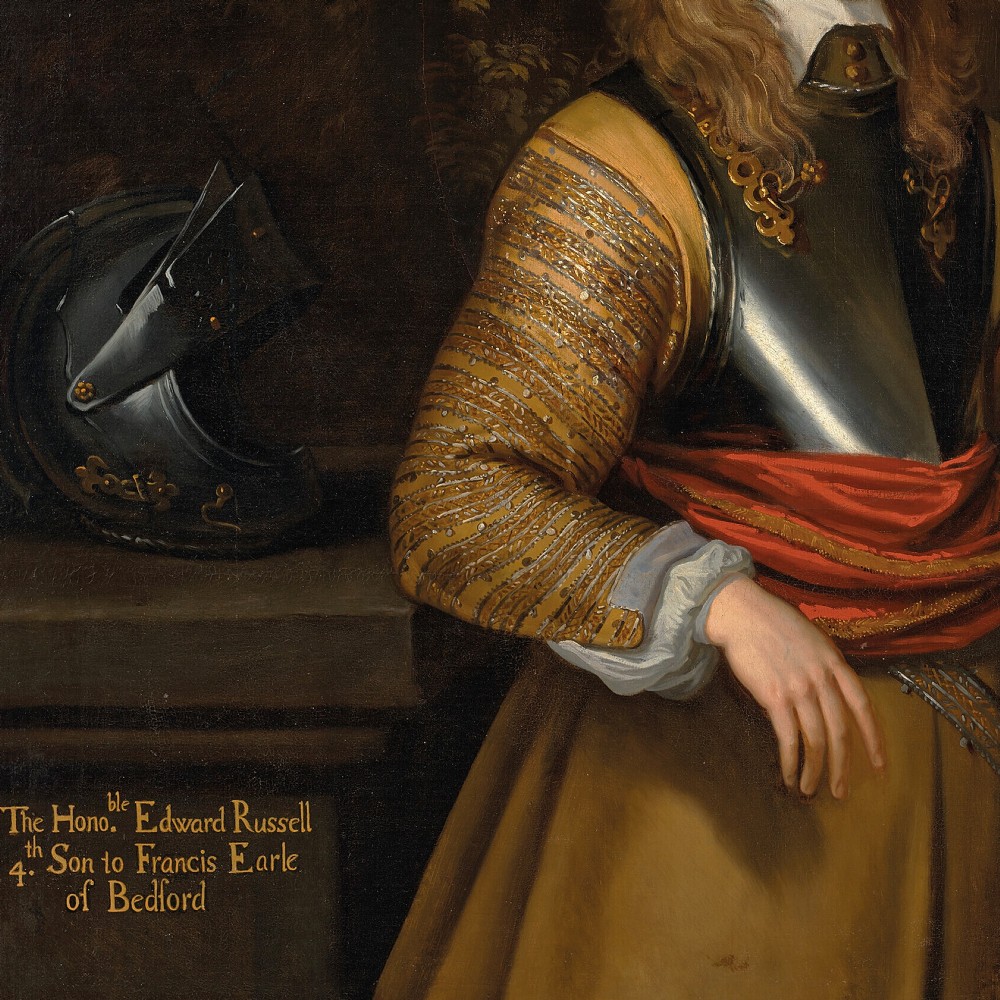
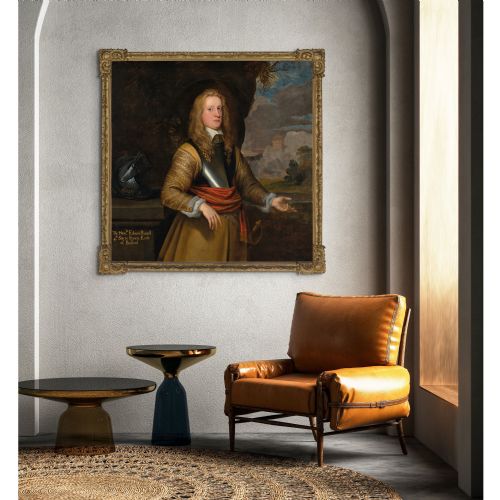
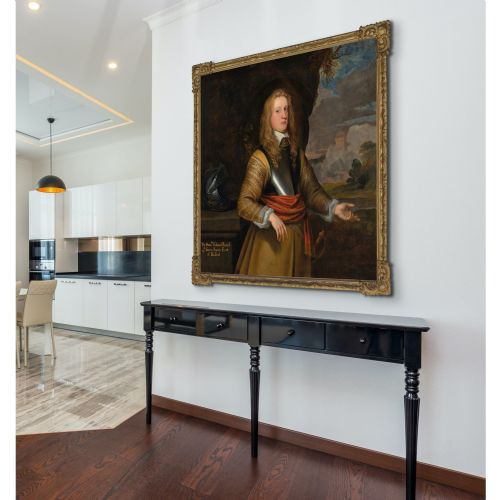
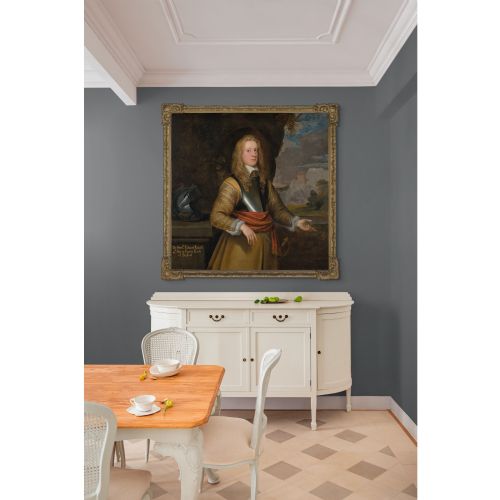
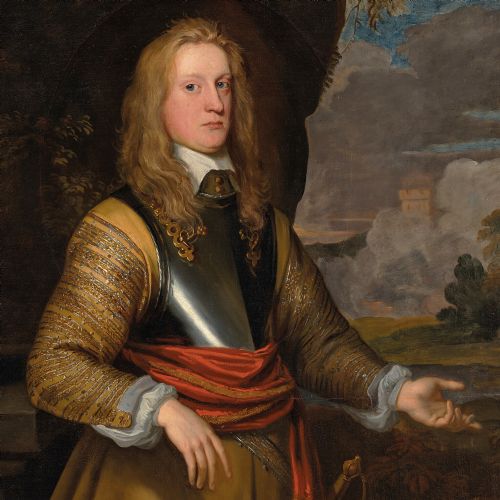
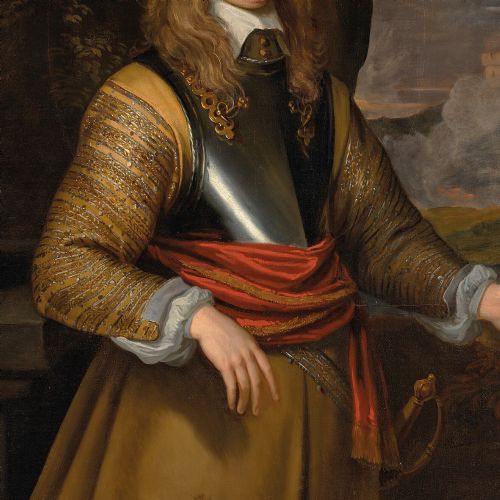
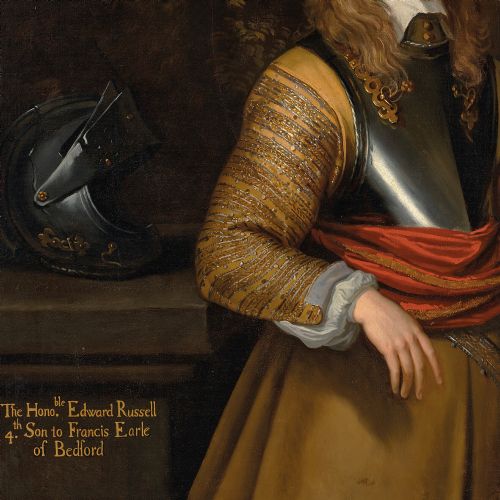
Here, in a three-quarter length work from around 1655, he’s depicted the Hon. Edward Russell, son of Francis Russell, 4th Earl of Bedford, wearing a buff jacket with gold sleeves, breastplate, and red sash. A helmet rests on a ledge alongside, with an imposing landscape beyond.
Edward Russell was the son of Francis Russell, 4th Earl of Bedford and Catherine Brydges. He married Penelope Hill, daughter of Sir Moyses Hill of Hillsborough Castle, and they had four children. One of these was Admiral Edward Russell, a Royal Navy officer and politician. Edward’s father Francis was an inventive pioneer, responsible for creating the iconic Covent Garden Piazza - together with Court architect, Inigo Jones.
It’s fascinating to consider how these portraits were conceived - with sitters adopting various stances, either inspired by a piece they admired or to convey various allegorical references. Usually, this is left to the imagination, but for Hayls, there’s first-hand evidence, thanks to the candid diary of naval administrator, Samuel Pepys. Pepys commissioned Hayls in 1666 and documented numerous meetings with the artist. Aside from a portrait of himself (wearing a rather ostentatious robe), he also requested portraits of his wife and father. We’ve published several extracts in our directory including the following entertaining snippets.
“Saturday 3 March 1666. Thence by coach to Hales’s, and there saw my wife sit; and I do like her picture mightily, and very like it will be, and a brave piece of work. But he do complain that her nose hath cost him as much work as another’s face, and he hath done it finely indeed. Thence home and late at the office, and then to bed.”
“Saturday 17 March 1666. This day I begun to sit, and he will make me, I think, a very fine picture. He promises it shall be as good as my wife’s, and I sit to have it full of shadows, and do almost break my neck looking over my shoulder to make the posture for him to work by.”
“Friday 30 March 1666. Thence home and eat one mouthful, and so to Hales’s, and there sat till almost quite darke upon working my gowne, which I hired to be drawn in; an Indian gowne, and I do see all the reason to expect a most excellent picture of it.”
A particularly interesting entry A particularly interesting entry refers to the removal of an unwelcome landscape.
“Wednesday 18 Ap
Brave Fine Art has dated this piece to the 17th Century.
Exquisite antique paintings that capture the imagination.
You can view the stock and full dealer information on the Brave Fine Art Profile Page
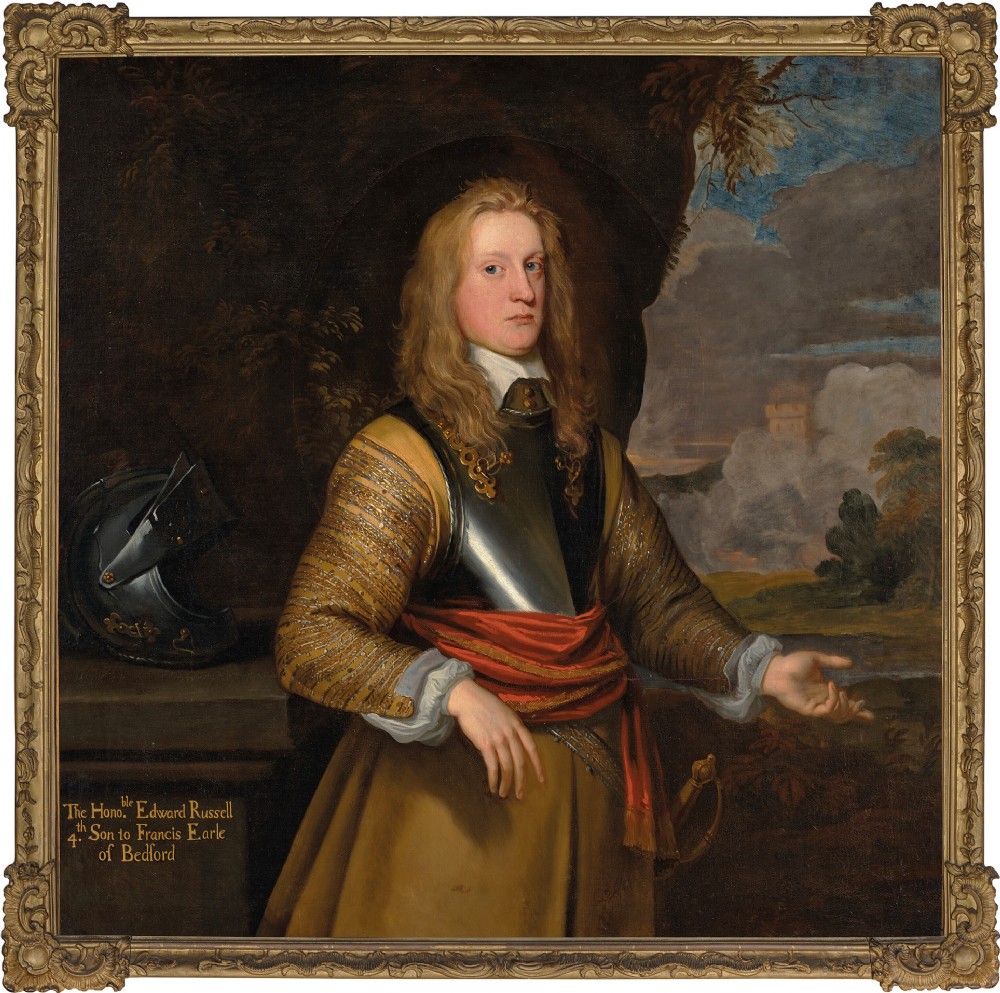
John Hayls (Attributed) Portrait of the Honourable Edward Russell - Antique Oil Painting