

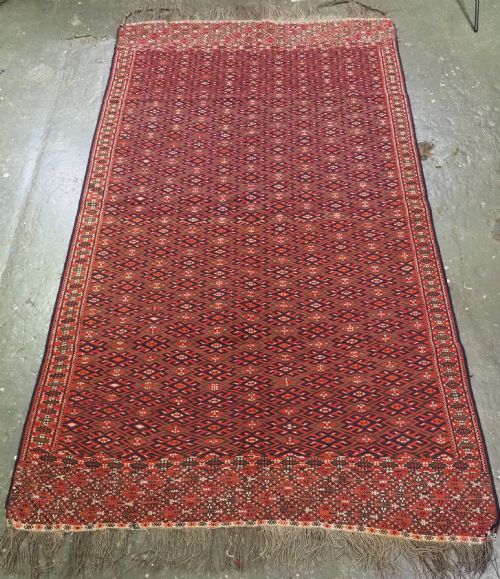


Yomut Tribal Kilim
These yomut tribal kilim pieces are flatwoven Central Asian Turkmen textiles worked in wool with natural dyes, prized by collectors for their distinctive tribal geometry and storied nomadic heritage.
Yomut Tribal Kilim
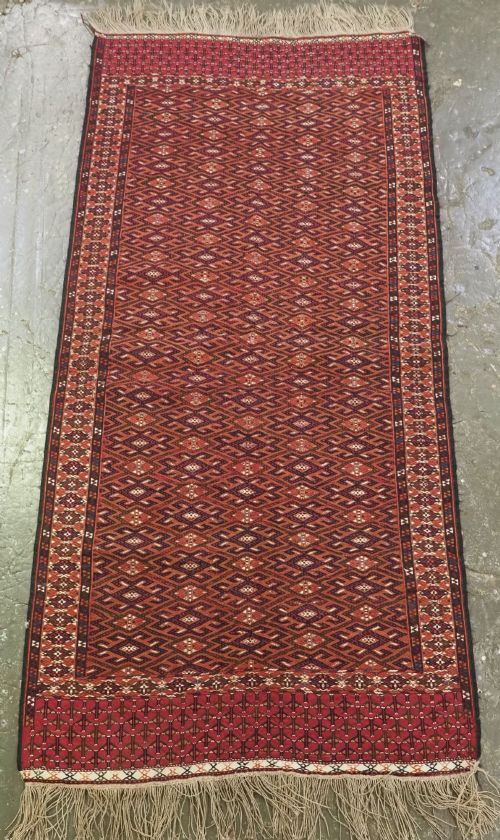
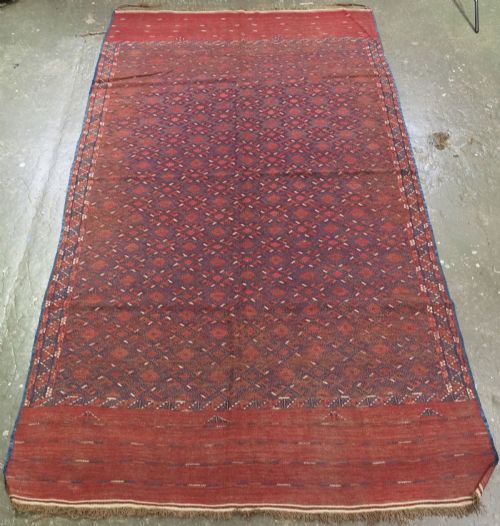
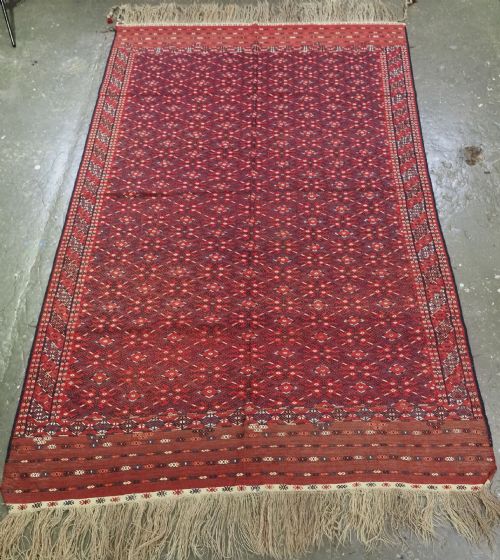
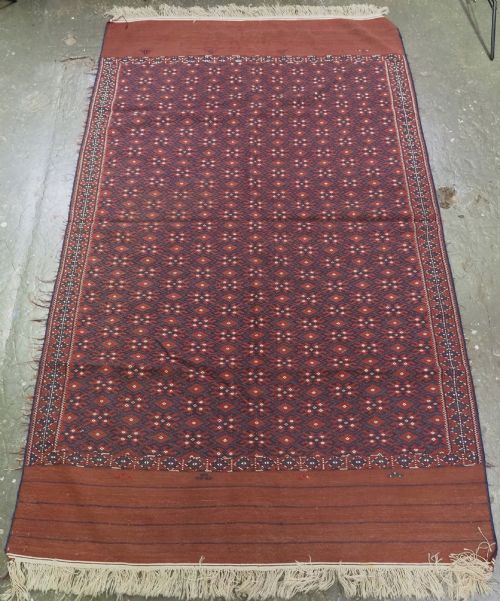
A yomut tribal kilim represents a specialised class of Turkmen flatweave textiles originating from Central Asia around the early twentieth century. These items appear primarily as large area rugs, specialised kilim rugs, and functional storage bags such as mafrash and torba examples.
The aesthetic of these tribal textiles leans heavily on banded flatweave designs and souvenir long kilim ends featuring diamond motifs. Pieces seen here belong to distinct stylistic categories including Turkmen tribal, Central Asian tribal, and general nomadic traditions dating tightly between 1900 and 1920.
What varies in quality
Distinctions in quality emerge through the complexity of the flatweave structure and the technical execution of soumak and palas work. Finer examples display meticulous control over the banded layouts and maintain structural integrity across the elongated kilim ends.
The preservation of the wool and the original natural dyes shifts the visual impact considerably from piece to piece. Items retaining crisp structural details in the diamond designs and minimal disruption to the flatweave surface stand apart within this textile group.
Yomut Tribal Kilim Retail Price Guide 2026
Typical asking prices for yomut tribal kilim among the pieces listed under this phrase on Sellingantiques today, from the lower quarter to the upper quarter. They describe what is for sale here now, not the wider market.
All listed pieces are confined to a narrow twenty-year window from 1900 to 1920, utilising wool and natural dyes exclusively.
The Yomut Tribal Kilim Glossary
- Kilim
- A flatwoven textile produced without a pile by tightly interweaving warp and weft strands. This method creates a lightweight fabric traditionally utilised for floor coverings and wall hangings.
- Soumak
- A wrapping technique used in carpet and textile production that creates a durable structure with visible surface threads. It adds considerable weight and texture compared to standard plain weave.
- Mafrash
- A traditional Central Asian storage bag or chest panel fashioned in a flatweave technique. These items served functional nomadic purposes before entering the realm of collectible textiles.
- Torba
- A small Turkmen bag historically utilised for domestic storage inside a yurt. They frequently display the same tribal design vocabulary seen on larger area rugs.
- Palas
- A term describing specific flatwoven rug types originating from Near Eastern and Central Asian weaving traditions. These textiles rely on simple structural interlacing rather than knotted pile construction.
Yomut Tribal Kilim: Frequently Asked Questions
How are yomut tribal kilim pieces cleaned?
Maintenance requires gentle surface cleaning and professional textile care suited for antique wool. Regular light vacuuming without a beater bar removes loose dirt.
Excessive moisture must be avoided to protect the natural dyes and historical wool fibres. Professional textile conservators should handle any deep washing requirements.
Where did these nomadic flatweaves originate?
These textiles stem from Turkmen tribal groups inhabiting Central Asia during the late nineteenth and early twentieth centuries. Nomadic weavers produced them for domestic utility and ceremonial life.
The distinct geometric patterns and structural techniques reflect regional traditions passed down through generations of tribal makers.
Can these rugs handle heavy foot traffic?
Flatweave construction lacks pile, making them resilient but thinner than traditional knotted carpets. Placing them in moderate traffic areas preserves the integrity of the wool and weave.
Utilising a quality rug underlay provides additional cushioning and prevents sliding on hard flooring surfaces.