




Brown Flatweave Rug
When you search for a brown flatweave rug, you find tribal and nomadic textiles from Persia, Central Asia, and Anatolia woven in wool, cotton, and camel hair.
Brown Flatweave Rug
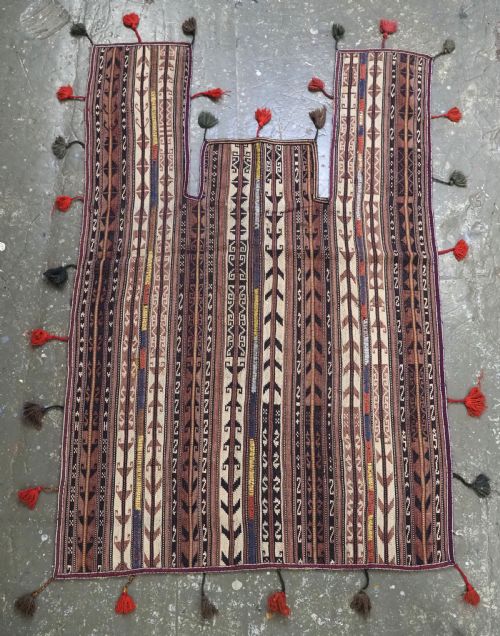
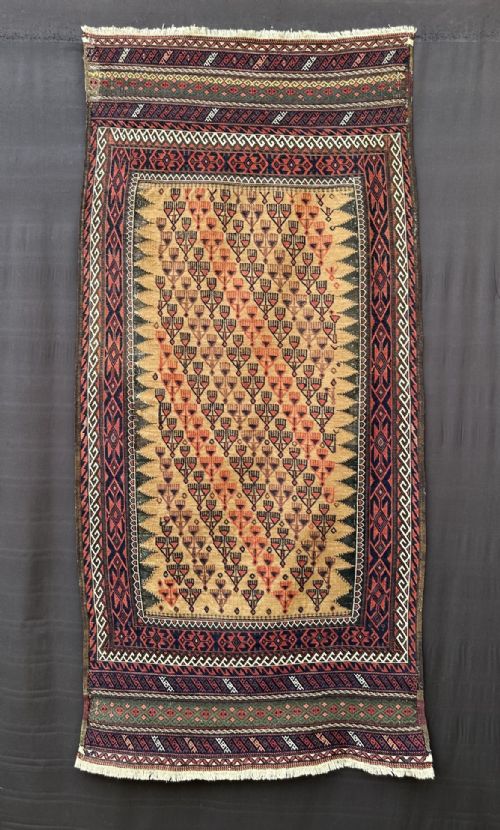
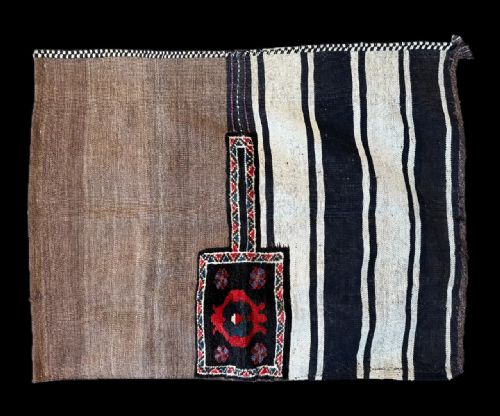
A brown flatweave rug encompasses utilitarian objects such as wheat-sacks, storage bags, tent bands, and sofreh dining kilims produced by tribal groups. These items originate predominantly from Persian, Central Asian, and Anatolian weaving traditions dating from the nineteenth and early twentieth centuries.
Makers utilised flatweave techniques, including tapestry weaving and brocade work, without a pile. Pieces range from large room-size carpets and Ukrainian and Bessarabian kilims to smaller domestic panels and horse blankets.
Materials and construction
Weavers relied on hand-spun wool, cotton, and occasionally camel hair, goat hair, and leather. Natural dyes provided the foundational palette for these textiles.
The construction methods combine warp-weighted or vertical loom flatweaving, slit-tapestry techniques, and supplementary weft work such as soumak and cicim embroidery.
Brown Flatweave Rug Retail Price Guide 2026
Typical asking prices for brown flatweave rug among the pieces listed under this phrase on Sellingantiques today, from the lower quarter to the upper quarter. They describe what is for sale here now, not the wider market.
Listings feature textiles spanning the 1870s to the 1930s, constructed from hand-spun wool, cotton, camel hair, and natural dyes.
Determinants of quality
Quality rests upon the fineness of the weave and the structural integrity of the flatweave fabric. Tighter, denser handling of the wool yields a more resilient textile.
The sophistication of the banded designs and the preservation of original backs or borders elevate the standing of individual nomadic pieces.
The Brown Flatweave Rug Glossary
- Kilim
- A flat-woven carpet or rug produced by tightly interweaving warp and weft strands to create a smooth surface without a pile.
- Sofreh
- A utilitarian dining or bread kilim used by tribal groups for domestic food preparation and serving.
- Mafrash
- A large rectangular storage bag or chest panel woven in nomadic traditions.
- Soumak
- A brocading technique where weft threads are wrapped around warp threads to produce a textured surface resembling braids.
- Cicim
- An embroidery technique sewn onto a finished flatweave foundation to add raised patterns.
Brown Flatweave Rug: Frequently Asked Questions
What is a brown flatweave rug used for?
These textiles served primarily practical roles in nomadic households as grain sacks, storage containers, horse blankets, and dining spreads.
Today, buyers place them as floor coverings, hang them as wall art, or utilise them as durable runners in hallways.
How do I date a flatweave?
Dating relies on examining the materials, structural characteristics, and natural dye palettes typical of nineteenth and early twentieth-century tribal production.
Items span specific periods from the 1870s through the 1930s, reflecting traditional weaving methods passed down through generations.
Where were these rugs made?
Originating across a wide geographic expanse, these pieces come from tribal groups in Persia, Anatolia, Central Asia, Ukraine, and Bessarabia.
Specific regions include Fars Province, the Chahar Mahal, and the borderlands between Persia and Afghanistan.
How should I care for an antique flatweave?
Gentle vacuuming without a rotating brush helps remove dust from the flat weave without damaging the delicate hand-spun wool fibres.
Professional cleaning suited to antique textiles preserves the natural dyes and structural integrity over time.