


Yew Chest of Drawers
A yew chest of drawers brings rich grain and deep colour to a room, offering practical storage through centuries of cabinet making.
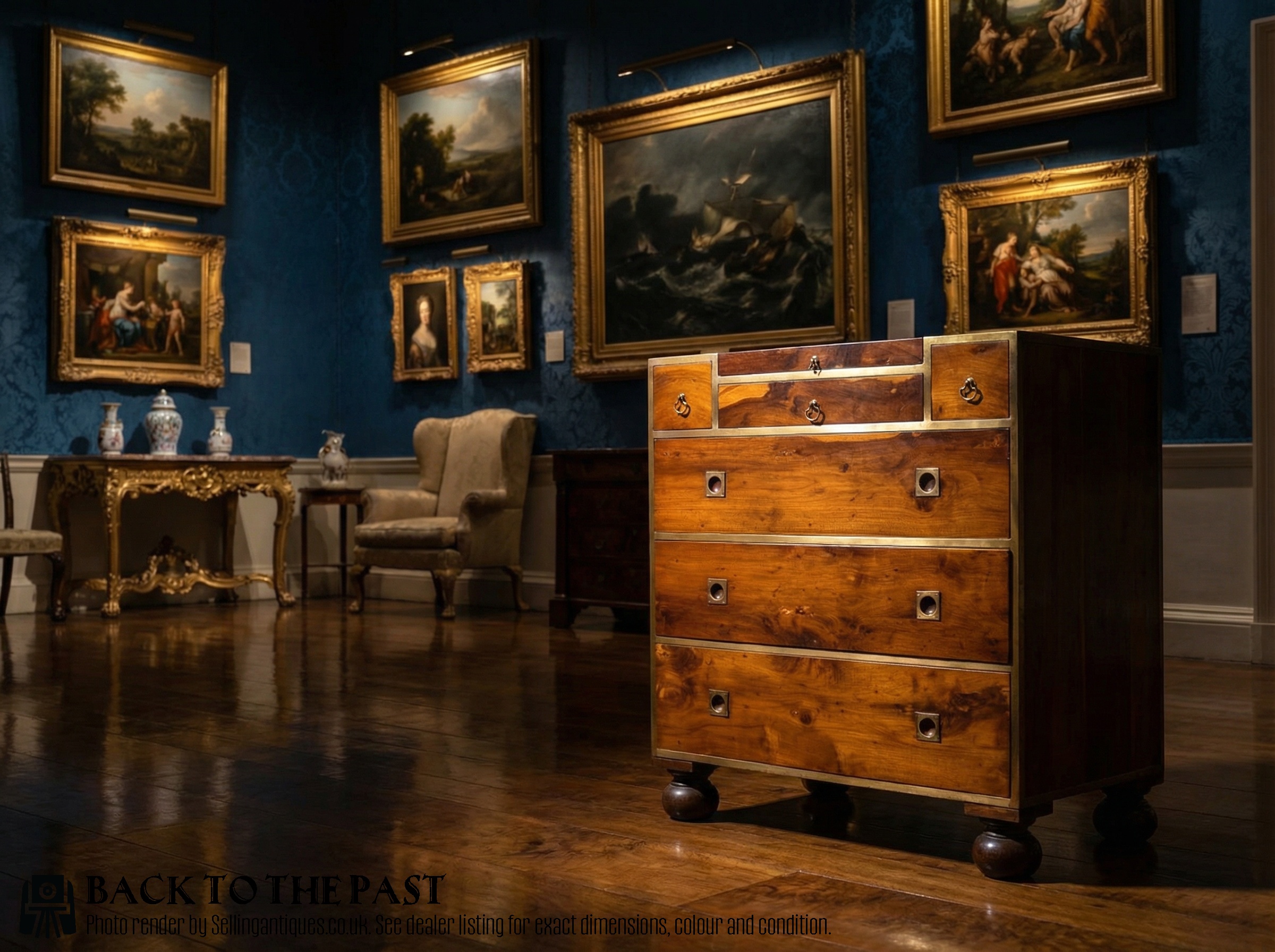
Yew Chest of Drawers
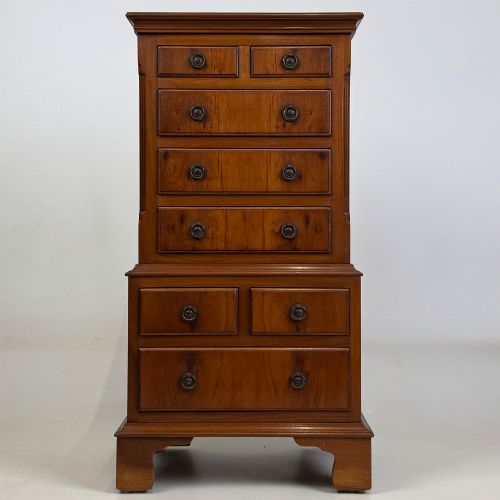
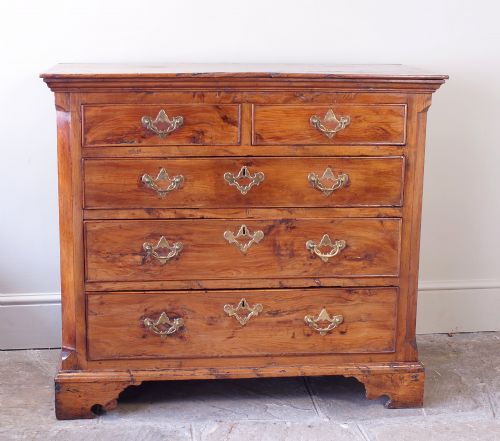
When you search for a yew chest of drawers, you encounter pieces spanning from the late seventeenth century through the Georgian and Regency periods into the twentieth century. These storage pieces appear in various forms, including full-sized chests, miniature apprentice pieces, campaign styles, and chests on stands. The versions most commonly met on this page date from the eighteenth and twentieth centuries, often showing compact proportions or distinctive smaller builds.
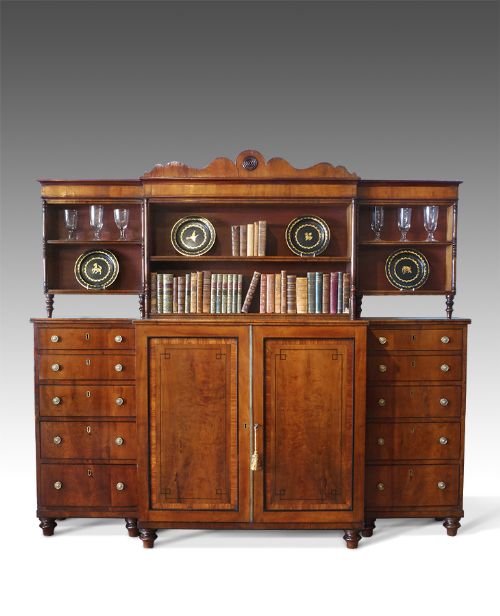
Makers historically used yew alongside secondary timbers like oak, elm, walnut, and mahogany, creating durable storage furniture that served bedchambers and parlours. Styles range from William and Mary and Queen Anne designs to George III proportions, Arts and Crafts interpretations, and Edwardian production. Buyers find these items grouped among desks, cabinets, and side tables that share the same characteristic timber.
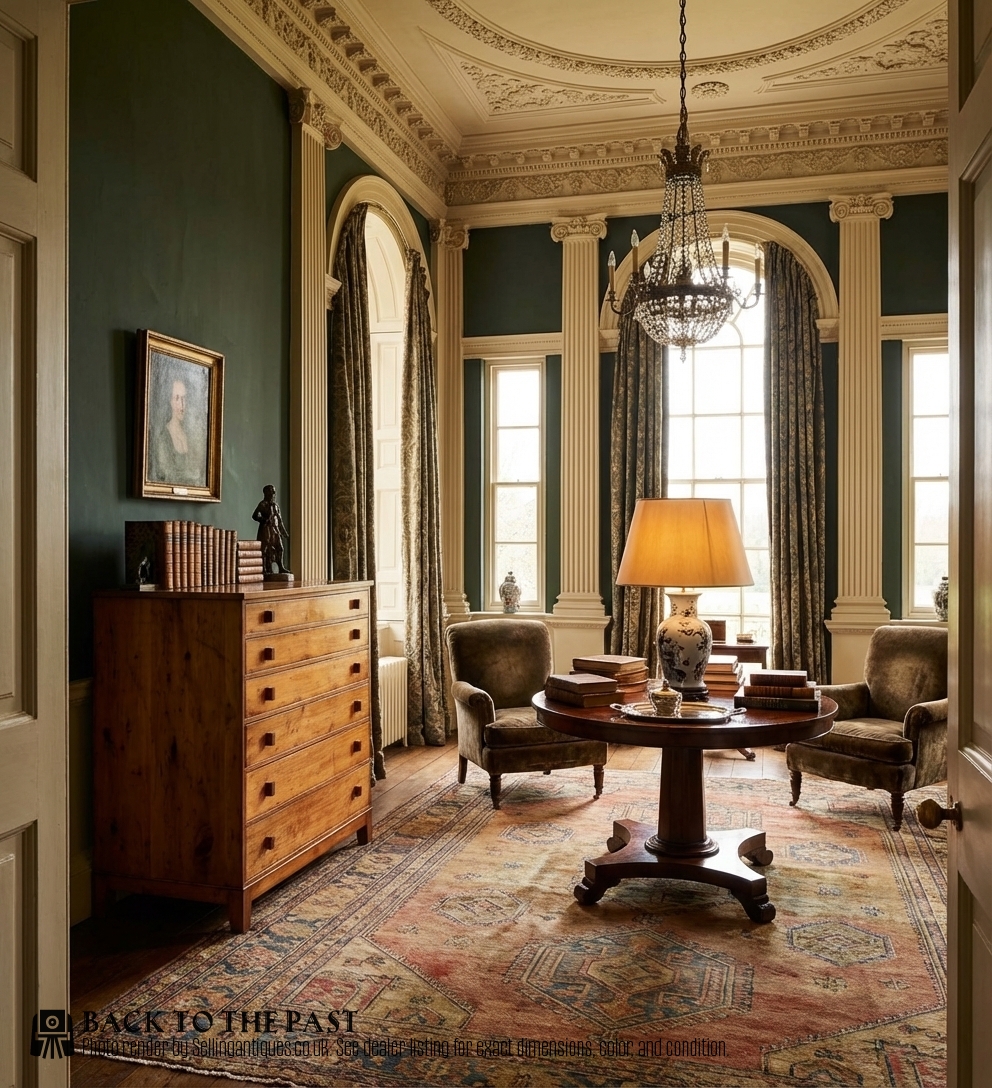
How they were made
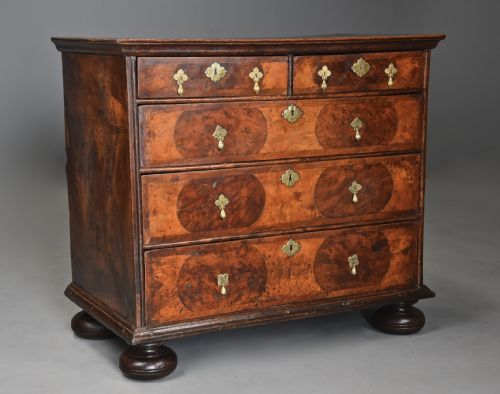
Cabinet makers utilised solid yew wood or applied yew veneers, sometimes arranged in intricate oyster patterns across the drawer fronts and surfaces. Secondary timbers such as oak, elm, walnut, and maple provided structural stability for the carcase and drawer linings.
Brass hardware, including campaign mounts, drop handles, and escutcheons, accompanied the timber construction, while bone occasionally appeared for inlay details or stringing. Joinery techniques varied from early joined frames and oyster veneering to later Edwardian and twentieth-century production methods.
Some seventeenth-century trees contributed their roots to form decorative oyster patterns that outlived the monarch under whom they grew.
What varies in quality
The choice and figuring of the timber set examples apart, with burr yew and matched oyster veneer arrangements indicating higher ambition in the workshop. The dexterity of the cabinet maker shows in the handling of small proportions and miniature forms, where precision defines the build.
Material integration also separates the tiers of production, as seen in how secondary woods coordinate with the primary yew surface and how brass mounts integrate with the drawer structure.
Edward Barnsley
The Yew Chest of Drawers Glossary
- Yew Wood
- A dense timber known for its turbulent grain patterns and warm amber tones. It has served English cabinet makers for centuries.
- Oyster Veneer
- Thin slices cut across small branches or roots, laid in circular or geometric patterns resembling oyster shells. This technique flourished in the late seventeenth and early eighteenth centuries.
- Campaign Chest
- Portable furniture made in sections with brass corners and recessed handles for transport. These pieces served officers on military campaigns.
- Apprentice Piece
- A small-scale model demonstrating a craftsman's skill to the guild before attaining master status. These miniature chests replicate full-sized construction accurately.
Yew Chest of Drawers: Frequently Asked Questions
What periods do these pieces come from?
The pieces span from the late seventeenth century through the Georgian, Regency, and Victorian eras into the twentieth century. Examples from the William and Mary, Queen Anne, and George III periods appear alongside Edwardian and 1920s iterations.
Craftsmen continued working in yew through the Arts and Crafts movement and into the interwar years, resulting in a broad chronological spread on the market.
How were miniature yew chests used?
Miniature chests served as apprentice pieces or salesman samples to demonstrate woodworking skill and joinery techniques to prospective clients. Their small proportions allowed makers to showcase detailed drawer construction and veneer work on a portable scale.
Historically, owners also placed these smaller chests on tables or desks to hold valuables, documents, or personal items in domestic interiors.
How do I care for yew wood furniture?
Yew wood furniture requires placement away from direct heat sources and strong sunlight to prevent the timber and veneers from drying out or fading. Maintaining stable room humidity preserves the joints and prevents movement in the carcase.
Routine dusting with a soft, dry cloth protects the finish and patina built up over centuries of handling.