

Yellow Victorian Armchair
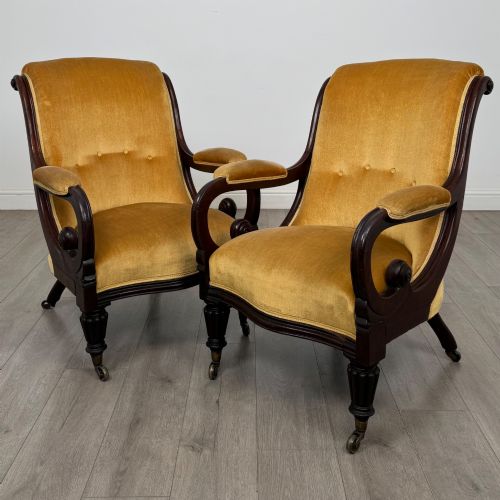
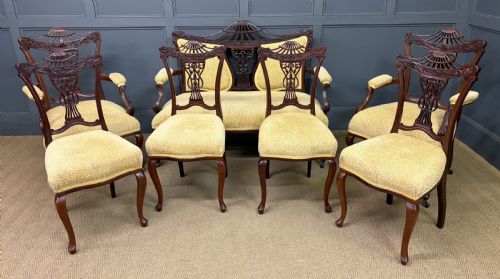
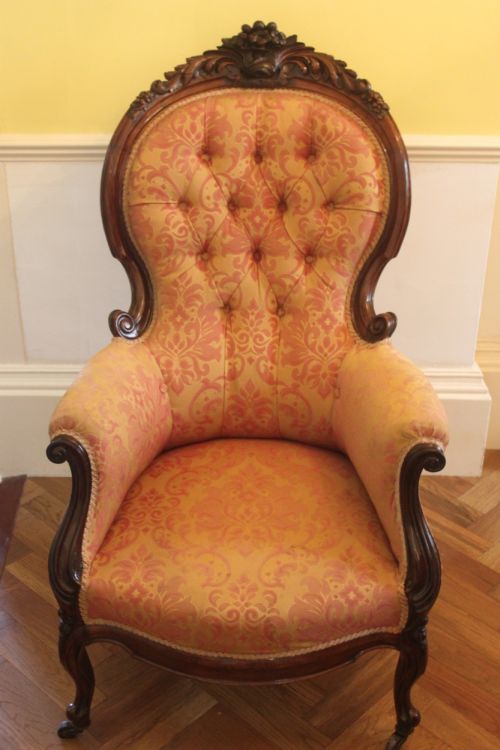
A yellow victorian armchair brings warmth and nineteenth-century craftsmanship to a room through upholstered seating designed for comfort.
Yellow Victorian Armchair
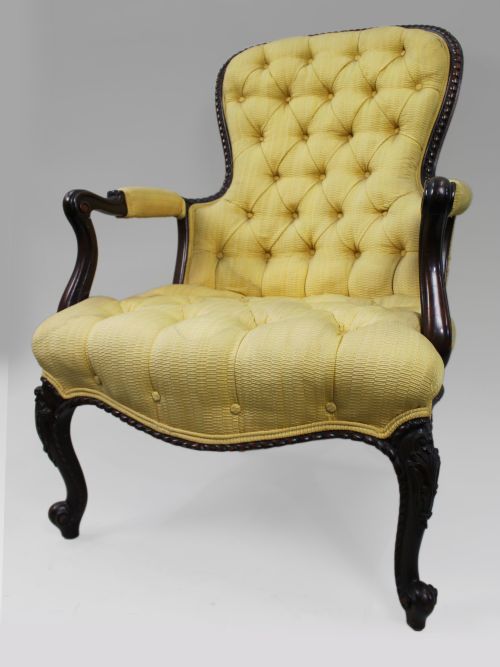
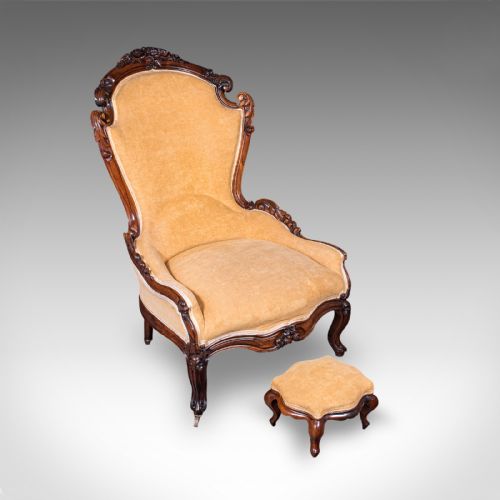
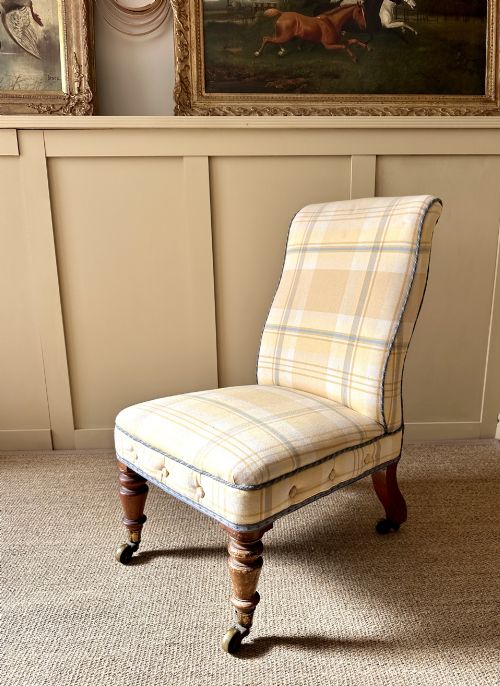
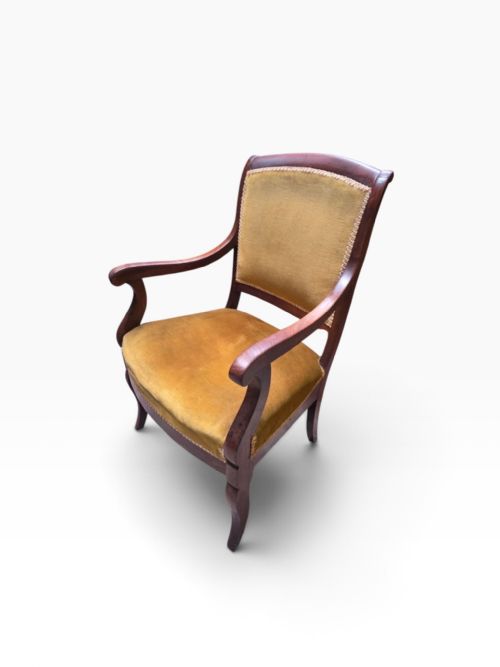
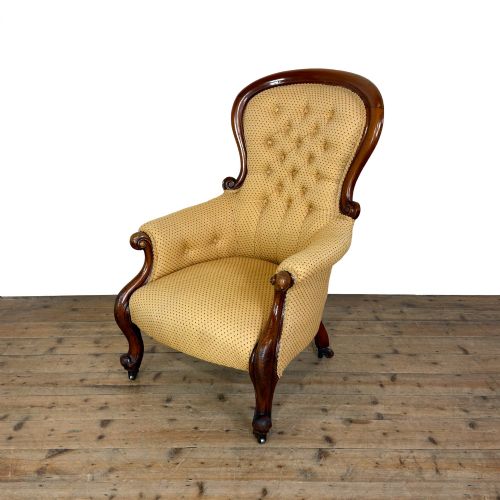
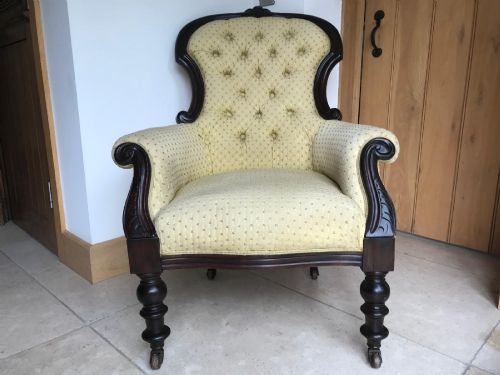
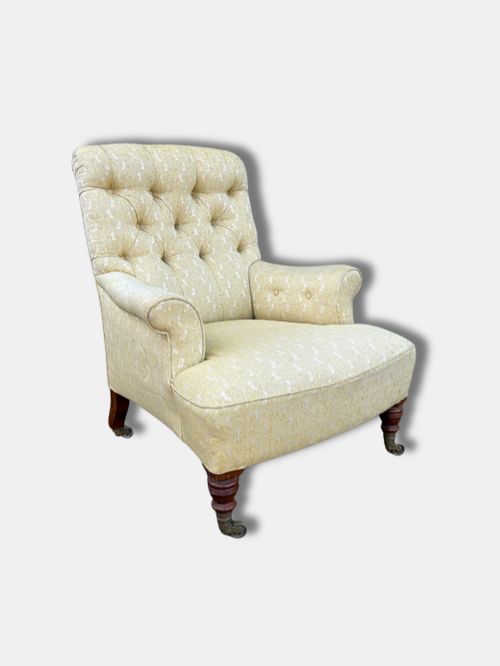
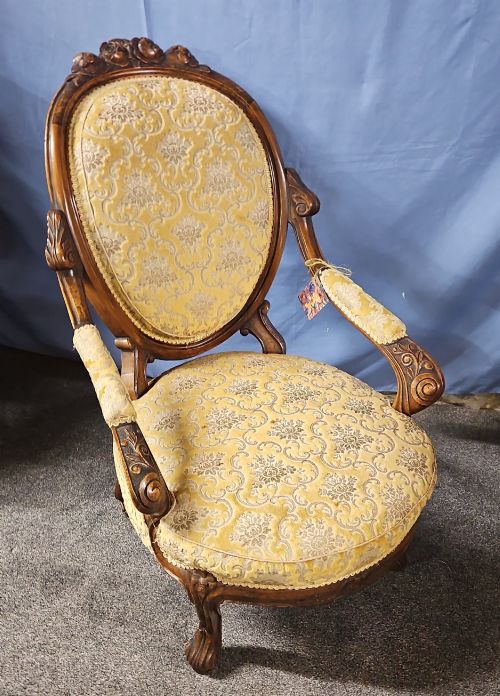
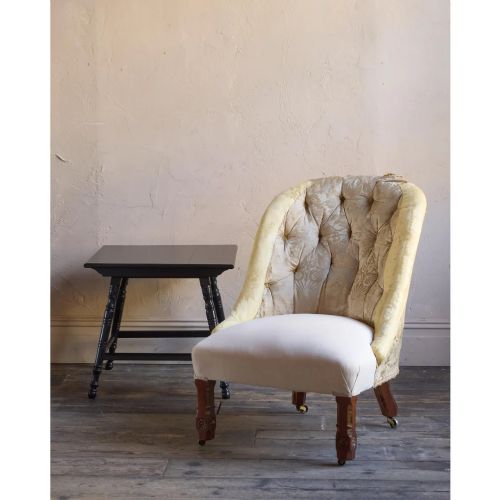
A yellow victorian armchair encompasses various nineteenth-century seating forms, including button-back library chairs, low salon seats, and deep-seated easy chairs upholstered in textiles such as velvet, damask, linen, and cotton. These pieces reflect the diverse domestic spaces of the era, ranging from formal parlour suites to intimate bedroom chairs and gentleman's reading seats.
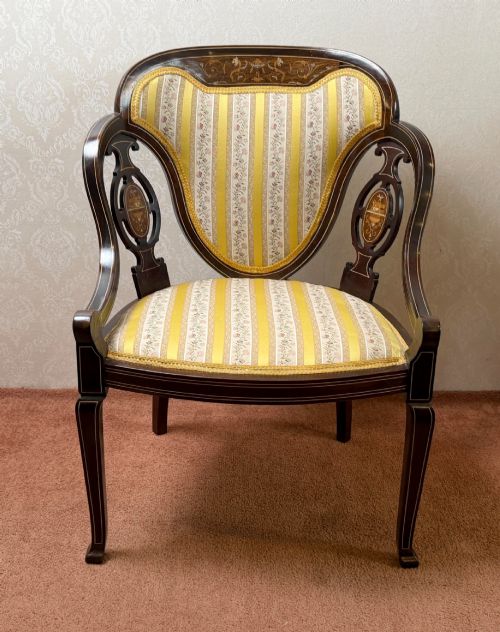
The yellow victorian armchair you encounter on this page typically dates from the mid-nineteenth century through to the Edwardian transition around nineteen hundred. Frames appear in mahogany, walnut, and pollard oak, displaying styles from early victorian and rococo revival to late nineteenth-century aesthetic and queen anne revival influences.
Materials and construction methods
Frames are constructed from dense hardwoods such as mahogany and walnut, shaped with turned, reeded, or carved wooden members, and occasionally augmented with bone and boxwood inlay or brass details. Upholstery relies on traditional textile coverings like velvet, damask, and cotton applied over sprung and stuffed interiors.
Makers utilised exposed timber show-frames alongside fully upholstered sprung bodies, securing fabrics with careful tacking and buttoning techniques. Joinery methods of the period involved robust frame construction designed to support deep cushioning and frequent domestic use.
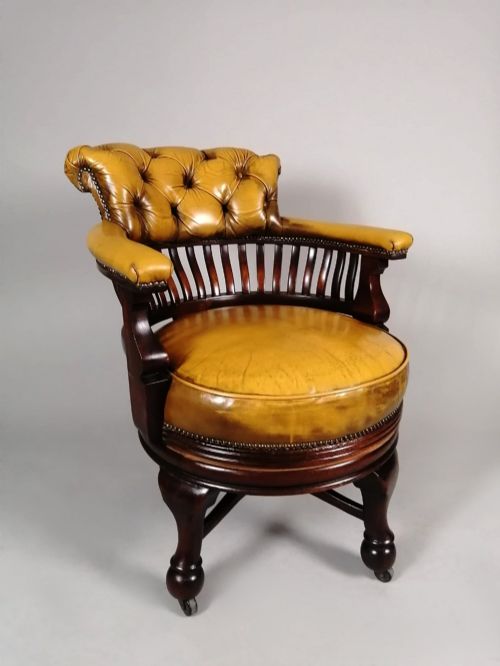
The documented chair forms range from low salon seats and slipper chairs to deep library armchairs and revolving desk chairs.
Assessing quality in period seating
Quality reveals itself in the architectural integrity of the hardwood frame and the sophistication of its carved or turned details. Superior examples display crisp joinery, well-balanced proportions, and refined timber selection, whether in figured mahogany or rich walnut.
The execution of the upholstery work contributes significantly to the character of the piece, from the precision of button-backing to the integration of high-grade textiles like velvet or damask. Maker attribution through stamps or labels further distinguishes exceptional workshop output from standard production.
Charles Hindley And Sons·Howard And Sons·Cornelius V Smith·Johnstone And Jeanes·Harrods London
The Yellow Victorian Armchair Glossary
- Button-back
- An upholstery technique where indentations are formed by stitching through the padding to secure buttons in a geometric grid pattern. This method pulls the fabric tight and creates a cushioned, textured surface.
- Spoon-back
- A chair back shaped in a concave oval resembling the bowl of a spoon, designed to fit the contours of the human body. This form is frequently found on nineteenth-century nursing and salon chairs.
- Carver
- An armchair, traditionally placed at the head of a dining table, featuring extended wooden armrests. These pieces match or complement a set of single dining chairs.
- Reeded
- A decorative moulding consisting of parallel convex strips applied to wooden legs or frame members. This classical detail provides textural contrast to smooth polished timber surfaces.
- Show-frame
- A wooden chair structure left partially or fully exposed around the upholstered elements to display the grain and carving of the timber. Walnut and mahogany were frequently utilised for this purpose.
Yellow Victorian Armchair: Frequently Asked Questions
How do I identify a Victorian armchair?
Look for characteristic nineteenth-century timber choices such as mahogany or walnut, alongside traditional upholstery styles like button-backing and spoon-backs. Proportions and decorative details often align with specific revival styles popular during the period.
Examine the frame construction and underside for maker stamps, labels, or assembly marks which help confirm the era of manufacture.
Where were these armchairs placed originally?
These chairs served diverse functions across nineteenth-century interiors, appearing in libraries, formal parlours, bedrooms, and drawing rooms. Specific forms like nursing chairs and library chairs were tailored to particular domestic activities.
Drawing rooms utilised matched salon suites and low chairs, while studies and libraries favoured deeper seating designed for extended reading.
How should I care for antique upholstery?
Protect delicate historic textiles like velvet, damask, and silk damask from direct sunlight to prevent fading and fibre degradation. Regular gentle vacuuming with a low-suction attachment helps remove dust accumulation without stressing the fabric.
Consult professional conservators experienced in nineteenth-century furniture when dealing with structural repairs or comprehensive reupholstery needs.
What distinguishes a library chair from a salon chair?
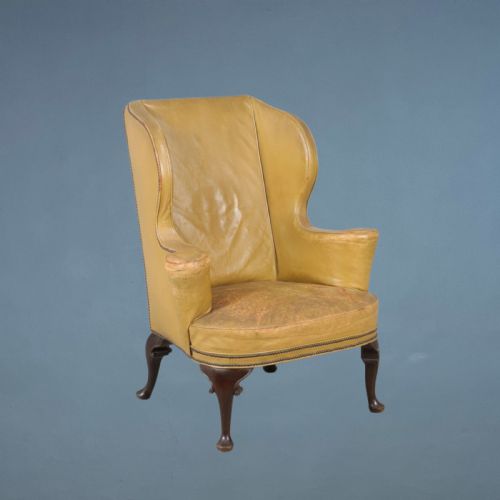
Library chairs generally offer deeper seating, sturdier proportions, and higher backs intended for sustained comfort during reading or working. Upholstery is often substantial, sometimes utilising leather alongside traditional fabric coverings.
Salon chairs tend to be more decorative and lighter in scale, designed for entertaining guests in formal reception rooms rather than prolonged lounging.