
Victorian Gentlemans Armchair
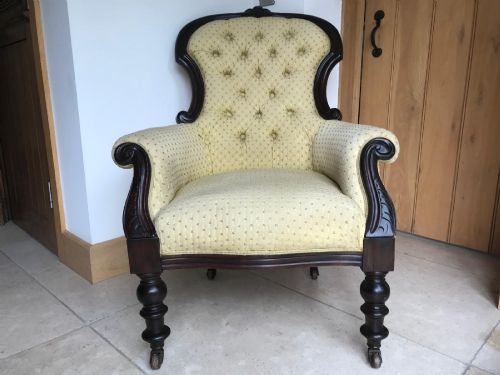
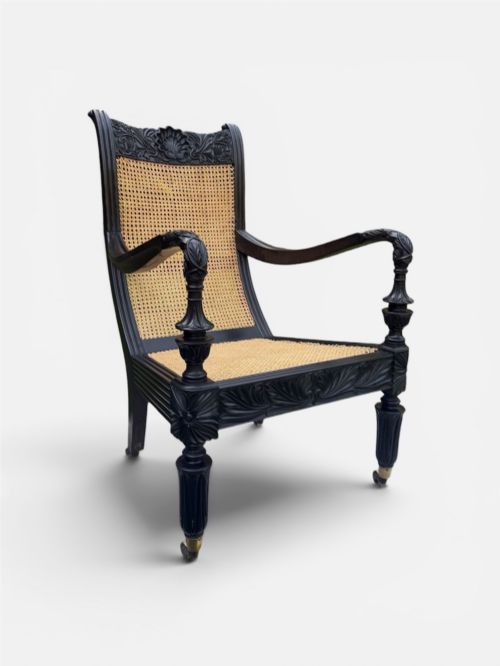
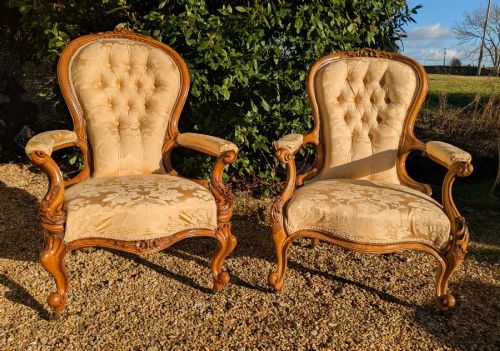
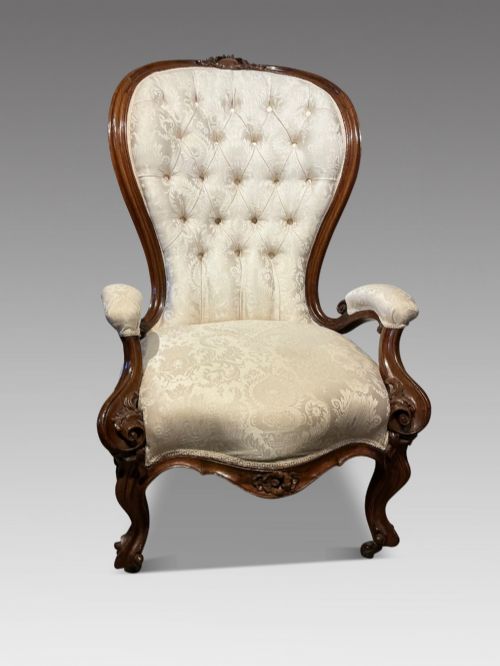
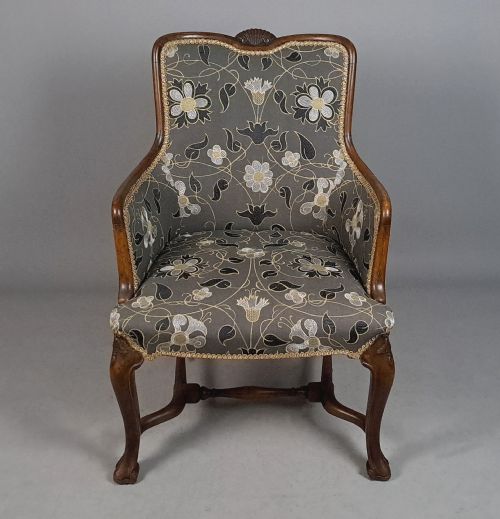
A victorian gentlemans armchair is a sturdy, deep-sprung seat designed for comfort, offering substantial timber frames and handsome upholstery.
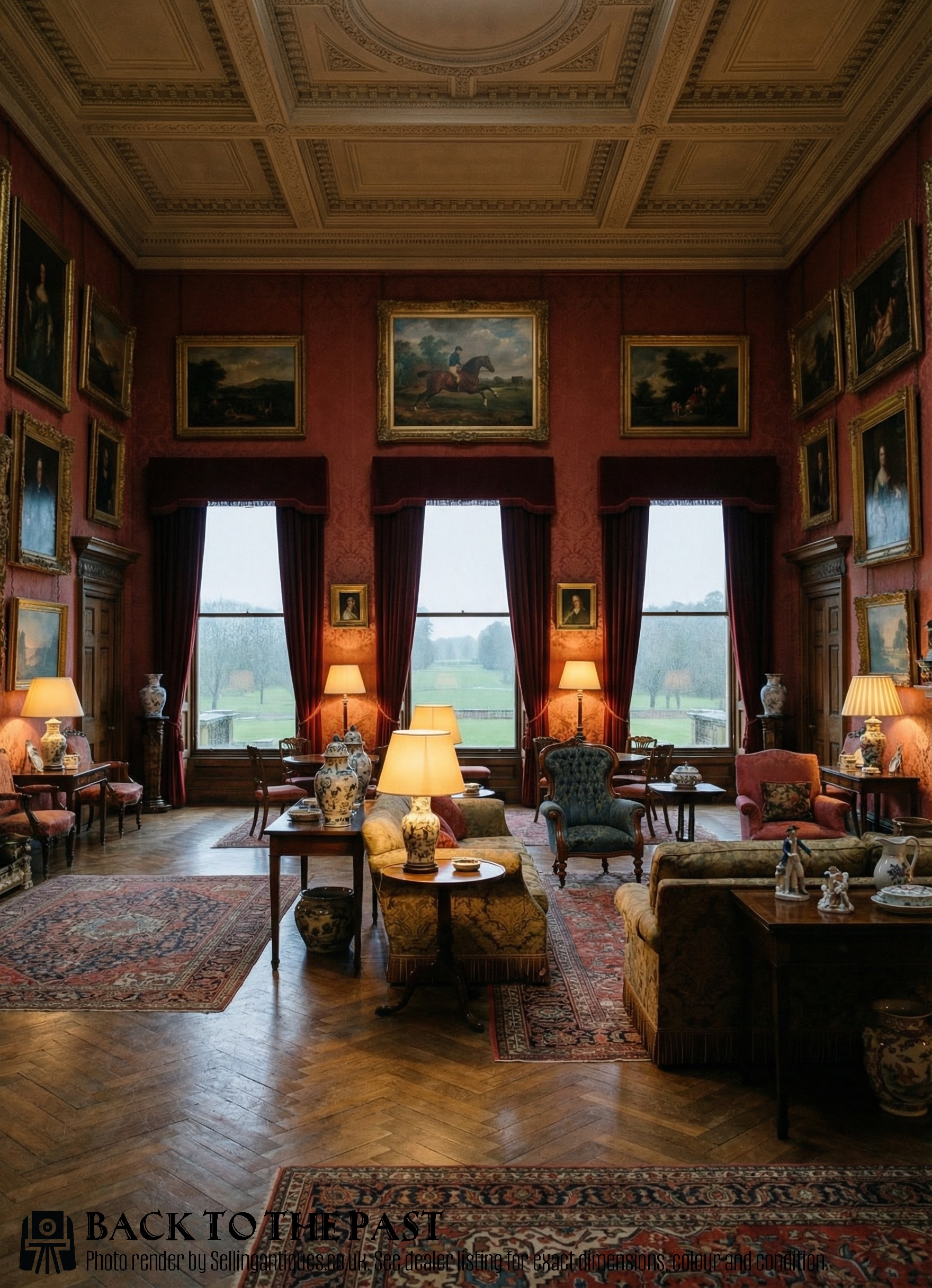
Victorian Gentlemans Armchair
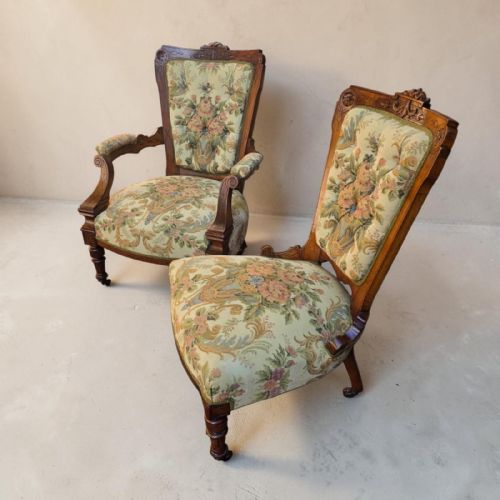
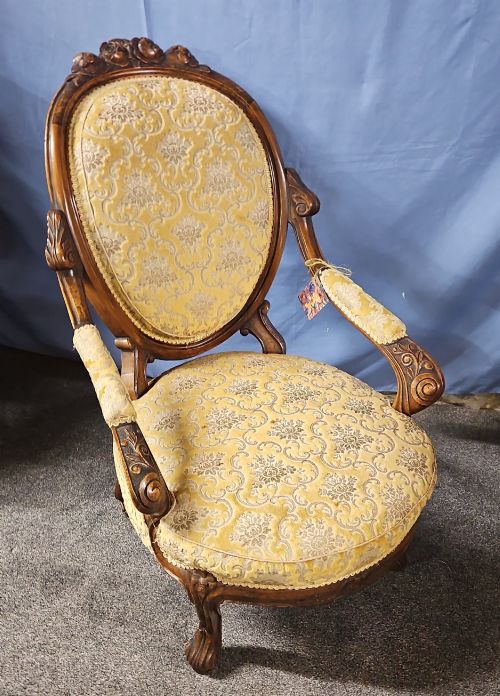
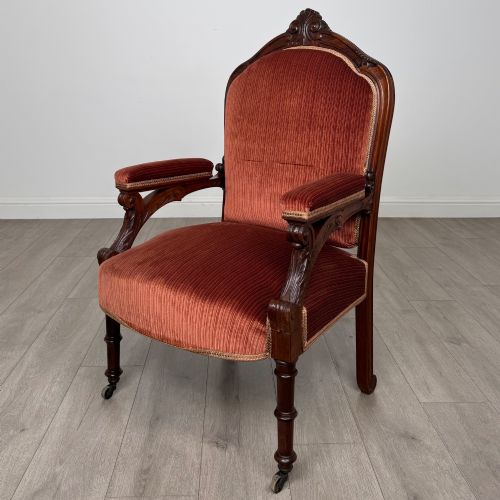
When searching for a victorian gentlemans armchair, buyers encounter robust nineteenth-century seating built for studies, libraries and drawing rooms. These chairs commonly appear in mahogany, walnut and rosewood timber frames.
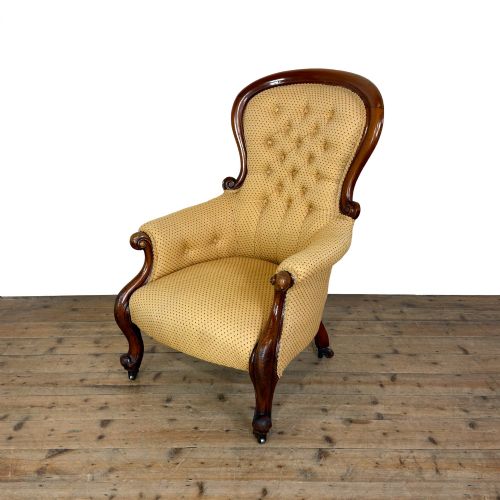
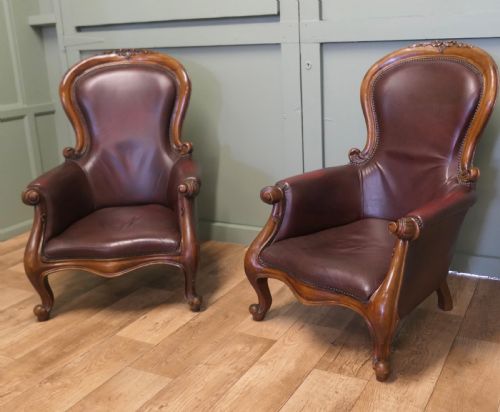
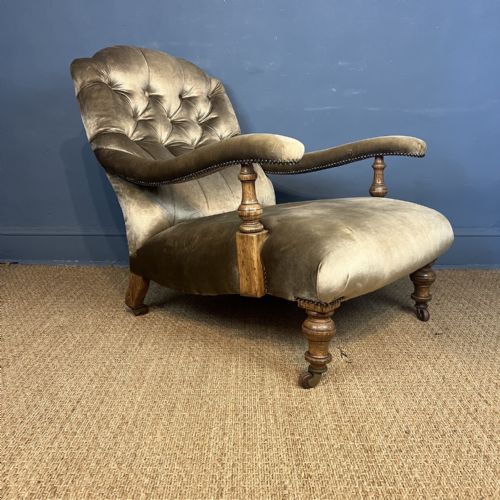
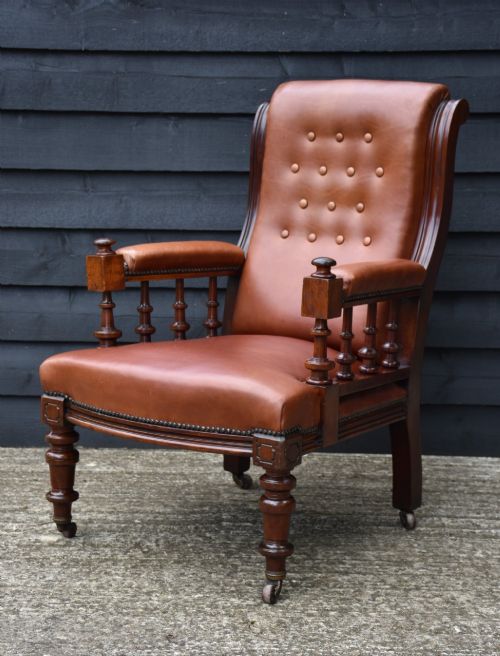
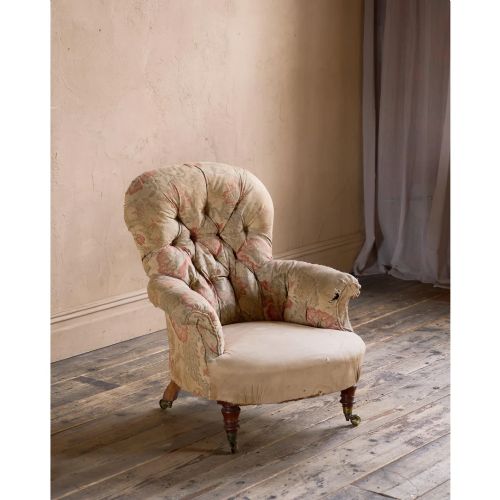
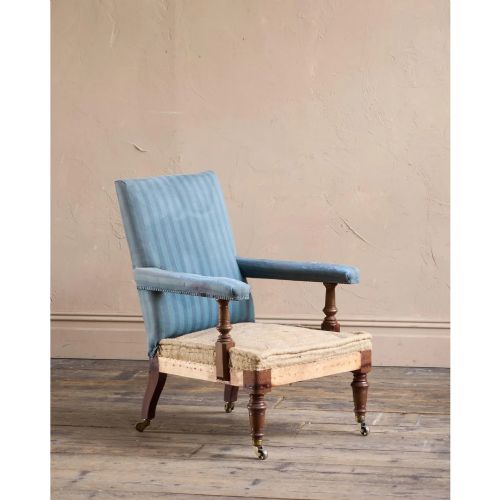
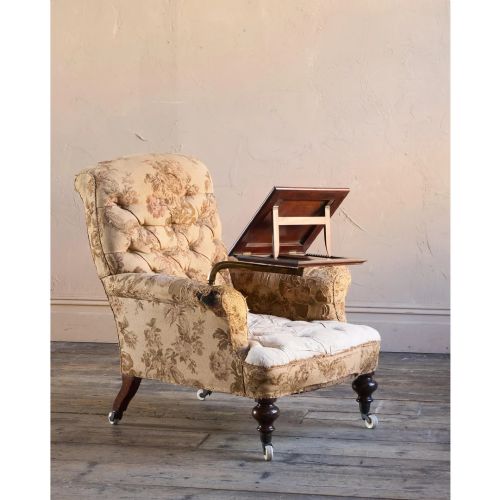
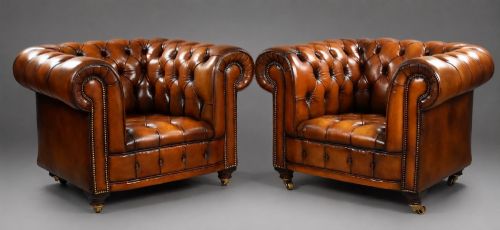
The prevalent forms on this page include spoon-backed library chairs, open armchairs and buttoned leather models. Many pieces incorporate scroll arms, cabriole legs and reading stands.
Makers often paired these armchairs with matching footstools, side chairs or settees to form complete salon suites. The nineteenth-century designs prioritise deep padding and supportive backrests for prolonged seated use.
Materials and Construction Methods
Cabinetmakers constructed the structural frames of a vict钤rian gentlemans armchair from dense hardwoods such as mahogany, walnut, rosewood and oak. Artisans frequently carved these timbers by hand into elaborate scroll and cabriole leg shapes.
Upholstery relied upon durable textiles, rich velvets and hand-coloured leather fixed over supportive interior springing. Brass hardware and turned wooden components frequently reinforced the structural integrity of the libraries and reading chairs.
Several armchairs come equipped with built-in reading stands, proving that nineteenth-century readers appreciated multitasking just as much as we do today.
Distinguishing Superior Craftsmanship
The distinction between standard seating and finer library chairs rests upon the depth of the timber carving and the precision of the joinery. Superior examples display crisp hand-carved mouldings along the wooden framework rather than simplified machine work.
Quality further reveals itself in the weight and selection of the hide or textile used for the upholstery. Pieces equipped with integrated reading stands or stamped maker numbers indicate higher workshop standards.
Holland & Sons·Morison and Co·Hindley & Sons
The Victorian Gentlemans Armchair Glossary
- Spoon Back
- An oval-shaped, concave backrest designed to mimic the contours of the human spine. This ergonomic shape appears frequently on walnut and mahogany salon chairs.
- Cabriole Leg
- A furniture leg that curves outward at the knee and tapers inward toward the foot. Makers during the nineteenth century carved these legs with scroll or pad feet.
- Library Armchair
- A substantial seating form intended for study environments. These often incorporate reading stands, sturdy armrests and leather upholstery.
- Scroll Arm
- A rolled timber armrest shaped into a spiral termination. This feature provides physical support and decorative character to nineteenth-century frames.
- Buttoned Back
- An upholstery technique where leather or fabric is pulled tight and secured with recessed buttons to create a diamond pattern. This method keeps the internal padding evenly distributed.
Victorian Gentlemans Armchair: Frequently Asked Questions
What defines a gentlemans armchair?
A victorian gentlemans armchair is typically characterised by a generously proportioned frame, substantial padding and supportive armrests.
These seats were traditionally placed in private studies, libraries or drawing rooms to provide comfort during extended periods of reading or conversation.
Where were these chairs placed?
These armchairs primarily occupied domestic libraries, studies and formal drawing rooms alongside matching footstools and sofas.
Their robust timber frames and upholstered finishes allowed them to serve as functional fireside seating or dedicated reading chairs.
How do I care for leather upholstery?
Leather upholstery benefits from regular dusting and occasional treatment with appropriate leather balms to maintain flexibility.
Keep these armchairs away from direct heat sources and strong sunlight to prevent the hide from drying out or fading over time.
Can I use these in modern rooms?
These nineteenth-century armchairs integrate easily into contemporary interiors by serving as strong focal points in living spaces or studies.
Their substantial timber frames and classic leather or velvet upholstery pair well with both traditional and modern design schemes.