

Yellow Upholstered Seat
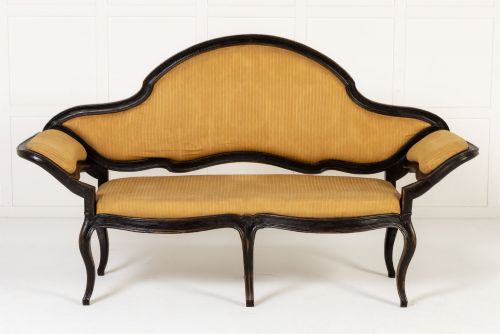
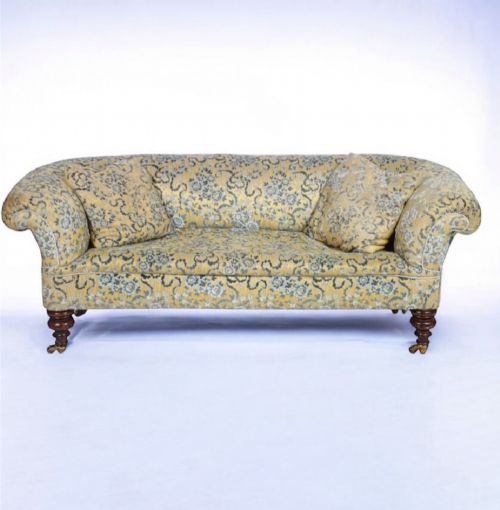
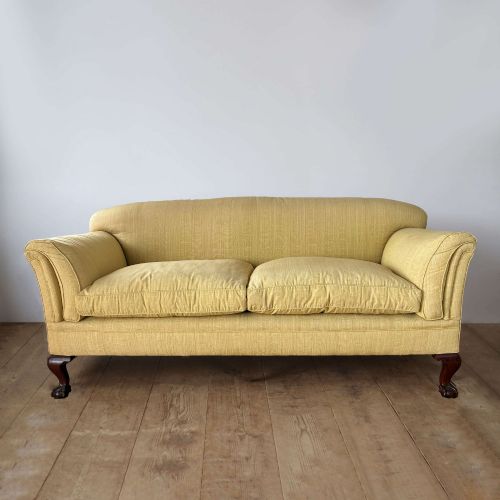
A yellow upholstered seat brings warmth and colour to a room, offering practical seating shaped by centuries of cabinet-making traditions.
Yellow Upholstered Seat
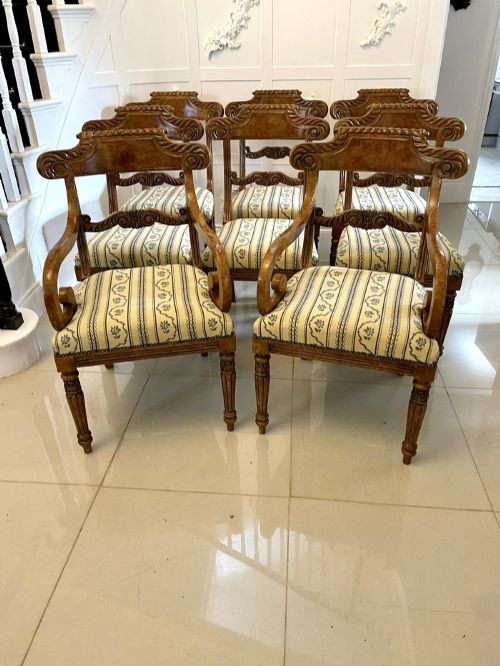
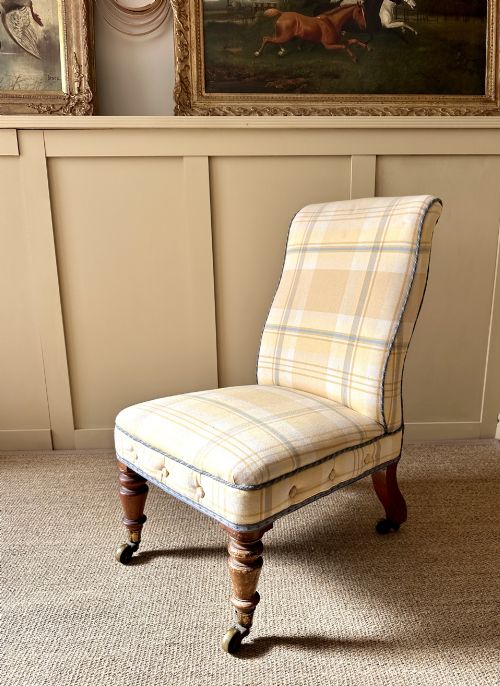
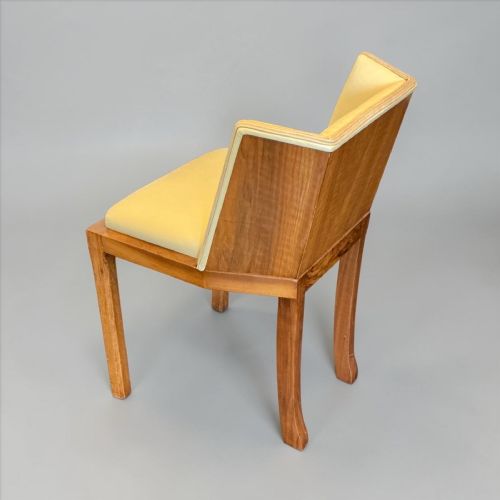
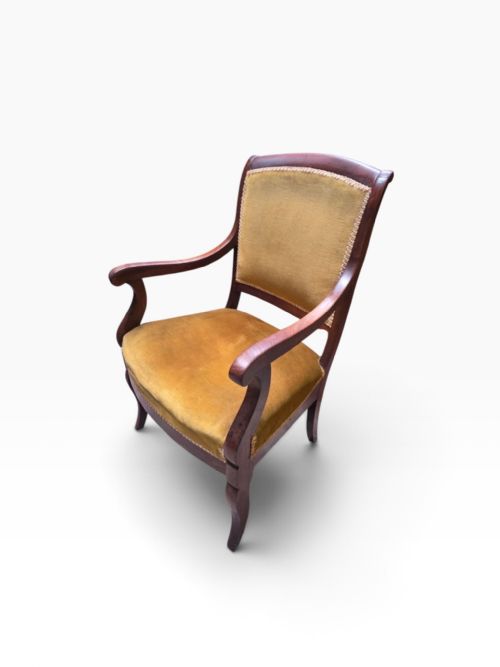
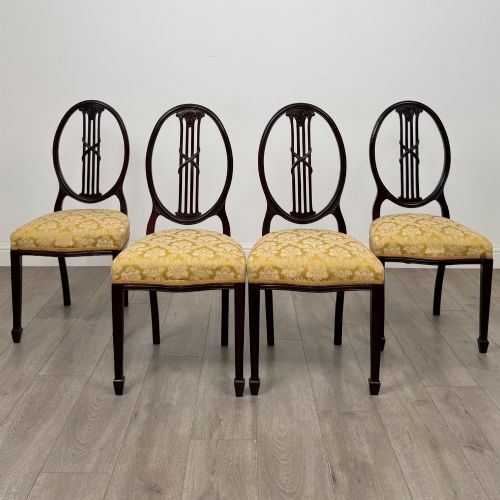
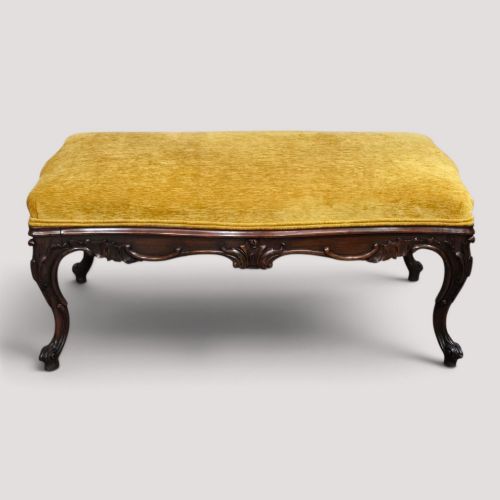
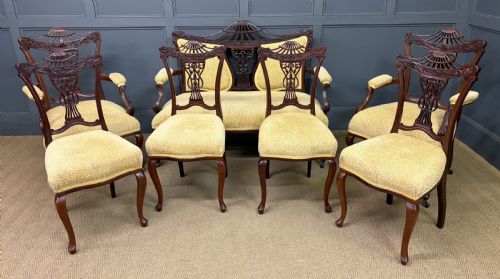
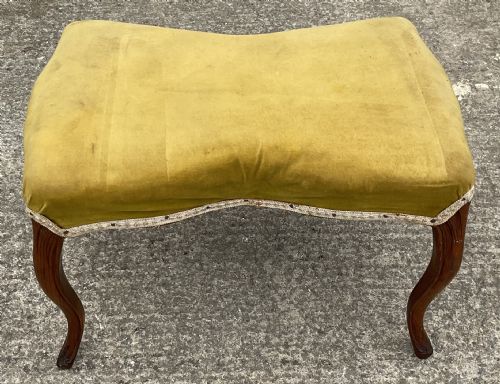
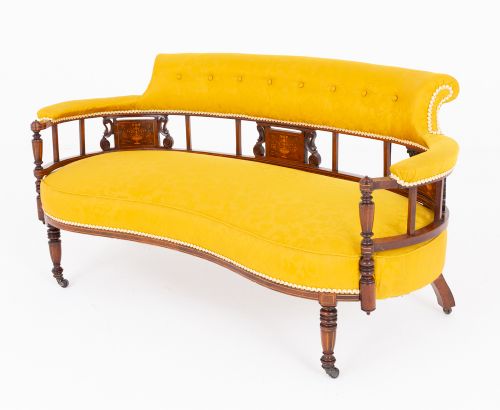
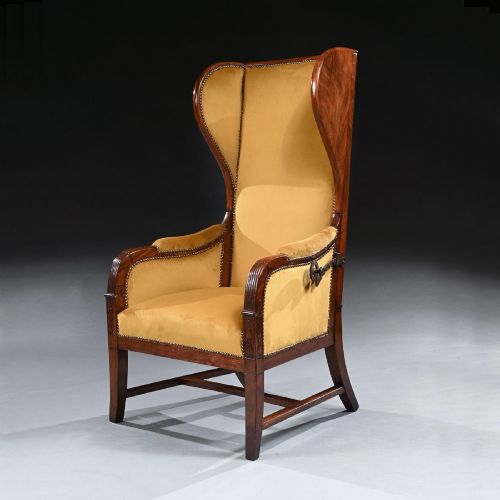
When you search for a yellow upholstered seat, you encounter a diverse selection of furniture types spanning multiple historical eras. The options range from single library armchairs and dressing table stools to large dining sets and multi-piece salon suites.
Victorian and Edwardian pieces dominate the selections, alongside earlier Georgian designs and revival styles. Timber frames in mahogany, walnut, and rosewood support the textile coverings, originating from British, French, and Italian workshops.
Materials and Construction
The structural frames rely on hardwoods such as mahogany, walnut, oak, and rosewood, shaped through traditional turning, carving, and joinery techniques. Wood surfaces often display polished grains, ebonised finishes, or painted and gilt details.
Textiles provide the visible upholstery surface, utilising fabrics like velvet, damask, silk, linen, and needlepoint panels. Traditional stuffing and interior webbing secure the padding within the wooden armchairs, sofas, and stools.
A solitary child's chair on a stand waits alongside full-sized library armchairs and multi-piece salon suites.
Craftsmanship and Proportion
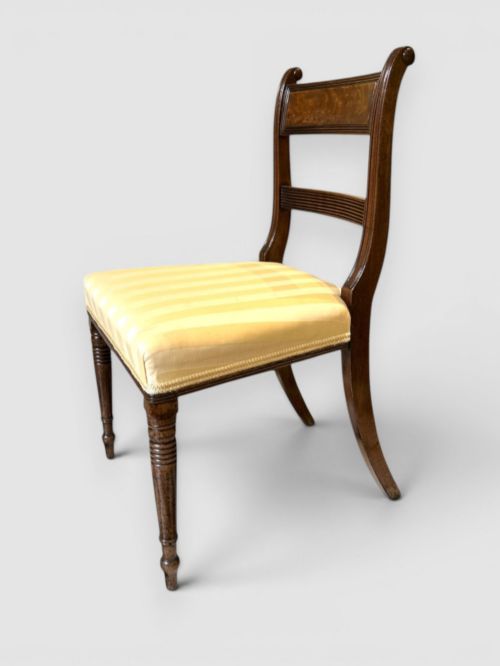
Quality rests in the crispness of the timber carving and the architectural balance of the frame, whether in delicate claw and ball feet or reeded legs. Superior examples maintain structural integrity without losing their intended proportions.
The standard of upholstery work dictates the finish, where careful tension and material selection match the character of the period frame. Timber choice, from standard mahogany to figured maple or satinwood, marks the distinction between standard and high-status pieces.
Blyth & Sons
The Yellow Upholstered Seat Glossary
- Salon suite
- A matching set of seating furniture designed for a formal drawing room, typically comprising a settee and multiple armchairs.
- Gondola chair
- An open armchair with a curved, concave backrest reminiscent of a Venetian boat, popular during the Regency period.
- Giltwood
- Timber coated with a thin layer of gold leaf or powder, frequently found on decorative French frames.
- Damask
- A reversible figured fabric woven on a jacquard loom, traditionally featuring patterns of fruit, flowers, or foliage.
- Balloon back
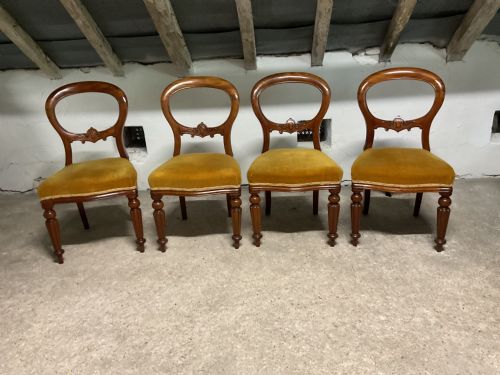
- A rounded, oval-shaped chair back resembling a hot air balloon, characteristic of Victorian dining chairs.
Yellow Upholstered Seat: Frequently Asked Questions
What periods do these seats come from?
The pieces span several centuries, originating primarily from the eighteenth, nineteenth, and early twentieth centuries. You will find items attributed to the Georgian, Regency, Victorian, and Edwardian eras.
Craftsmen across these periods utilised distinct regional styles, moving from heavy mahogany frames to lighter satinwood and painted French designs as fashions shifted over time.
Are these seats suitable for daily use?
Most antique seating is robust enough for daily domestic life when the wooden frame and internal webbing remain stable. Dining chairs and library armchairs were built for practical endurance.
Much depends on whether the upholstery has been restored or replaced recently. Delicate giltwood or antique silk pieces require more careful placement than sturdy mahogany dining sets.
How do I identify a Victorian piece?
Victorian seats frequently feature dark hardwoods like walnut and mahogany, often expressed in robust forms such as balloon back dining chairs or button-backed salon suites. The carving is typically deep and confident.
Details like turned legs, heavy frames, and rich textiles help distinguish this era from the lighter satinwood of the Edwardian period or the restrained geometry of Georgian design.
What wood types should I expect?
Mahogany is the most frequent timber found in these listings, used extensively for chairs, armchairs, and tables throughout the eighteenth and nineteenth centuries. Walnut and rosewood also appear regularly in polished finishes.
Less common timber choices include ebonised wood, oak in farmhouse contexts, and decorative variations like birds eye maple and satinwood.