


George III High Chair
A george iii high chair is a sturdy piece of domestic history that brings authentic Georgian proportion and practical craftsmanship into a modern room.
George III High Chair
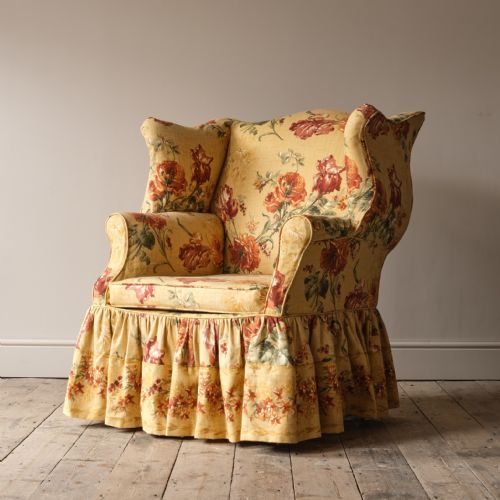
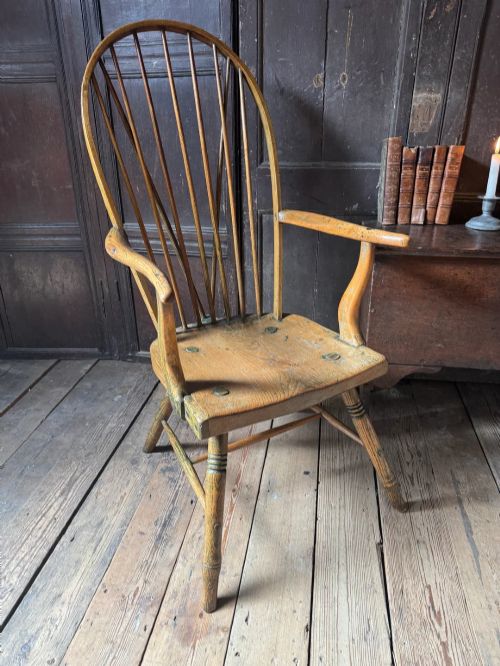
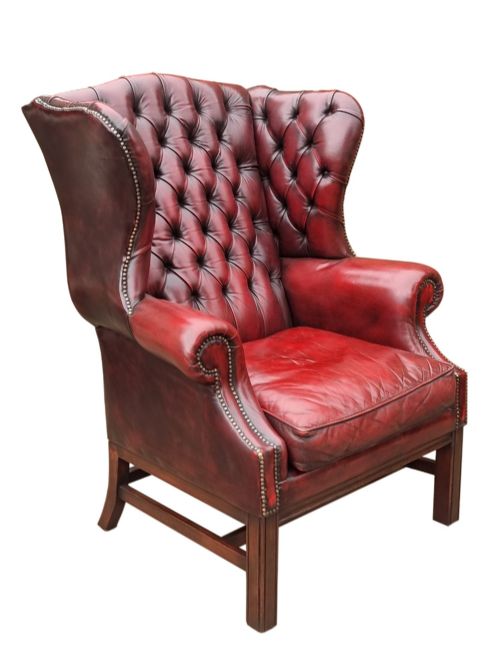
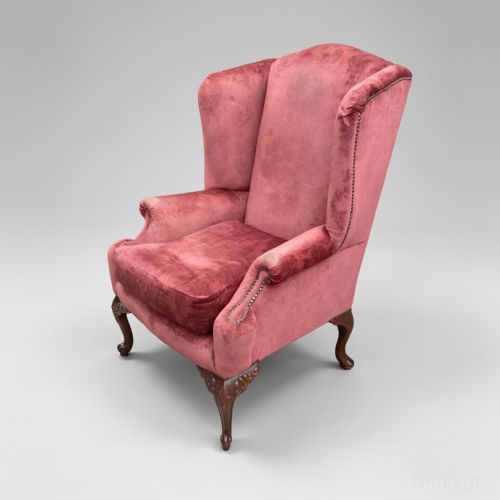
A george iii high chair encompasses traditional children's seating alongside robust adult Windsor and wingback seating from the late eighteenth century and later revival periods. Buyers seeking a george iii high chair find both genuine Georgian examples and twentieth-century interpretations designed with similar regional forms.
The selection ranges from dedicated child's chairs on stands to high-backed Windsor and wing armchairs in mahogany, elm, ash, and yew. These pieces combine domestic utility with the distinctive aesthetic of the Georgian era.
Regional variations appear frequently, including West Country hoop-back Windsors and Scottish Highlands laburnum chairs. Each form demonstrates how makers adapted standard seating heights and back designs for different household needs.
How they were made
Joiners and chairmakers utilised solid timbers such as mahogany, elm, ash, and yew, often combining woods within a single frame for structural strength. Windsor and high-back forms rely on turned spindles and bentwood hoops fitted securely into carved seats.
Upholstered variants incorporate traditional stuffing covered in fabrics including cotton chintz, leather, and damask, secured with brass detailing. Timber frames show pegged joints and hand-turned components typical of period workshop practice.
Listings feature periods spanning from the Georgian era through 1800 and 1870 up to 1930.
What varies in quality
Quality depends upon the selection of timber figures, such as figured elm or dense mahogany, and the crispness of turned spindles and legs. Original structural integrity and the retention of period elements distinguish superior examples from later replacements.
The finesse of the joinery in high-back Windsor hoops and the balance of child's chairs on their stands set the better examples apart. Finer pieces display careful regional shaping and harmonious proportions across backsplats and arms.
The George III High Chair Glossary
- Hoop-back
- A Windsor chair design where the back bow and arm rail are formed from a single continuous bent piece of timber. This technique provides both structural resilience and a clean silhouette.
- Damask
- A reversible figured fabric traditionally used for upholstery in rich patterns. It frequently appears on period wing armchairs.
- Gainsborough chair
- An open-arm armchair with a wide seat and upholstered back, popular during the eighteenth century. These chairs typically stand on square-section legs.
- Yew
- A dense, highly figured wood prized by chairmakers for its rich grain and strength. It is frequently seen in high-back Windsor seating.
George III High Chair: Frequently Asked Questions
Are these chairs meant for children?
Some pieces are purpose-built children's seating, including high chairs fitted to stands, while others are large adult armchairs associated with the period through style and form.
Buyers encounter both child-sized seating and full-scale wing or Windsor armchairs bearing Georgian characteristics within the same category.
How do I spot a later copy?
Twentieth-century revival pieces display machine-turned components and modern fixings that differ from eighteenth-century hand-tooling and pegged joints.
Examining the underside of the seat and the wear patterns on the timber helps distinguish period construction from later interpretations.
What woods were commonly used?
Makers utilised native timbers including elm, ash, yew, and laburnum alongside imported mahogany for formal frames.
Combinations of woods within a single chair, such as elm seats with ash spindles, are typical of regional Windsor construction.
How do I care for the upholstery?
Protect fabric and leather surfaces from direct sunlight and excessive heat to prevent fading and drying of the material.
Gentle dusting and professional cleaning suited to traditional textiles will maintain the condition of chintz and damask coverings.