



Yellow Portrait Painting
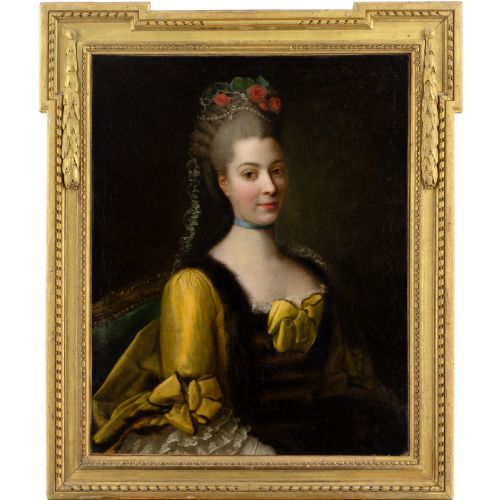
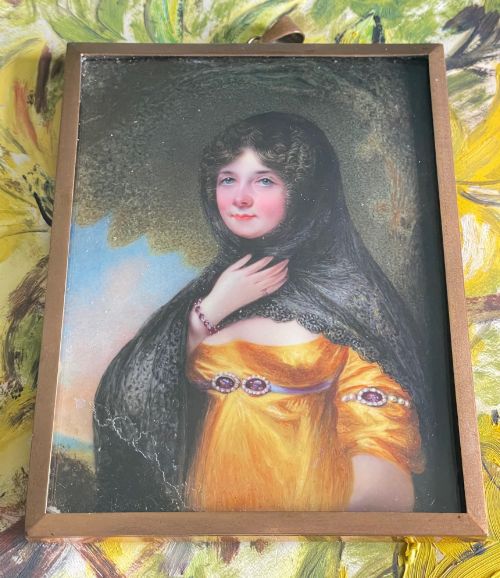
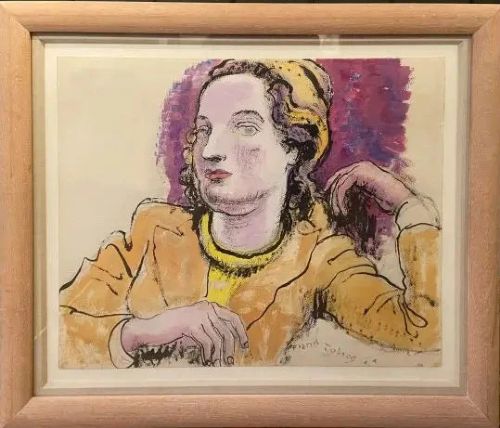
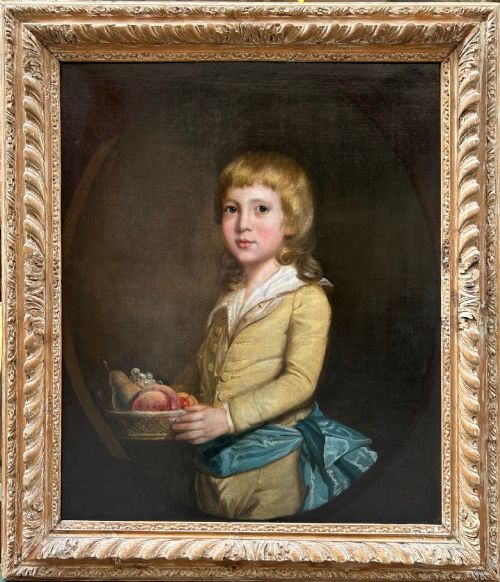
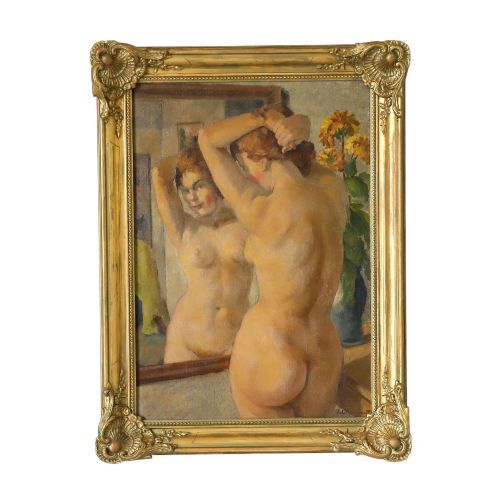
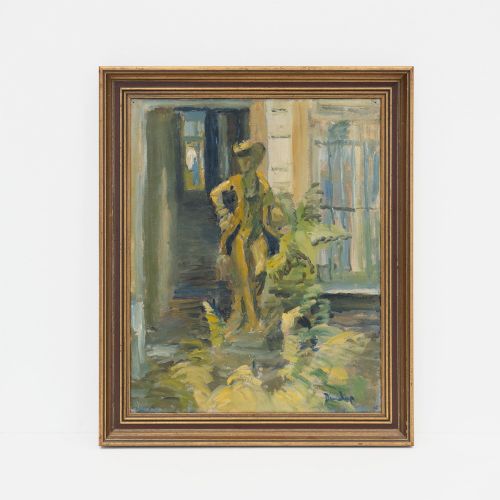
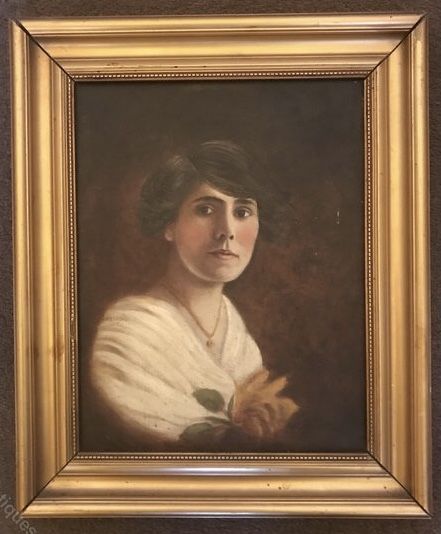
A yellow portrait painting captures a striking garment or background tone, ranging from Georgian oils to mid-century modern canvases.
Yellow Portrait Painting
A yellow portrait painting brings together historic depictions of sitters wearing yellow garments or set against warm ochre backdrops. Buyers searching this phrase encounter works spanning the eighteenth century through to the mid-twentieth century.
The selection includes large oil paintings on canvas alongside delicate portrait miniatures set in gold lockets or stick pins. Formats stretch from grand eighteenth-century French and English oils to twentieth-century gouache and pastel works.
The visual focus often rests on silk dresses, satin evening wear, or waistcoats rendered in various shades of yellow. These pieces combine portraiture with a distinct palette that enlivened historic interiors.
How they were made
Artists relied primarily on oil on canvas, applying pigments with brushwork that varied from tight academic precision to looser modernist strokes. Many works also utilise paper, pastel, enamel, and gouache mounted behind glass.
Support materials range from wooden panels and heavy woven canvas to card and paper sheets. Miniature portraits frequently incorporate gold mounts, glass covers, and delicate metal frames designed for pendants or lockets.
Listings feature works executed in oil on canvas, pastel, enamel, gouache, and glass across various centuries.
What varies in quality
The standard of execution in a yellow portrait painting depends on the confidence of the draughtsmanship and the handling of light on fabric. Superior works capture the shimmering texture of silk or satin through subtle tonal shifts rather than flat washes of colour.
Preservation of the original pigment and the integrity of the support material dictate the longevity of the piece. Works retaining their original gilt frames or gold settings demonstrate greater historical completeness.
Horace Hone·Frank Dobson·Thomas Beach·Philippe de Rougemont·Ronald Ossory Dunlop·John Raphael Smith·Pinchus Krémègne·Balthasar Denner·Gaston Bouy·Lucy Kemp-Welch·Sidney Riesenberg·Harry J. Pearson·John Russell·Jonathan Richardson the Elder·Jean Baptiste Discart·Sir Godfrey Kneller·Michael Dahl
The Yellow Portrait Painting Glossary
- Portrait miniature
- A small-scale painting executed on ivory, vellum, or card, often housed in a protective gold locket or pendant case.
- Reverse glass painting
- An artwork created by applying pigment directly to the rear side of a glass panel, viewed from the unpainted front.
- Gouache
- An opaque water-based paint medium that dries to a matte finish, frequently employed on paper for mid-century works.
- Pastel
- A dry medium composed of powdered pigment and a binder, used to build soft tonal layers on paper surfaces.
- Enamel
- A durable coloured glass paste fused to a metal base through high-temperature firing, common in Georgian miniature work.
Yellow Portrait Painting: Frequently Asked Questions
What periods do these paintings cover?
The selection spans from the late seventeenth century through the Georgian and Regency eras into the mid-twentieth century. Works reflect stylistic shifts from formal academic portraiture to mid-century modern abstraction.
Dates are recorded across the eighteenth, nineteenth, and twentieth centuries, showing continuous evolution in portrait techniques.
How were portrait miniatures worn?
Miniatures from the Georgian and Victorian periods were frequently constructed as gold pendants, lockets, or stick pins. Owners kept these intimate likenesses close to the body as personal tokens.
The metalwork often incorporates glass panels and fine chased gold frames designed for daily wear.
Are all these works oil paintings?
While oil on canvas forms a large part of the selection, the category includes pastels, gouache on paper, enamel, and reverse glass paintings. Each medium imparts a distinct surface texture and visual weight.
Support materials vary from heavy woven canvas to paper, card, and wood panels.
How do I identify the sitter's clothing style?
Garments such as satin evening dresses, silk mantles, and tailored waistcoats offer clear clues to the period of creation. Eighteenth-century gowns differ markedly from Regency tailoring or twentieth-century attire.
Detailed rendering of fabrics helps differentiate between historical eras and regional portrait schools.