
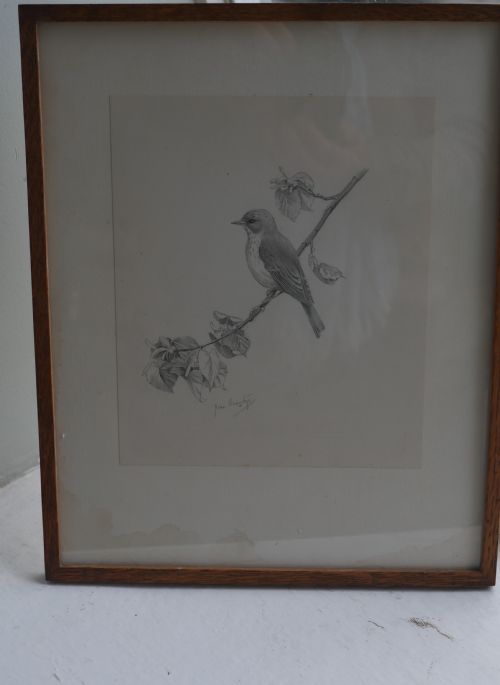


Natural Wood Framed Art
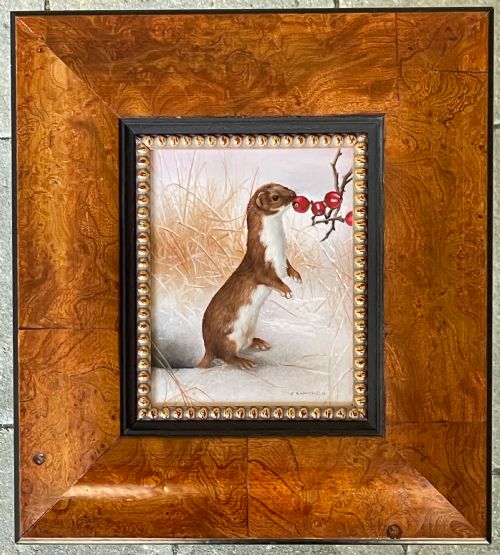
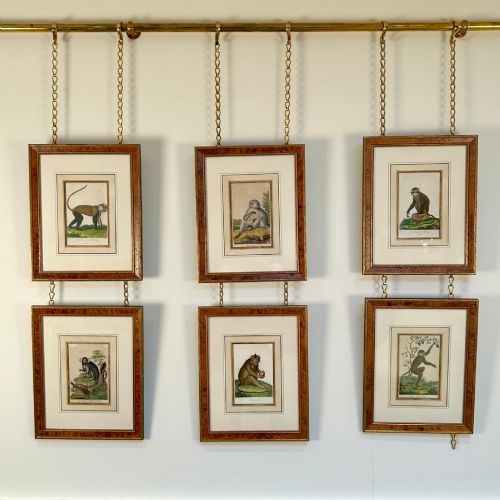
Natural wood framed art brings together historic botanical plates, bird studies and oils housed in timber surrounds for any interior.
Natural Wood Framed Art
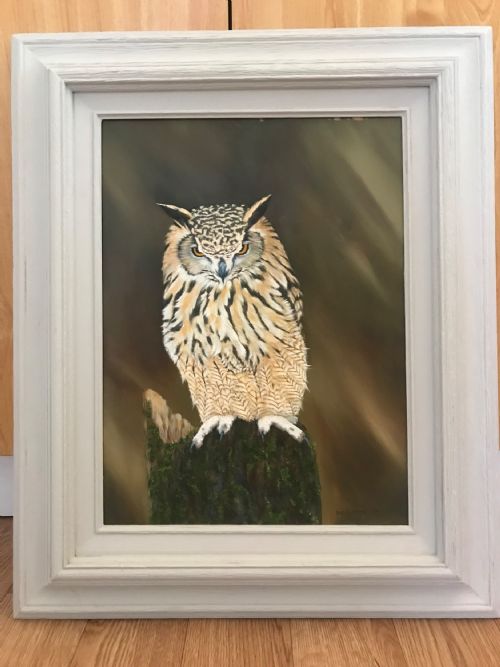
When you search for natural wood framed art, you encounter a selection spanning the eighteenth, nineteenth and twentieth centuries, including works from the Georgian, Victorian and Edwardian eras. The subjects focus predominantly on natural history, featuring botanical studies, ornithological engravings and animal portraits alongside oil paintings and dioramas.
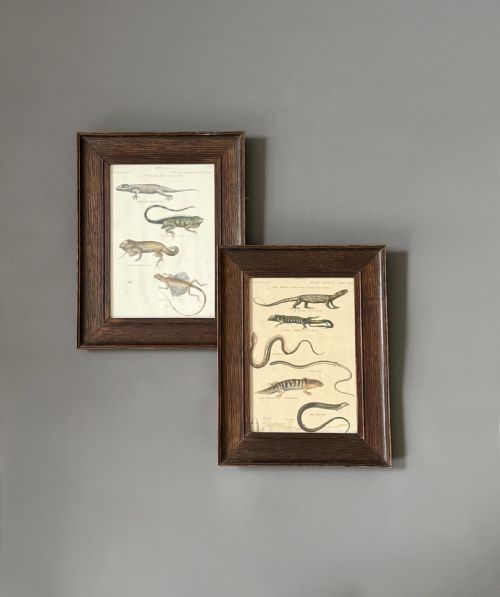
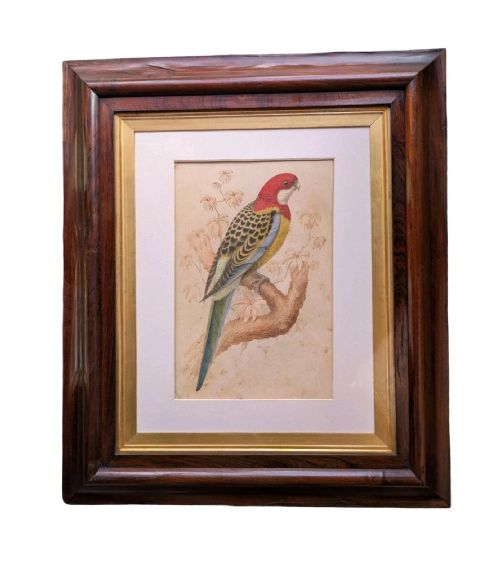
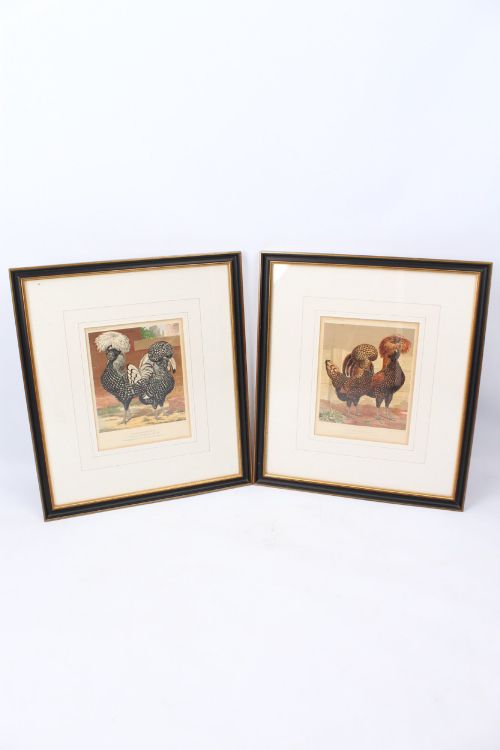
The objects most frequently met on this page include framed prints of birds, fish and reptiles, alongside hand-coloured engravings by naturalists and artists such as John Curtis and William Bird. These pieces combine documentary scientific illustration or fine art with period wooden surrounds, offering a direct window into historical approaches to the natural world.
Materials and Construction
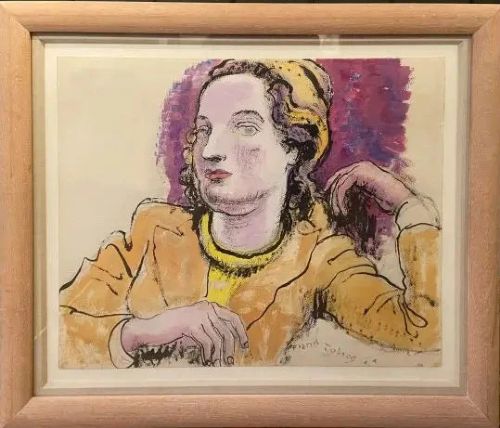
Techniques range from hand-coloured copperplate engravings and lithographs to watercolour and oil paintings on panel or canvas. Framed items frequently employ protective glass to preserve delicate paper surfaces, pencil drawings and cork dioramas against environmental wear.
Listings feature paper, glass, wood, gold leaf, ink, gouache, burr wood and brass.
Assessing Quality
Quality in these pieces rests upon the precision of the original draughtsmanship or painting, alongside the integrity of the natural wood frame. Hand-coloured botanical plates and detailed ornithological studies by named naturalists stand apart from unsigned decorative prints through their scientific accuracy and artistic execution.
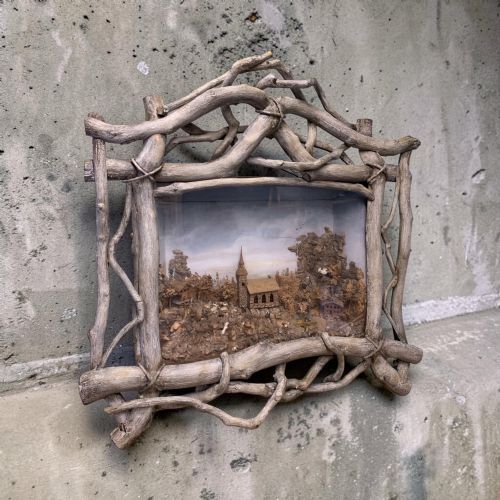
The sophistication of the timber framing, from simple mouldings to burr wood or twig surrounds and specialised mosaic picture frames, dictates the overall character of the piece. Preservation of the paper, pigment and protective glass also plays a central role in the standing of each artwork.
William Bird MD FLS·R. Hurst·Frank Dobson·Carl Whitfield·Jonathan Couch·Charles F. Tunnicliffe·John Curtis·Donald Watson
The Natural Wood Framed Art Glossary
- Engraving
- A printmaking technique where an image is incised into a metal plate, holding ink within the lines to transfer onto paper. These plates were frequently hand-coloured afterwards.
- Lithography
- A planographic printing process based on the repulsion of oil and water, enabling the reproduction of illustrations and prints.
- Diorama
- A three-dimensional scene, often incorporating natural materials like cork, shells and twigs displayed within a shadow box frame.
- Botanical
- An illustration or study dedicated to the accurate depiction of plants, flowers and associated insects.
- Tunbridge Ware
- A type of nineteenth-century decorative woodworking from Kent, featuring mosaic pictures assembled from thousands of tiny tinted wood blocks.
Natural Wood Framed Art: Frequently Asked Questions
What periods do these pieces date from?
The pieces span from the eighteenth century through the Victorian and Edwardian eras up to the mid-twentieth century. This range encompasses Georgian scientific plates alongside later modern British and folk art interpretations of nature.
Each era brings distinct framing styles and printing techniques, allowing collectors to trace the evolution of natural history illustration and woodworking traditions across multiple centuries.
How should I care for framed paper art?
Paper works, watercolours and engravings require protection from direct sunlight to prevent fading of the inks and hand-applied watercolours. Keeping them in stable humidity environments safeguards both the paper support and the timber frames.
Regular dusting of the glass and wooden surrounds helps maintain the condition of the piece without risking moisture damage to the historic materials inside.
What subjects are most common?
Ornithological studies of birds, botanical engravings of plants with insects, and animal portraits form the core subjects. You will also find landscape watercolours, ecclesiastical church tracery panels and detailed shell or cork dioramas.
These subjects reflect a historical fascination with natural history, rural life and scientific classification that dominated interior decoration across the nineteenth century.
Are the frames original to the artwork?
Many items retain their period wooden frames, ranging from simple nineteenth-century mouldings to specialised burr wood and mosaic picture frames. Some pieces pair antique prints with sympathetic timber surrounds chosen to complement the natural history theme.
Examining the backboards, fixings and timber ageing helps determine whether the frame has kept company with the artwork since its creation.