




Modern British Drawing
Modern British drawing captures the essence of twentieth-century artistic expression through direct, evocative works on paper.
Modern British Drawing
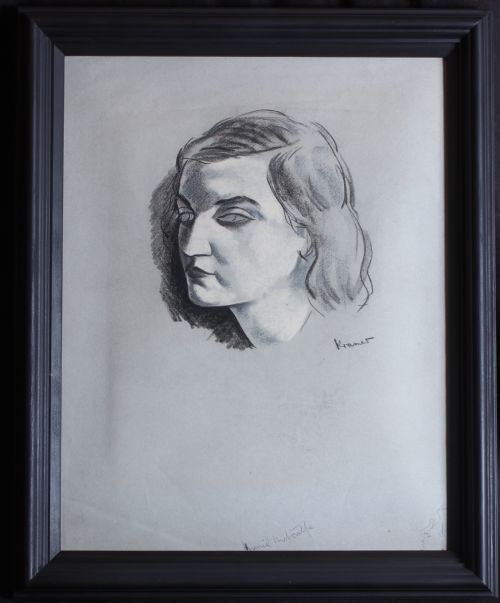
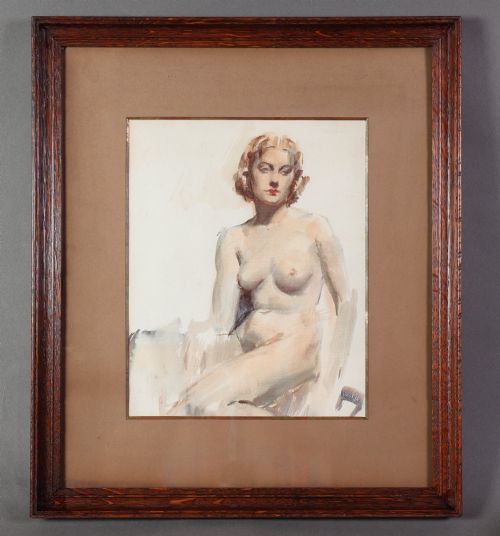
A modern british drawing brings together original works on paper produced across the early decades of the twentieth century, spanning landscapes, portraits, and figure studies. You will frequently encounter framed watercolours, ink sketches, and pastel compositions representing mid-century modern and early twentieth-century British art.
How they were made
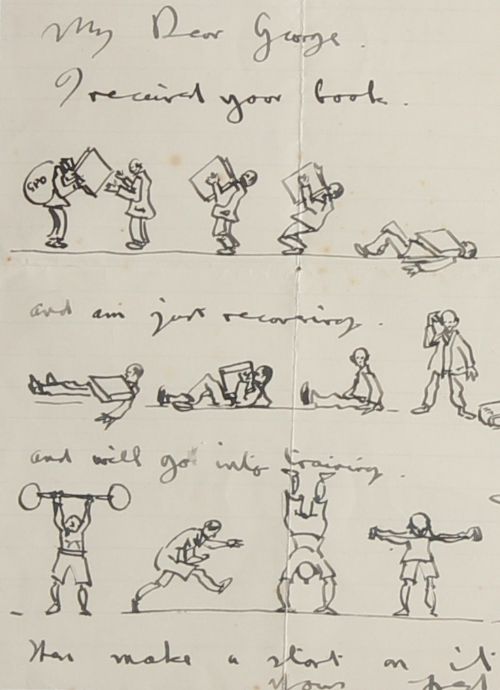
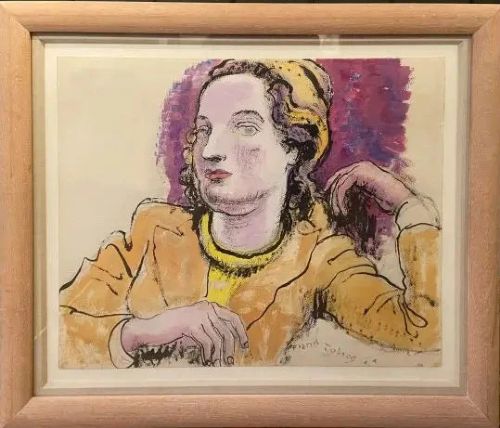
Artists created these works utilising a foundation of paper, applying ink, graphite pencil, or charcoal to establish form and line. Watercolour, gouache, and pastel were frequently layered over these initial marks to introduce colour and tonal depth.
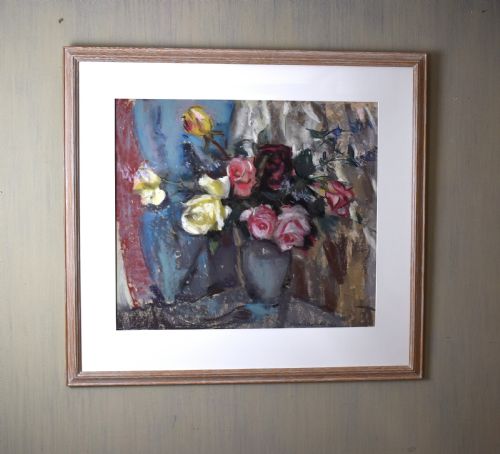
Framed behind glass with wood surrounds, these pieces preserved delicate media such as pastel and watercolour against environmental wear. The combination of simple drawing materials on paper allowed artists to record rapid observations and finished compositions alike.
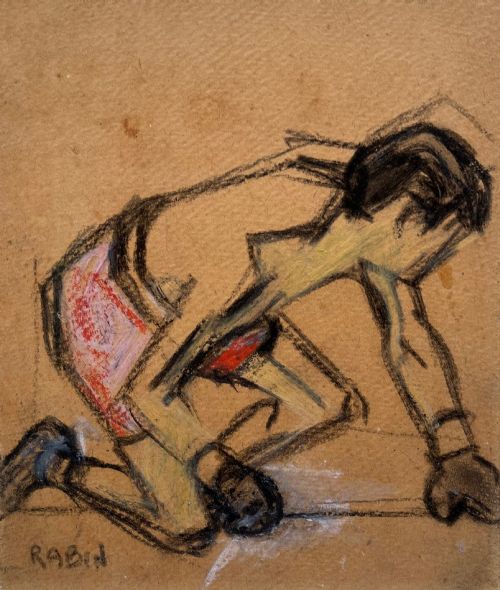
Clowns and ballet dancers share drawing space with wartime fruit bowls and industrial street scenes across these pages.
What varies in quality
Quality rests upon the sureness of the draughtsmanship and the directness with which the artist captured the subject, whether a portrait, a landscape, or a figure study. Works that demonstrate confident handling of ink, pencil, or watercolour stand apart from hesitant exercises.
The preservation of the paper surface and the integrity of the media, free from heavy fading or foxing, influence the visual impact of each piece. Framed presentation with appropriate glass protection further distinguishes works that retain their original immediacy.
Fred Lawson·Frank Dobson·James Stroudley·Samuel Rabin·Dame Elisabeth Frink·James Tower·John Merrifield·Arthur Todd·Lucien Freud·Lawrence Stephen Lowry·Lena M Alexander·Dame Laura Knight·Sonia Lawson
The Modern British Drawing Glossary
- Watercolour
- A paint consisting of pigment suspended in a water-based solution, applied to paper to create transparent washes of colour.
- Gouache
- An opaque water-based paint that provides solid areas of colour and highlights when layered over pencil or ink drawings.
- Pastel
- A dry drawing medium composed of powdered pigment and a binder, producing velvety marks that blend directly on the paper surface.
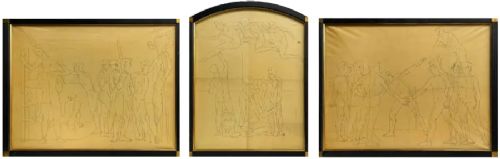
- Triptych
- A work of art divided into three distinct sections or panels, presenting a connected narrative or composition.
- Lithograph
- A printmaking process based on the incompatibility of oil and water, sometimes used as a base layer for subsequent pastel work.
Modern British Drawing: Frequently Asked Questions
What defines a modern british drawing?
These works comprise original art on paper created by British artists during the twentieth century, encompassing styles from early twentieth-century realism to mid-century modernism.
The selection includes sketches, finished watercolours, and pastel studies that record landscapes, portraits, and figurative subjects.
How should I display works on paper?
Works executed on paper require framing behind protective glass to shield the delicate media from dust, moisture, and handling.
Positioning pieces away from direct sunlight prevents the fading of watercolours, inks, and pastel pigments over time.
What materials are commonly used?
Artists relied primarily on paper supports combined with ink, graphite pencil, charcoal, watercolour, gouache, and pastel.
Most examples are presented within wood frames, often protected by glass to preserve the fragile drawing surfaces.
How do I identify different periods?
Dating relies on stylistic markers associated with specific decades, ranging from the linear precision of the 1920s to wartime compositions of the 1940s and mid-century abstracts.
Signatures, dates inscribed by the artist, and framing techniques often provide further chronological context.