
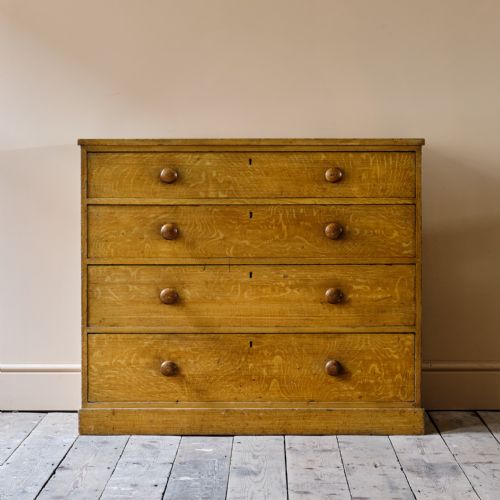


Yellow Painted Chest
A yellow painted chest brings character and colour to a room, offering practical storage through traditional pine and painted wood surfaces.
Yellow Painted Chest
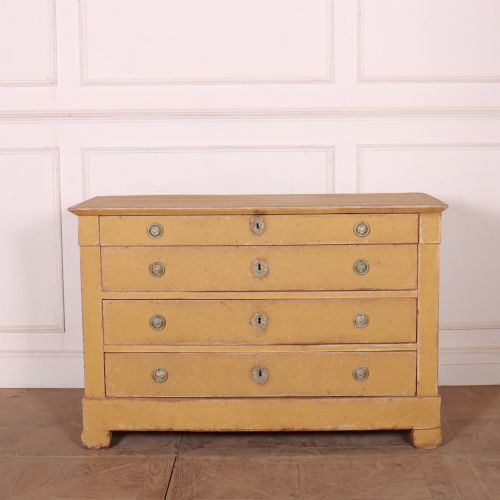
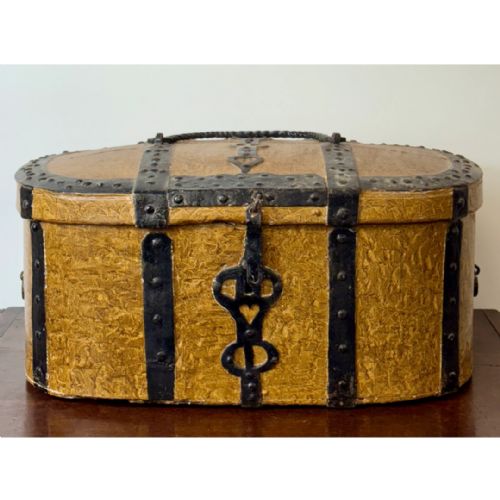
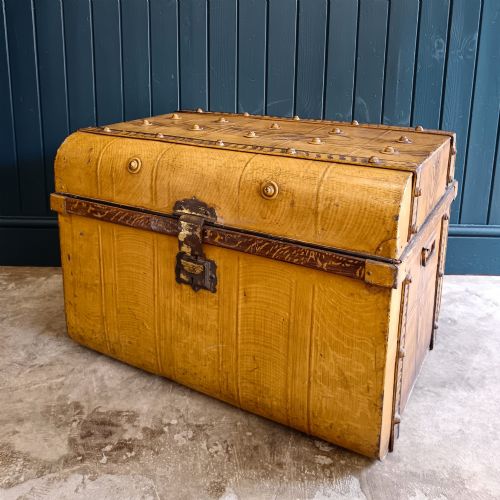
A yellow painted chest encompasses a variety of storage forms, from Victorian pine chests of drawers to 18th-century Swedish folk art trunks and log bins. These pieces serve as functional furniture while introducing distinct regional styles and painted surfaces into interior spaces.
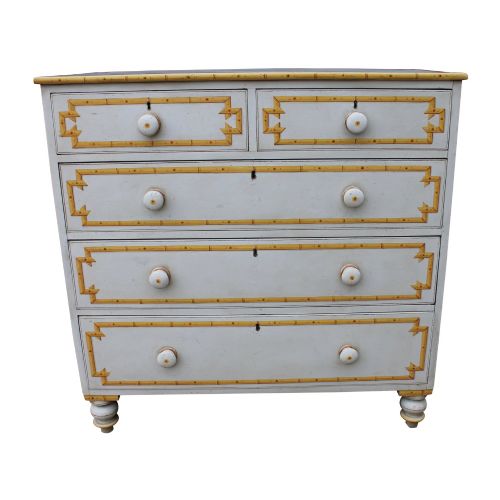
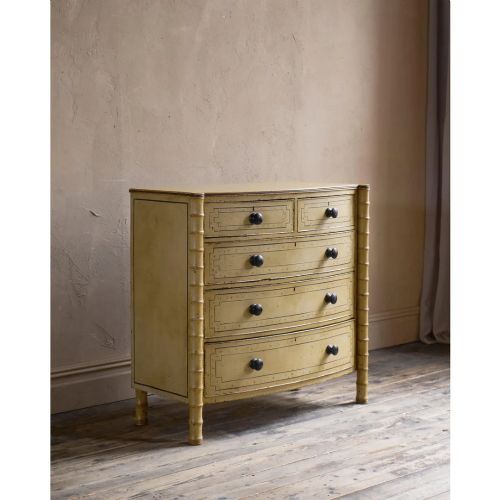
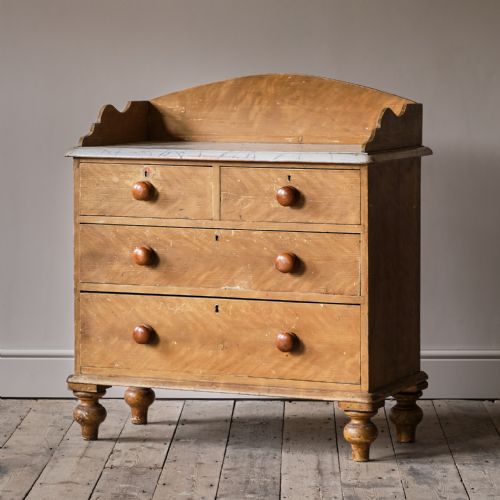
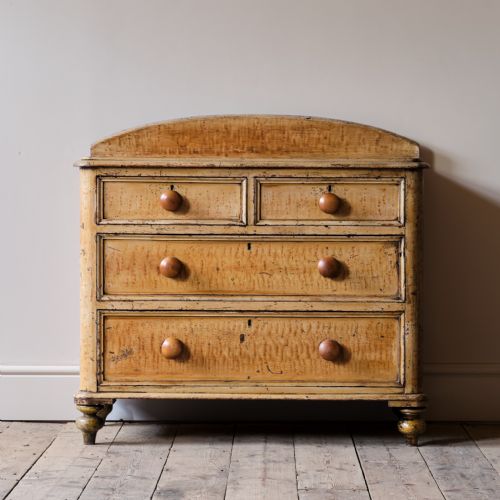
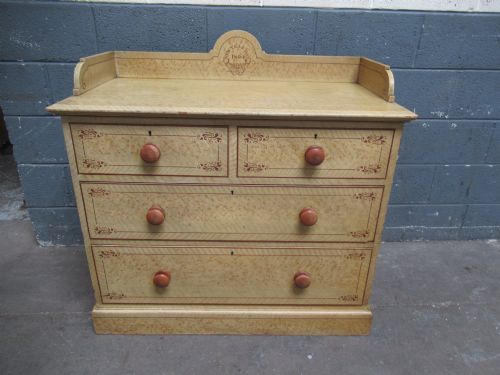
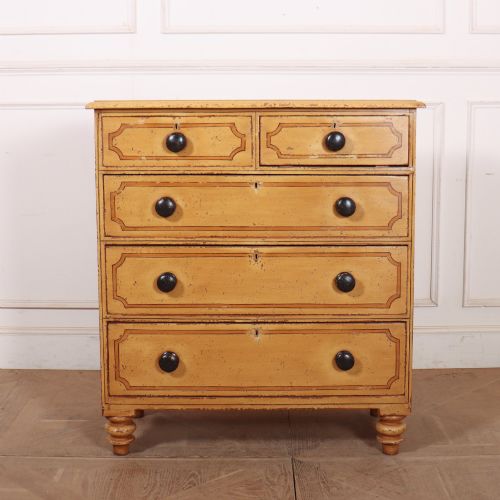
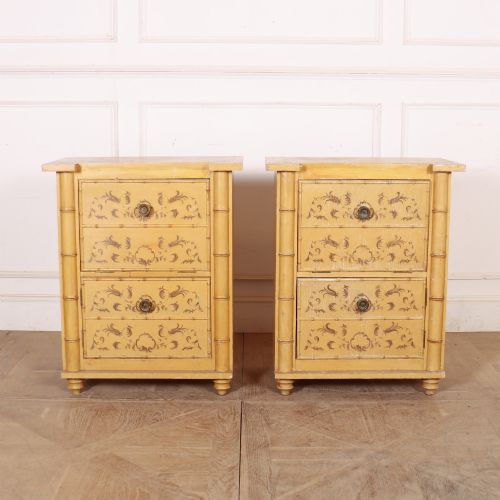
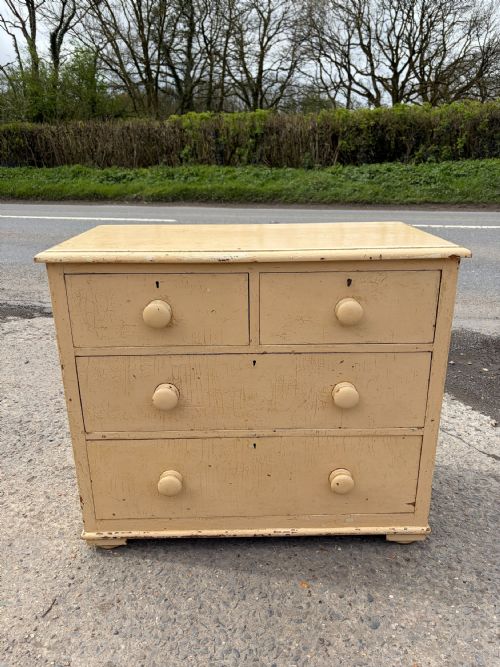
Buyers are most likely to encounter 19th-century and Victorian pine chests finished in original paint, scumble, or faux bamboo effects. English country pieces and Scandinavian country items form the core of the selection available on this page.
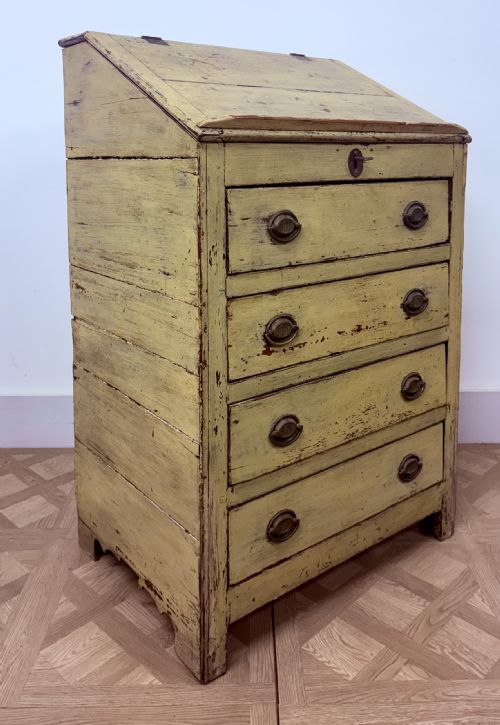
The category extends beyond standard drawers to include commodes, bedside tables, writing desks, and primitive coffers. Each variant displays the specific utilitarian purpose and decorative traditions of its period.
How they were made
Makers utilised solid pine and wood as the primary structural materials, occasionally incorporating brass and iron for hardware or sheet metal and steel for heavy trunks. Joinery relies on traditional carpentry techniques suited to utilitarian furniture and regional craftsmanship.
Surfaces received layers of paint, often including specialised decorative treatments like scumble glaze, faux-wood effects, faux bamboo carving, and japanning. These original painted finishes define the visual identity of the pieces and survive through careful preservation over the centuries.
Yellow Painted Chest Retail Price Guide 2026
Typical asking prices for yellow painted chest among the pieces listed under this phrase on Sellingantiques today, from the lower quarter to the upper quarter. They describe what is for sale here now, not the wider market.
Even a humble log bin received artistic attention when painted in rural Sweden.
What varies in quality
The distinction between tiers rests upon the integrity of the original painted surface and the refinement of the decorative finish. Pieces retaining untouched scumble, folk art detailing, or sophisticated faux-wood graining command greater interest than those with later repainting.
Construction standards also separate standard utilitarian storage from finer cabinet work, seen in the balance of proportions, the execution of faux bamboo mouldings, and the preservation of original brass or iron fittings.
The Yellow Painted Chest Glossary
- Scumble paint
- A decorative technique involving a translucent top layer dragged or combed over a lighter base to simulate wood grain or texture. This finish appears frequently on country house furniture from the nineteenth century.
- Faux bamboo
- Carved or turned wood shaped to imitate natural bamboo stalks. Makers applied this style to chests of drawers and bedside cabinets during the nineteenth century.
- Japanning
- A European imitation of East Asian lacquer work using resin-based varnishes and paints. It produces a glossy decorative surface found on select chests and cabinets.
- Commode
- A low chest of drawers or cabinet originating from French furniture forms. These pieces often feature painted decoration and fine proportions.
- Coffer
- A heavy wooden chest traditionally used for storing valuables or household goods. Primitive examples often display simple plank construction and original paint.
Yellow Painted Chest: Frequently Asked Questions
How do I care for original paint?
Keep painted furniture away from direct sunlight and excessive moisture to protect the historic surface. Dust gently with a dry cloth without using harsh chemical cleaners.
Preserving the original patina involves maintaining stable indoor temperatures. Wax polishes should be applied with caution depending on the finish type.
Are these chests suitable for daily use?
Most pine chests and trunks remain sturdy enough for contemporary storage needs in bedrooms or living areas. The drawers and lids function much as they did originally.
Care should be taken not to overload antique drawer runners or expose surfaces to damp items. Gentle handling ensures the longevity of older joints.
What is scumble glaze?
Scumble glaze is a semi-opaque finishing method where a darker pigment is manipulated over a pale ground. This creates mottled patterns that mimic richer timbers.
Victorian makers used this technique extensively on utility furniture to add decorative warmth. The resulting finish wears distinctively over time.
How do I identify a Swedish painted piece?
Swedish pieces often feature specific regional colour palettes, pale woods, and distinct folk art motifs. Their proportions tend to reflect Scandinavian country traditions.
Construction details and specific paint application styles further distinguish these items from English equivalents. Log bins and trunks frequently showcase these northern characteristics.