


Yellow Painted Chest Drawers
Yellow painted chest drawers bring a vibrant country character to interiors, offering practical storage finished in bright decorative coats.
Yellow Painted Chest Drawers
When you search for yellow painted chest drawers, you encounter storage furniture ranging from vernacular country pieces to refined Georgian and Regency examples. These items include standard chests of drawers, dressing chests, and bureaux.
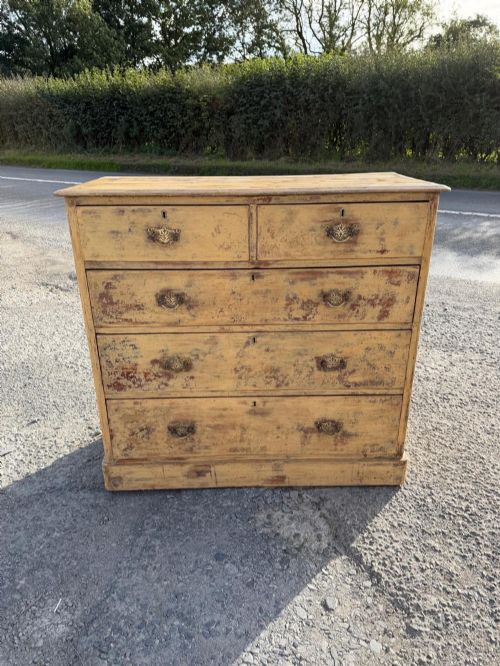
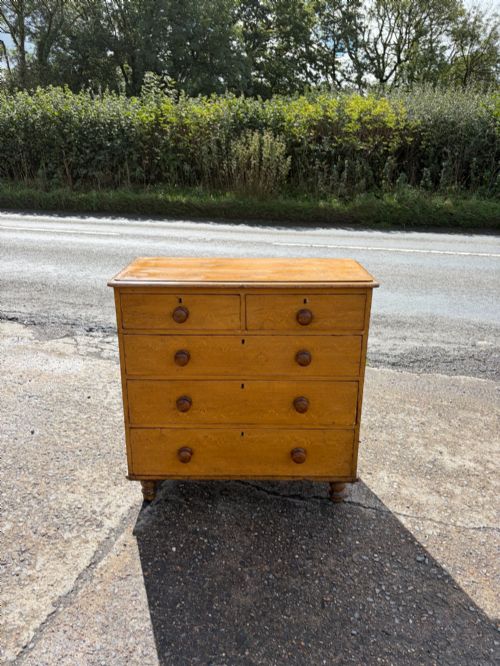
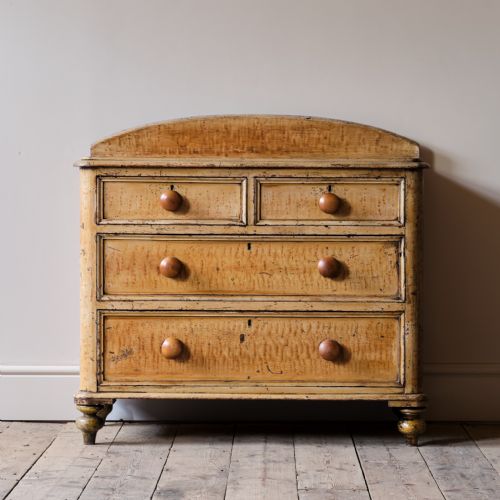
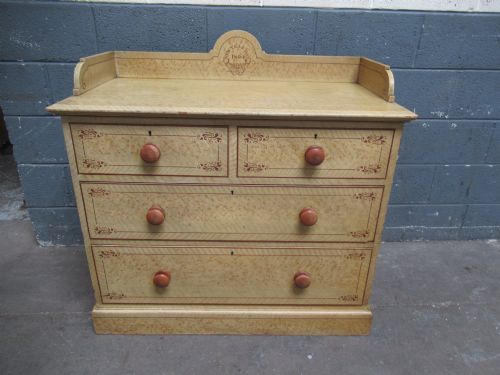
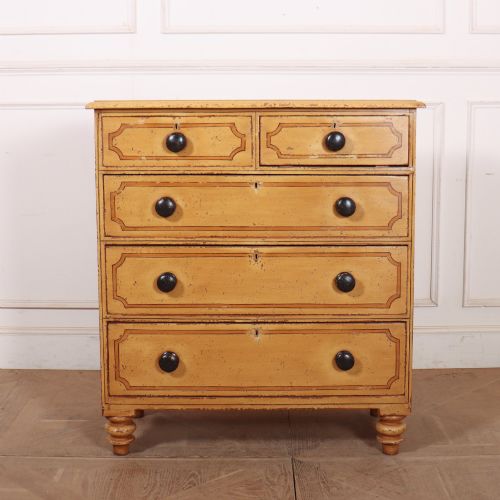
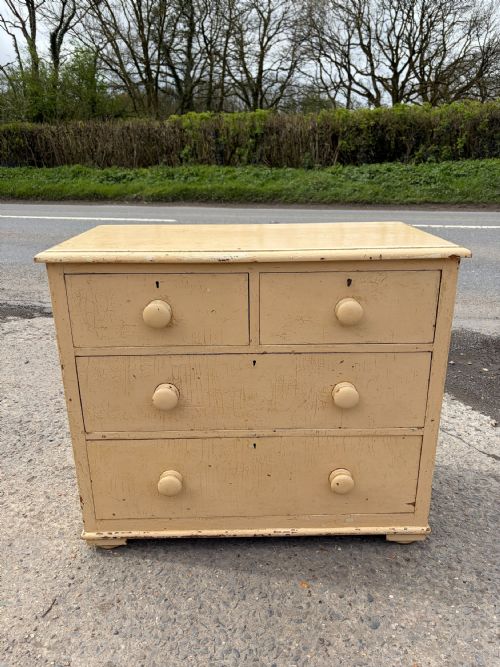
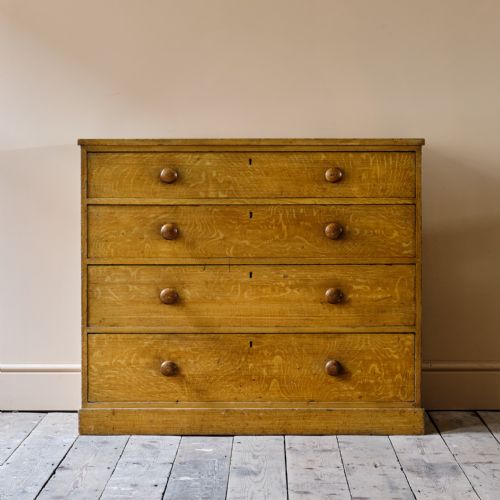
The version you are most likely to meet on this page is the 19th-century pine chest of drawers, often featuring original or country house paint. Softwood and timber constructions dominate the selection, spanning periods from the 18th century through to the 1920s.
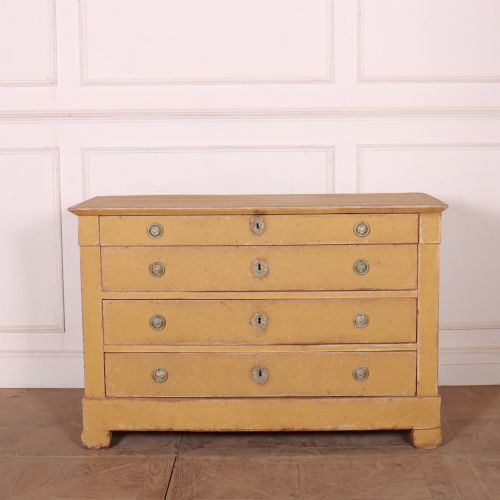
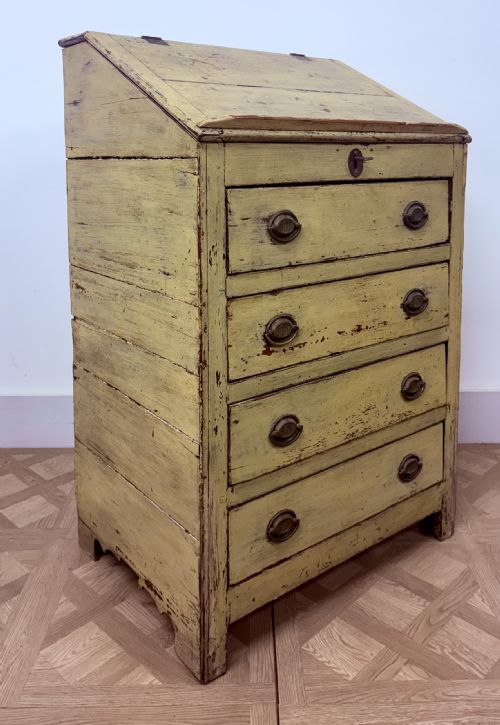
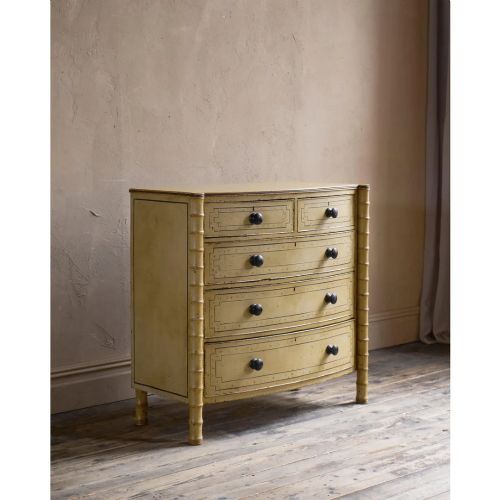
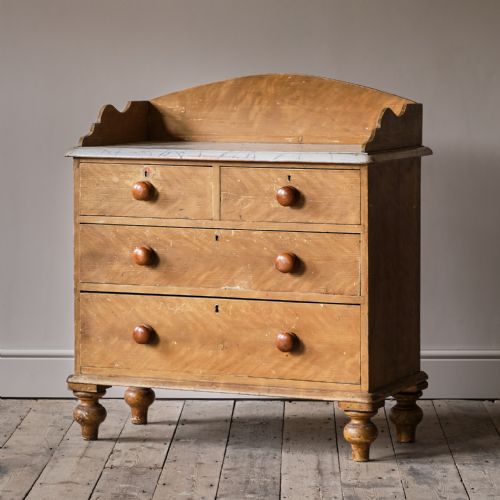
Regional styles vary widely across the inventory, encompassing English country, French provincial, and Swedish designs. Some items incorporate specialised forms such as writing slopes, washstands, or faux bamboo detailing.
Materials and construction
Carpenters constructed these pieces primarily using pine, softwood, and timber, assembling carcases with traditional joinery methods suited to domestic utility. Drawers commonly employ dovetailed joints to withstand daily use over generations.
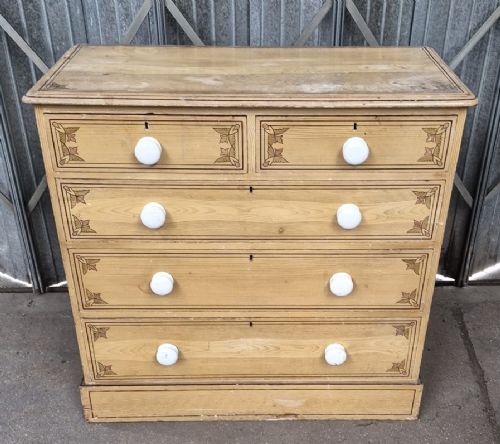
Surfaces received decorative treatments including scumble glaze, Japanning, Chinoiserie, and hand-applied paint layers. Iron and brass hardware such as drop handles and keyplates completed the fittings.
Yellow Painted Chest Drawers Retail Price Guide 2026
Typical asking prices for yellow painted chest drawers among the pieces listed under this phrase on Sellingantiques today, from the lower quarter to the upper quarter. They describe what is for sale here now, not the wider market.
One piece combines a dressing table with a chest of drawers, proving that compact multi-tasking furniture is far from a modern invention.
Evaluating quality and condition
The standard of a piece rests heavily on the preservation of its original surface finish and the integrity of the timber beneath. Retained scumble glaze, early paint layers, and untouched hardware elevate an item above later re-paintings.
Proportion and structural soundness distinguish superior examples, particularly in how drawers operate and how cleanly the decorative motifs are executed. Regional variations in cabinetmaking skill also create distinct tiers of refinement.
The Yellow Painted Chest Drawers Glossary
- Scumble
- A translucent glaze applied over a base colour and manipulated with combs or rags to simulate grain. This technique was popular in country houses for decorating pine furniture.
- Japanning
- A European imitation of East Asian lacquerwork involving layered varnishes and often decorative motifs. It appears on more decorative 1920s pieces.
- Faux bamboo
- Wood turned and carved to imitate natural bamboo stalks. This decorative style surfaces on 19th-century Regency and Victorian furniture.
- Commode
- A low chest of drawers or cabinet originating in France. These pieces often feature provincial painted finishes.
- Bowfront
- A cabinet front that curves outward in a convex shape. This form appears on select Georgian examples.
Yellow Painted Chest Drawers: Frequently Asked Questions
What periods do these painted chests come from?
The pieces span from the 18th century up to the 1920s, with a strong representation of 19th-century Victorian and Georgian examples.
Makers utilised traditional timbers like pine and softwood across all these eras, applying various decorative paint finishes appropriate to their time.
Are the paint finishes original?
Many listings specify original paint, scumble glaze, or country house finishes applied decades or centuries ago. Surface treatments range from simple hand-applied colours to complex Japanning and faux bamboo detailing.
Examining the wear patterns helps distinguish untouched early surfaces from later decorative interventions.
What wood lies beneath the paint?
Carpenters predominantly built these items using pine, softwood, and general timber. These woods provided a stable canvas for the various painted, scumbled, and glazed finishes.
Construction methods typically involved solid timber boards and dovetailed drawer boxes.
Where were these pieces made?
Origin locations vary across the inventory, including English, French, Italian, and Swedish workshops. Each region contributed distinct stylistic touches, from provincial commodes to English country washstand chests.
Regional cabinetmakers adapted standard forms to local aesthetic preferences and available domestic timbers.