
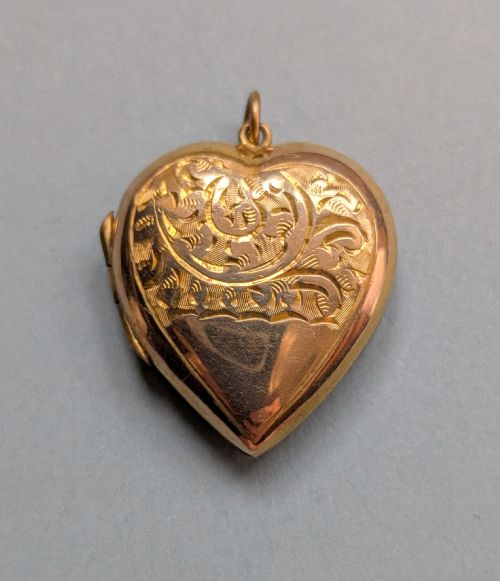


Yellow Gold Photo Locket
A yellow gold photo locket carries miniature portraits close to the heart, combining personal history with enduring precious metal.
Yellow Gold Photo Locket
A yellow gold photo locket is a hinged pendant designed to hold portraits, hair, or small mementos inside a secure precious metal case. You will most frequently encounter Victorian, Edwardian, and mid-twentieth-century pieces on this page, spanning both 9ct and 18ct yellow gold constructions.
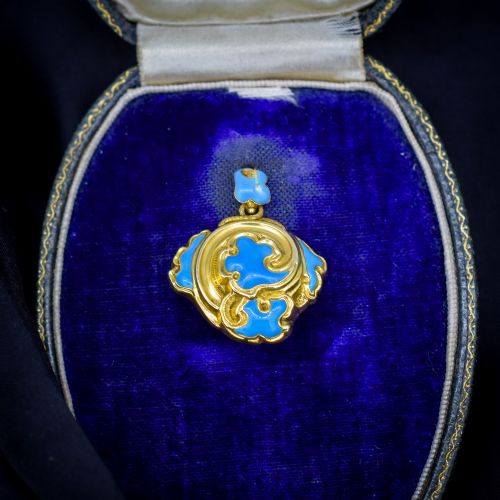
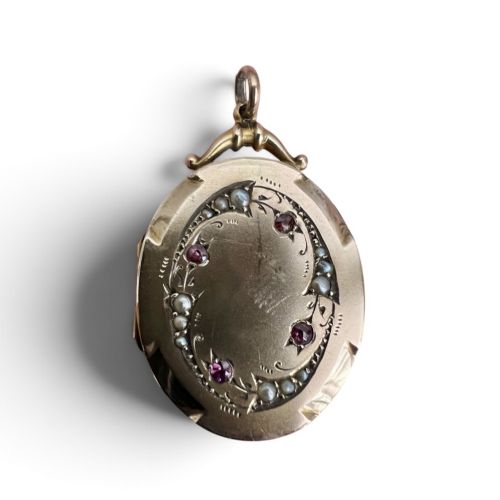
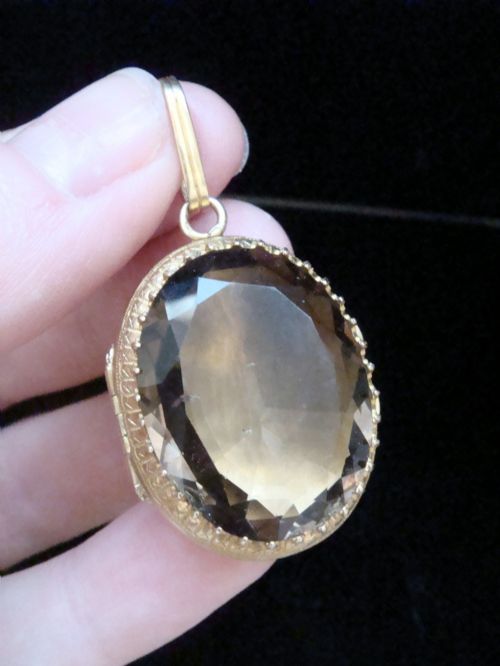
The silhouettes vary from simple round and heart shapes to ornate book forms, pocket watch styles, and intricate floral or star motifs. Many examples incorporate glass panels for framing miniature photographs or intricate hairwork.
Origins stretch across British and French workshops, encompassing periods from the Georgian era through the Belle Epoque and up to the 1950s. These pieces function simultaneously as personal keepsakes and fine jewellery items.
Materials and construction
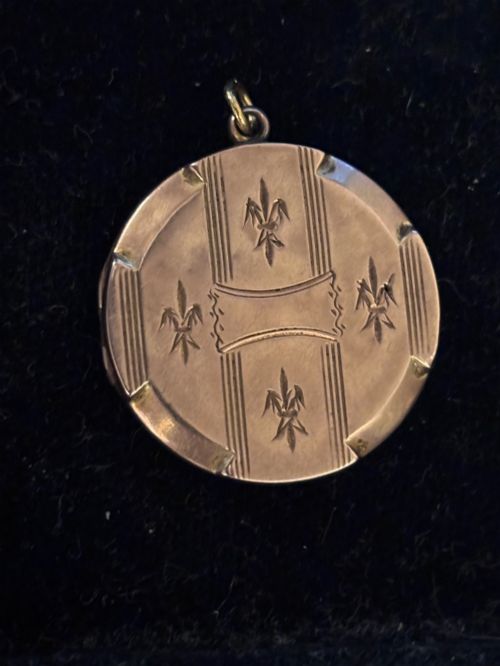
Makers utilised 9ct, 15ct, and 18ct yellow gold alongside rolled gold options, shaping the metal through engraving, engine-turning, and repoussé techniques. Many pieces feature hinged bezels and internal glass frames designed to protect delicate paper photographs.
Surface ornamentation frequently includes turquoise, pearl, enamel, diamond, ruby, and sapphire set into the yellow gold body. Some variations incorporate painted miniatures or detailed swallow bird and flower basket engravings.
Listings feature yellow gold photo lockets spanning from Georgian and Victorian eras through to the 1950s.
Craftsmanship and materials
The distinction between standard items and superior examples lies in the weight and purity of the gold, alongside the complexity of the hand-engraving or engine-turned detail. High-carat 18ct gold pieces with well-executed gemstone settings or polychrome enamel represent the upper tier of execution.
Internal condition matters greatly, including the presence of original glass covers, functional hinges, and tight snap closures that secure the photographs safely. The fineness of miniature hand-painting or precise gemstone placement further elevates the standard of the piece.
The Yellow Gold Photo Locket Glossary
- Back and front
- A construction method where the exterior plates are made of solid gold while the interior mechanism and linings utilise a base metal or secondary material for structural support.
- Engine-turned
- A geometric pattern mechanically engraved into the yellow gold surface using a rose engine lathe, creating repetitive lines and textures.
- Mourning locket
- A piece created to commemorate a deceased person, often featuring black enamel, seed pearls, or compartments containing woven human hair.
- Repoussé
- A metalworking technique where the yellow gold is hammered from the reverse side to form a raised, ornate design in relief on the front.
- Rolled gold
- A material formed by bonding a thin sheet of gold to a base metal core under heat and pressure, offering the appearance of solid gold.
Yellow Gold Photo Locket: Frequently Asked Questions
How do I open an old locket?
Most lockets utilise a small thumbnail notch along the side seam to release the internal spring or friction fit. One should apply gentle pressure with a fingernail rather than metal tools to avoid damaging the antique hinge.
If the piece resists opening due to accumulated dirt or aged metal, professional cleaning by a jeweller prevents the gold from warping.
Can I put modern photos inside?
Original inserts often accommodated trimmed paper prints or painted miniatures rather than standard modern photograph sizes. One can carefully measure the interior bezel and trim contemporary prints to fit the specific shape.
Securing the photograph usually involves slipping the paper behind the original glass panel or the internal gold frame rim.
What does back and front mean?
This term indicates that the outer display plates of the locket consist of precious yellow gold, while the internal frames and structural components use a different metal. This method provided the visual appeal of solid gold while keeping the item lighter and more accessible.
Buyers often find this stamp on Victorian and Edwardian pieces designed for daily wear.
How do I clean antique gold?
Gentle maintenance involves warm water, a mild soap solution, and a soft brush to remove dust from engraved crevices or gemstone settings. Harsh chemical dips should be avoided, particularly on pieces containing enamel, pearls, or glass panels.
Stored items benefit from dry, soft cloth pouches to prevent scratches on the polished yellow gold surfaces.