
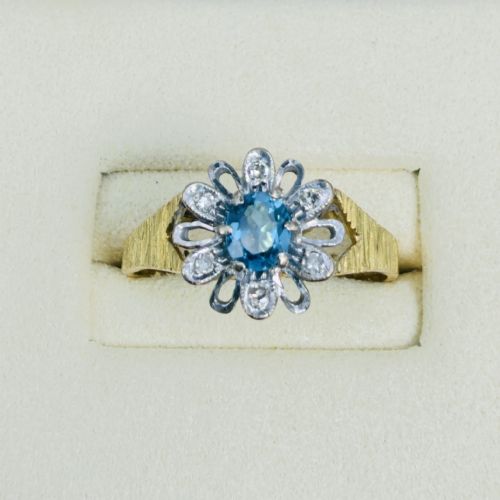
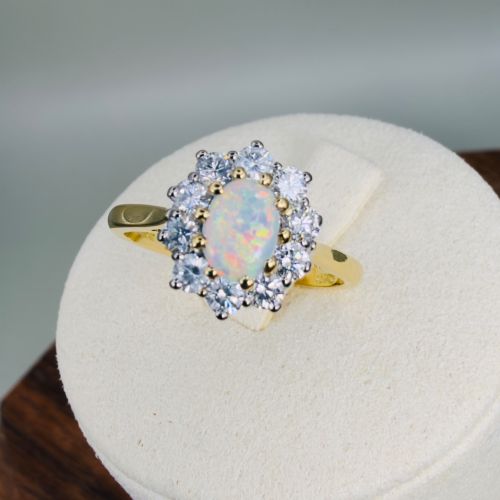

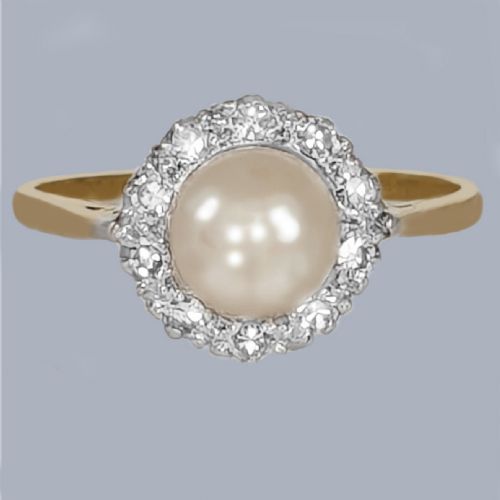
Yellow Gold Halo Ring
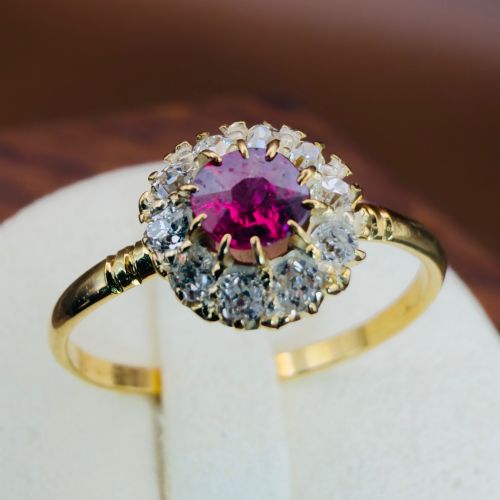
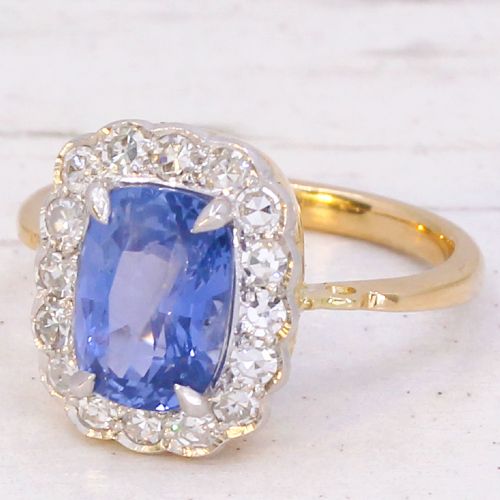
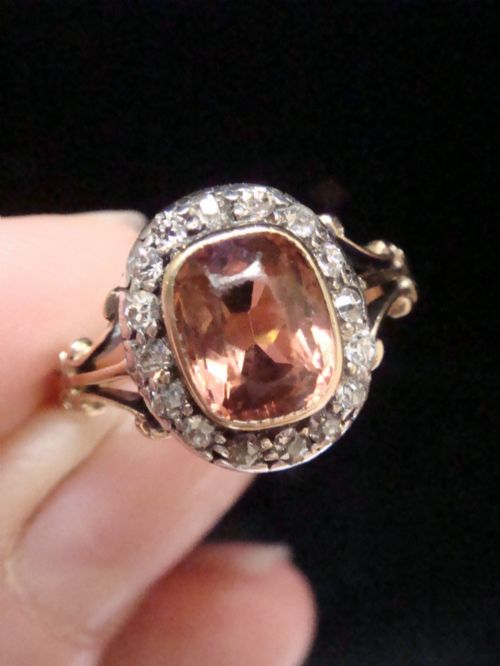
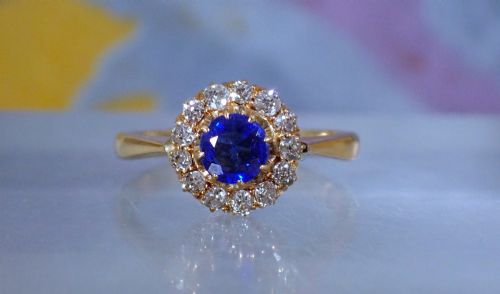
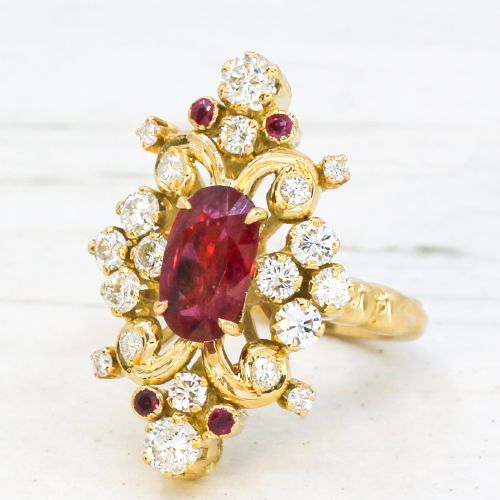
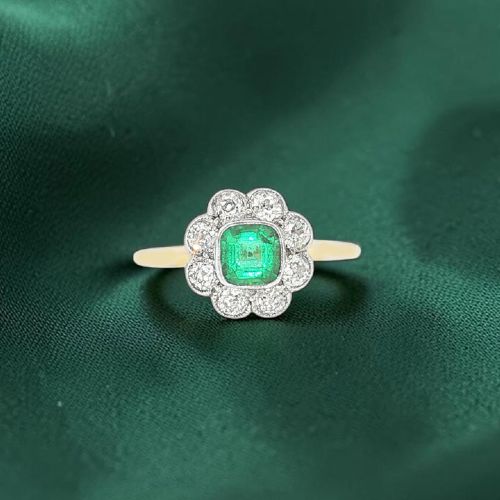
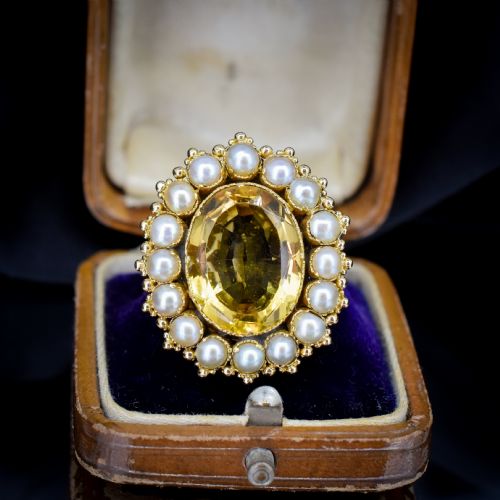
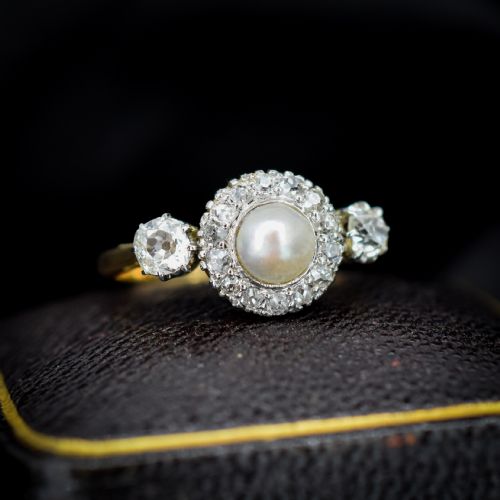
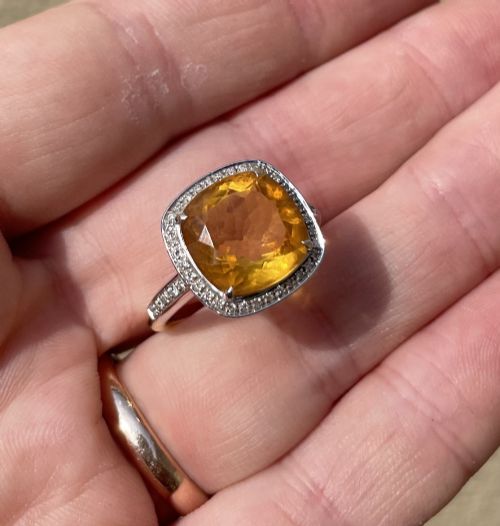
A yellow gold halo ring centres a striking gemstone within a bright perimeter of smaller diamonds.
Yellow Gold Halo Ring
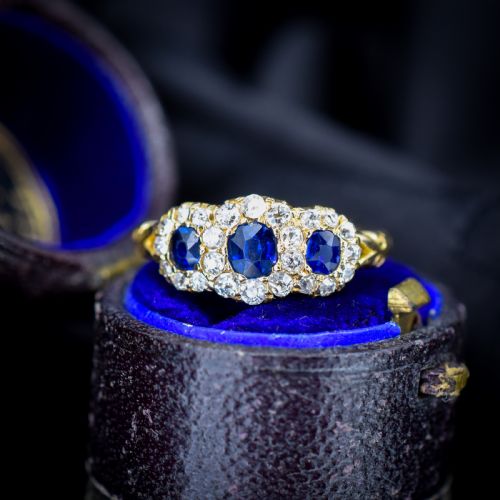
The selections available here predominantly showcase 18ct yellow gold paired with diamonds, sapphires, rubies, and emeralds. Configuration styles range from traditional circular clusters to daisy designs and target motifs.
Earlier examples from the nineteenth century often incorporate closed settings or intricate goldwork alongside old cut stones. Mid-century and later variations introduce cleaner geometric lines while retaining the warm metallic hue of yellow gold.
How they were made
Goldsmiths utilised 18ct yellow gold and occasionally 9ct gold to construct the structural mountings and shanks of these rings. Gemstones including diamonds, rubies, sapphires, and emeralds were secured using claw, bezel, or flush settings tailored to the shape of each stone.
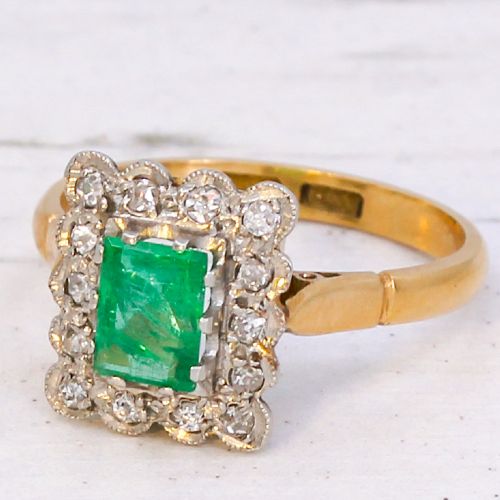
Period pieces from the Edwardian and Victorian eras frequently combine yellow gold with silver for gemstone settings to enhance the whiteness of the diamonds. Later mid-century examples incorporate platinum alongside yellow gold to provide durability for delicate claws.
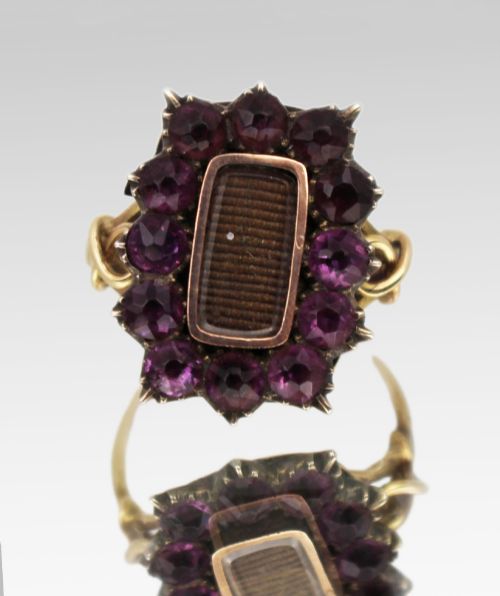
Some Victorian mourning rings hide compartments for hair beneath purple glass, turning sentimentality into wearable architecture.
What varies in quality
The overall balance of proportions between the central stone and the surrounding halo defines the visual harmony of the piece. Superior examples display carefully matched accent stones and secure, even claw work that holds each gem firmly without obscuring its facets.
The origin and untreated nature of coloured gemstones such as Burmese rubies or Colombian emeralds significantly influence the distinction of individual rings. Heavier gauge gold shanks that retain their original thickness and clear hallmarks indicate better preservation over time.
The Yellow Gold Halo Ring Glossary
- Halo
- A concentric arrangement of smaller gemstones encircling a larger central stone. This setting style maximises perceived sparkle and visual presence.
- Cluster ring
- A ring design featuring multiple stones grouped closely together, often in a floral or geometric pattern.
- Old cut diamond
- A hand-faceted diamond cut popular before modern machinery standardise proportions, typically featuring a small table and high crown.
- Target ring
- A specific Art Deco style of halo ring featuring multiple contrasting rings of colour that resemble a shooting target.
- Hallmark
- An official stamp applied to precious metals indicating purity, origin, and often the year of assay.
Yellow Gold Halo Ring: Frequently Asked Questions
How do I wear a yellow gold halo ring daily?
Selecting a setting with secure claws and sturdy 18ct gold ensures the ring withstands regular wear. Pairing it with curved or fitted bands prevents friction against adjacent rings.
Removing the ring during heavy manual tasks protects softer centre stones like emeralds or opals from accidental impact.
What periods do these rings come from?
The inventory encompasses Victorian and Edwardian antiques alongside Art Deco and mid-century vintage pieces. Each era brings distinct metalwork techniques and gemstone cuts.
Nineteenth-century examples often feature warmer gold tones and hand-cut stones, while mid-century designs favour streamlined profiles.
How can I tell an Edwardian halo ring apart?
Edwardian pieces frequently utilise yellow gold combined with platinum or silver topped settings to accentuate diamond brilliance. Openwork filigree and millegrain edges are common hallmarks of this period.
Floral motifs and daisy cluster configurations also point strongly towards early twentieth-century craftsmanship.
Are coloured gemstones certified in these rings?
Many listings for significant rubies, sapphires, and emeralds include independent gemmological reports detailing origin and treatment status. These documents verify whether stones are unheated or carry minor oil enhancements.
Reviewing accompanying reports helps establish the natural provenance of coloured centre stones.