


Yellow Gold Diamond Necklace
A yellow gold diamond necklace combines warm precious metal with brilliant stones, bringing centuries of craftsmanship directly to the neckline.
Yellow Gold Diamond Necklace
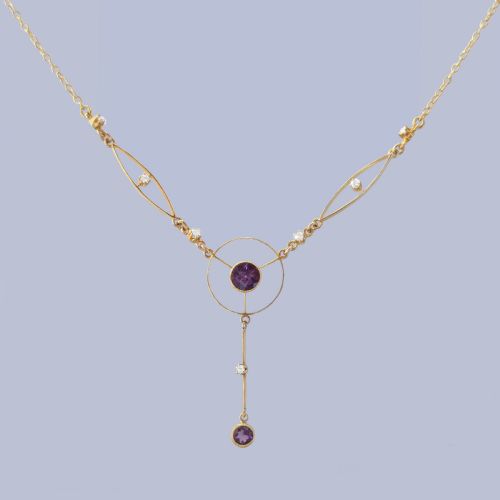
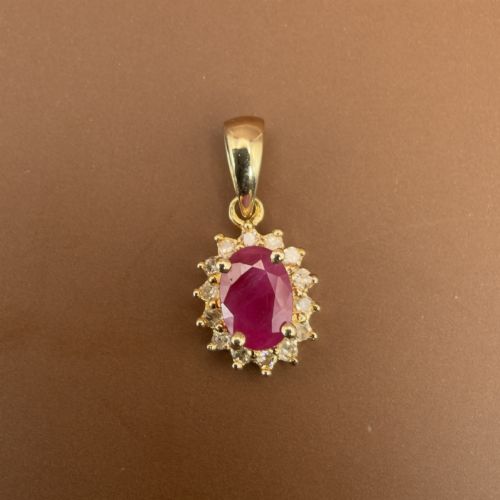
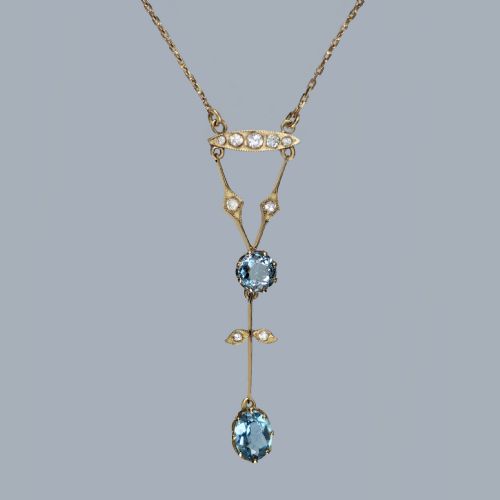
A yellow gold diamond necklace encompasses pendants, lavalieres, and drop necklaces created across the Victorian, Edwardian, and mid-century periods. These jewels feature central diamonds paired frequently with coloured gems like emeralds, aquamarines, pearls, and rubies set in varying purities of yellow gold.
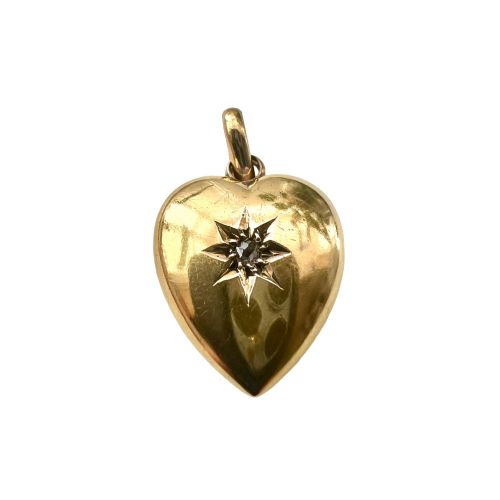
Buyers browsing this selection will encounter delicate floral cluster pendants from the nineteen-fifties alongside antique Edwardian lavalieres and intricate Art Nouveau openwork designs. Forms range from simple starburst motifs and puffy hearts to substantial gemstone drops suspended on traditional gold chains.
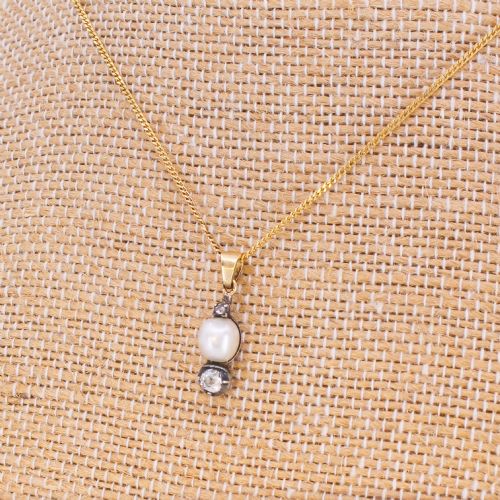
Pieces span from late nineteenth-century Victorian creations through to nineteen-sixties vintage items, reflecting shifting aesthetic preferences in chain links and pendant geometry. The most frequently met examples balance yellow gold settings with old cut diamonds and natural or cultured pearls.
Materials and construction
Goldsmiths utilised varying gold purities, spanning from nine carat up to eighteen carat yellow gold, occasionally incorporating platinum highlights to secure stones or contrast the warm metal tones. Hand-fabrication techniques predominated in earlier eras, involving delicate wirework, bezel settings, and closed-back foils to enhance stone brilliance.
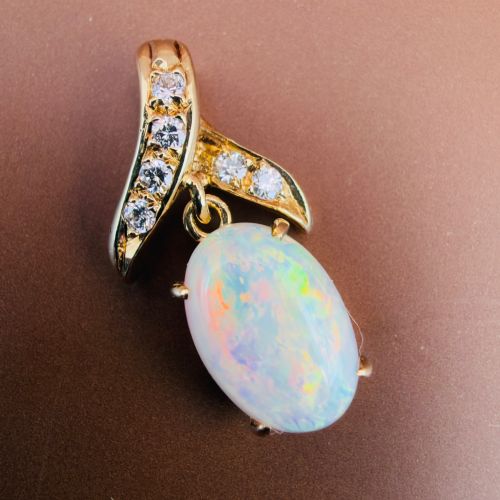
Gemstones including demantoid garnets, turquoise, peridot, and opals were integrated alongside diamonds using claw, flush, or cluster settings. Chains accompanying these pendants typically consist of curb links, fine trace links, or integrated drop structures soldered by hand.
Materials paired with diamonds across these items include natural pearls, aquamarines, amethysts, emeralds, opals, and turquoise set in nine, fourteen, and eighteen carat gold.
Assessing quality
The distinction between standard commercial pieces and superior examples rests upon the harmony of the design and the integrity of the gemstone pairings. Master goldsmiths employed meticulous piercing and granulation, ensuring the yellow gold framework complements rather than overpowers the central diamonds.
Originality of components also dictates value, where pieces retaining their period-correct chains, clasps, and untouched gem selections demonstrate superior preservation. Finer items exhibit balanced proportions, secure stone seating, and well-executed maker integration that elevates standard cluster forms into notable lapidary works.
C'est Laudier·Merrin·Hirsch & Oppenheimer
The Yellow Gold Diamond Necklace Glossary
- Lavalier
- A pendant necklace featuring a central gemstone drop suspended below the main decorative motif. This style gained immense popularity during the Edwardian era.
- Old Cut
- A precursor to the modern brilliant cut diamond, characterised by a smaller table, higher crown, and open culet designed to catch candlelight. These stones display a softer, chunkier sparkle than modern cuts.
- Cluster
- An arrangement of smaller gemstones clustered tightly around a central stone to create a larger visual impact. This setting technique was widely utilised in Victorian and mid-century rings and pendants.
- Beryl
- A mineral family that includes emerald, aquamarine, and yellow beryl. These stones share identical crystal structures but vary widely in colouration due to trace impurities.
Yellow Gold Diamond Necklace: Frequently Asked Questions
How do I date a yellow gold diamond necklace?
Dating relies on examining the mounting techniques, the cut of the diamonds, and any accompanying hallmarks stamped onto the metalwork. Earlier Victorian and Edwardian pieces often feature hand-cut stones and specific clasp mechanisms that differ from mid-century productions.
Analysing the overall design motifs, such as Art Nouveau floral lines or geometric nineteen-fifties clusters, provides further context. Consulting professional hallmarks helps narrow down the exact decade of manufacture.
Can I wear my antique necklace every day?
Daily wear is possible for sturdier mid-century designs, but delicate antique and Edwardian pieces require mindful handling. Items featuring fragile pearls or softer gems demand extra care to prevent accidental impacts.
Removing the necklace during strenuous activities, swimming, or sleeping preserves the integrity of older gold settings and antique clasps. Proper storage in a dedicated jewellery box prevents scratching between wears.
What is the difference between an antique and a vintage necklace?
Antique jewellery generally refers to pieces that are over one hundred years old, encompassing Victorian and Edwardian creations. Vintage pieces typically describe items produced from the mid-twentieth century onward, such as nineteen-fifties and nineteen-sixties designs.
Both categories offer distinct stylistic signatures shaped by the prevailing fashions and manufacturing methods of their respective eras. Understanding these timelines helps collectors identify the period of origin.
How should I clean my gold and diamond pendant?
Gentle cleaning involves warm water mixed with a mild washing-up liquid and a soft-bristled brush to remove accumulated oils from the stones. Harsh chemical cleaners and ultrasonic devices should be avoided, particularly when dealing with porous gems like pearls or opals.
Ensuring the necklace is completely dry before storage protects both the yellow gold mount and any delicate organic elements. Regular professional inspection by a jeweller helps maintain secure stone settings.