




Geometric Diamond Necklace
A geometric diamond necklace brings together symmetrical platinum or gold work and brilliant stones, offering lasting elegance for the discerning collector.
Geometric Diamond Necklace
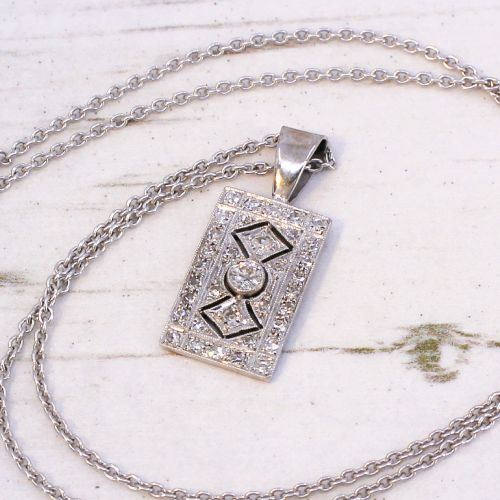
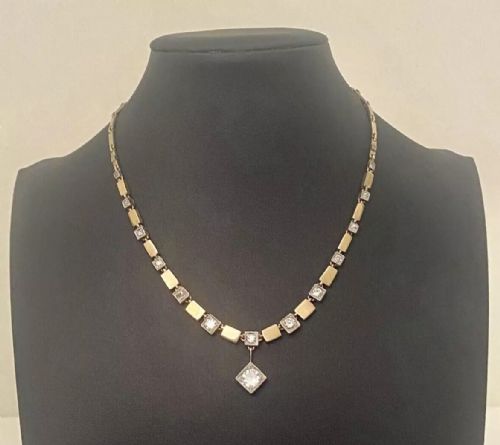
A geometric diamond necklace encompasses pieces defined by clean lines, angular motifs, and balanced forms primarily hailing from the Art Deco and Edwardian periods. When you search for this phrase, you will encounter various iterations ranging from delicate platinum pendants to substantial fringe necklaces.
The selections span from the Victorian era through the 1920s, 1930s, and 1940s, showcasing notable variations like triple strand cultured pearls with diamond clasps and sapphire accents. These items reflect the dominant aesthetic movements of their respective decades, prioritising architectural precision over organic curves.
Pendants and necklaces dominate the offerings, often pairing old cut diamonds with contrasting materials such as onyx or basaltic sapphire. Buyers seeking this style will find both understated single stone pendants and elaborate multi-carat fringe arrangements.
Materials and construction
Master jewellers constructed these pieces predominantly in platinum and 18ct white gold, utilising the strength of these metals to hold intricate stone settings securely. This metal choice allowed for slender bezels and sharp angles characteristic of the geometric aesthetic.
Diamonds, frequently old cut, are paired with supportive elements like cultured pearls, onyx, and sapphires to create high contrast and texture. Artisans mounted these stones meticulously to catch the light from multiple facets along the rigid lines of the frame.
Listings feature periods spanning the Victorian era through the Edwardian years and into the 1920s, 1930s, and 1940s.
Evaluating craftsmanship and design
The distinction between tiers of quality rests upon the precision of the metalwork and the integration of the stones within the geometric framework. Superior examples display seamless symmetry where the platinum or gold setting enhances the optical impact of the diamonds without unnecessary bulk.
Stone selection and matching also dictate the calibre of a piece, particularly in fringe necklaces and multi-stone pendants where uniformity or deliberate colour contrast matters. Finer items maintain structural integrity alongside delicate articulation, ensuring the necklace drapes properly while preserving its rigid geometric layout.
The Geometric Diamond Necklace Glossary
- Platinum
- A dense, durable precious metal favoured during the Art Deco and Edwardian eras for its strength and bright white lustre. It allows jewellers to create fine, secure settings for diamonds.
- Old cut
- A vintage diamond cutting style predating modern brilliant cuts, characterised by a smaller table, higher crown, and distinct open culet. These stones exhibit a soft, candlelit sparkle.
- Fringe necklace
- A necklace featuring hanging vertical drops of stones or metal suspended from a main chain or collar. This design gained prominence for its dynamic movement.
- Negligee pendant
- A pendant style featuring two unequal drops suspended from a central bow or motif, popular in Edwardian jewellery. It creates a graceful, asymmetrical line.
- Cultured pearl
- An organic gem formed with human intervention by inserting a nucleus into an oyster or mollusc. They frequently complement diamond clasps in vintage strand necklaces.
Geometric Diamond Necklace: Frequently Asked Questions
How do I care for my antique necklace?
Antique necklaces require gentle handling, particularly pieces involving cultured pearls or delicate platinum links. Store them flat in a lined box to prevent tangling and scratching.
Professional cleaning should be done periodically to check setting integrity. Avoid exposing pearls and coloured stones to harsh chemicals or ultrasonic cleaners.
Are these necklaces suitable for daily wear?
While platinum and gold provide durability, antique necklaces often feature delicate mechanisms and older stone settings. Occasional evening wear or special events suit these pieces better than rugged everyday use.
Checking the clasp and links regularly ensures the piece remains secure during wear. Treating them with care preserves their historical condition.
How can I tell Art Deco from Edwardian pieces?
Edwardian jewellery typically showcases lighter, lace-like platinum work with softer garlands and bows. Art Deco pieces introduce bolder, rigid geometric shapes, stronger symmetry, and higher colour contrasts.
Examining the overall silhouette reveals these distinct shifts in design philosophy. The former leans towards ethereal elegance, while the latter embraces modernist lines.