


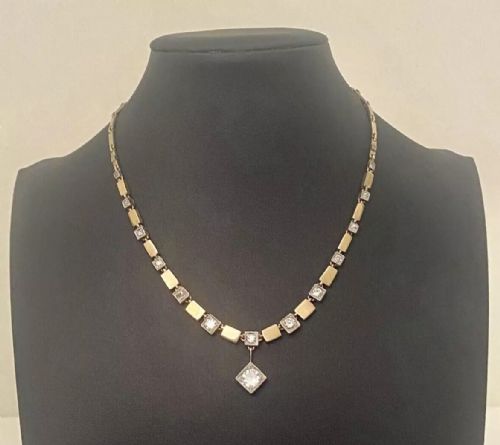


Antique Diamond Necklet
An antique diamond necklet brings together period craftsmanship and precious stones, offering a delicate piece of history for daily wear.
Antique Diamond Necklet
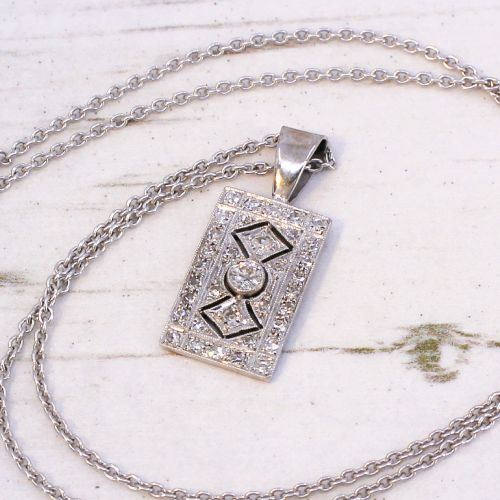
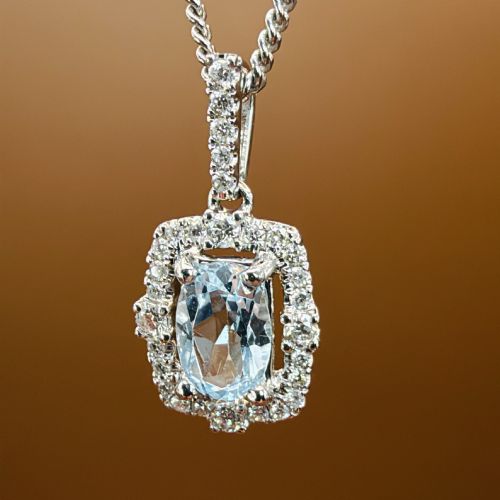
When you search for an antique diamond necklet, you encounter pendants, necklaces, and clusters spanning Victorian, Edwardian, and Art Deco periods. These pieces sit close to the collarbone, suspended from delicate chains or integrated directly into precious metal mountings.
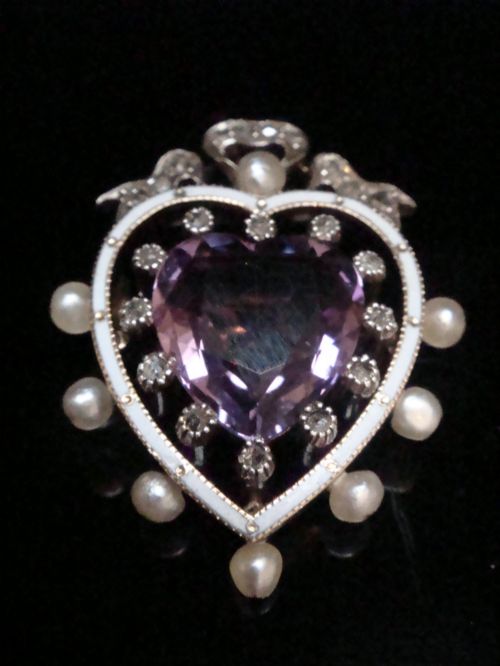
The most common examples on this page are Edwardian and Art Deco pendants featuring old cut diamonds set in platinum or gold. Alongside these, Victorian starbursts and mid-century coloured gemstone clusters appear frequently in the listings.
Materials and construction
The pieces rely on a combination of precious metals including platinum, 18ct gold, 9ct gold, and 14ct white or yellow gold. Platinum provides the structural strength needed for fine Edwardian and Art Deco wirework without adding excessive weight.
Gems are secured using traditional hand-setting techniques suited to old cut diamonds, natural pearls, rubies, amethysts, and opals. Enamel work and guilloche patterns also appear, adding colour and texture to the metal framework.
Victorian stargazers can wear a swirling starburst pendant, bringing celestial charm straight to the neckline.
Judging quality in historic jewellery
Quality rests upon the harmony of the design and the integrity of the stone setting. Pierced platinum work and balanced gemstone arrangements distinguish the finer workshops from standard production.
The integration of the pendant with its original mount or chain influences the overall coherence of the piece. Superior examples maintain crisp detail in the metalwork and secure, original settings for every diamond and accent stone.
The Antique Diamond Necklet Glossary
- Old cut diamond
- A precursor to the modern brilliant cut, typically characterised by a smaller table, higher crown, and open culet. These stones were hand-faceted to catch candlelight.
- Guilloche enamel
- A decorative technique where intricate geometric patterns are engraved into metal and covered with translucent enamel. It provides a rich coloured background beneath diamond settings.
- Cluster pendant
- A jewellery configuration featuring a central gemstone surrounded by a border of smaller diamonds. This layout maximises visual impact and light reflection.
- Platinum
- A dense, durable precious metal favoured during the Edwardian and Art Deco eras for fine, lace-like settings. It holds small stones securely with minimal visible metal.
Antique Diamond Necklet: Frequently Asked Questions
How do I wear an antique diamond necklet?
These pieces suit both formal evening wear and simpler daily outfits. Pairing a pendant with a matching period chain preserves the balance of the design.
Ensure the clasp is secure before wearing the piece out. Storing the necklet in a lined box prevents the chain from tangling.
How do I date an antique diamond necklet?
Dating relies on stylistic clues, metal choices, and stone cuts. Edwardian pieces often feature platinum lace work, while Art Deco items lean towards geometric symmetry.
Examining the back of the mounting reveals construction methods typical of specific decades. Hallmarks, where present, offer further clues to the origin.
What stones accompany the diamonds?
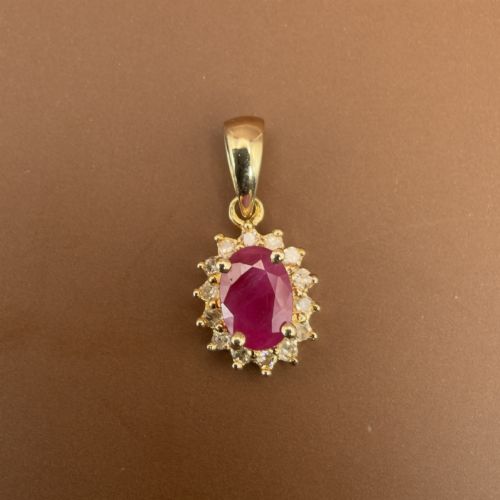
Coloured gemstones frequently share space with diamonds in these necklets. Rubies, amethysts, natural pearls, sapphires, and opals appear across Victorian and mid-century designs.
These additions introduce contrasting colour palettes to the sparkle of the central diamond. Each stone is selected to complement the era's prevailing aesthetic.
How should I clean my necklet?
Gentle cleaning maintains the lustre of both the diamonds and the precious metal. Warm soapy water and a soft brush remove everyday oils without harming older settings.
Avoid harsh chemical dips, particularly if the piece incorporates pearls, opals, or enamel. Professional inspection ensures the stone settings remain tight.