




Antique Diamond Bow
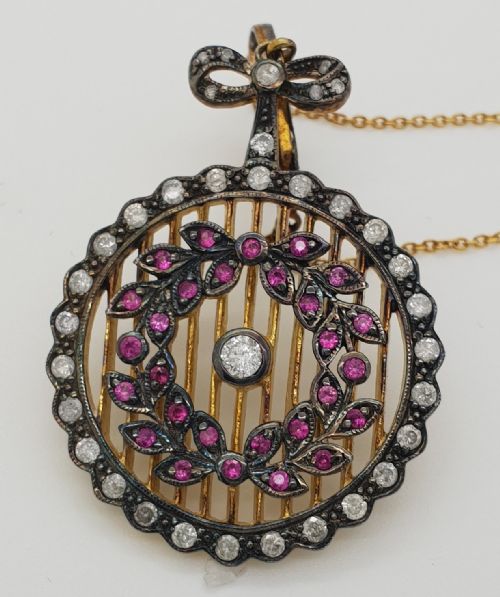
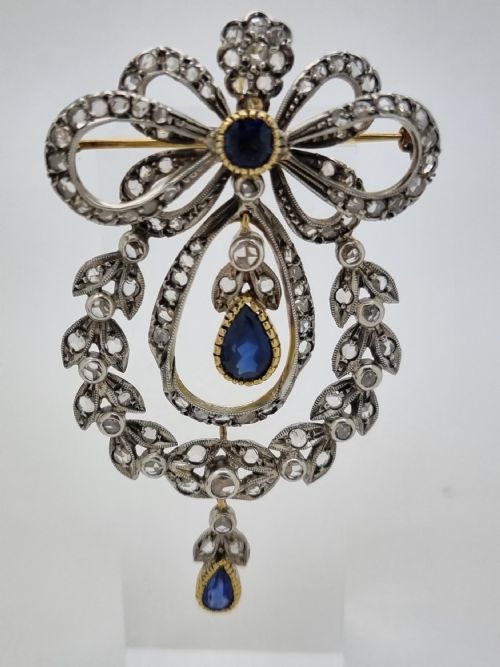
An antique diamond bow is a finely worked jewel shaped into looped ribbon knots, offering enduring grace and sparkling detail to the wearer.
Antique Diamond Bow
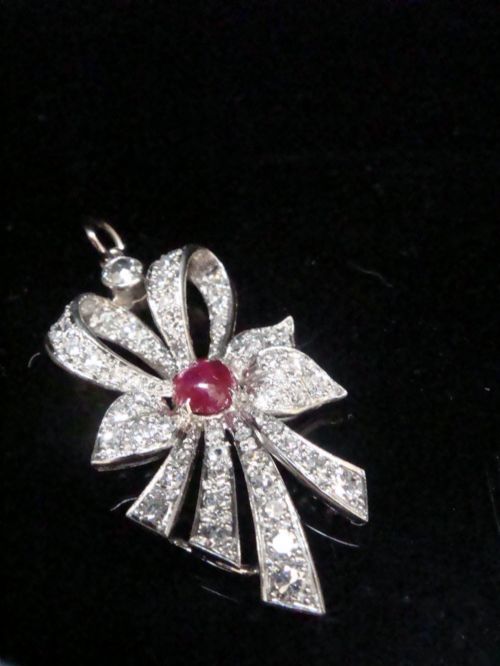
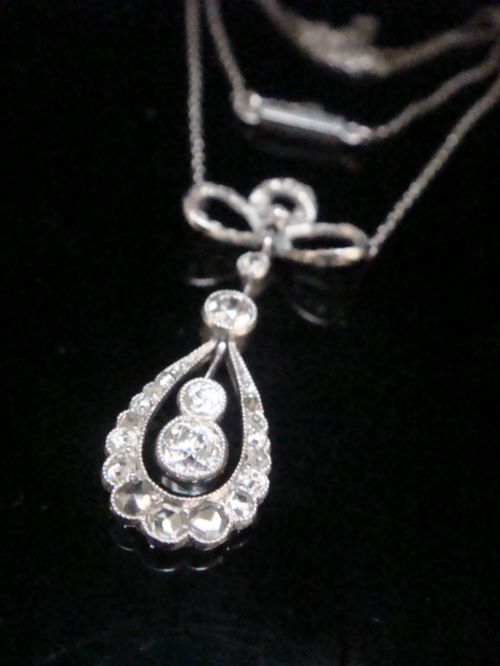
An antique diamond bow represents a classic ornamental motif that recurs across several historical periods, appearing frequently as brooches, pendants, and necklaces. These pieces translate textile ribbons into enduring metal and gemstone creations, capturing a lighter, decorative taste in personal ornamentation.
The versions most commonly met on this page date from the Georgian, Victorian, and Edwardian eras, alongside later Art Deco and Mid-Century interpretations. These creations utilise diamond pavé and central settings to trace the soft folds of tied ribbon tails.
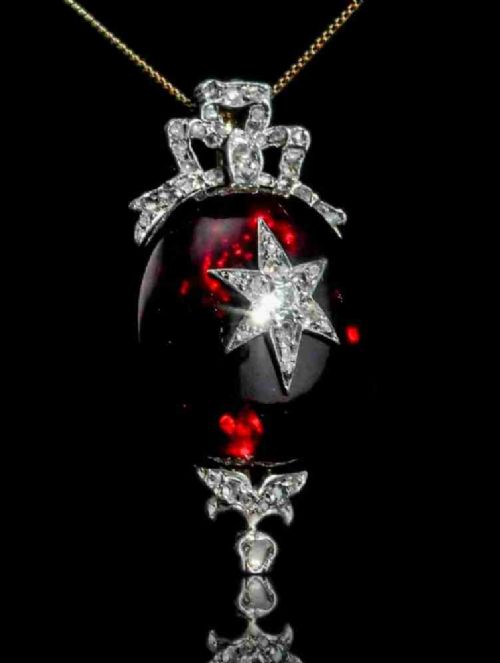
Makers often combined silver with gold or platinum to enhance the brilliance of the stones, occasionally integrating pearls, rubies, or sapphires. Each piece reflects the prevailing aesthetic of its decade, shifting from heavier Victorian cluster work to delicate Edwardian openwork.
Materials and construction methods
Jewellers typically set old cut diamonds into platinum or silver-topped gold, a technique that maximised the white reflection of the gems against darker backgrounds. This method allowed craftsmen to shape intricate, pliable-looking ribbons from rigid precious metals.
Stones such as natural pearls, rubies, and sapphires were frequently introduced as accents within the bow knots or suspended drop elements. Yellow gold, 18ct white gold, and platinum formed the structural backing for these complex gemstone arrangements.
Listings feature Edwardian, Victorian, and Art Deco periods, utilising diamond, platinum, silver, and 18ct gold across multiple forms.
Factors of quality and execution
The finesse of the metalwork dictates the success of the bow form, separating stiff interpretations from those that successfully mimic flowing textile ribbons. Superior examples display delicate piercing, balanced proportions, and seamless integration of the gemstone settings.
The age and quality of the cut stones heavily influence the character of the piece, with old cut diamonds providing softer, broader light refractions than modern brilliant cuts. Furthermore, the presence of original fitted boxes or maker signatures elevates the historical standing of the jewel.
Eduard Foehr·Cartier Paris
The Antique Diamond Bow Glossary
- Old cut diamond
- A diamond cut by hand in earlier centuries, featuring a smaller table, higher crown, and open culet. These stones catch candlelight and lower light sources with a distinctive, chunky scintillation.
- Silver-topped gold
- A composite technique where a thin layer of silver is soldered over a gold backing. This method combined the bright white surface required for diamond setting with the structural strength of gold.
- Pendant brooch
- A versatile mounting fitted with both a pin and a loop. This dual arrangement allowed the jewelled bow to be worn pinned to clothing or suspended from a neck chain.
- Natural pearl
- A pearl formed organically within a mollusc without human intervention. These organic gems appear frequently as drops or central accents in period pieces.
Antique Diamond Bow: Frequently Asked Questions
How do I wear an antique bow brooch?
These pieces pin securely to lapels, collars, or the centre of necklines, mirroring historical placement. Many designs also feature hidden loops behind the bow, allowing them to hang from a chain as a pendant.
Heavier platinum or multi-stone variants require sturdier fabrics to support the weight without pulling the garment. Lighter Edwardian lace pins suit delicate silks and evening wear.
Are these bows made of platinum or gold?
The evidence shows a mix of metals, including yellow gold, 18ct white gold, platinum, and silver-topped gold. Edwardian pieces frequently utilise platinum for its strength and bright white finish.
Earlier Victorian and Georgian examples often rely on silver-topped gold to hold old cut diamonds securely. The choice of metal reflects the technological shifts of each decade.
What periods do these pieces come from?
The listings span the Georgian, Victorian, Edwardian, Art Deco, and Mid-Century eras. Edwardian and Victorian examples appear most frequently, showcasing distinct stylistic traits from each decade.
Georgian pieces feature rose cut diamonds and hand-forged settings, while Edwardian items lean towards platinum openwork garland motifs. Art Deco creations introduce geometric symmetry and onyx accents.
Can I replace missing stones safely?
Restoration work on antique diamond bows requires specialist jewellers who understand period cutting styles. Sourcing matching old cut diamonds preserves the historical integrity of the piece.
Modern brilliant cuts should be avoided in older settings, as their sharp light refraction disrupts the visual harmony of the original stones.