

Yellow Gold Brooch Pin
These yellow gold brooch pin options span Victorian opulence to mid-century modernism, offering enduring metalwork and gem-set charm for daily wear.
Yellow Gold Brooch Pin
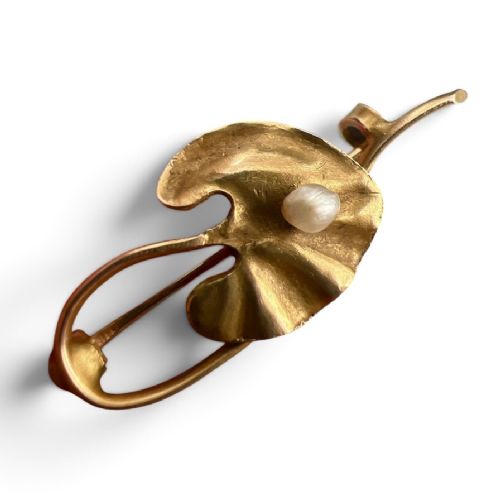
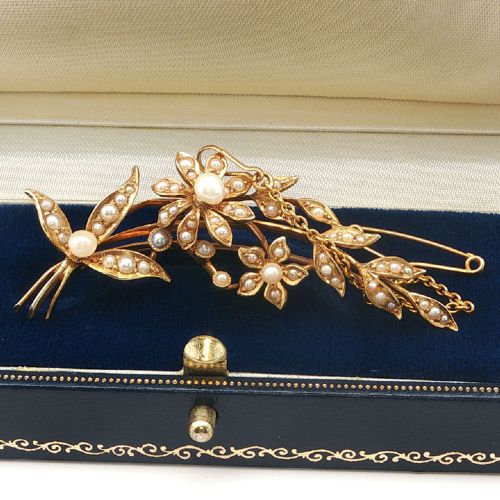
A yellow gold brooch pin serves as a decorative fastening garment ornament, appearing frequently in Victorian, Edwardian, and mid-century designs. Buyers exploring this category encounter varied formats, from simple bar brooches to elaborate floral sprays and figural subjects.
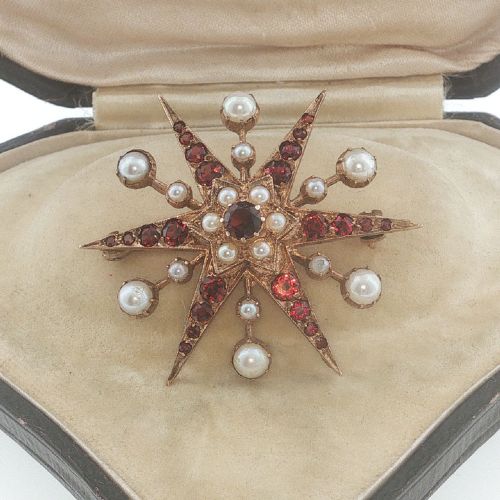
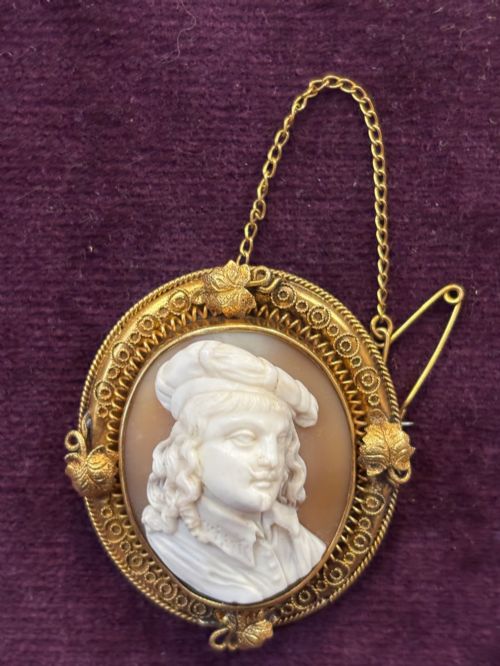
The selection ranges from early nineteenth-century cameo mountings and Etruscan revival locket pieces to geometric Art Deco gemstone clusters. Standard forms include stick pins, bow motifs, and heart shapes set with pearls, garnets, diamonds, and turquoise.
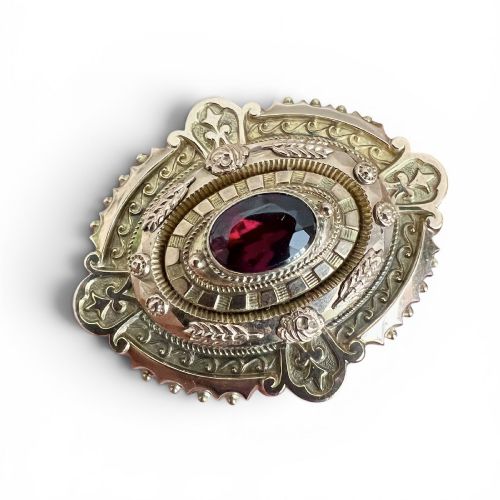
Victorian and Edwardian iterations dominate the physical evidence, often utilising lower-carat or higher-carat gold standards like nine-carat and fifteen-carat alongside precious stones. These items reflect the shifting decorative priorities of their respective periods.
Materials and construction methods
Metals in these jewels rely heavily on varied gold purities, including nine-carat, fifteen-carat, and eighteen-carat yellow gold, occasionally paired with rose gold accents. Artisans shaped these precious metals through casting, wire-work, and detailed hand-chasing.
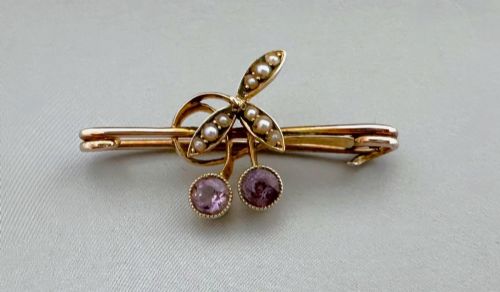
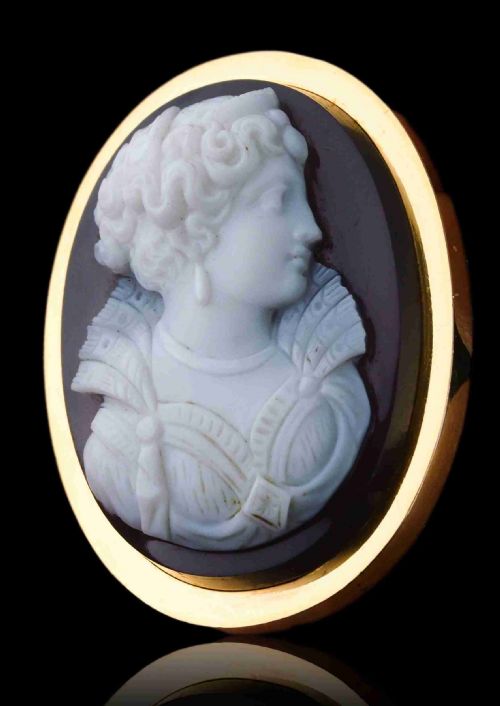
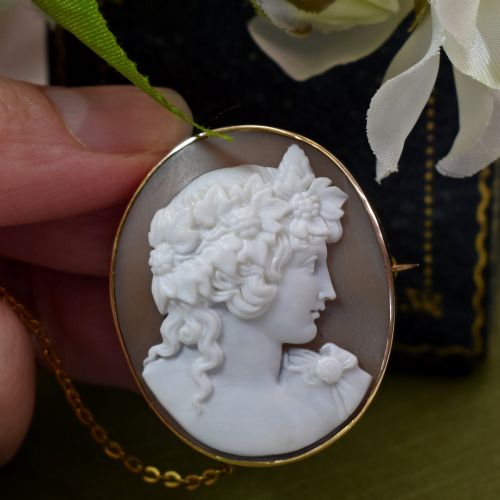
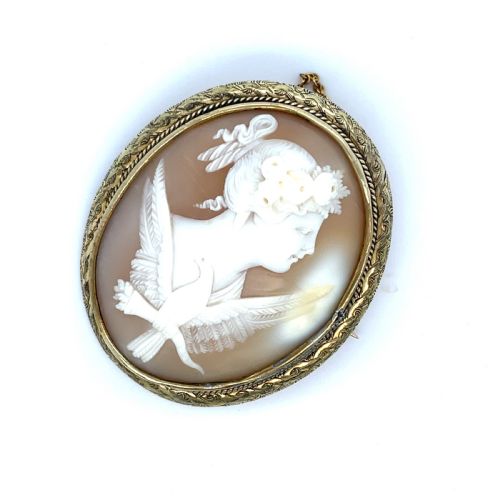
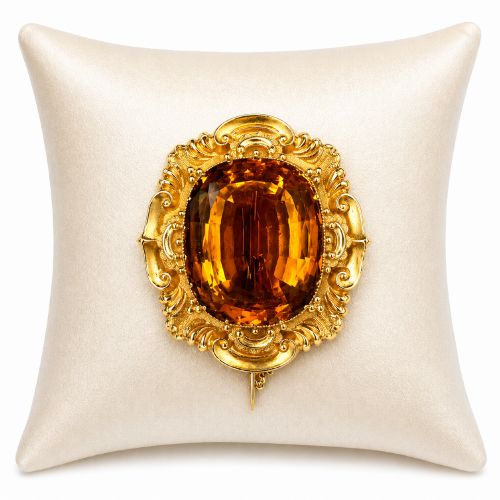
Gemstones such as diamonds, rubies, sapphires, garnets, and seed pearls are secured via claw settings, bezel mounts, and delicate grain-setting techniques. Cameos carved from shell or hardstone are framed directly within gold bezels, supported by pin-and-catch mechanisms at the reverse.
Materials paired with yellow gold across these pieces include diamonds, pearls, garnets, rubies, sapphires, turquoise, and hardstone cameos.
Distinctions in craftsmanship and design
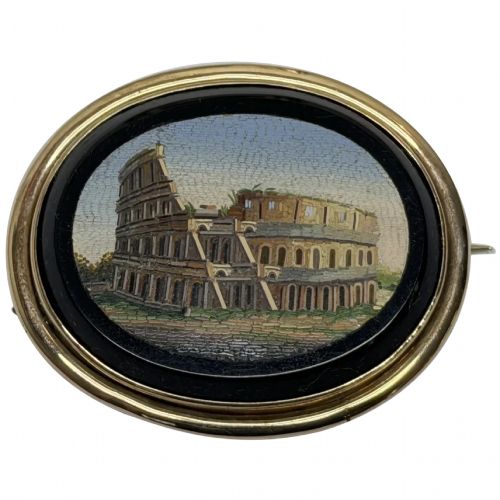
Quality separates ordinary production pieces from exceptional items through the precision of stone-cutting, the integrity of metal-work, and the clarity of micro-mosaics or shell carvings. Superior examples display perfectly matched seed pearls and securely flush-set or claw-set diamonds without distracting solder marks.
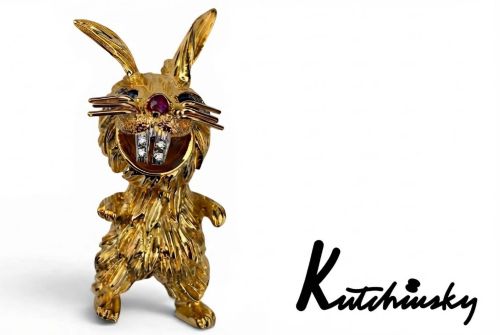
Artistic execution dictates the upper tier of the market, where identifiable makers, balanced proportions, and intricate dimensional elements like multi-layered floral sprays or detailed animal motifs elevate the piece. The depth of hand-engraving and the preservation of original clasps and pin stems further delineate superior execution.
Kutchinsky·Ben Rosenfeld
The Yellow Gold Brooch Pin Glossary
- Bar brooch
- A slender horizontal metal bar, often mounted with gemstones or central motifs, designed to fasten across garments.
- Cameo
- A gemstone, shell, or hardstone carved in relief to present a raised figure or portrait against a contrasting background.
- Stick pin
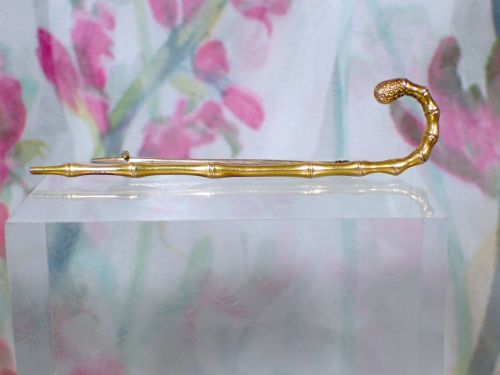
- A long pin topped with a decorative head, originally used to secure neckties or lapels.
- Micromosaic
- Tiny coloured glass tesserae assembled by hand to form detailed pictorial scenes, such as architectural views.
- Seed pearl
- Very small natural or cultured pearls, frequently drilled and threaded onto wire or secured in clusters.
Yellow Gold Brooch Pin: Frequently Asked Questions
How do I wear a brooch pin today?
These pieces attach securely to lapels, coat collars, heavy scarves, or the centre of necklines. They add personal character and colour to modern tailoring and knitwear.
Ensure the fabric has sufficient weight to support the metal and stone weight without sagging. Using a backing disc can also help stabilise stick pins and heavier bar brooches on delicate weaves.
What is the difference between Victorian and Edwardian styles?
Victorian designs often feature heavier gold work, Etruscan revival details, dark gemstones like garnets, and sentimental motifs like hearts and hair lockets. They project a sense of romantic substance and historical reverence.
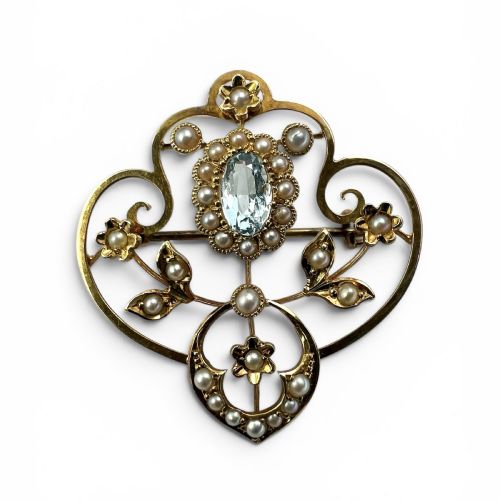
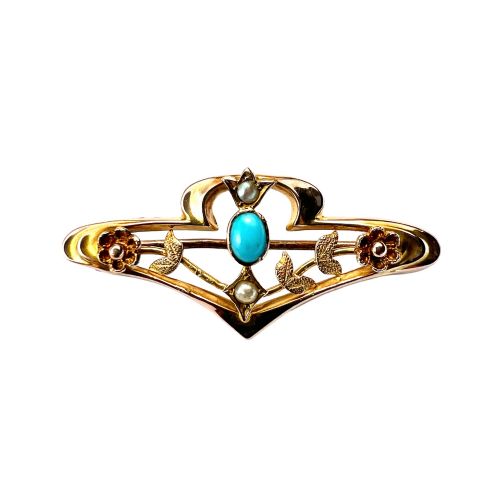
Edwardian pieces introduce lighter, airier platinum-on-gold settings, delicate seed pearls, aquamarines, and intricate openwork lace patterns. This later period prioritises luminous pastel colours and ethereal lightness.
Are these pins made of solid gold?
The listings show pieces constructed from various solid gold purities, predominantly nine-carat, fifteen-carat, and eighteen-carat yellow gold. These standards reflect the manufacturing norms of the nineteenth and twentieth centuries.
Assay marks, hallmarks, or specialist testing confirm the specific gold content of each mount. Solid construction ensures durability across generations of wear.
How are carved cameo brooches dated?
Dating relies on the frame style, the type of gemstone or shell used, and the style of the carved subject. Victorian frames frequently include detailed repoussé work or Etruscan granulation.
Examining the pin mechanism on the reverse provides additional clues, as early nineteenth-century hinges and C-clasps differ significantly from twentieth-century safety catches.