


Yellow Glazed Charger Dish
These yellow glazed charger dish examples bring striking colour and historical craft to a wall or table.
Yellow Glazed Charger Dish
A yellow glazed charger dish serves as a bold decorative plate or large platter, often displayed on walls or centrepieces rather than used for daily dining. When searching for a yellow glazed charger dish, buyers encounter large earthenware and ceramic platters spanning from the seventeenth century through to the Edwardian era.
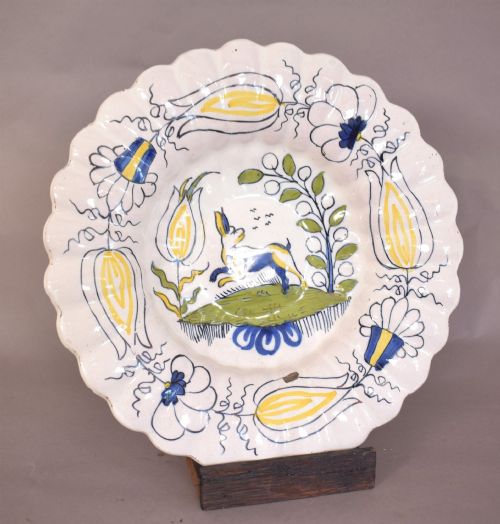
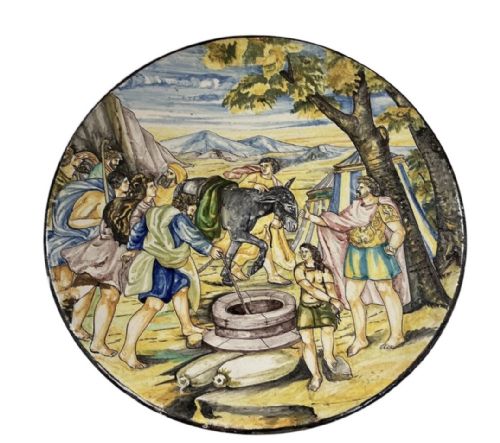
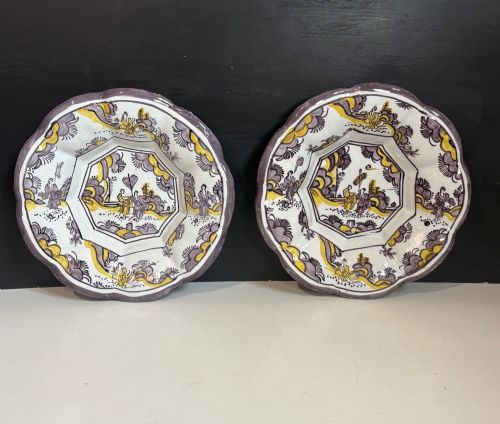
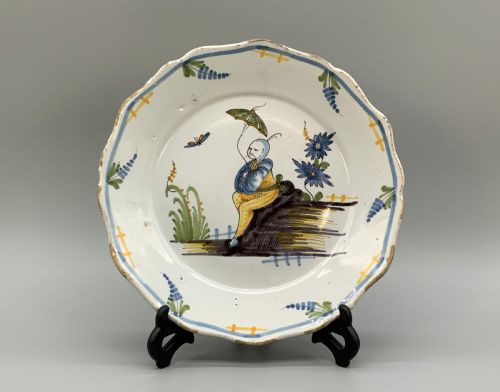
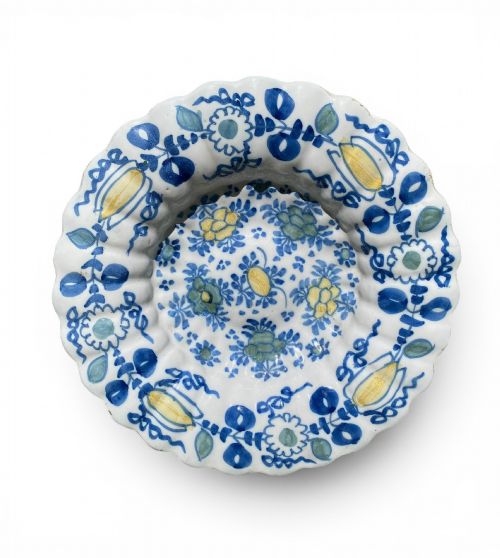
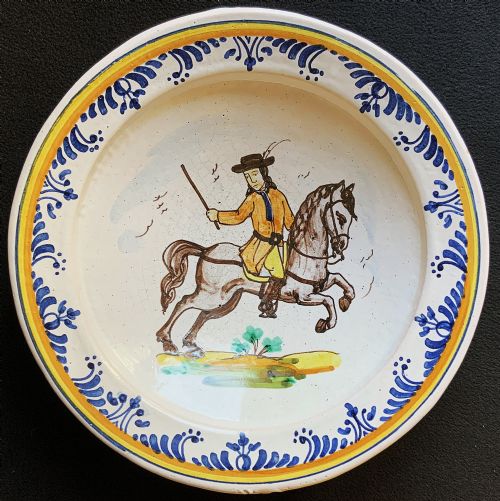
The pieces appearing here include Dutch Delft polychrome lobed dishes, Spanish faience, and Italian maiolica from the nineteenth century alongside earlier examples. Tin-glazed earthenware dominates the selection, bringing vibrant pigments and traditional forms from European workshops into modern spaces.
Originating across different countries and centuries, each yellow glazed charger dish carries distinct regional painting styles, ranging from Chinoiserie motifs to classical historical scenes. Collectors find both paired sets of eighteenth-century dishes and grand single chargers measuring significant diameters.
How they were made
Potters shaped these charger plates from earthenware and ironstone before applying tin glaze to create a smooth white or pale ground suitable for painting. Artisans then brushed mineral pigments directly onto the unfired or biscuit-fired surface, capturing yellows, manganese, and polychrome details.
Kiln firing fused the tin glaze and pigments together, producing the characteristic glossy sheen seen on seventeenth-century Delft and later revival pieces. Ironstone versions utilised denser ceramic bodies fired at higher temperatures to achieve greater durability.
The listings span four centuries, featuring seventeenth-century Dutch Delft alongside nineteenth-century Italian maiolica and Edwardian ironstone.
What varies in quality
The finesse of the hand-painted brushwork distinguishes the finest chargers from simpler utilitarian wares, particularly in complex figural scenes such as Italian istoriato work or Dutch Chinoiserie. Crispness of the tin glaze application and the vibrancy of the yellow ground pigments also indicate the skill of the original workshop.
Scale and structural preservation define desirability, with large diameter chargers and undamaged lobed rims commanding greater attention from collectors. The historical significance of the period, from seventeenth-century Delft to nineteenth-century Renaissance revival, shapes the character of each piece.
The Yellow Glazed Charger Dish Glossary
- Charger
- A large decorative plate or platter traditionally used for ceremonial dining or grand display on a sideboard. These substantial ceramic pieces measure considerably wider than standard dinner plates.
- Tin-Glazed Earthenware
- Pottery covered with a white opaque glaze containing tin oxide, providing an ideal surface for painted decoration. This technique defines much of the historical Delft and faience in the collection.
- Maiolica
- Italian tin-glazed earthenware decorated with colourful pigments, often featuring narrative historical or classical scenes. The technique reached a high artistic standard during the Renaissance and inspired later nineteenth-century revivals.
- Polychrome
- Decoration utilising multiple distinct colours painted onto the ceramic surface. This approach contrasts with blue and white wares by incorporating vibrant yellows, greens, and manganese.
- Lobed Dish
- A vessel featuring a rim divided into rounded sections or scallops. This shaping adds textural movement to seventeenth-century Dutch Delft pieces.
- Faience
- European tin-glazed earthenware produced outside Italy, particularly in France, Spain, and the Netherlands. The term encompasses various regional styles of decorated chargers.
Yellow Glazed Charger Dish: Frequently Asked Questions
How do I hang a charger safely?
Large charger dishes require sturdy wire spring hangers that distribute weight evenly across the ceramic rim without causing pressure points. Ensure the wall fixing securely anchors into masonry or a stud before mounting.
Avoid adhesive disc hangers on heavy earthenware or historical tin-glazed pieces, as the glaze layer can detach from the ceramic body under sustained tension.
Can I use these for food?
Historical tin-glazed earthenware and ironstone chargers were primarily designed for display or formal presentation rather than modern food service. Fine cracks in the glaze, known as crazing, can absorb moisture and oils over time.
Delicate nineteenth-century maiolica and seventeenth-century Delft pieces suit visual appreciation best. Modern ironstone alternatives from the Edwardian period occasionally tolerate light use but benefit from careful hand washing.
How do I clean old glaze?
Dust these ceramic surfaces gently with a soft, dry brush to prevent abrasive particles from scratching the tin glaze. If washing becomes necessary, use lukewarm water and mild soap without soaking the piece.
Dry the charger immediately with a soft cloth, paying close attention to any unglazed foot rims where moisture might seep into the porous earthenware body.
What is Dutch Delft?
Dutch Delft refers to tin-glazed earthenware produced in the Netherlands, heavily influenced by imported Chinese porcelain during the seventeenth century. Potters combined local clay bodies with white tin glaze to create distinctive blue and white or polychrome designs.
These chargers often feature floral sprays, landscapes, or Chinoiserie figures painted by hand. The tradition evolved over centuries, producing lobed dishes and large decorative platters.