



Yellow Floral Vases
Yellow floral vases bring together delicate botanical subjects and striking ceramic, glass, or painted forms across multiple periods.
Yellow Floral Vases
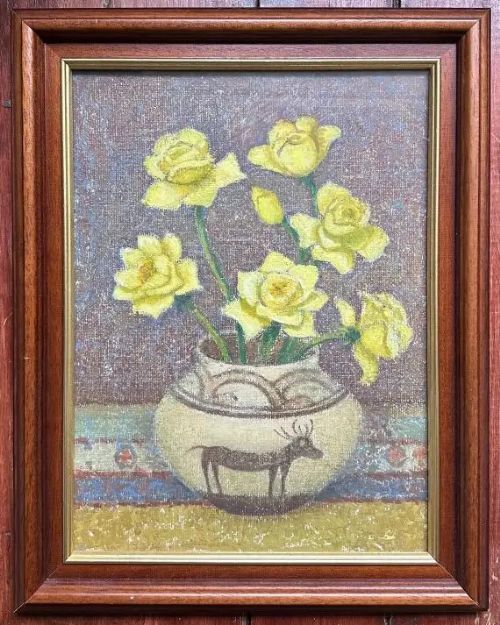
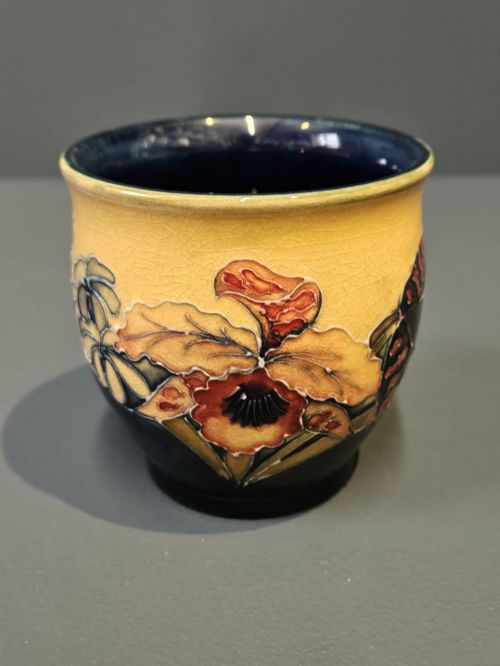
When searching for yellow floral vases, a buyer encounters a diverse selection spanning the nineteenth, twentieth, and mid-century periods. These objects take the form of physical ceramic and glass vessels, alongside oil and watercolour paintings depicting floral subjects.
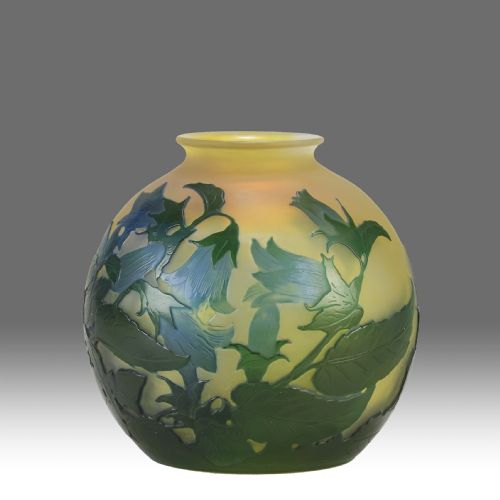
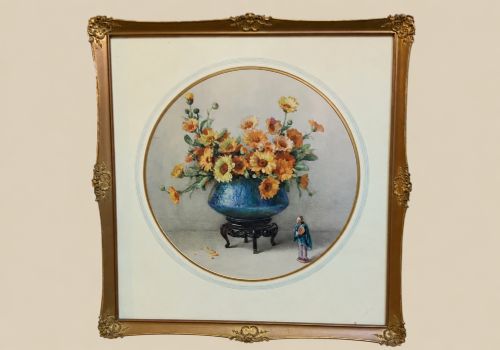
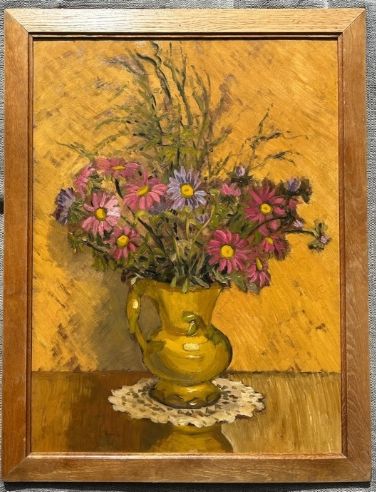
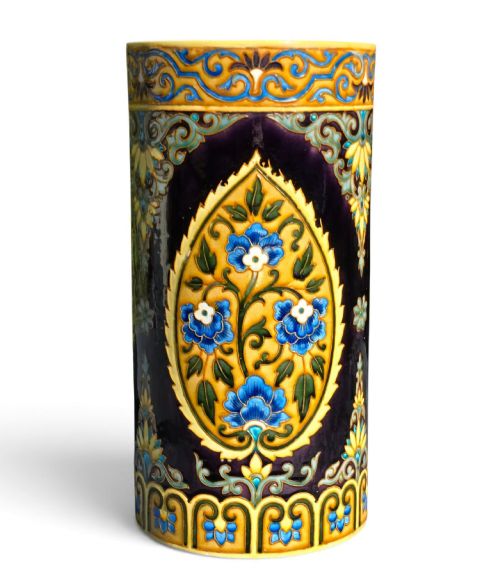
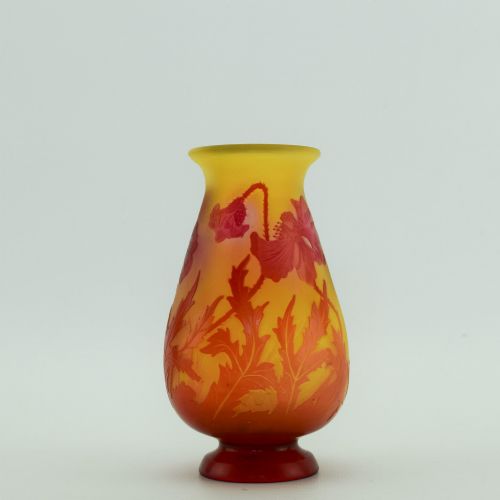
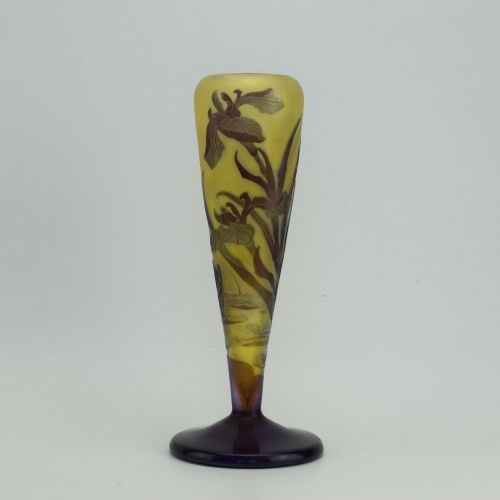
The physical vessels on this page include cameo glass pieces from the early twentieth century, alongside earthenware and porcelain examples decorated with floral motifs. Paintings capture similar botanical themes in oil on canvas and watercolour on paper.
Art Nouveau and Art Deco designs feature heavily alongside mid-century pieces, reflecting shifts in taste from naturalistic plant forms to geometric and modernist expressions.
How they were made
Glass vessels rely on cameo glass and acid-etched techniques to build layered coloured motifs, while ceramics utilise glazes, enamel, and hand-painted decoration on ironstone, faience, and porcelain bodies.
Painted works employ oil paint on canvas and board or watercolour on paper to render floral still lifes with fine brushwork and varied colour palettes.
Yellow Floral Vases Retail Price Guide 2026
Typical asking prices for yellow floral vases among the pieces listed under this phrase on Sellingantiques today, from the lower quarter to the upper quarter. They describe what is for sale here now, not the wider market.
Listings include cameo glass, oil paint, watercolour, and ironstone across periods from the nineteenth century to the mid-century.
What varies in quality
Quality rests on the precision of the execution, whether in the depth of acid-etching on cameo glass or the fine control of brushwork in oil and watercolour paintings.
The distinction between standard production and exceptional work lies in the clarity of the botanical detail and the harmony of the overall composition.
Théodore Deck·Emile Gallé·Daum Frères·Doulton Lambeth·Burmantofts Faience·Paul Nicholas·Royal Worcester·Karl Palda
The Yellow Floral Vases Glossary
- Cameo glass
- A method of manufacturing glass objects by etching or carving through fused layers of different colours to create a raised design. This technique gained prominence during the Art Nouveau period.
- Faience
- A type of tin-glazed earthenware decorated with opaque colours over a white background. It appears frequently in nineteenth-century pottery.
- Ironstone
- A heavy, durable type of ceramic developed in the nineteenth century as a robust alternative to porcelain. It provides a solid ground for painted floral decoration.
- Acid-etched glass
- A technique using acid to eat away exposed surfaces of glass to create texture and pattern. It allowed makers to produce intricate floral motifs efficiently.
Yellow Floral Vases: Frequently Asked Questions
What periods do these pieces come from?
The selection spans from the nineteenth century through the Edwardian era and into the mid-twentieth century. Pieces reflect prevailing design movements of their respective decades.
Art Nouveau and Art Deco aesthetics sit alongside mid-century impressionism and earlier Victorian works.
How are glass vases decorated?
Glass makers utilised cameo techniques and acid-etching to build up floral designs in relief. Multiple layers of coloured glass were carved or etched away to reveal the finished motif.
Enamel accents sometimes added further colour to the surface of the vessel.
Are all the items physical vases?
The search encompasses both physical vessels and painted representations of flowers in vases. Ceramic and glass stands sit alongside original oil and watercolour paintings.
Both categories focus on the theme of floral arrangements and botanical studies.
What ceramic types are represented?
Pottery items include ironstone, faience, and earthenware bodies decorated with hand-painted or glazed floral designs. Factories produced both utilitarian vessels and ornamental display pieces.
Glazes range from high-gloss finishes to matte surfaces characteristic of late nineteenth and early twentieth-century production.