
Yellow Diamond Solitaire Engagement
Yellow diamond solitaire engagement rings bring together brilliant warmth and classic single-stone settings from the Victorian, Edwardian, and Art Deco periods.
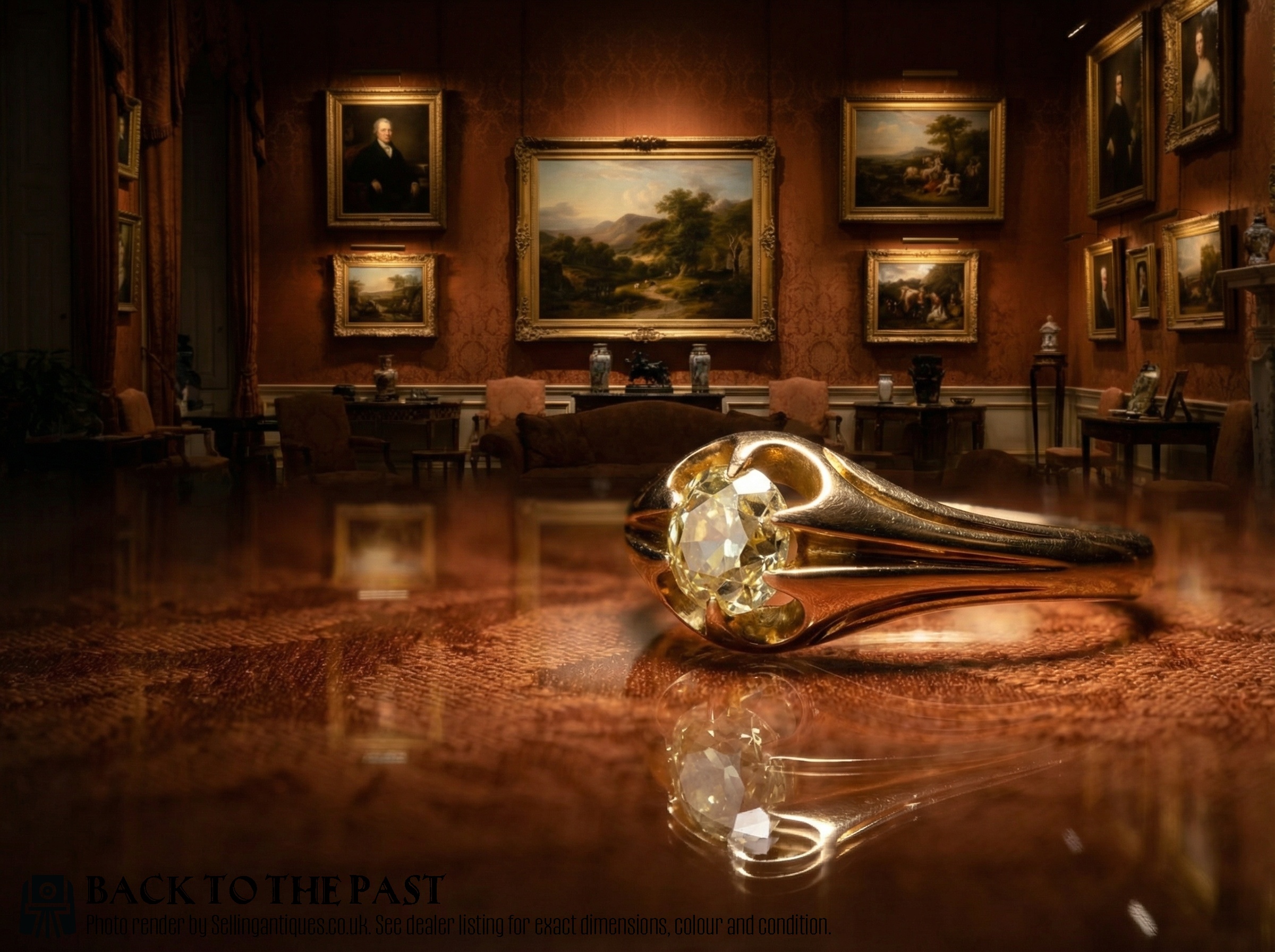
Yellow Diamond Solitaire Engagement
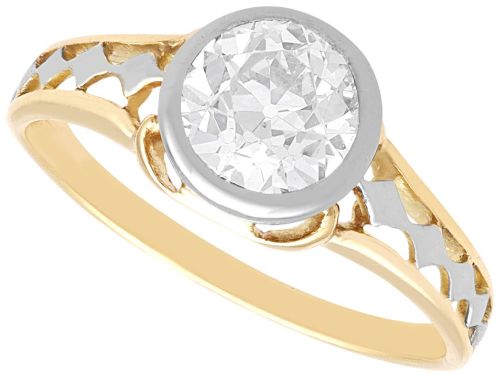
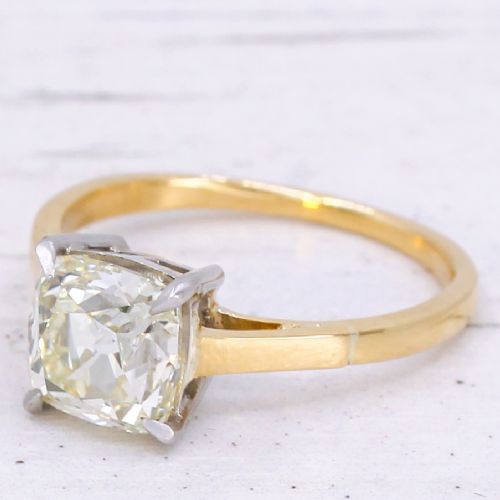
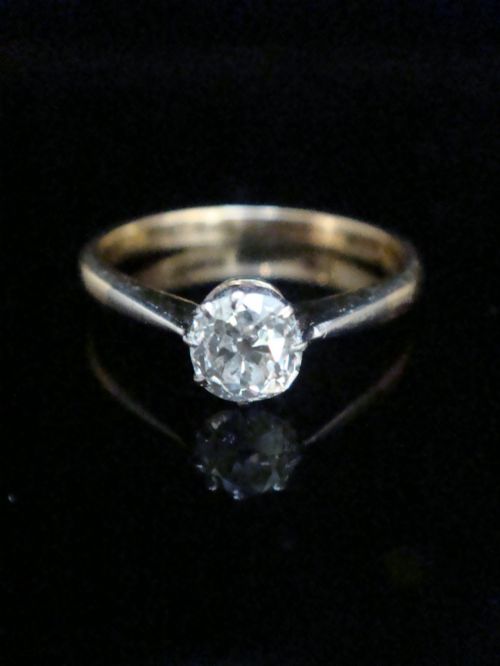
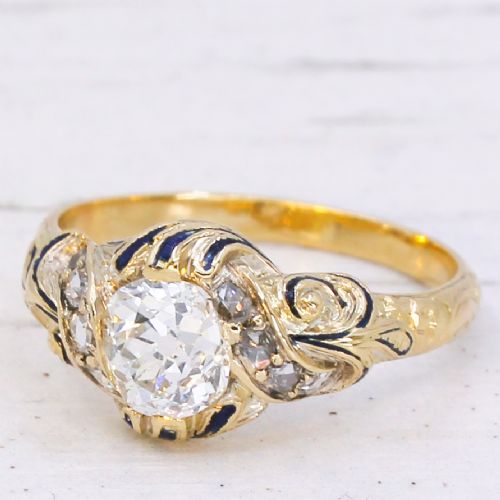
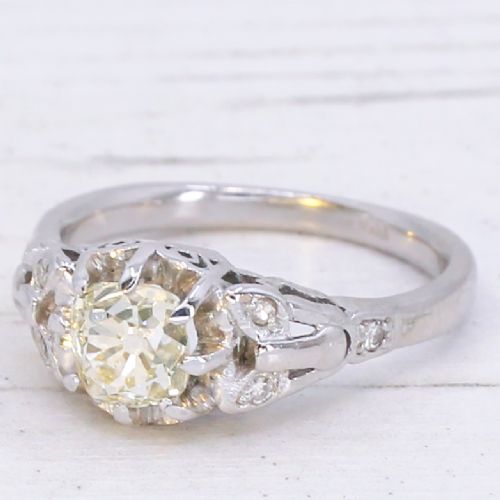
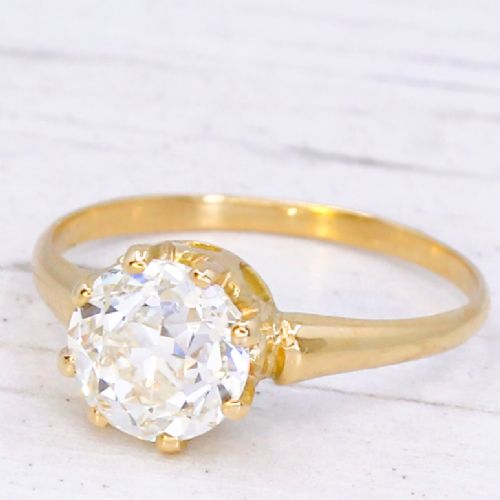
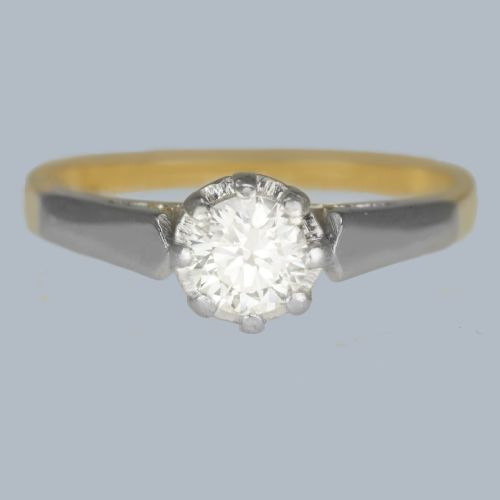
A yellow diamond solitaire engagement ring focuses attention on a single warm-toned central stone mounted within periods spanning from the Victorian era through the mid-twentieth century.
The selections recorded here centre heavily on the Art Deco and Edwardian eras, alongside vintage items from the nineteen-thirties, forties, and fifties.
How they were made
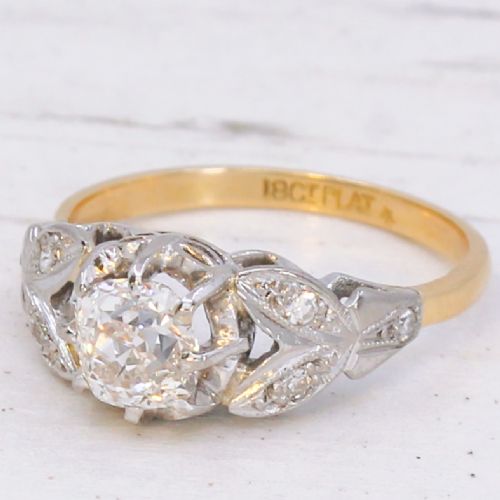
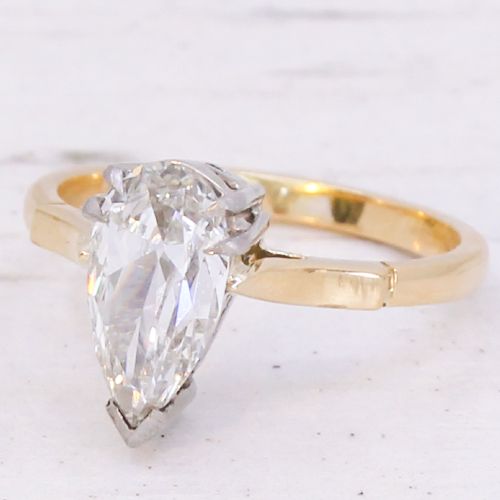
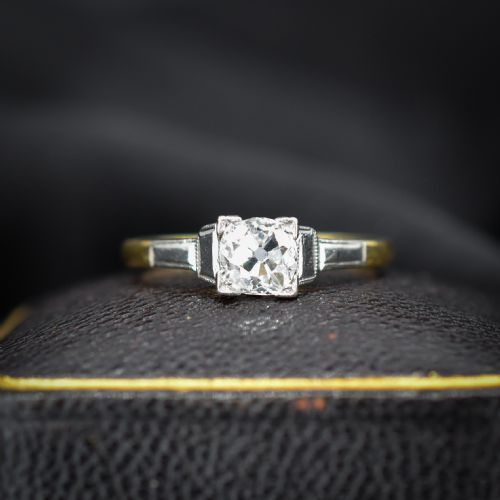
Goldsmiths shaped mountings predominantly from eighteen-carat yellow gold and platinum, often pairing the two metals in Art Deco designs to frame the central gemstone.
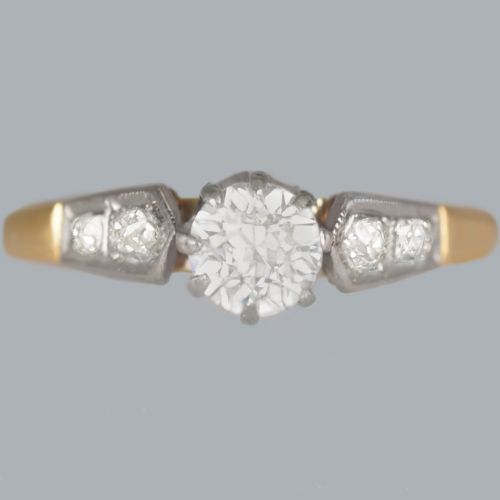
Stones display characteristic period cuts such as old European cuts, old mine cuts, and early brilliant cuts, shaped by hand to maximise the natural colour and light return of the diamond.
Some vintage rings carry hidden inscriptions worn down to a whisper by decades of secret affection.
What varies in quality
The distinction between tiers rests upon the harmony of the mounting, the depth of the yellow tint within the diamond, and the precision of the period hand-cutting.
Subtleties in metalwork, such as crisp platinum millgraining against warm eighteen-carat yellow gold, separate standard production from superior craftsmanship.
The Yellow Diamond Solitaire Engagement Glossary
- Solitaire
- A ring setting designed to showcase a single central gemstone without competing accent stones. This minimal arrangement places full visual emphasis on the properties of the main diamond.
- Platinum
- A dense, durable white metal frequently utilised in Edwardian and Art Deco mountings. Its strength allowed jewellers to create fine, intricate wirework and secure claw settings.
- Millgraining
- A decorative technique involving tiny, raised beads of metal along the edge of a setting. This textured border is characteristic of fine Edwardian and Art Deco jewellery.
- Illusion Set
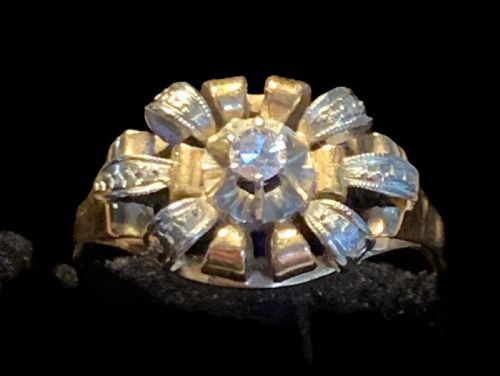
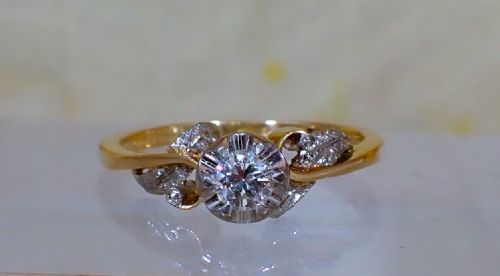
- A mounting style where the stone is nestled within a faceted metal plate designed to reflect light and make the diamond appear larger. This method was widely used during the Victorian and later eras.
Yellow Diamond Solitaire Engagement: Frequently Asked Questions
What defines a yellow diamond solitaire engagement ring?
These pieces feature a single warm-toned yellow diamond mounted as the central focus of a ring. They draw on historical periods from Victorian times through to the mid-century.
The design relies on the contrast between the sunny hue of the diamond and the surrounding metalwork, which is frequently yellow gold or platinum.
How do I care for antique yellow diamond rings?
Antique rings require gentle handling due to their delicate historical settings and older cut stones. Regular cleaning with mild soap and warm water helps maintain the brilliance of the diamond.
It is wise to remove the ring during heavy manual tasks to protect the gold and platinum claws from wear.
How can I tell an Art Deco ring apart?
Art Deco pieces typically display geometric symmetry, sharp lines, and strong contrasts between yellow gold and platinum. Jewellers of this era favoured precise shapes and integrated settings.
Maker details and hallmarks inside the band often provide further clues to the manufacturing decade.
Why choose an old cut diamond?
Older diamond cuts were shaped by hand to catch candlelight and gaslight, resulting in broader, deeper flashes rather than the uniform sparkle of modern stones. This gives each antique diamond a distinct personality.
Such stones carry the authentic craftsmanship of nineteenth and early twentieth-century ateliers.