




Yellow Blue Ceramics
Yellow blue ceramics bring together centuries of glaze work and decorative painting on earthenware, porcelain and tin-glazed vessels.
Yellow Blue Ceramics
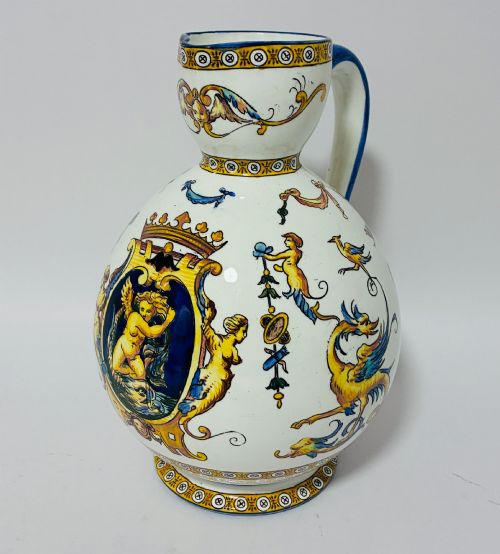
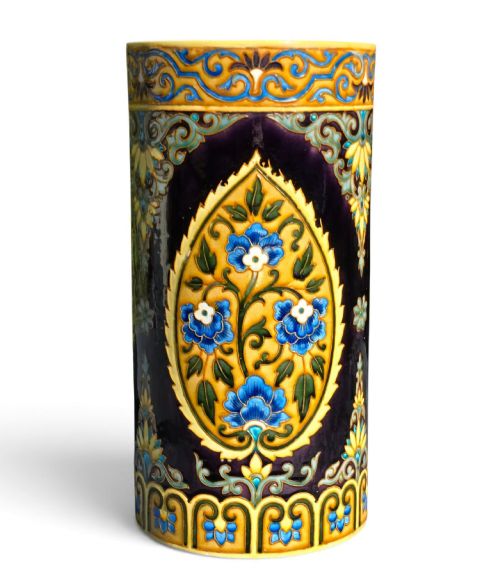
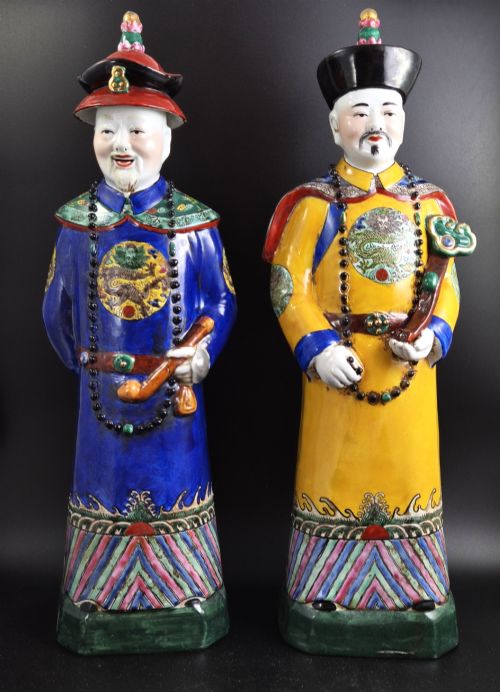
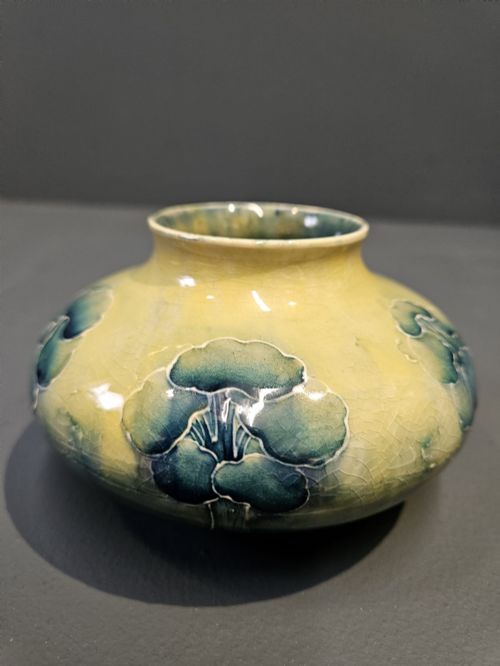
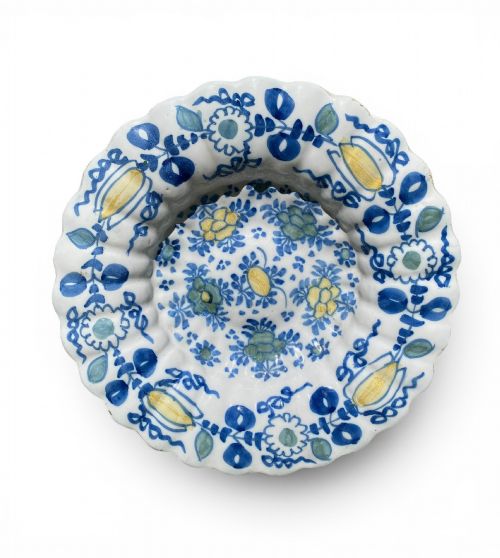
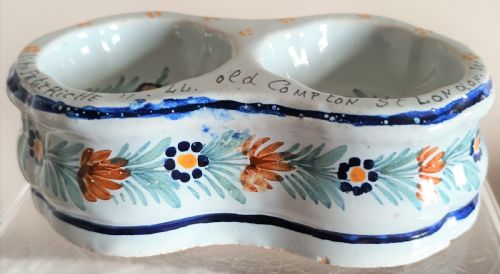
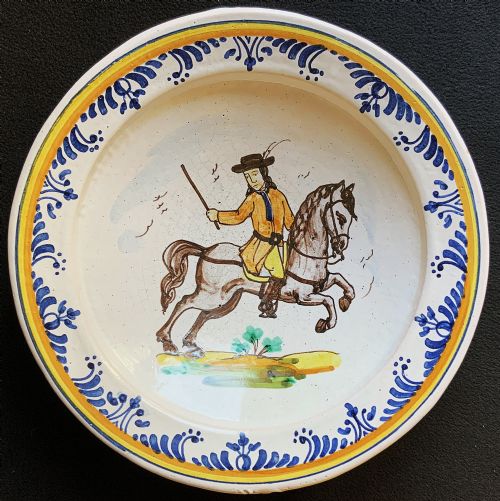
Yellow blue ceramics encompass a broad spectrum of decorative objects, ranging from early tin-glazed chargers and pharmacy jars to later twentieth-century vases and tableware. Collectors seeking yellow blue ceramics will encounter traditional forms such as umbrella stands, wall plaques, decorative plates, and sculptural figures.
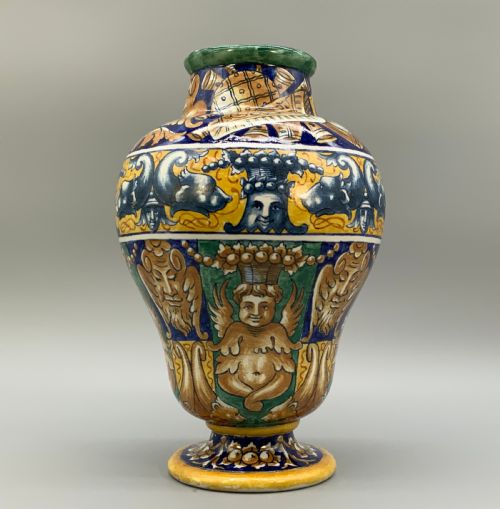
The selection leans heavily toward European tin-glazed earthenwares from the seventeenth and eighteenth centuries, alongside nineteenth-century revivals and early twentieth-century art pottery. Dutch Delft chargers and Italian majolica pieces appear frequently among the listings, displaying spirited hand-painted pigments across tin glaze.
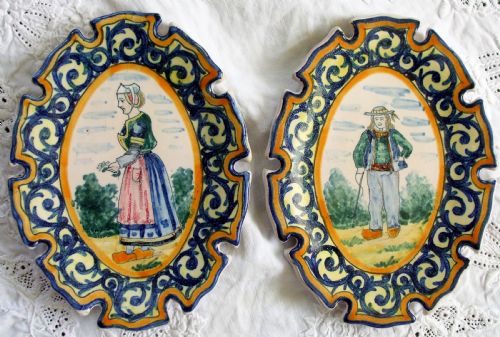
Vessels and figures often reflect regional decorative traditions, from Quimper French faience to English ironstone and Chinese export porcelain. Each object serves primarily as a decorative focal point or a functional container rooted in historic ceramic techniques.
How they were made
Makers shaped these objects from earthenware, porcelain, and ironstone, often applying a tin glaze to create an opaque white surface suitable for direct brushwork. Artisans then painted pigments, including cobalt blue and golden yellows, directly onto the unfired or raw glaze before high-temperature kiln firing.
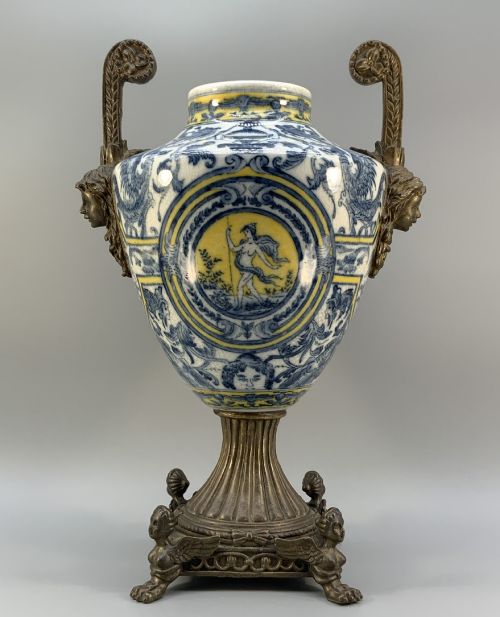
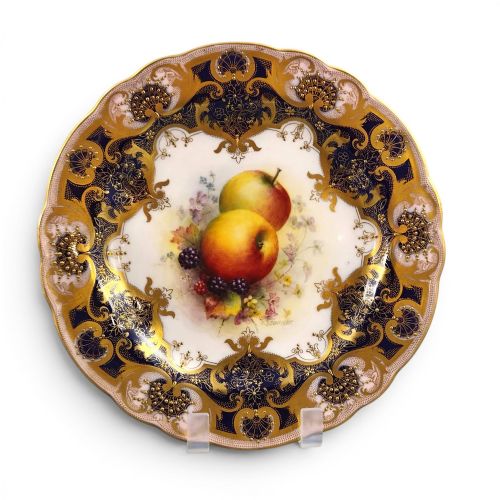
Certain pieces incorporate additional decorative layers such as enamel detailing and gold leaf to enrich the surface texture. Potters utilised specialised crystalline glazes and bronze mounts during later periods to alter the silhouette and finish of the ceramic body.
Yellow Blue Ceramics Retail Price Guide 2026
Typical asking prices for yellow blue ceramics among the pieces listed under this phrase on Sellingantiques today, from the lower quarter to the upper quarter. They describe what is for sale here now, not the wider market.
A proud ceramic parrot keeps watch alongside seventeenth-century pharmacy jars and Victorian tobacco pots.
What varies in quality
Quality rests upon the crispness of the hand-painted brushwork and the depth achieved within the glaze layers. Superior examples display confident pictorial scenes or balanced polychrome patterns where cobalt blues and bright yellows remain vibrant and controlled.
The refinement of the underlying ceramic form and the complexity of the decorative composition distinguish finer studio pieces from standard production wares. Intricate moulding on figures and large chargers with detailed istoriato painting command greater attention than simple utilitarian vessels.
Théodore Deck·Moorcroft·Meissen·Royal Worcester·Quimper·Derby·Ruskin Pottery·Limoges·Spode
The Yellow Blue Ceramics Glossary
- Majolica
- Tin-glazed earthenware produced in Italy and later emulated across Europe, typically featuring colourful polychrome decoration. The technique relies on an opaque white glaze that accepts pigments readily before firing.
- Delft
- Tin-glazed earthenware originating in the Netherlands, famous for imitating Chinese porcelain styles and producing distinctive blue and white or polychrome wares. Plates, chargers and apothecary jars form the bulk of traditional production.
- Faience
- A French and European term for tin-glazed earthenware, encompassing decorative plates, wall plaques and tableware. It frequently displays vibrant painted designs in yellow, blue and green.
- Albarello
- A cylindrical pharmacy jar used in apothecary shops for storing dry or wet medicinal drugs. These jars often feature painted panels and decorative motifs to identify their contents.
- Ironstone
- A durable type of British ceramic developed in the nineteenth century to bridge the gap between earthenware and porcelain. It accepts dense transfer-printed and hand-painted patterns exceptionally well.
Yellow Blue Ceramics: Frequently Asked Questions
What is tin-glazed earthenware?
Tin-glazed earthenware is a ceramic body coated with a glaze containing tin oxide, which fires into an opaque white surface. This layer provides an ideal canvas for painting intricate designs in blue, yellow and other colours.
Potters across Europe utilised this technique for centuries to produce decorative chargers, drug jars and wall plaques that emulated expensive imported porcelain.
How do I care for antique ceramics?
Antique ceramics require gentle handling and should be kept away from direct sunlight and sudden temperature changes. Dust them softly with a dry cloth rather than using liquid cleaners.
Display vessels securely on stable surfaces, and avoid placing unglazed bases directly onto delicate wooden furniture to prevent scratching.
What are apothecary jars used for?
Apothecary jars, specifically albarelli, were historically utilised by pharmacists and physicians to store herbs, ointments and liquid medicines. Their distinctive cylindrical shape allowed them to sit neatly on pharmacy shelves.
Today, these jars serve purely as decorative display pieces valued for their historic painted labels and vibrant glazes.