





Yellow Art Deco Glass
Yellow art deco glass brings warmth and striking geometric lines into a room, capturing the vibrant design spirit of the interwar years.
Yellow Art Deco Glass
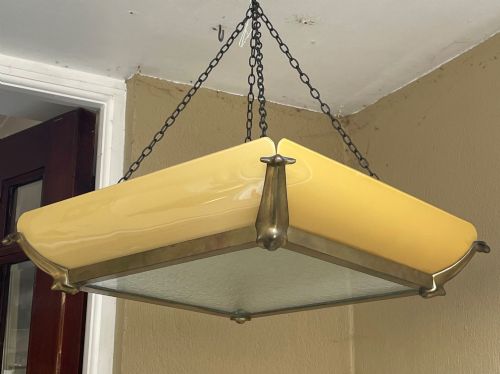
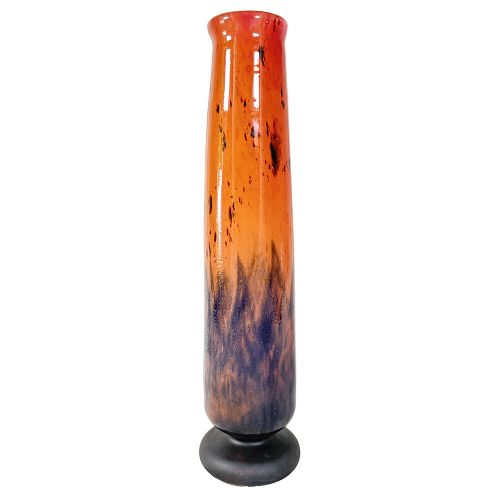
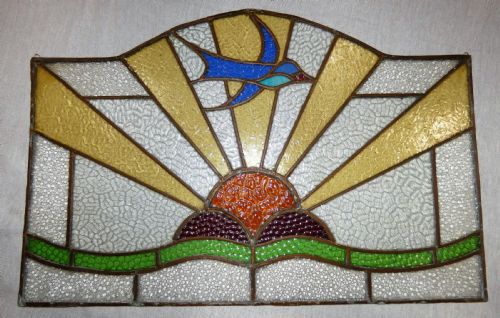
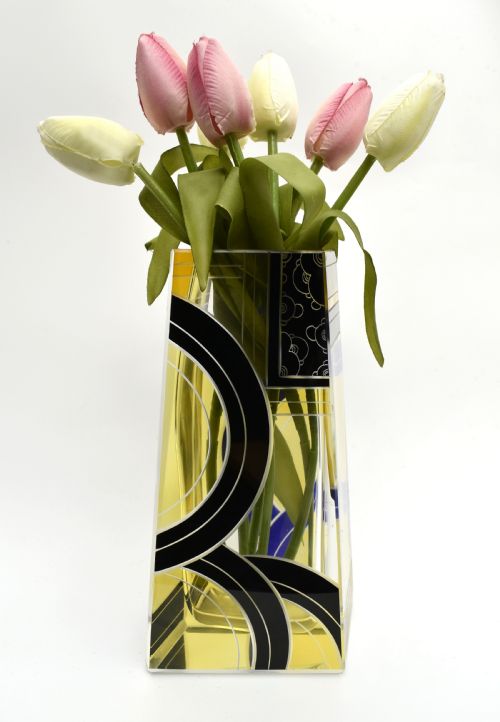
When buyers search for yellow art deco glass, they encounter items shaped by the aesthetic movements of the 1920s and 1930s. The selection ranges from functional table lamps and ceiling lights to decorative bowls, vases, scent bottles, and matching drink sets.
The most common forms on this page include moulded glass bowls, vases, and lighting fixtures originating from French and Czech makers. These pieces utilise distinctive amber and uranium glass tones alongside enamel, brass, and chrome detailing to achieve their characteristic appearance.
How yellow art deco glass was made
Makers utilised blown glass, amber glass, and powdered glass techniques to establish the primary body and rich colour of each item. Molten material was manipulated into geometric moulds or hand-blown to create heavy, substantial forms.
Surface decoration frequently involved acid-etching and enamel work applied directly to the glass. Metal mounts in brass, chrome, and wrought iron were integrated to support lamps and structural panels.
Listings feature items from the 1920 and 1930 periods, incorporating glass, enamel, brass, fabric, and chrome.
What varies in quality
Quality rests in the crispness of the moulded relief and the precision of the surface etching. Pieces produced by established glasshouses display sharper geometric transitions and deeper, more consistent coloration throughout the body.
The integration of secondary materials such as ormolu, wrought iron, and guilloche enamel also distinguishes the standard of manufacture. Finer examples maintain an uncompromised balance between the glass body and its metal or enamel mountings.
Daum·Karl Palda·Degue·Rudolf Hlousek·Rene Lalique·Goldsmith's and Silversmith's Co.
The Yellow Art Deco Glass Glossary
- Uranium glass
- Glass containing a small percentage of uranium dioxide, which causes the material to glow under ultraviolet light. It provides a distinct yellow or green hue in natural light.
- Etched vase
- A glass vessel decorated by applying acid to remove surface layers, creating frosted designs. This technique produced contrasting matte and polished patterns characteristic of the period.
- Guilloche enamel
- A decorative technique where a precise geometric pattern is engraved beneath a translucent enamel layer. It appears frequently on small decorative jars and fitted accessories.
- Amber glass
- A warm-toned glass formulation created through the addition of sulphur, carbon, and iron. It serves as a primary material for many functional vessels and decorative bowls.
- Ormolu
- Gilded bronze mounts applied to furniture and lighting fixtures. It offers a contrasting metallic finish that frames the glass components.
Yellow Art Deco Glass: Frequently Asked Questions
How do I identify genuine yellow art deco glass?
Examine the piece for characteristic geometric forms, mould seams, and period-specific manufacturing techniques associated with the 1920s and 1930s.
Signature marks, etched signatures, and the presence of materials like chrome or wrought iron further confirm authenticity.
Where should I display glass vases and bowls?
Place them in areas with strong natural light to highlight the depth and tone of the amber or uranium glass.
Ensure they sit on stable surfaces away from high-traffic edges, particularly heavier items like monumental table lamps.
How do I clean antique glass lighting?
Dust the glass and metal components gently with a dry microfiber cloth to remove surface particles.
Avoid harsh chemical cleaners that might damage enamel details or compromise the original metal finishes.
What styles accompany these glass pieces?
The items align closely with classic Art Deco design principles, featuring streamlined silhouettes, symmetry, and stylised motifs.
They complement interiors that incorporate period-appropriate metals, dark woods, and geometric textiles.