
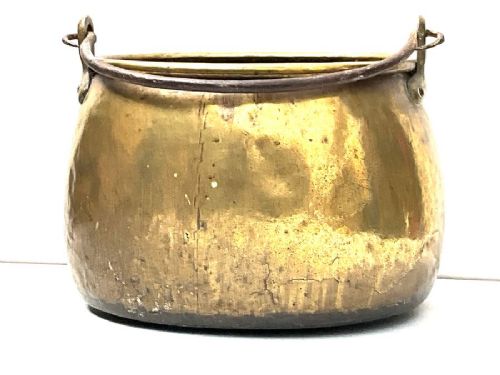


Wrought Iron Handle
A wrought iron handle attaches utility to substance, appearing on domestic vessels, hearth furniture and garden tools from the eighteenth and nineteenth centuries.
Wrought Iron Handle
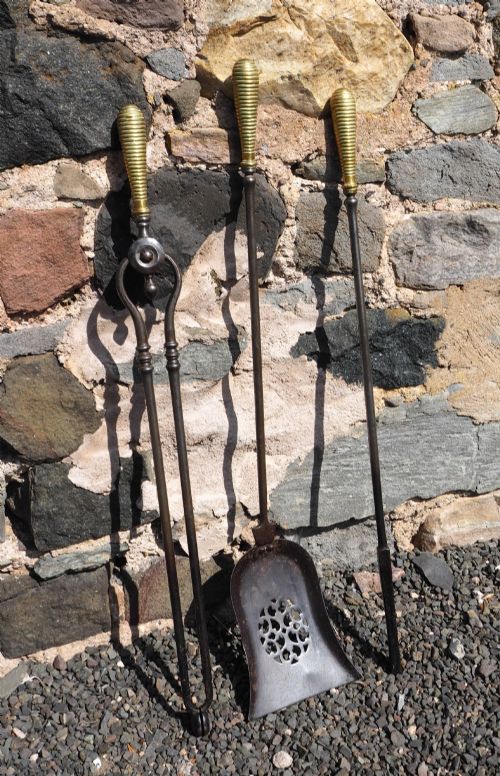
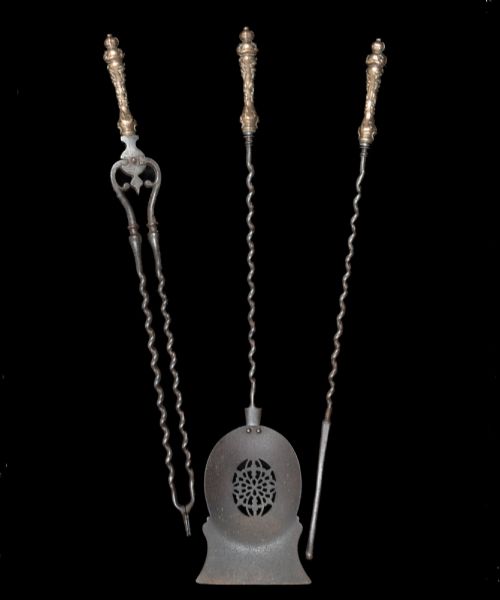
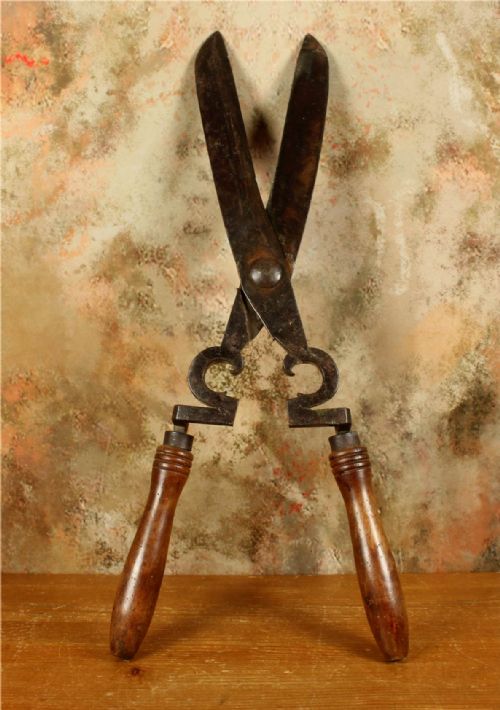
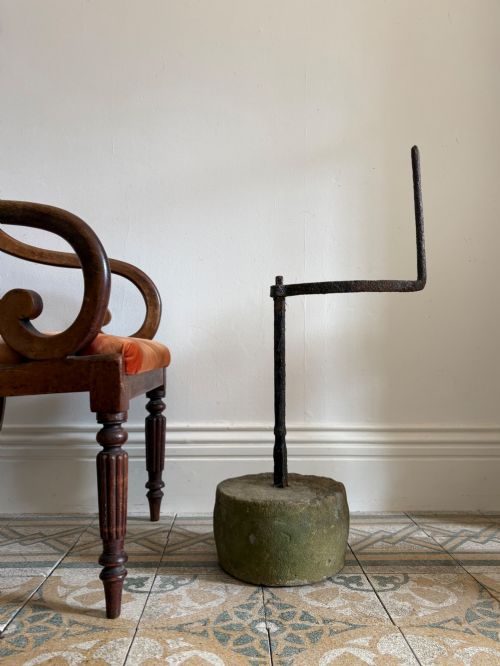
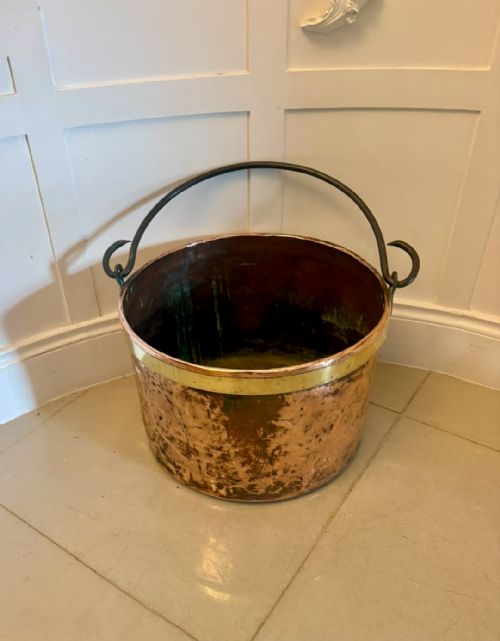
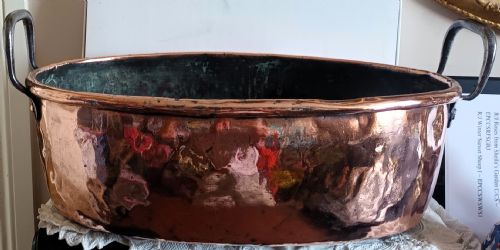
When you search for wrought iron handle, you encounter metal grips and suspension loops fixed to heavy utilitarian objects spanning the seventeenth to the nineteenth centuries. These pieces cross several domestic and architectural categories, including copper cauldrons, brass pans, oak log bins, stone millstones, and iron fire irons.
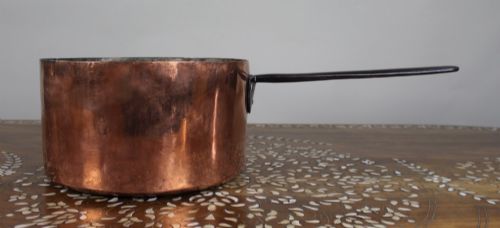
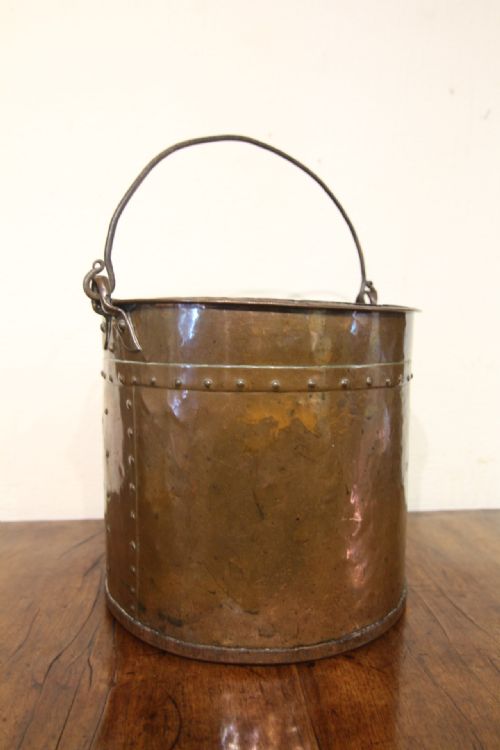
The most frequent examples on this page are nineteenth century copper buckets and cauldrons fitted with forged iron swing handles, alongside eighteenth century cooking pots and fireside accessories. Such items emerge from Georgian, Victorian, and rustic country traditions, where durable metalwork was essential for lifting heavy loads.
Beyond vessels, the search reveals architectural salvage such as seventeenth century door handles and large iron and wood strongboxes. Each piece demonstrates how hand-forged iron served both a functional lifting purpose and a structural role in domestic and industrial life.
Materials and forging techniques
The objects bearing a wrought iron handle combine ferrous metal with copper, brass, wood, oak, or stone. Blacksmiths heated iron bars in a forge, hammering them upon an anvil to shape swings, loops, and brackets while the metal remained malleable.
Vessels feature hand-riveted copper or cast brass bodies joined to these forged iron attachments, often securing the handle through pierced lugs or bolted mounts. In items like strongboxes and well buckets, iron bands and handles reinforce dense woods such as oak and pine.
Surface textures reveal the direct marks of manual production, showing hammer facets and slight irregularities distinct from later machine-rolled steel. This traditional blacksmithing creates strong joints capable of supporting substantial weight in cookware and coal scuttles.
Listings feature wrought iron handles paired with copper, brass, iron, steel, oak, and stone across the eighteenth and nineteenth centuries.
Judging the standard of manufacture
Quality in these pieces rests upon the harmony between the handle and the primary vessel, noting whether the iron attachment is original to the piece. A well-proportioned swing handle demonstrates clean tapering towards the terminals and secure fastening through the body of the copper or wood.
The weight and gauge of the wrought iron indicate the utilitarian standard of the period, with thicker sections showing greater blacksmithing skill. Preservation of the original hand-forged surface without excessive pitting or modern replacement parts elevates the integrity of the item.
The Wrought Iron Handle Glossary
- Wrought iron
- A tough, malleable form of iron containing slag inclusions, traditionally worked by hand on an anvil. It resists corrosion better than modern cast steel.
- Swing handle
- A movable bail or arc attached to opposite sides of a bucket, cauldron, or pan, allowing the vessel to be lifted or suspended over a fire.
- Cauldron
- A large metal pot with a rounded bottom, designed for cooking or heating liquids over an open hearth. These frequently incorporate heavy iron swing handles.
- Strongbox
- A heavily reinforced chest constructed from thick wood and iron bands, secured with complex locks and side lifting handles. They were utilised for safeguarding valuables.
- Architectural salvage
- Building elements removed from older structures, including large door handles and iron hardware preserved for reuse or display.
Wrought Iron Handle: Frequently Asked Questions
What objects use a wrought iron handle?
These handles appear on copper cauldrons, coal buckets, log bins, strongboxes, and heavy doors from the Georgian and Victorian eras.
They were engineered to lift weighty domestic items safely, whether containing hot coals, water, or provisions.
How do I date a wrought iron handle?
Dating relies on the manufacturing marks of the handle and its accompanying vessel, such as hand-hammered facets on iron and hand-cut riveting on copper.
Eighteenth-century examples often display simpler, heavier forged lines, whereas nineteenth-century pieces may show more refined industrial transitions.
Are these handles original to the pieces?
Many items retain their original hand-forged iron handles, secured through historical rivets, mounts, or pivot loops integral to the object's construction.
Careful inspection of the attachment points reveals whether the metalwork matches the age and wear pattern of the main body.
How should I care for iron handles?
Wrought iron benefits from a light application of microcrystalline wax or specialist oil to protect the dark metallic surface from atmospheric moisture.
Keeping the metal dry prevents oxidation while preserving the tactile texture left by the original blacksmith.