

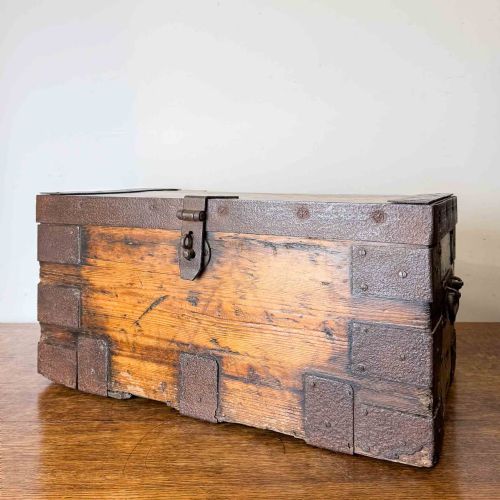


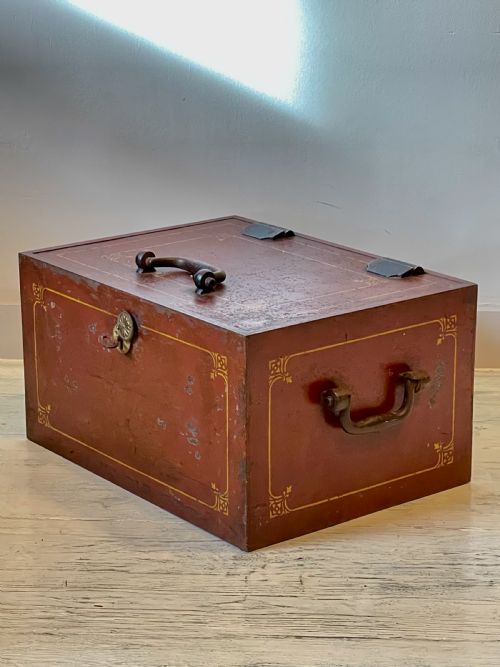

Wrought Iron Chest
These wrought iron chest examples bring rugged utility and centuries of metalwork into a room.
Wrought Iron Chest
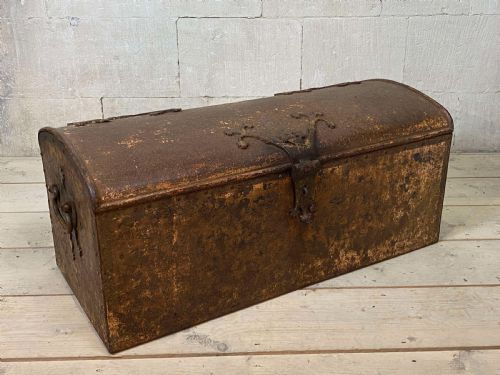
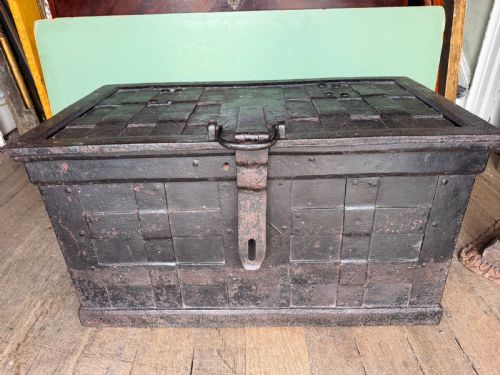
A wrought iron chest or strongbox serves as a sturdy receptacle for valuables, documents and travel gear across multiple centuries. Buyers seeking a wrought iron chest encounter heavy timber boxes reinforced with iron straps, handles and intricate locking mechanisms.
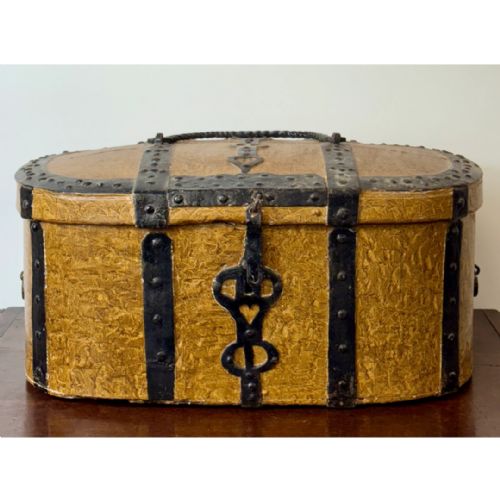
The selections span from sixteenth-century coffers to nineteenth-century painted trunks and strongboxes. Forms range from Spanish walnut and oak boxes to Scandinavian folk art trunks and dome-top coffers.
Origins stretch across Europe and beyond, including German strong-boxes, French elm boxes, and Swedish pine coffers. Each piece combines functional security with the distinct aesthetic of its period and region.
How wrought iron chest items were made
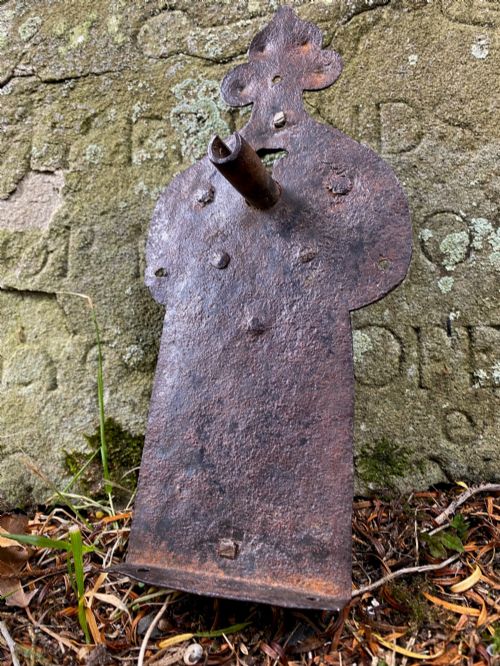
Blacksmiths hammered and shaped wrought iron into straps, hasps, lock plates and carrying hoops to reinforce timber bodies. These metal bands were fastened to wood using iron rivets and nails.
Carpenters constructed the primary bodies using native timbers such as oak, pine, elm, walnut and ash. Surfaces often received coats of paint, particularly in Scandinavian examples featuring decorative motifs.
Wrought Iron Chest Retail Price Guide 2026
Typical asking prices for wrought iron chest among the pieces listed under this phrase on Sellingantiques today, from the lower quarter to the upper quarter. They describe what is for sale here now, not the wider market.
Listings feature timbers including pine, oak, elm, walnut, and ash paired with hand-forged iron work across several European regions.
What varies in quality in wrought iron chest selection
The complexity of the internal locking mechanism dictates a significant portion of value. Elaborate lock plates covering the underside of the lid demonstrate superior locksmithing skill.
The preservation of original surface treatments, whether aged walnut grain or hand-painted folk art decoration, separates standard utility boxes from exceptional decorative examples.
The Wrought Iron Chest Glossary
- Armada chest
- A heavy iron strongbox traditionally associated with Spanish naval fleets, featuring complex internal locking mechanisms operated by a single key.
- Coffer
- A chest or box used for holding valuables, distinguished by a heavy lid and structural iron bands.
- Strongbox
- A secure box constructed with thick timber or metal walls and reinforced with iron straps for protecting currency and documents.
- Vargueno
- A traditional Spanish cabinet form featuring a drop-front writing flap and an arrangement of small drawers.
- Lock plate
- A decorated metal plate surrounding a keyhole, often engraved or pierced in period pieces.
Wrought Iron Chest: Frequently Asked Questions
What were wrought iron chests used for?
These containers secured currency, precious documents, and valuable personal belongings against theft during travel or at home.
Their heavy iron reinforcement and complex locks provided essential security before modern banking systems developed.
How do I date a wrought iron chest?
Dating relies on combining the construction style of the timber body with the fabrication technique of the ironwork and locks.
Earlier pieces from the sixteenth and seventeenth centuries typically show hand-forged strapwork and intricate internal mechanisms, while later nineteenth-century examples often feature painted finishes.
Are keys usually included with these chests?
Many period strongboxes retain their original working keys, though some survive without them due to centuries of displacement.
Even without a key, the internal lock mechanism remains a primary visual feature of the lid interior.
How should I care for a wooden chest with iron mounts?
Maintain stable indoor humidity to protect both the timber body and the historic iron components from environmental stress.
Apply microcrystalline wax sparingly to the metal straps to prevent oxidation while preserving the dark patina.