
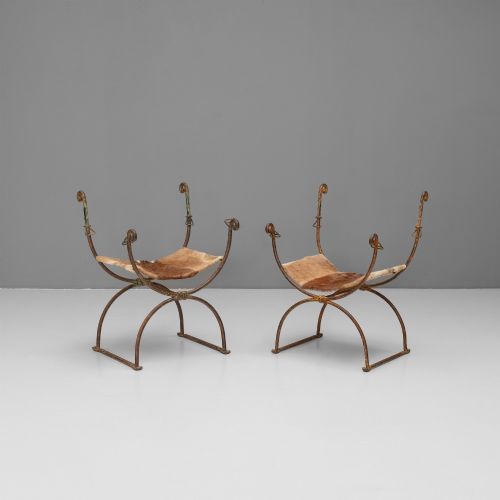
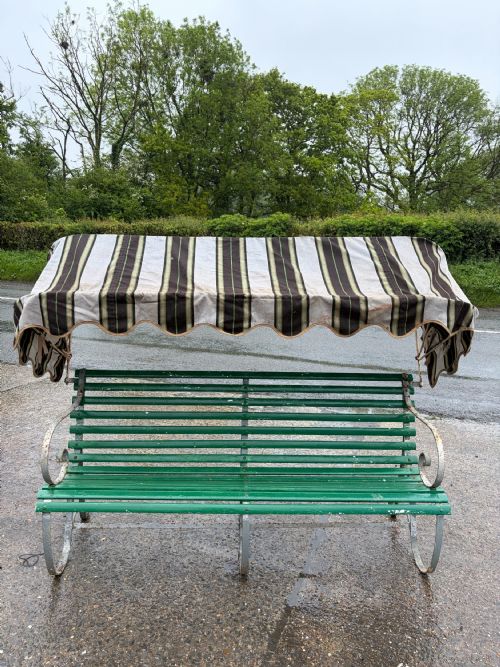
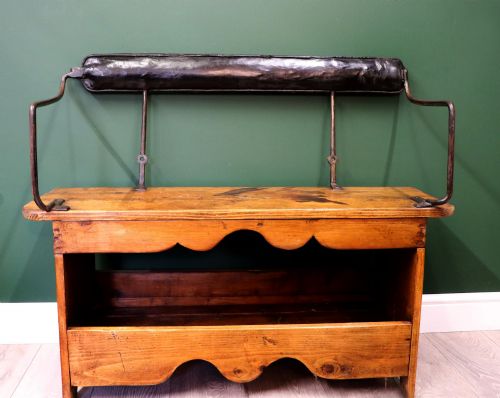
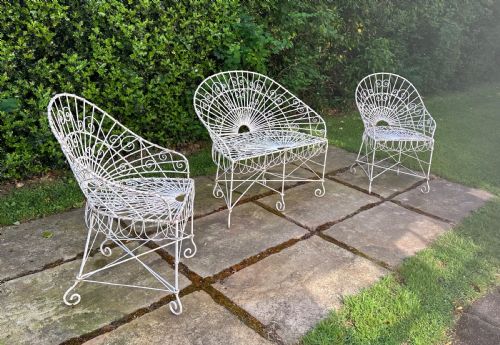


Wrought Iron Bench
A wrought iron bench brings structural heft and outdoor endurance, offering durable seating shaped by historical ironwork traditions.
Understanding the Wrought Iron Bench
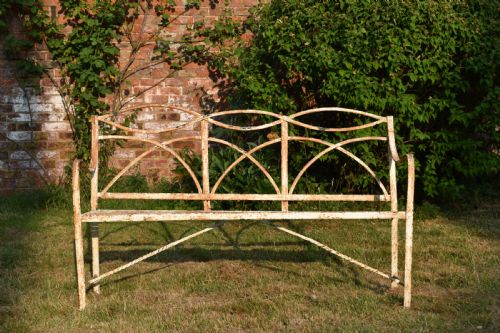
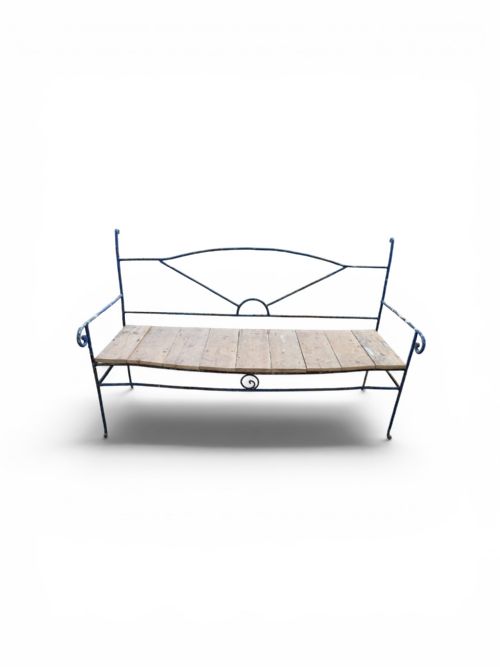
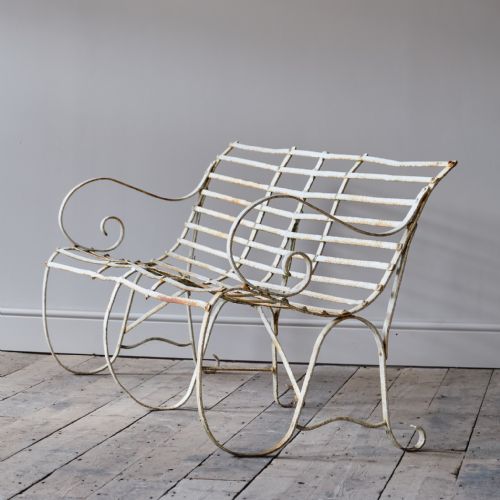
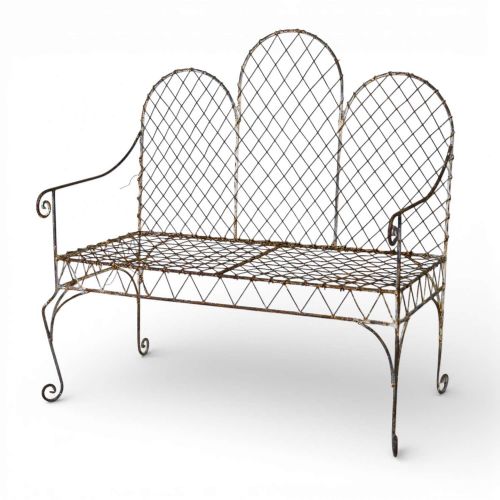
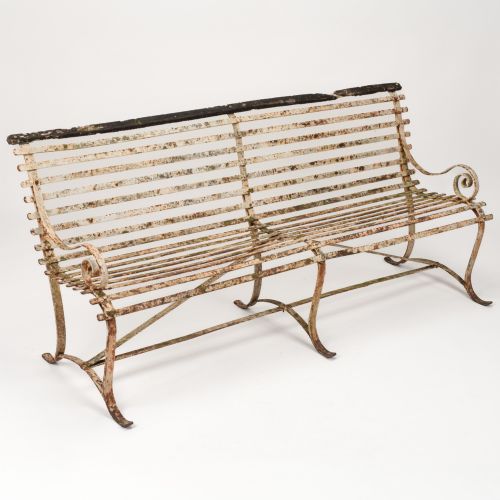
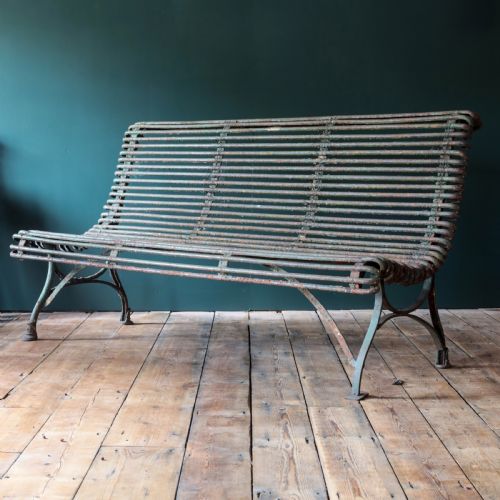
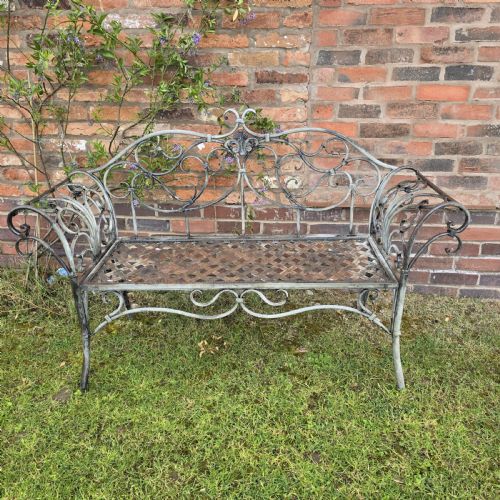
A wrought iron bench serves primarily as a robust garden or conservatory seat, drawing on heavy metal framing and strapwork construction. Buyers searching for a wrought iron bench encounter forms ranging from nineteenth-century park seats to French Gothic and Edwardian garden designs.
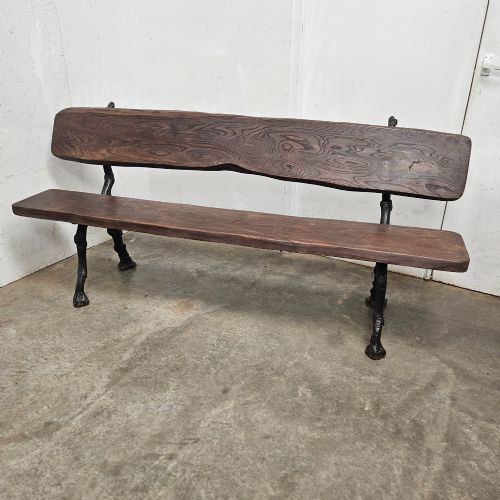
The pieces available include traditional Arras patterns, multi-seater garden benches, and examples paired with wooden slats or pine elements. These items span periods from the Regency era through to the mid-twentieth century, showing diverse regional origins including English and French workshops.
Assessing Quality and Character
Quality rests in the precision of the strapwork, the complexity of the scrollwork, and the integrity of the original frame structure. Superior examples maintain their proportional balance and original surface coatings, whereas heavily restored pieces may show replaced structural members.
The presence of early painted finishes or maker attribution elevates an example, reflecting how well the iron has survived decades of outdoor exposure. Proportion and seating capacity also dictate utility, with longer four-seater or triple-seat formats offering greater architectural presence than standard twin seats.
Retail Price Guide 2026
Typical UK retail prices for wrought iron bench, calculated from the Sellingantiques database of over a million retail prices indexed since 2003. This retail price guide relies exclusively on Sellingantiques data; no external sources or auction records are used, so the figures do not describe the wider market.
The inventory records both single garden chairs and long benches extending up to eight feet in length.
F Bird & Co·Crassin
The Wrought Iron Bench Glossary
- Strapwork
- Flat strips of iron or steel riveted and shaped into geometric or scroll patterns. This technique provides the structural framework and decorative grille for many nineteenth-century seats.
- Arras
- A distinct style of French garden furniture featuring curved iron straps and maker plaques. These pieces originated from northern French foundries around nineteen hundred.
- Conservatory bench
- A lighter indoor or semi-sheltered seating form designed for glasshouses. These items often incorporate refined painted timber elements alongside metal frames.
- Regency
- An English design period spanning the early nineteenth century characterised by classical restraint and scroll motifs. Pieces from this era often utilise delicate strapwork.
- Patina
- The surface appearance developed through age, weathering, and layered paint applications. Original paint layers contribute significantly to the historical character of garden metalwork.
Frequently Asked Questions
Can I leave a wrought iron bench outside all year?
Most historic garden seats handle outdoor exposure well due to their heavy metal construction and protective paint layers. However, prolonged dampness can accelerate metal oxidation and degrade wooden slats.
Moving pieces into a shed or conservatory during harsh winter months helps preserve original painted surfaces and pine components.
How do I identify a Regency period iron bench?
Regency examples typically display precise strapwork patterns, elegant scroll arms, and lighter structural proportions than later Victorian pieces. They reflect classical design influences popular during the early nineteenth century.
Later Victorian versions often scale up in length and weight, accommodating multiple sitters with heavier cast and wrought iron framing.
What is an Arras garden bench?
Arras benches originate from French workshops known for distinct curved iron strap construction and robust durability. They often feature proprietary structural bracing and maker plates.
These pieces are sought after for their specific regional French industrial aesthetic and careful nineteenth-century metalwork.
How should I clean an antique garden seat?
Gentle washing with warm water and a soft brush removes surface dirt without harming fragile historic paint layers. Avoid harsh chemical strippers or abrasive pads that damage the underlying metal patina.
Preserving original paint finishes maintains the historical integrity and visual character of older garden furniture.