
Writing Bureau with Cabinet
A writing bureau with cabinet combines a fall-front desk and display shelving to hold correspondence and volumes alike in one fitted piece.

Writing Bureau with Cabinet
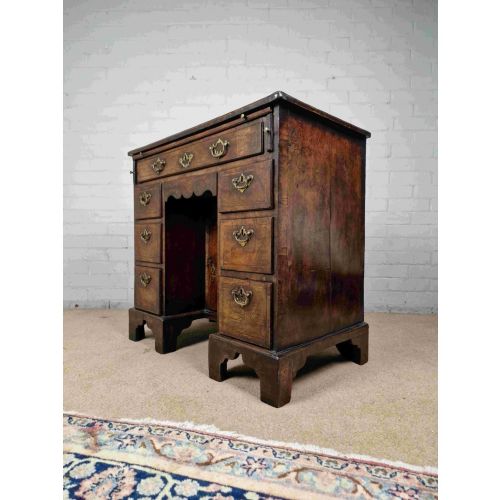
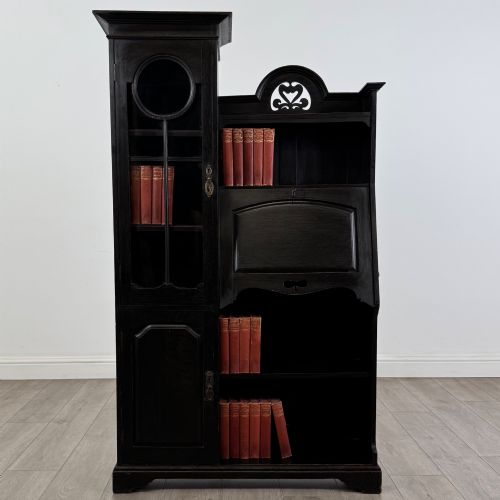
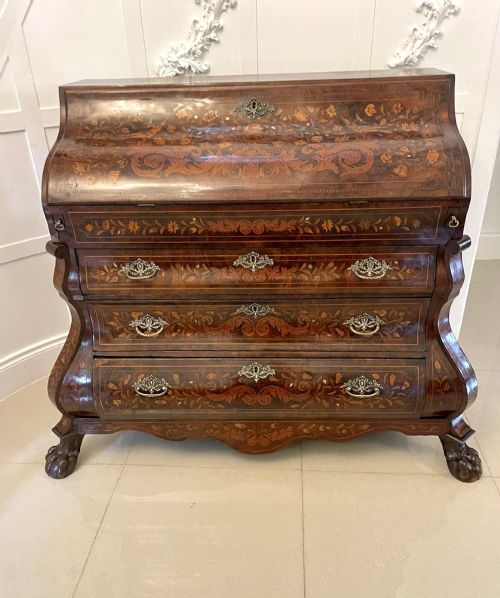
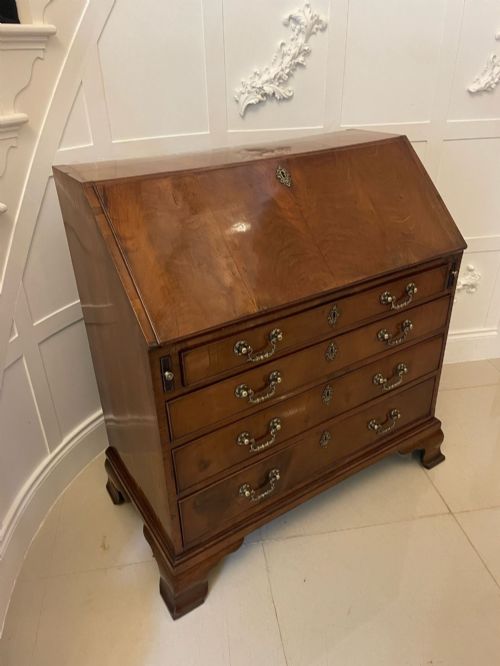
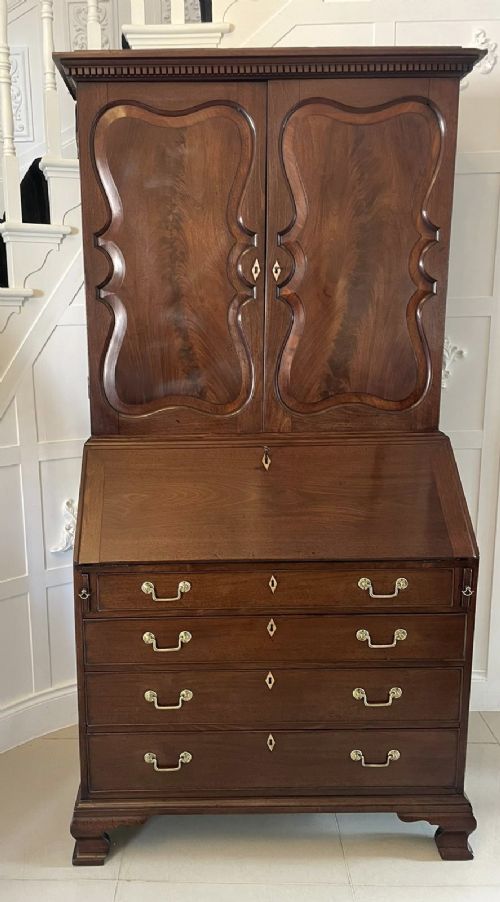
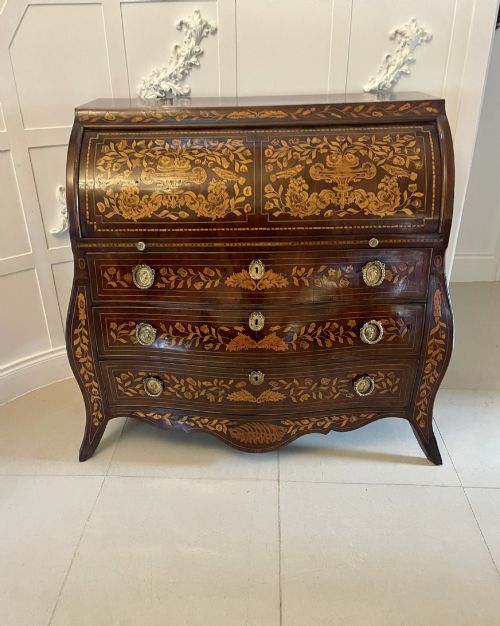
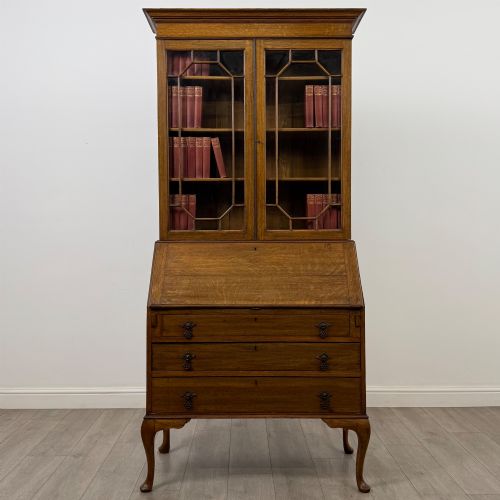
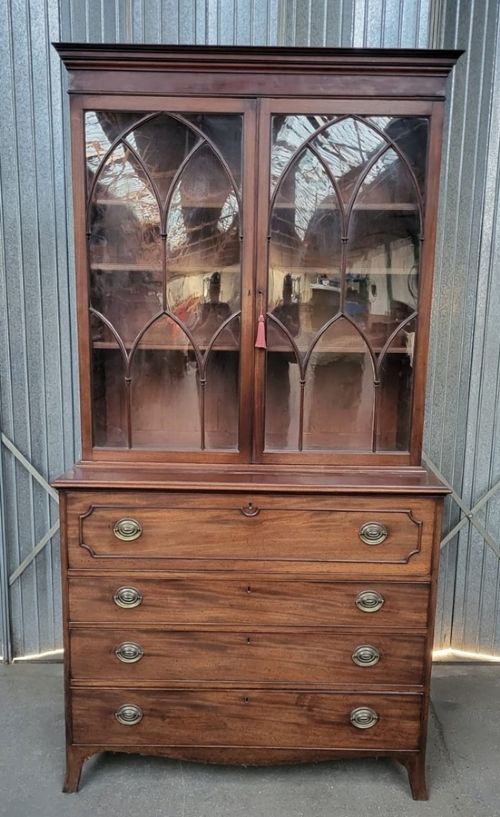
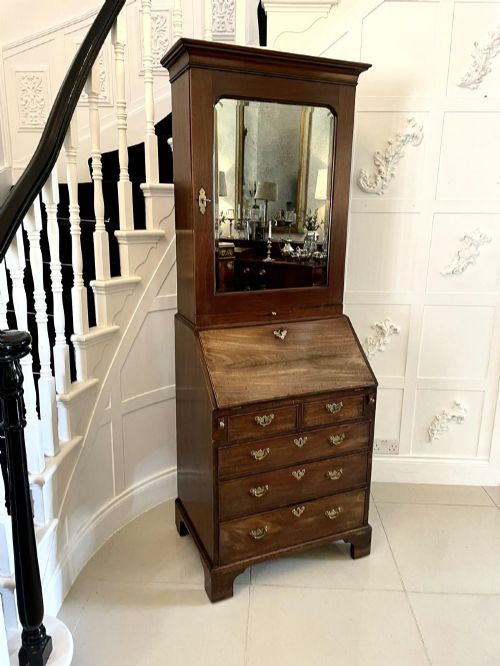
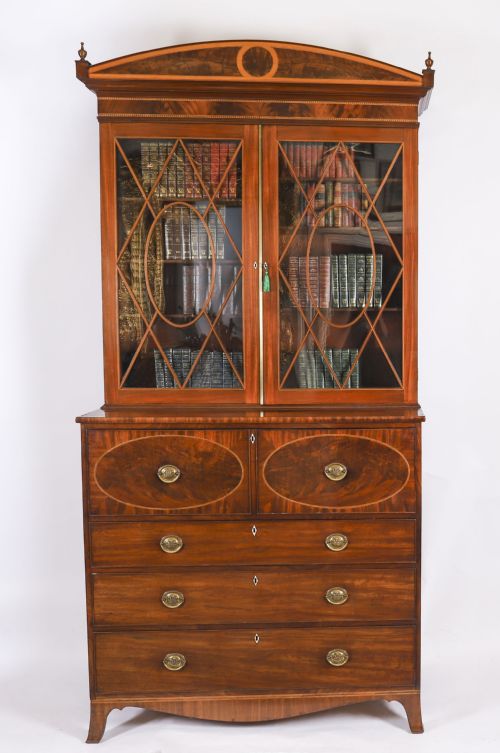
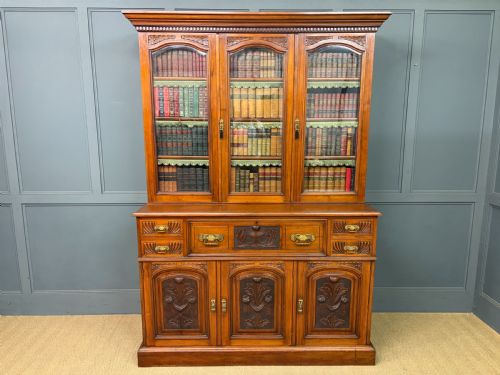
A writing bureau with cabinet brings together a sloping fall-front desk and an upper bookcase or display section into a single tall furniture form. These hybrid pieces appear across several centuries, with particular strength in Georgian and Victorian examples alongside Edwardian variations.
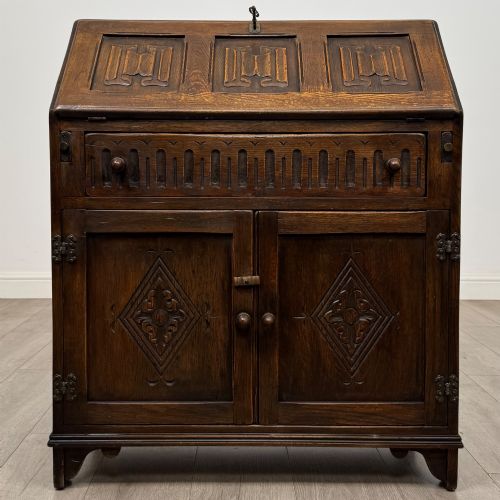
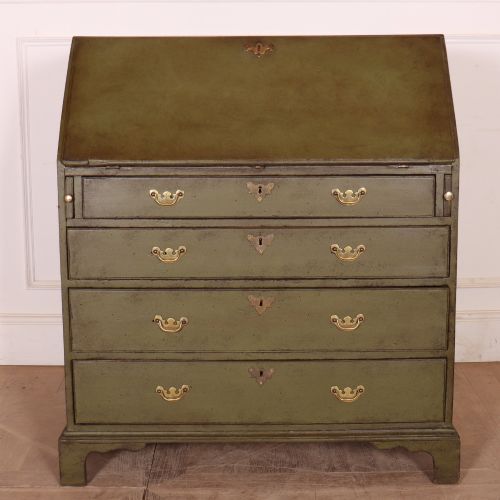
The lower section usually provides a hinged writing flap that drops down to reveal pigeonholes and small drawers, often termed a fitted interior. Below this writing surface, drawers provide additional storage while the upper cabinet encloses shelves behind timber or glazed doors.
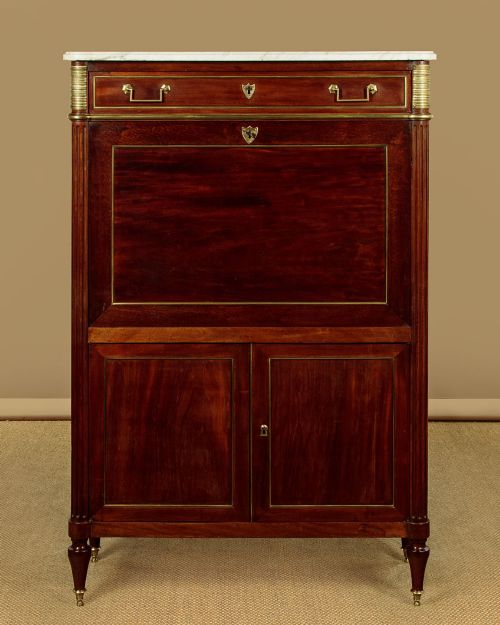
Georgian and 18th-century pieces often display figured walnut or dense mahogany, whereas Victorian and Edwardian examples utilise oak, burr walnut, and satinwood inlay. Bureau bookcases and secretaire cabinets serve the same fundamental purpose of concealed writing space combined with upright display.
Materials and construction
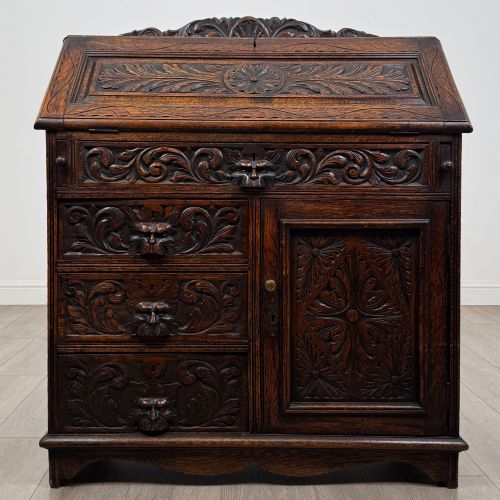
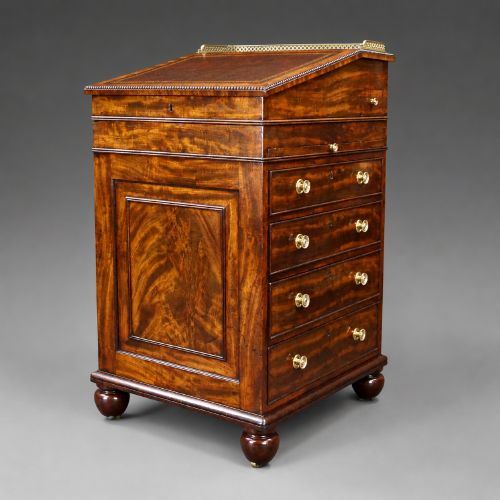
Cabinet makers constructed these pieces using solid timbers like oak and mahogany, frequently applying decorative veneers such as burr walnut, flame mahogany, kingwood, and satinwood across the primary surfaces. Crossbanding and stringing in contrasting woods define the drawer fronts and fall flaps.
Brass hardware, including escutcheons, drop handles, and hinges, secures the doors and drawers while glass panes protect the upper bookcase compartments. Specialised writing surfaces often incorporate leather inserts framed by timber borders.
Several clever writing desks incorporate secret compartments hidden behind dummy drawers inside the fitted interior.
Craftsmanship and materials
The choice of timber grain sets the visual standard, with highly figured veneers, matched flame patterns, and intricate marquetry marking out superior cabinet work. Secondary timbers inside the concealed drawers reveal whether a maker used fine oak or simpler woods.
The complexity of the interior fittings, such as stepped pigeonholes, secret compartments, and finely turned small drawers, separates standard production from exceptional craftsmanship. Original hardware, intact glass panels, and well-fitted fall-front hinges maintain the integrity of the piece.
Gillows·Tudor and Burrey Shrewsbury
The Writing Bureau with Cabinet Glossary
- Bureau bookcase
- A combined writing desk and shelving unit where a fall-front bureau sits beneath an enclosed bookcase. This dual-purpose form dominated gentleman's studies and parlours throughout the Georgian period.
- Secretaire
- A desk or cabinet featuring a concealed writing drawer or fall-front panel that pulls down to reveal a fitted interior. The term often describes French or Continental variants with specialised writing compartments.
- Fall front
- A hinged writing flap that opens outward to a horizontal position for writing and folds upward to conceal the interior. It rests on lopers or support arms when open.
- Fitted interior
- The arrangement of small drawers, pigeonholes, and central compartments revealed when the fall front opens. Better examples include secret locking compartments and arched pigeonholes.
Writing Bureau with Cabinet: Frequently Asked Questions
What is a writing bureau with cabinet?
A writing bureau with cabinet is a tall piece of furniture featuring a lower desk with a sloping fall front and an upper shelving section enclosed by doors.
These pieces combine workspace and book storage into a single vertical footprint, making them practical for studies and living rooms.
How do I use a fall front desk?
The hinged writing flap pulls down into a horizontal position, supported by wooden pull-out lopers on either side.
Opening the flap reveals the internal pigeonholes and small drawers for organising stationery and letters before closing it back up to hide the work.
Are these pieces oak or mahogany?
The evidence shows examples constructed from both timbers, with oak appearing frequently in earlier periods and robust country pieces.
Mahogany and walnut versions often feature finer veneers, polished surfaces, and decorative inlays suited to formal rooms.
How do I date a bureau bookcase?
Dating relies on observing the timber choice, construction methods of the internal drawers, and stylistic details like bracket feet or cornice moulding.
Georgian examples tend to show dense mahogany or walnut with simple lines, while Edwardian pieces often incorporate satinwood inlay and lighter oak frames.