

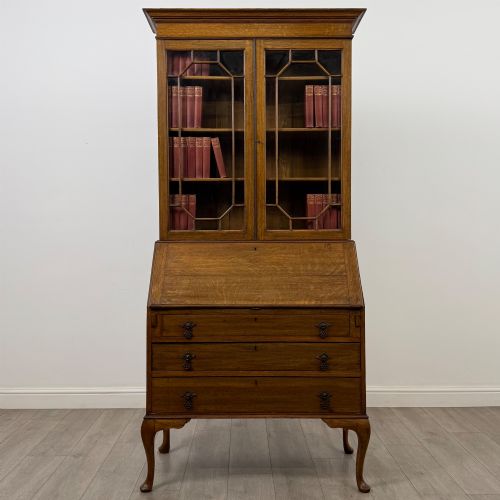
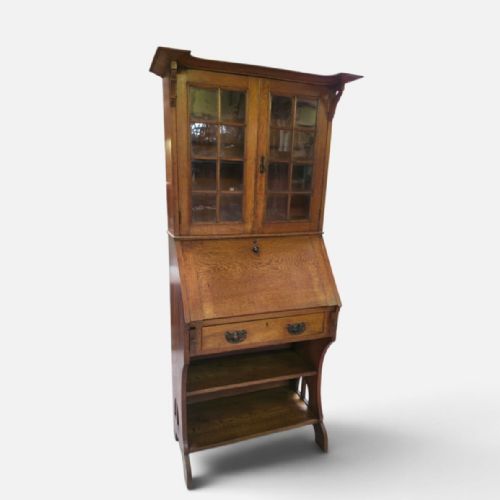
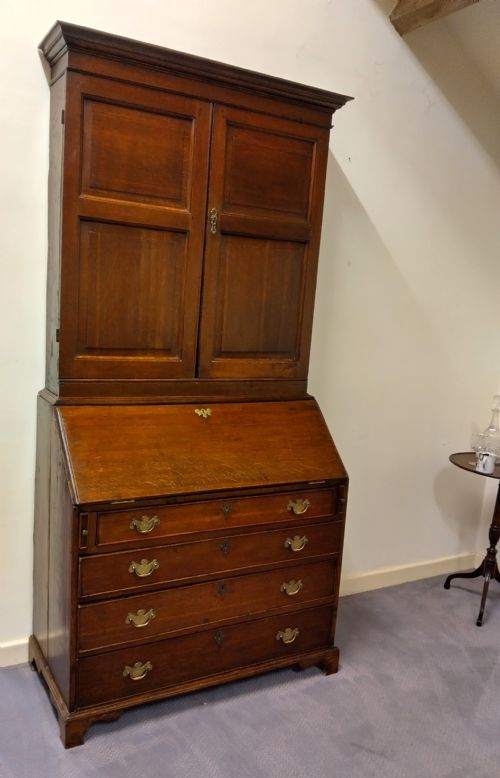
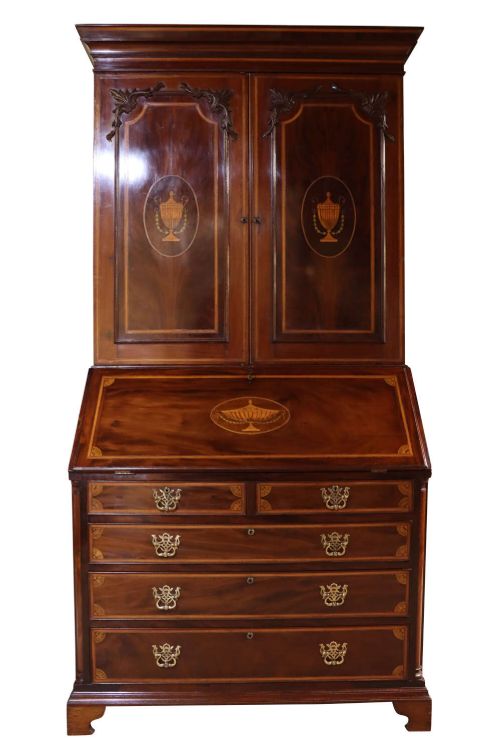


Traditional Bureau Bookcase
A traditional bureau bookcase is a dual-purpose piece uniting a writing cabinet and a shelved upper library, designed to organise correspondence and display volumes in one formal unit.

Traditional Bureau Bookcase
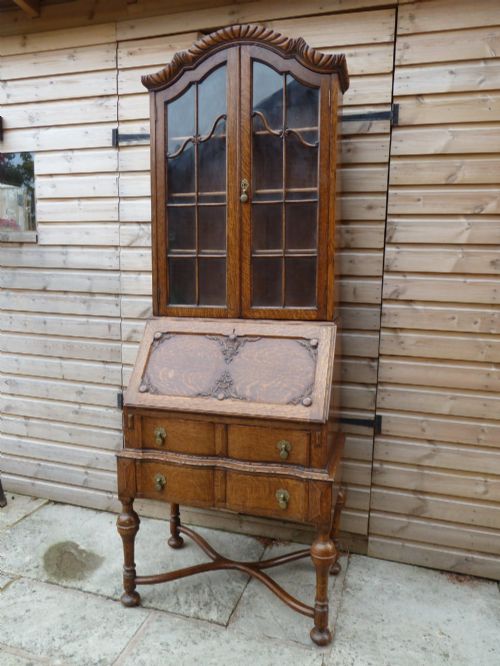
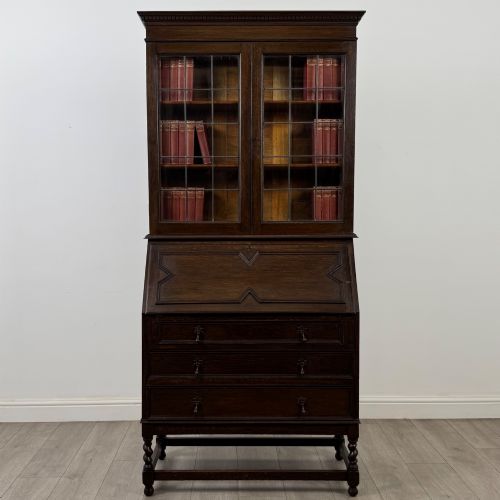
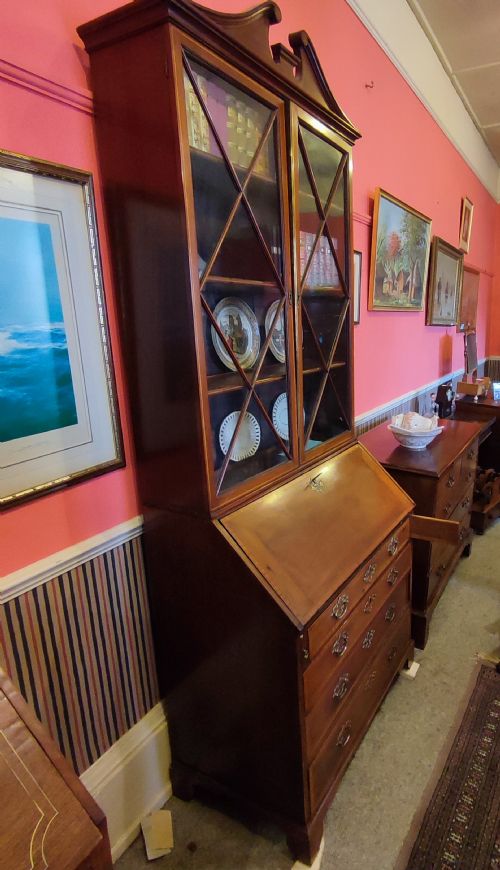
A traditional bureau bookcase combines a sloping or drop-front writing desk with an enclosed upper shelving section for books. Buyers searching for a traditional bureau bookcase encounter forms spanning several centuries, from early oak examples to later revival pieces.
The mahogany and oak variations dominate the current selection, reflecting both Georgian origins and later Edwardian and twentieth-century revivals. Pieces range from modest small-scale oak writing cabinets to tall Dutch marquetry-inlaid units and architectural George first dome-top designs.
Makers and cabinetmakers produced these dual-purpose items to serve as the administrative and literary centre of a room. The lower section typically conceals small drawers and pigeonholes behind a fitted writing flap, while the upper cabinet uses glazed or solid doors.
What varies in quality
The refinement of the timber grain and the crispness of any inlay or carved detail separate standard production from superior examples. Better workshops utilised choice cuts of Cuban mahogany or figured walnut, ensuring the exterior veneers presented harmonious patterns.
Internal complexity also distinguishes quality, as finer bureaus contain intricately arranged pigeonholes, secret compartments, and finely panelled doors. The architectural proportions of the upper dome or cornice relative to the lower bureau base reveal the maker's adherence to classical design principles.
Traditional Bureau Bookcase Retail Price Guide 2026
Typical asking prices for traditional bureau bookcase among the pieces listed under this phrase on Sellingantiques today, from the lower quarter to the upper quarter. They describe what is for sale here now, not the wider market.
Current listings feature pieces spanning the early eighteenth century through the Edwardian era, constructed in oak, mahogany, and walnut.
The Traditional Bureau Bookcase Glossary
- Bureau bookcase
- A combination furniture form featuring a sloping or drop-front writing desk beneath an upper shelving unit for books. These pieces served dual functions for writing and storage.
- Secretaire
- A writing cabinet or desk featuring a pull-out drawer with a drop-down front that reveals a fitted interior. It often replaces the traditional sloping bureau lid.
- Marquetry
- The art of applying decorative veneer pieces in wood to form intricate patterns or pictures. It appears frequently on Dutch and revival cabinets.
- Dome top
- An arched upper cornice construction found on early eighteenth-century cabinets. This architectural feature elevates the visual height of the bookcase.
- Fitted interior
- The arrangement of small drawers, pigeonholes, and central compartments concealed behind the writing flap of a bureau. It provides compartmentalised storage for stationery.
Traditional Bureau Bookcase: Frequently Asked Questions
How do I use a bureau bookcase?
The drop-front flap folds down to create a writing surface supported by pull-out lopers or the lowered door itself, revealing pigeonholes for stationery.
The upper glass-fronted or panelled doors house your collection of books, allowing the piece to function as both a working desk and a display cabinet.
How do I date a bureau bookcase?
Stylistic indicators such as bracket feet, cornices, timber species like Cuban mahogany or early oak, and construction methods help establish the era.
Georgian pieces often display restrained classical proportions, whereas Edwardian and later twentieth-century examples frequently adopt revival styles inspired by earlier centuries.
Will a bureau bookcase fit in a modern room?
These pieces combine vertical book storage with a compact fold-down desk surface, making them efficient for rooms where floor space is limited.
The enclosed upper shelving keeps volumes tidy while the lower writing compartment conceals paperwork when not in use.