
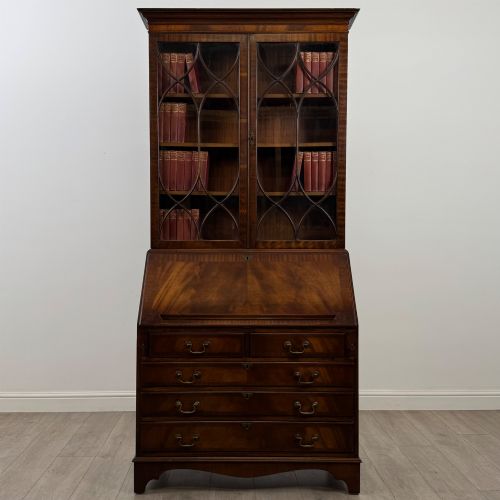
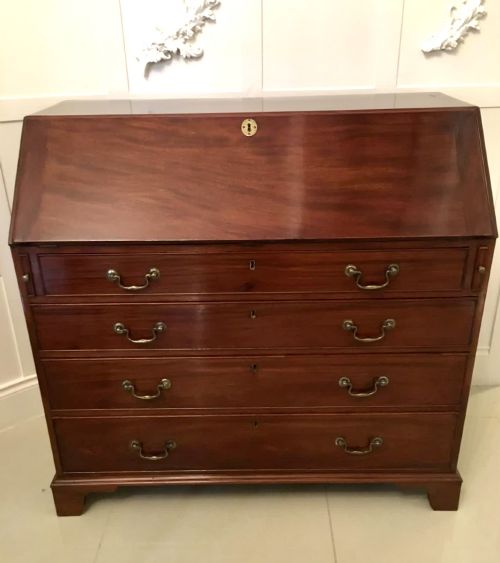
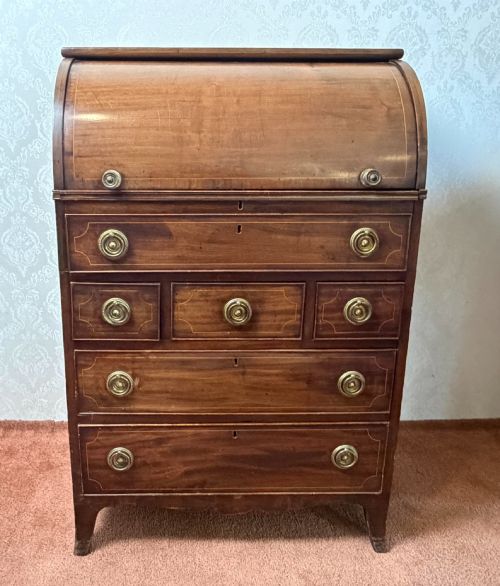
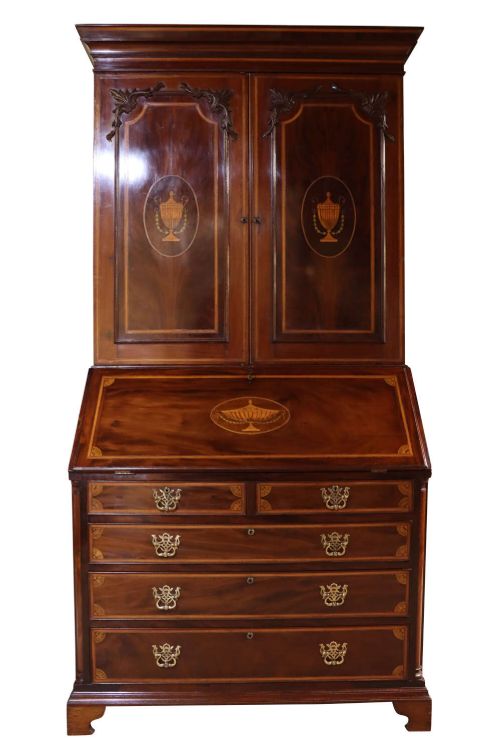





Traditional Mahogany Desk Cabinet
A traditional mahogany desk cabinet offers practical workspace and storage, built from enduring timber through Georgian and Victorian periods.

Traditional Mahogany Desk Cabinet
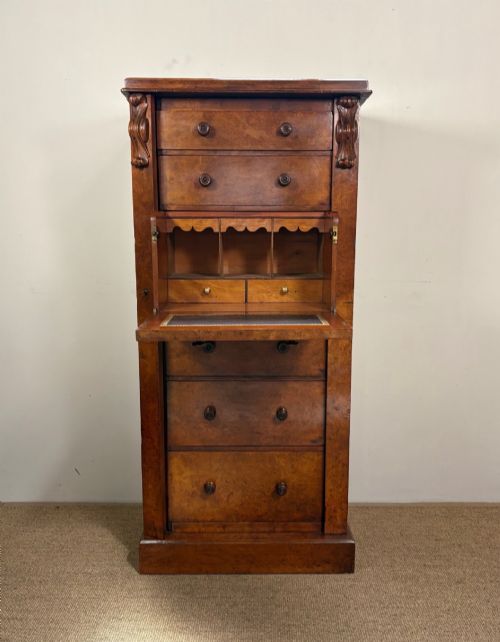
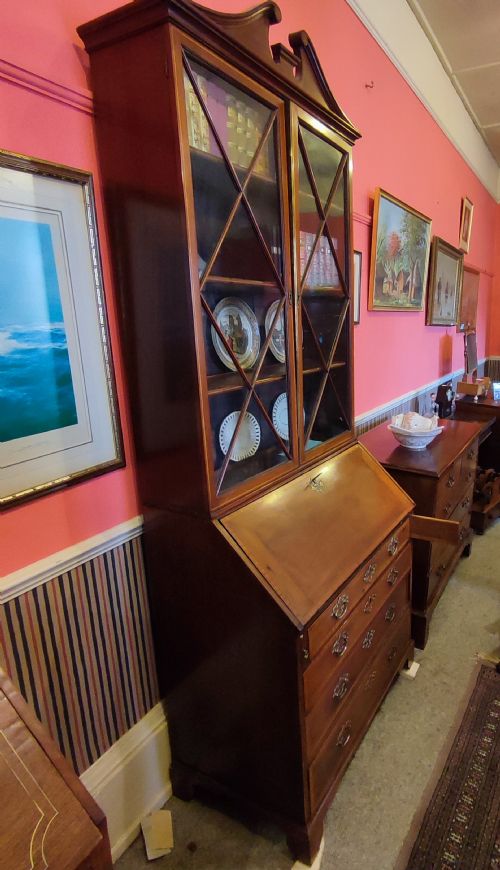
A traditional mahogany desk cabinet encompasses pieces designed for writing and storage, frequently taking the form of bureau bookcases, bureaux, and davenports. These items originate from the 18th century, Georgian, and Victorian eras, carrying fitted interiors and hidden compartments.
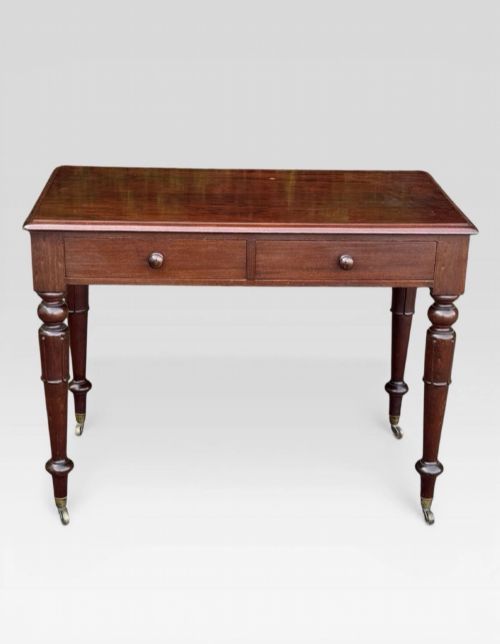
Smaller writing desks and davenports also appear alongside large modular desk cabinets. Each variation provides dedicated compartments for correspondence and ledgers.
What varies in quality
The refinement of internal cabinet work separates standard utility pieces from exceptional examples. Superior items feature finely configured pigeonholes, concealed secret compartments, and dovetailed drawer construction throughout.
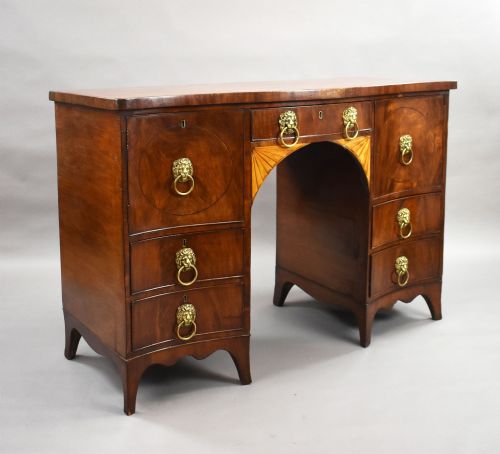
Timber selection heavily influences overall standard, with rich grain matching and figured mahogany veneers commanding greater attention. The crispness of inlaid boxwood and satinwood detailing further distinguishes superior cabinetmaking.
Proportion and structural integrity dictate the standing of each piece. Original brass hardware and undamaged glass panes maintain the historical authenticity of the cabinet.
Several desks conceal secret compartments behind miniature drawers, designed centuries ago to outsmart curious house guests.
Gillows·J A Mein
The Traditional Mahogany Desk Cabinet Glossary
- Bureau bookcase
- A combined furniture form featuring a sloping writing flap above drawers, surmounted by a glazed shelving cabinet. This dual-purpose item served libraries and parlours.
- Davenport
- A compact desk featuring a sloping, sliding writing surface above a pedestal of drawers. It gained popularity during the Regency and Victorian periods for domestic correspondence.
- Secretaire
- A desk or cabinet containing a pull-down writing drawer that conceals a fitted interior. It often forms the middle section of a larger bookcase unit.
- Tambour
- A sliding door constructed from narrow vertical strips of wood glued to a canvas backing. It provides concealed access to desk compartments.
- Stringing
- Thin inlaid lines of contrasting timber used to outline panels and drawers. Boxwood and satinwood frequently served this decorative purpose.
Traditional Mahogany Desk Cabinet: Frequently Asked Questions
What is a traditional mahogany desk cabinet?
A traditional mahogany desk cabinet is a piece of antique furniture designed for writing and storage, typically combining a sloping desk flap or pull-out secretaire drawer with shelving above.
These pieces range from compact davenports to large bureau bookcases originating from the Georgian and Victorian eras.
How do I date a mahogany bureau?
Dating involves examining construction methods, timber choice, and stylistic details such as brass hardware and inlay. Earlier 18th-century pieces often feature Cuban mahogany and solid internal drawer linings.
Later Victorian and revival pieces show machine-sawn components and different secondary woods. Comparing feet, handles, and secondary timbers helps establish the period.
How were tambour desks used?
Tambour desks utilised flexible sliding wooden shutters to cover pigeonholes and small drawers. This mechanism kept writing materials secure while offering quick access.
They served as compact writing stations in period studies and drawing rooms.
Where should I place a bureau bookcase?
A bureau bookcase suits a study, living room, or hallway where its height and proportions can be appreciated. Adequate clearance is necessary to drop the writing flap or open lower drawers.
Placing the cabinet away from direct sunlight and heat sources protects the mahogany finish and leather writing surfaces.