


Woven Wool Tapestry Rug
A woven wool tapestry rug brings rich tribal geometry and floral patterns into a room, offering authentic textile history from Central Asian, Persian and European workshops.
Woven Wool Tapestry Rug
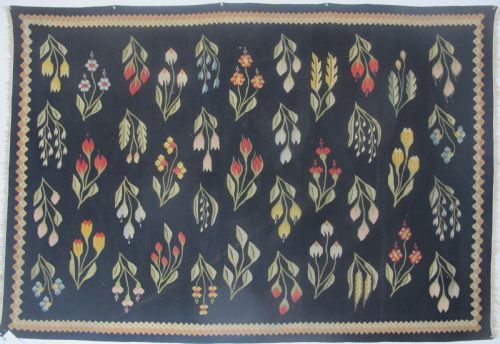
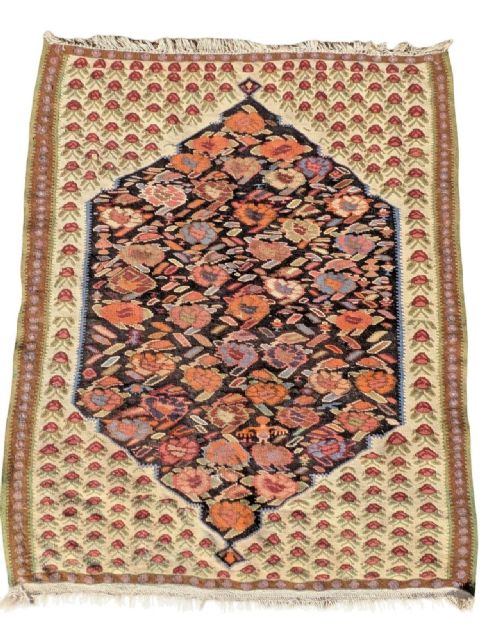
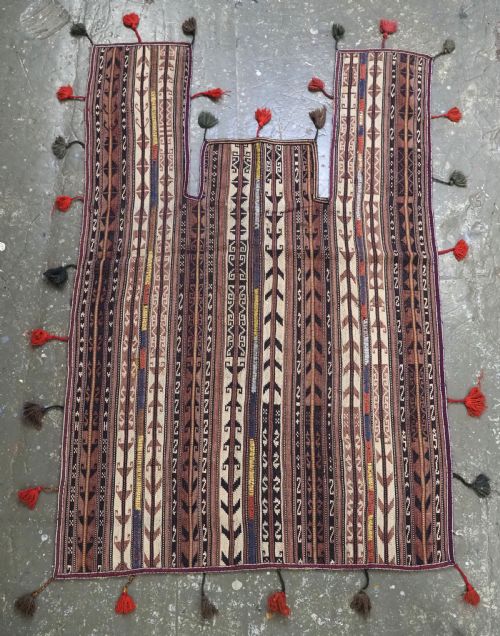
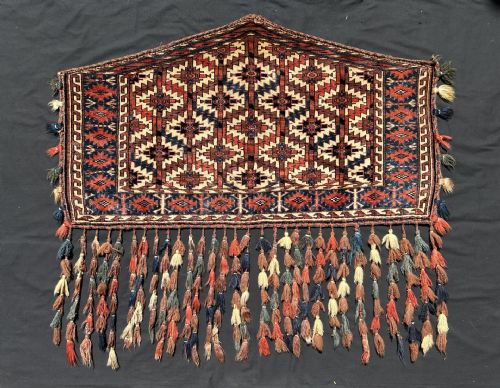
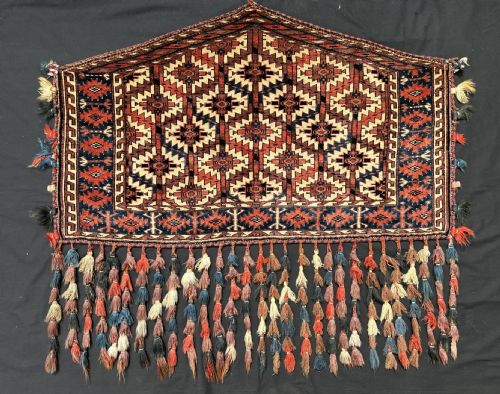
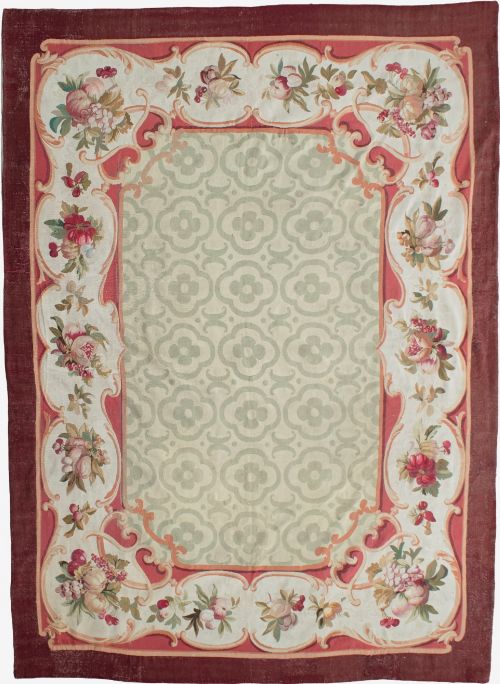
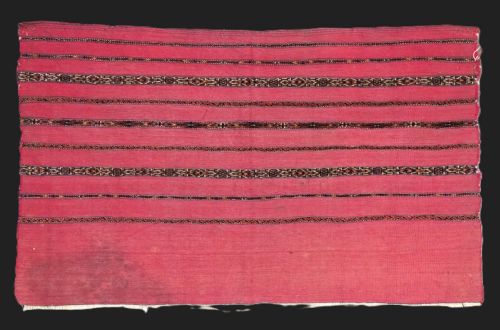
A woven wool tapestry rug encompasses flatweaves, wall hangings and pileless floor coverings produced by tribal and regional makers across the nineteenth and early twentieth centuries. These textiles include nomadic storage bags, tent bands, horse blankets and European floral flatweaves intended for domestic utility or ceremonial display.
The selections available here lean heavily into tribal traditions, featuring pieces from Turkmen, Qashqa'i, Baluch, Shahsavan and Uzbek weavers alongside Bessarabian and Aubusson examples. Buyers frequently encounter smaller formats such as chuval faces, mafrashes, kilims and cushions, reflecting how nomadic households utilised portable textiles.
Nomadic and village groups created these items primarily for daily utility within tents and dwellings, whereas European equivalents served formal drawing rooms. Understanding this distinction helps collectors place each rug within its proper cultural and domestic context.
What varies in quality
Quality rests significantly on the tightness of the weave and the precision of the geometric or floral layout. Finer knots or denser flatweave structures demonstrate superior hand-working skills by the original artisan.
The complexity and clarity of the dye work also divide standard examples from exceptional ones. Natural dyes that retain their vibrancy and depth without muddying indicate careful preparation and superior materials.
Nomadic weavers occasionally stitched metal coins or stray beads into storage bags to ward off bad luck during transit.
The Woven Wool Tapestry Rug Glossary
- Kilim
- A flatwoven carpet or rug produced without a pile by tightly interweaving warp and weft strands. These textiles often display sharp geometric patterns resulting from the slit-tapestry technique.
- Soumac
- A wrapping technique used in flatweaving that creates durable structures with braided surface textures on the front and loose floats on the back. This method provides extra sturdiness to animal trappings and bags.
- Gul
- A repeating medallion or octagonal motif found in Turkmen and Central Asian weaving traditions. Each tribal group utilised distinct gul designs to signify lineage and heritage.
- Mafrash
- A rectangular storage chest or container panel woven by nomadic groups such as the Shahsavan and Yomut. Complete pieces formed the sides of hampers used during seasonal migrations.
Woven Wool Tapestry Rug: Frequently Asked Questions
How were these rugs used originally?
Nomadic tribes utilised these textiles as functional items for storage, bedding, horse blankets and tent decorations during seasonal migrations. European versions served as decorative floor coverings or wall hangings in domestic interiors.
Over time, many functional bag faces and storage containers were separated from their original wool or leather backings to be displayed as standalone decorative flatweaves.
How do I care for a antique wool flatweave?
Vacuum these textiles gently with a suction-only attachment, avoiding rotating brush bars that can pull at historic wool or cotton threads. Keep them out of direct sunlight to protect natural dye colours from fading.
Professional cleaning by specialists experienced in antique tribal textiles is recommended when maintenance goes beyond light surface care.
What is the difference between a kilim and a tapestry rug?
Kilims are flatwoven textiles constructed by interlocking weft threads through the warp, creating a smooth surface with identical patterns visible on both sides. Tapestry weaves often incorporate specific techniques for pictorial or detailed floral designs.
European tapestry rugs like Aubusson or Bessarabian examples focus more on European floral compositions, whereas kilims traditionally emphasise geometric tribal motifs.
How can I tell tribal styles apart?
Turkmen pieces frequently display deep red grounds with distinct repeating octagonal guls, while Shahsavan and Caucasian items lean towards intricate linear and diamond field patterns. Qashqai weavers from southwest Persia often integrate boteh motifs and animal figures into their compositions.
Studying the palette, edge finishes and structural materials helps connect a textile to its specific nomadic or regional origin.