
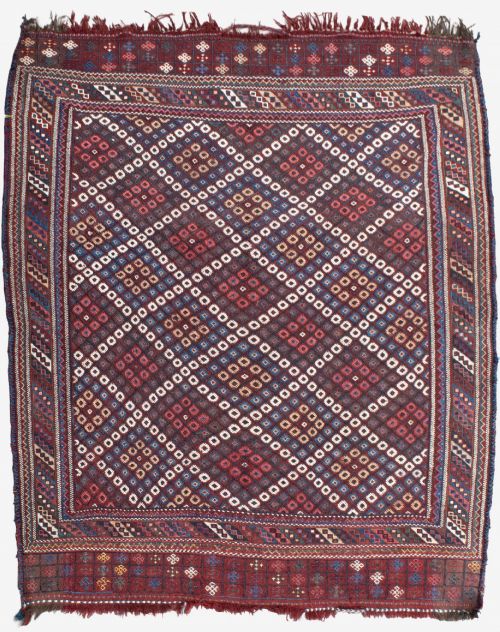


Vintage Flatweave Area Rug
A vintage flatweave area rug brings texture and rich tribal motifs directly onto the floor, offering a practical way to anchor a room.
Vintage Flatweave Area Rug
A vintage flatweave area rug encompasses non-pile floor coverings and wall hangings originating from nomadic and village traditions across the Caucasus, Anatolia, Persia, Central Asia, and Eastern Europe. These textiles arrive in forms such as kilims, soumaks, and sofrehs, produced by regional weavers who utilised traditional slit-taperting and brocade techniques.
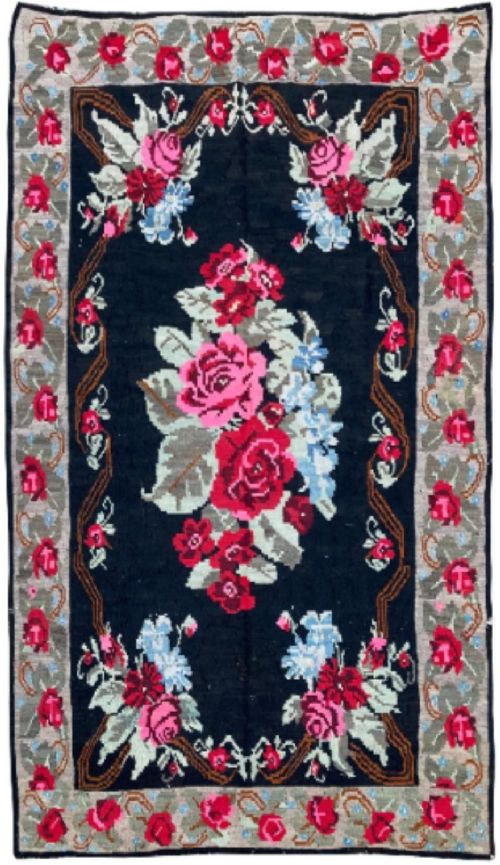
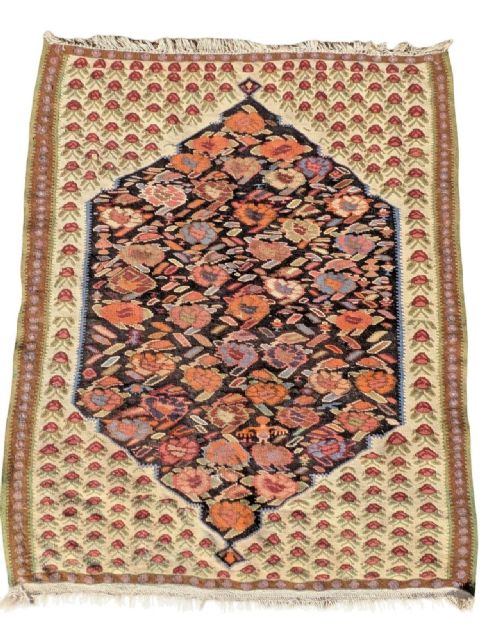
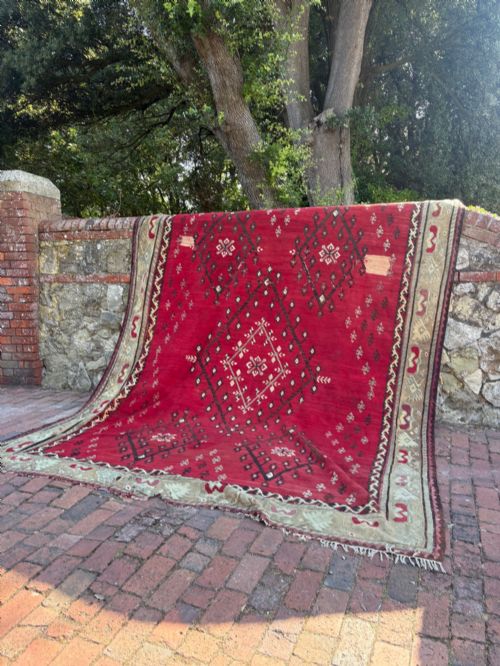
The versions most commonly met on this page span the late nineteenth century through to the early decades of the twentieth century. They display strong geometric medallions, banded chevron patterns, and floral sprays characteristic of specific tribal groups including the Qashqai, Afshar, Yomut Turkmen, and Bessarabian makers.
Buyers select these pieces for their flat, hard-wearing structure, which functions well beneath furniture or in high-traffic corridors without holding heavy dust like deep-pile carpets. Each textile reflects the domestic artistry and material culture of its specific weaving community.
How They Were Made
The structural foundation of these pieces relies on wool, cotton, and occasionally camel hair, spun by hand and dyed using natural colourants derived from local plants and minerals. Weavers interlace warp and weft threads tightly on upright or horizontal looms, creating a sturdy fabric without a pile.
Techniques such as slit-weaving leave small vertical gaps where different colour blocks meet, while soumak wrapping introduces decorative surface threads for added texture and rigidity. Certain larger formats are woven in two or more distinct panels and meticulously joined down the centre.
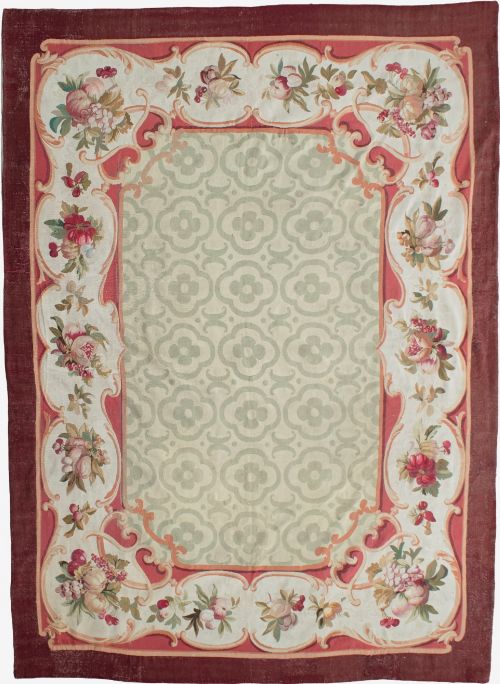
Listings feature traditional flatweaves dated from the 1850s to the 1930s, spanning Anatolian, Caucasian, and Bessarabian origins.
What Varies in Quality
Quality rests upon the tightness of the weave, the precision of the geometric or floral layout, and the stability of the foundational yarns. Tighter tension in the weft creates a firmer, more durable textile that lies flat and resists distortion over decades of use.
The complexity and clarity of the dye work also divide standard examples from exceptional ones. Natural dyes yield a depth of tone that ages gracefully, maintaining vibrancy across wool and camel hair grounds without muddying the primary design.
The Vintage Flatweave Area Rug Glossary
- Kilim
- A flatweave textile produced by tightly interweaving warp and weft strands without creating a pile. This construction method yields a lightweight, reversible floor covering.
- Soumak
- A flatweave technique utilising a wrap-stitch method that leaves trailing threads on the reverse side. This adds structural heft and a raised texture to the face of the carpet.
- Sofreh
- A specialised cloth utilised during meals or ritual dining by nomadic groups to knead bread or serve food. These textiles often feature distinct central fields and protective border motifs.
- Warp
- The stationary vertical threads stretched across a loom that form the structural skeleton of the rug. Weft threads are passed horizontally through these foundational strands.
- Weft
- The horizontal threads packed tightly across the warp to build the visible pattern and colour of the textile. Controlling weft tension determines the crispness of the final design.
Vintage Flatweave Area Rug: Frequently Asked Questions
How do I clean a flatweave rug?
Gentle shaking and regular surface vacuuming without a rotating brush roll remove loose dirt safely from the tight wool weave.
Professional specialist cleaning is recommended for heavier washing to protect natural dyes and prevent fibre distortion.
Can I use these rugs under heavy furniture?
The flat structure distributes weight evenly, making them suitable for placement beneath tables and chairs without crushing a pile.
A quality underlay prevents slipping and cushions the textile against abrasive floorboards.
What is the difference between a kilim and a soumak?
Kilims are constructed using flat slit-tapestry weaves that result in a smooth, reversible surface with sharp geometric boundaries.
Soumaks incorporate a wrapping technique across the warp threads that adds thickness and leaves floating threads on the back.
How do I identify a tribal design?
Nomadic and village pieces typically display repeating geometric motifs, stepped medallions, and serrated polygons rooted in local weaving heritage.
Palette choices and specific border structures often point directly to regional groups such as the Baluch or Qashqai.