



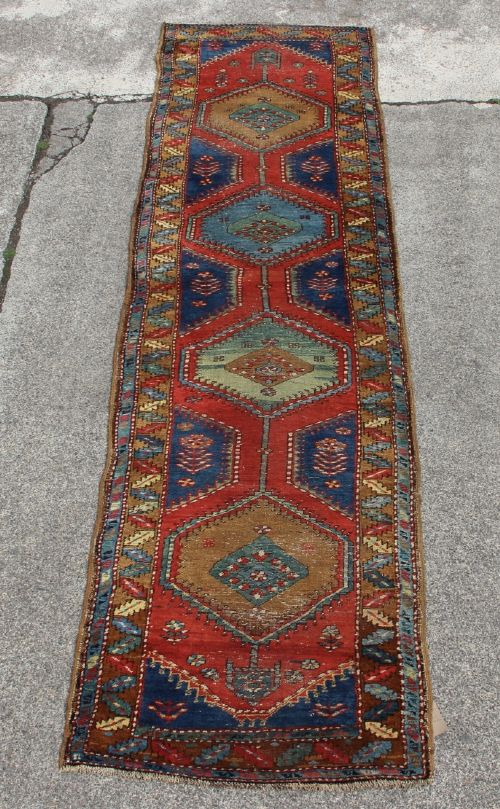

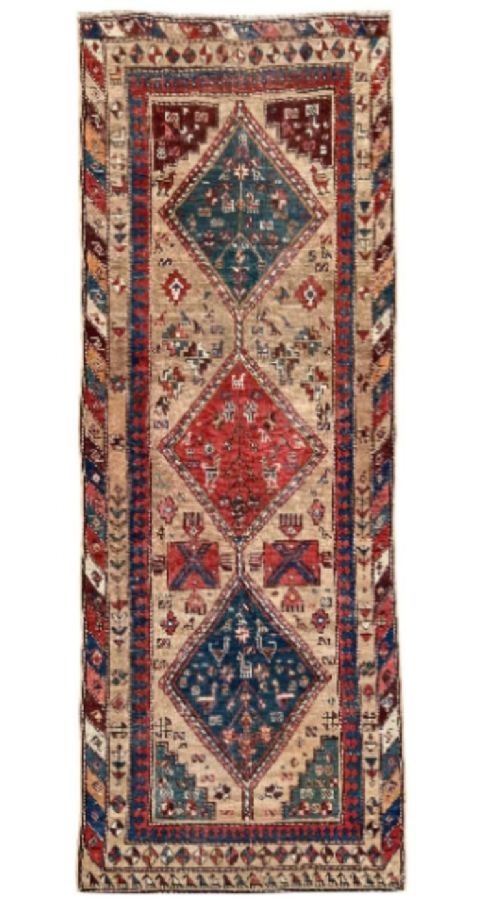
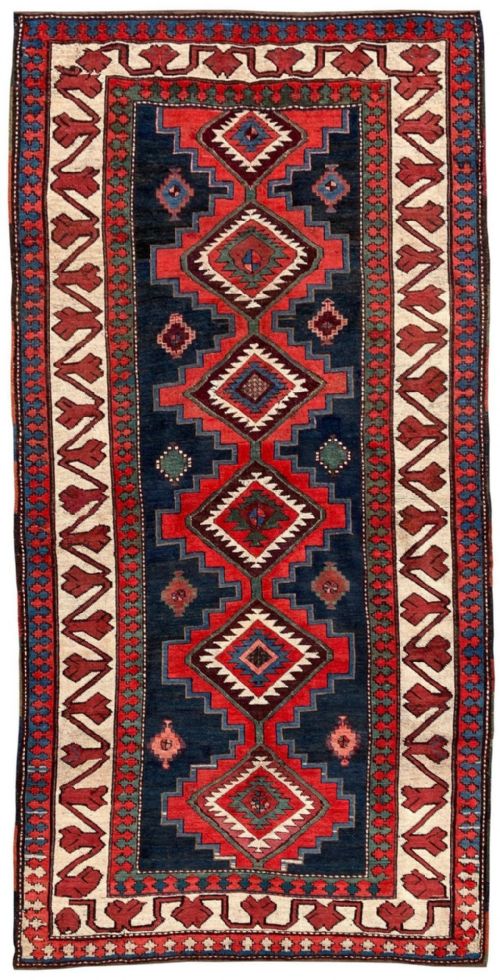
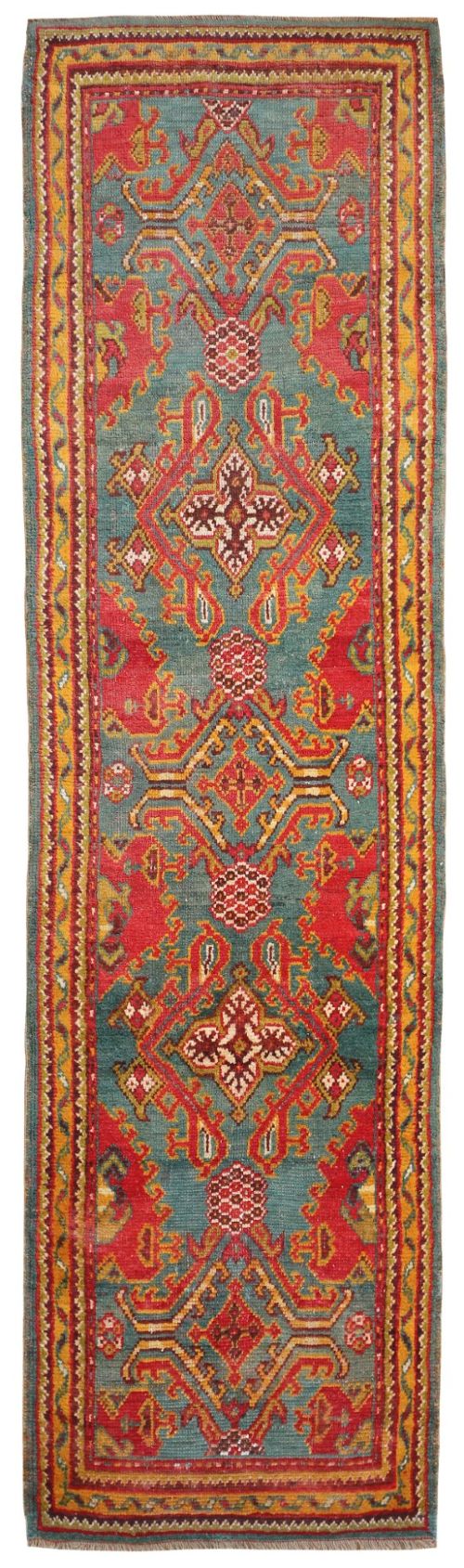
Red Wool Tribal Runner
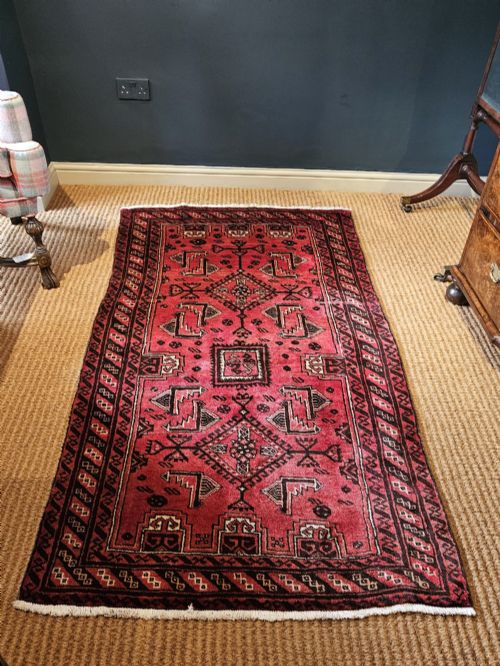
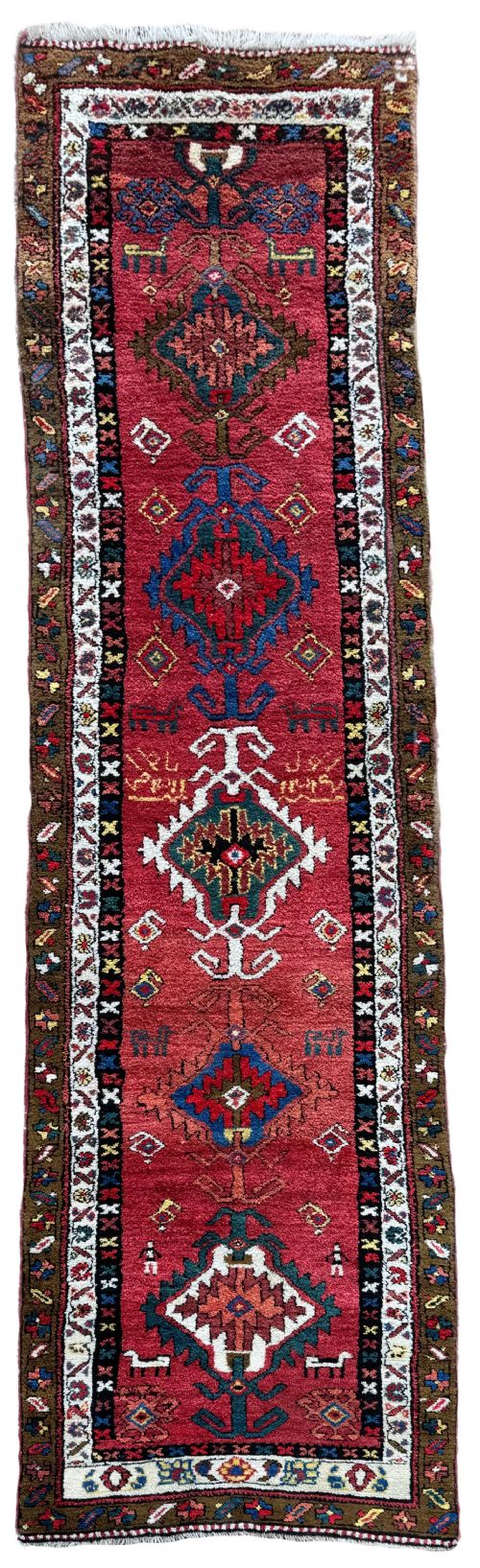
A red wool tribal runner brings linear warmth and nomadic character to a long hallway, woven by village hands across Persia, the Caucasus, and Anatolia.
Red Wool Tribal Runner
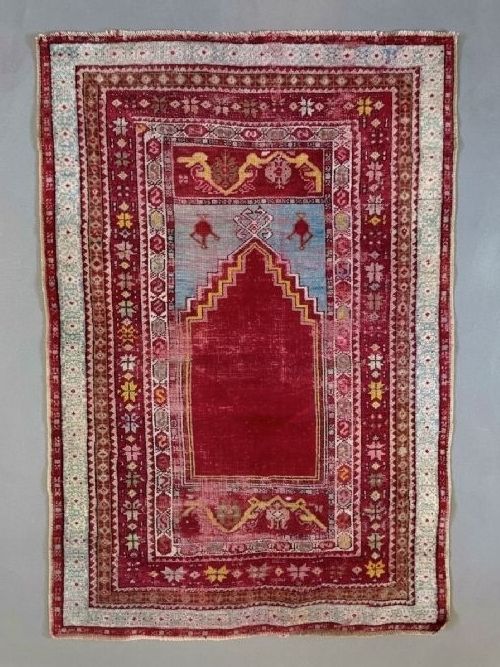
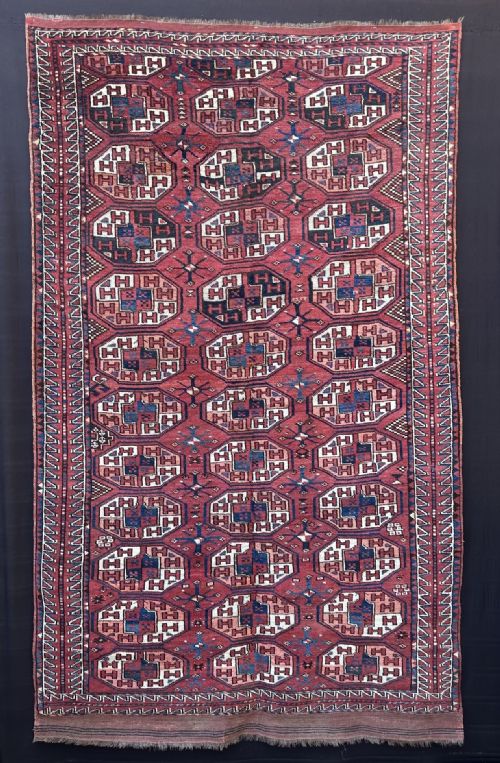
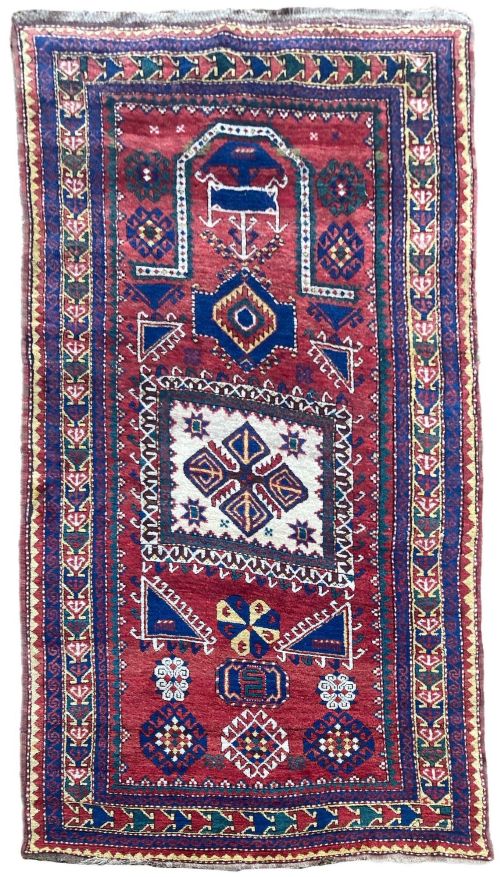
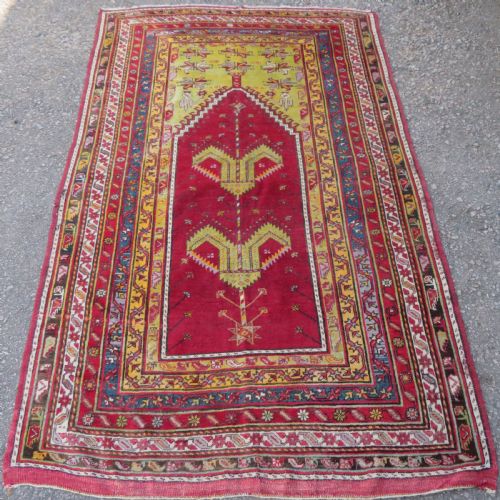
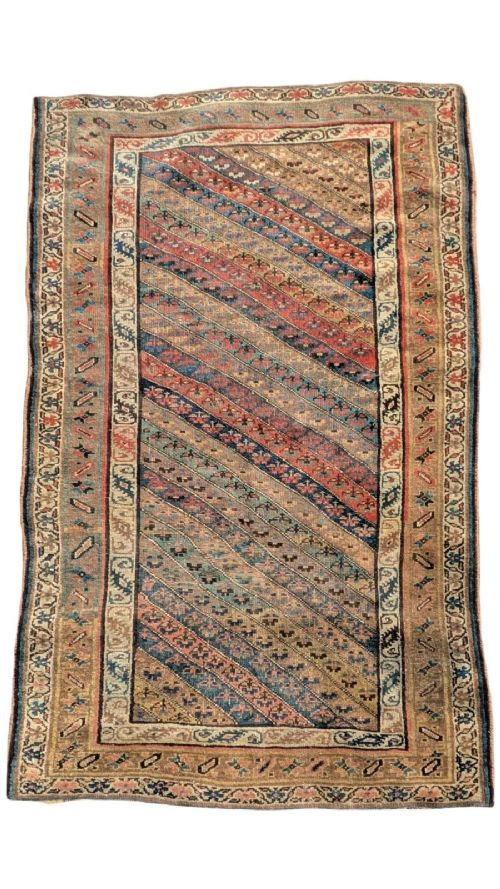
A red wool tribal runner is a narrow, elongated textile designed for corridors, landings, and hallways, combining practical floor covering with geometric storytelling. The pieces on this page span origins from North West Persia to the Caucasus and Turkey, dating from the nineteenth century into the twentieth century.
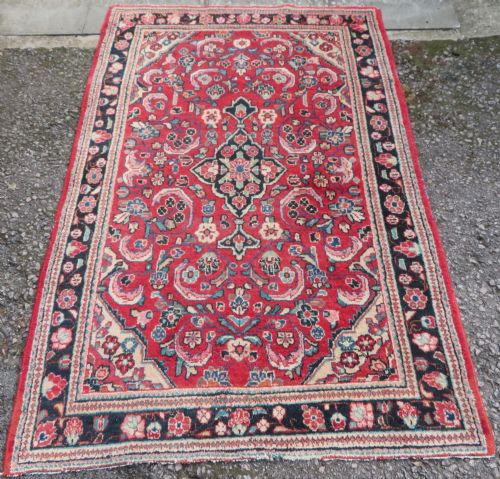
Buyers seeking this phrase encounter formats specifically proportioned for long spaces, alongside wider village carpets and prayer rugs. The visual language relies heavily on tribal motifs, medallion structures, and lattice designs rooted in specific regional weaving traditions.
Materials and construction
Construction relies primarily on natural wool, frequently utilised for both the pile and the foundational warp and weft threads. Cotton also appears in the structural foundations of certain regional workshops and village pieces.
The characteristic colour palette is achieved through natural dyes applied to hand-spun wool, yielding deep reds and varied secondary tones that age gracefully with use.
Listings span production dates from the nineteenth century through the 1960s, encompassing Caucasian, Persian, and Anatolian tribal origins.
Judging quality and character
Quality rests in the density of the knotting, the crispness of the geometric drawing, and the depth of the natural dyes. Superior examples exhibit precise symmetry in tribal motifs and a supple handle in the wool.
Surface wear and distress alter the visual impact, shifting the balance between crisp original coloration and the softened patina acquired through decades of foot traffic.
The Red Wool Tribal Runner Glossary
- Runner
- A long, narrow carpet format traditionally utilised in hallways, corridors, and staircases. These pieces measure significantly longer than they are wide.
- Prayer rug
- A small format rug featuring a mihrab or niche design at one end, historically used for individual devotion. The design points toward Mecca during prayer.
- Mihrab
- An arched architectural niche depicted in the design of prayer rugs, symbolising a gateway or sanctuary. It forms the focal point of the upper field.
- Lattice design
- A repeating grid pattern spread across the field of the rug, often enclosing floral or geometric motifs. This structure creates an orderly visual rhythm.
- Warp
- The vertical foundational threads stretched tightly on the loom before weaving begins. The pile knots are tied around these stationary strands.
Red Wool Tribal Runner: Frequently Asked Questions
Where should I place a runner?
These long formats suit high-traffic corridors, narrow entryways, and bedside placements where linear warmth is required.
Ensure adequate clearance for doors to swing freely over the pile thickness.
How do I identify a tribal design?
Tribal designs feature geometric motifs, stylised animals, and repeating medallions rather than formal court curves.
Weavers relied on tribal memory and local symbolism rather than pre-drawn cartoon templates.
Are these pieces made of pure wool?
The listings show wool as the predominant material for both pile and foundation work in these tribal pieces.
Cotton foundations also appear in specific regional village and runner productions.
How do I care for an antique runner?
Regular gentle vacuuming without a beater bar removes embedded grit that can damage the wool fibres over time.
Professional specialist cleaning is recommended to preserve the integrity of natural dyes.