


Woven Wool Mat
A woven wool mat brings tactile warmth and deep regional character to a floor, offering durable utility rooted in nomadic and village weaving traditions.
Woven Wool Mat
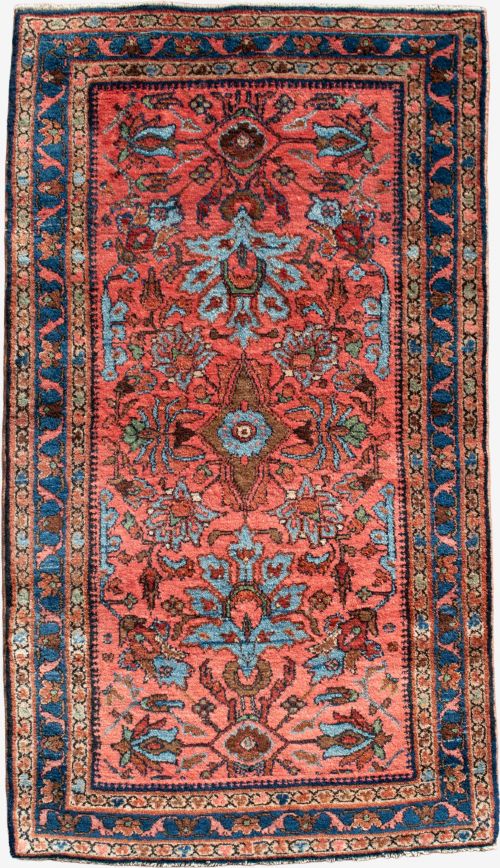
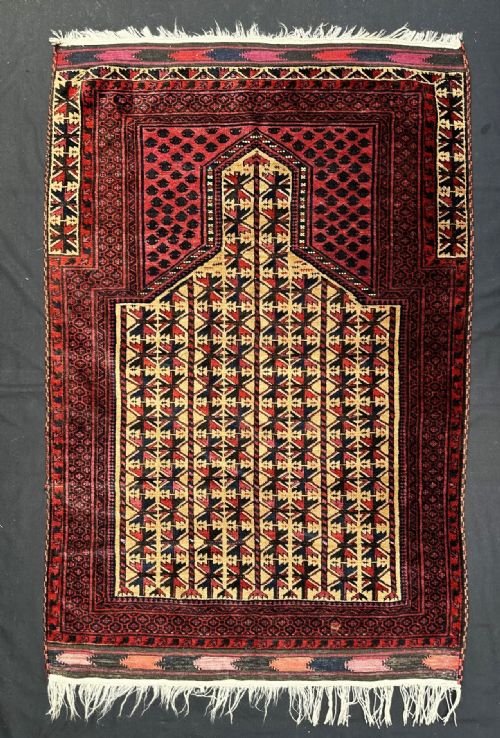
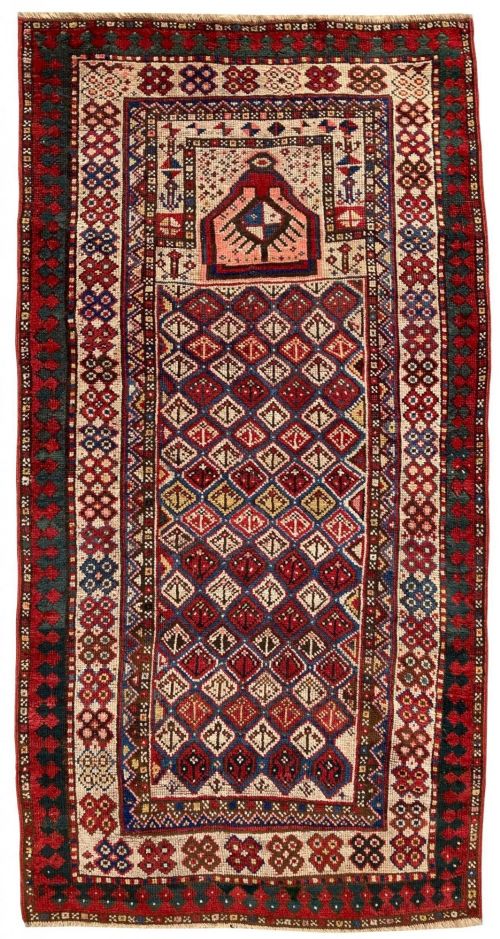
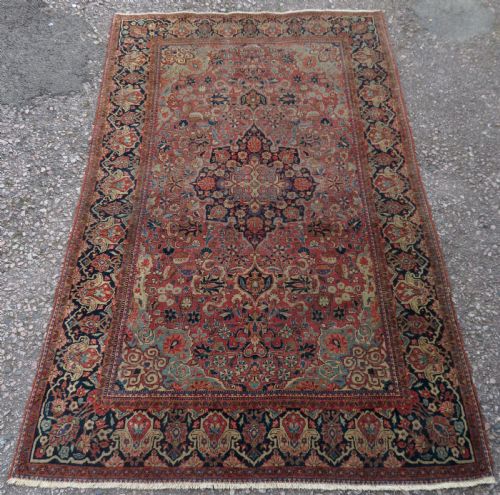
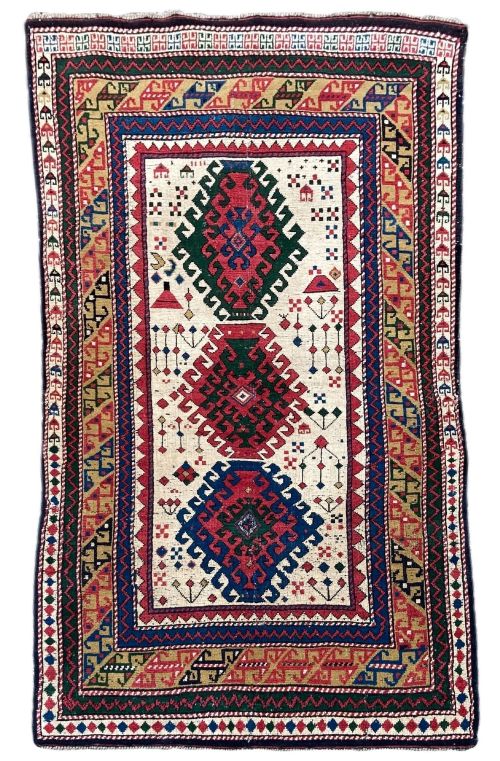
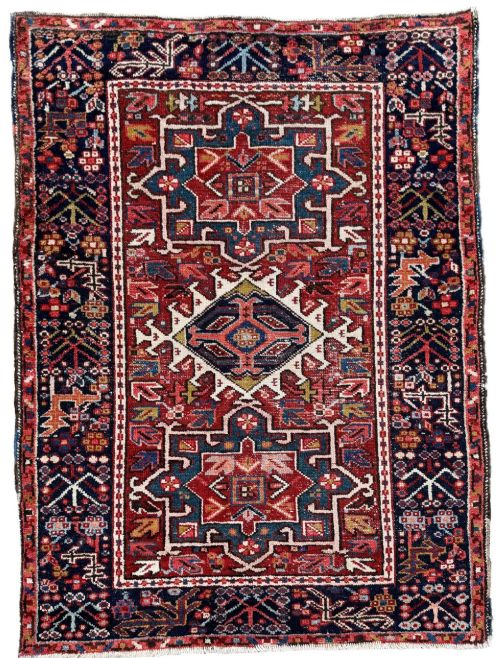
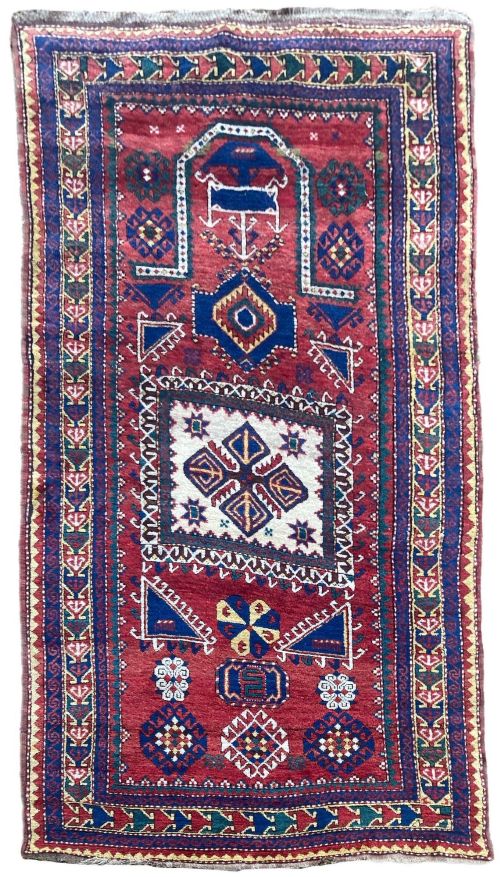
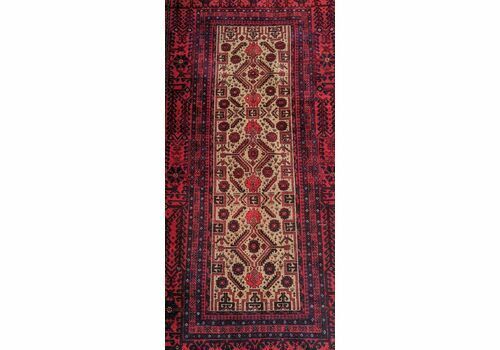
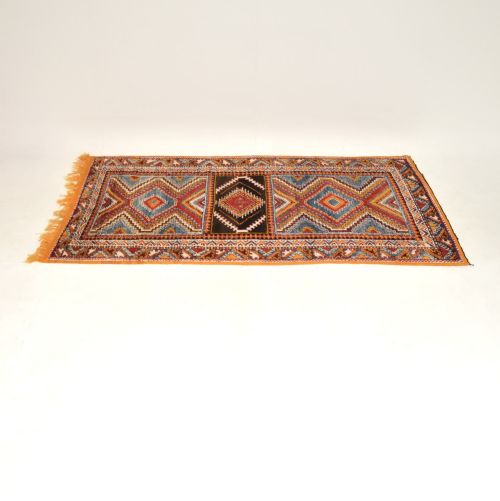
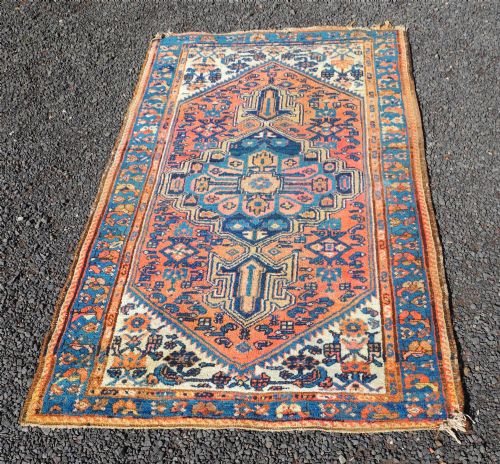
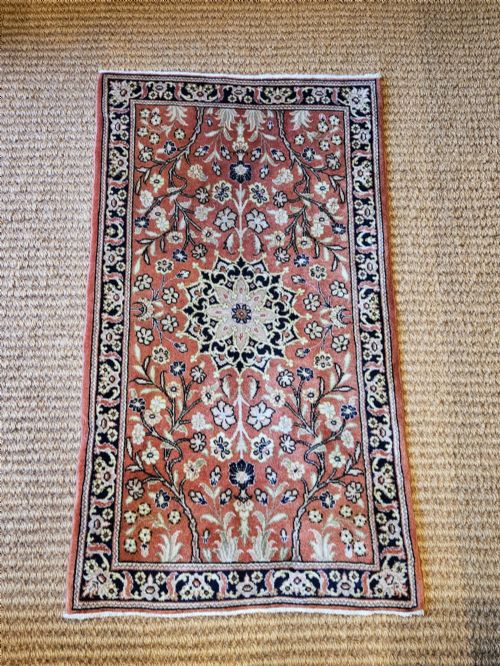
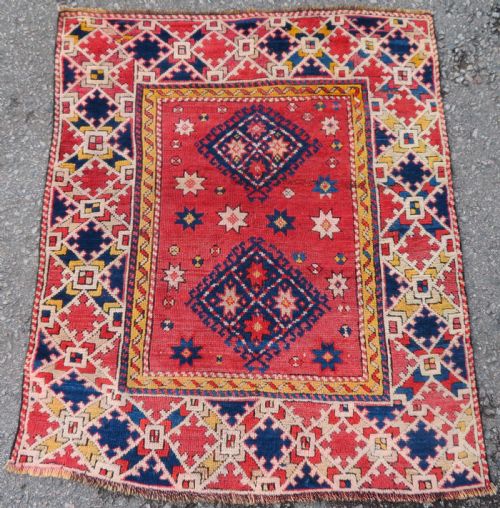
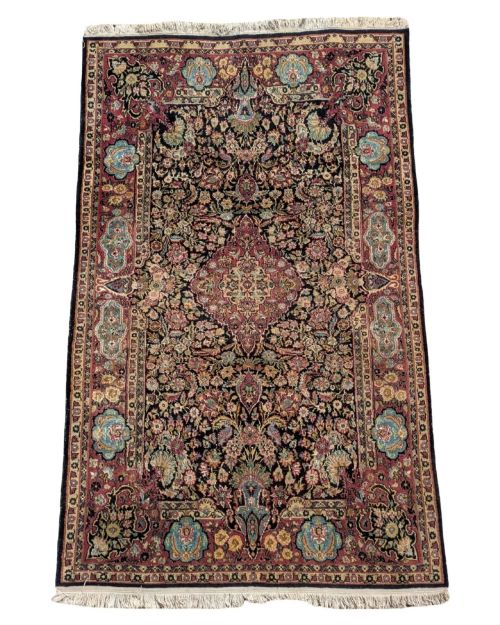
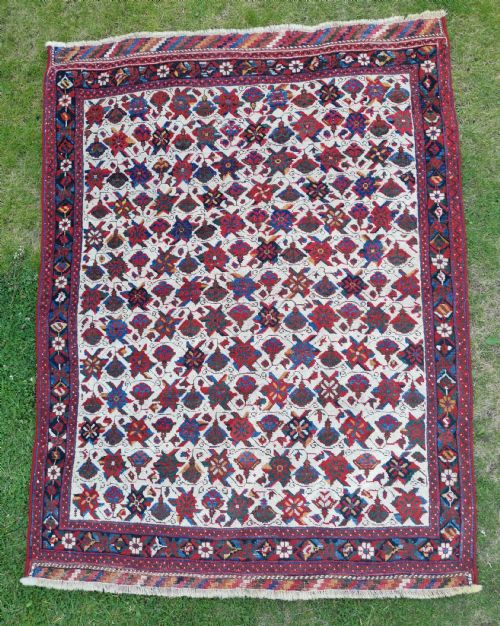
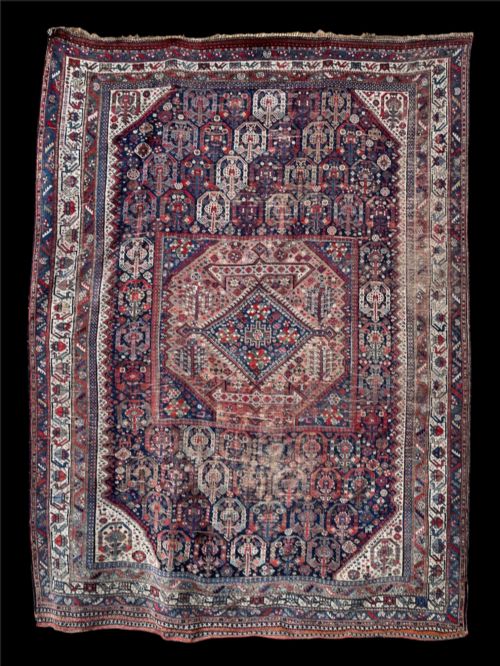
When you search for a woven wool mat, you are encountering floor coverings and flatweaves originating from Persian, Caucasian, Anatolian, and Turkmen traditions. These pieces include smaller formats such as hearth rugs, bagfaces, saddle covers, prayer rugs, and village mats produced from the nineteenth century into the early twentieth century.
The version you are most likely to meet on this page is a village or tribal piece, often characterised by geometric motifs, tribal guls, or regional medallion designs. They arrive in various compact dimensions suited for hearths, hallways, and smaller rooms where traditional textile art functions as daily floor covering.
Materials and Construction
The primary material is wool, frequently paired with cotton for foundations and supplementary silk highlights in select urban or workshop pieces. Spinners and weavers utilised hand-spun wool fibres that readily absorbed natural dyes derived from plants and insects, creating rich grounds of rust, ivory, and deep blues.
Construction methods combine pile knots tied on vertical looms with flatwoven techniques seen in nomadic sofrehs and bags. The integration of wool pile with sturdy wool or cotton warps produced textiles designed to endure decades of physical use while retaining structural integrity.
Woven Wool Mat Retail Price Guide 2026
Typical asking prices for woven wool mat among the pieces listed under this phrase on Sellingantiques today, from the lower quarter to the upper quarter. They describe what is for sale here now, not the wider market.
Listings feature pieces spanning the nineteenth century up to the 1930s, utilising wool, cotton, silk highlights, and natural dyes.
Factors of Quality
Quality rests upon the fineness of the knotting or the tightness of the flatweave, alongside the clarity and balance of the design drawing. Pieces possessing crisp geometry and deliberate proportion demonstrate superior control by the weaver over the traditional vocabulary of the tribe.
The depth and brilliance of the natural dyes further separate standard examples from exceptional ones. Dyes that have aged with harmonious abrash and saturated tones elevate a mat, reflecting skilled mordanting and high-grade wool selection.
The Woven Wool Mat Glossary
- Abrash
- Variation in colour shading across the field of a rug caused by changes in dye batches or hand-spun wool. This subtle striping is a hallmark of traditional dyeing methods.
- Sofreh
- A flatwoven spread or cloth used by nomadic groups for kneading bread or sharing meals. These textiles frequently display sophisticated tribal iconography.
- Gul
- A repeated medallion or octagonal motif found extensively in Turkmen and Central Asian weaving. Each design often signifies a specific tribal lineage or subgroup.
- Prayer rug
- A niche-shaped rug designed to indicate the direction of Mecca during daily worship. The distinctive arched design, or mihrab, distinguishes this specific format.
- Bagface
- The decorative front panel of a utilitarian storage bag produced by nomadic or village weavers. These smaller textiles function independently as compact decorative mats.
Woven Wool Mat: Frequently Asked Questions
How do I clean an antique wool mat?
Gentle surface brushing and careful vacuuming without a beating brush remove routine dust from wool fibres safely.
Professional textile conservators should handle wet washing to prevent dye bleeding or structural distortion in historic foundations.
Where should I place a small woven mat?
These compact formats suit hearths, entryways, or bedside areas where foot traffic remains light to moderate.
Placing a breathable underlay beneath the mat prevents slipping and protects the historic wool foundation from excessive floor friction.
What indicates a tribal origin?
Asymmetrical structures, bold geometric guls, and spontaneous layout choices point directly toward nomadic or village production.
Natural dye variations and simpler loom setups further separate these village pieces from urban workshop carpets.
Are these mats durable enough for daily use?
Traditional wool mats were engineered for practical household or nomadic utility using resilient animal fibres.
While historic pieces require mindful placement, standard foot traffic on a quality underlay does little harm to sturdy wool pile.