

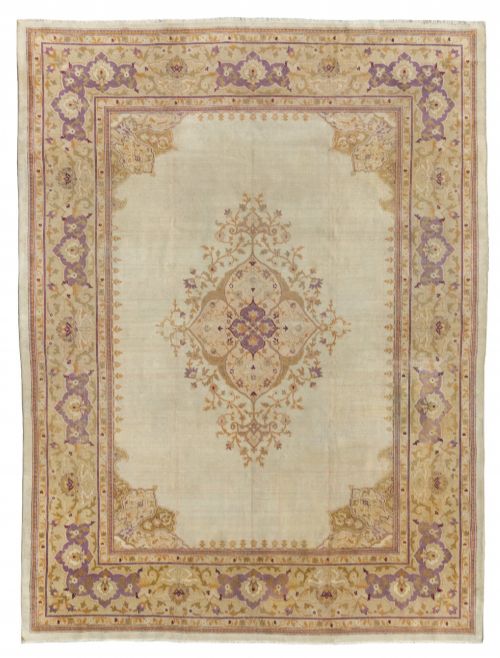


Woven Wool Floor Mat
A woven wool floor mat brings texture and pattern to a room, carrying the heritage of traditional weavers from the nineteenth and early twentieth centuries.
Woven Wool Floor Mat
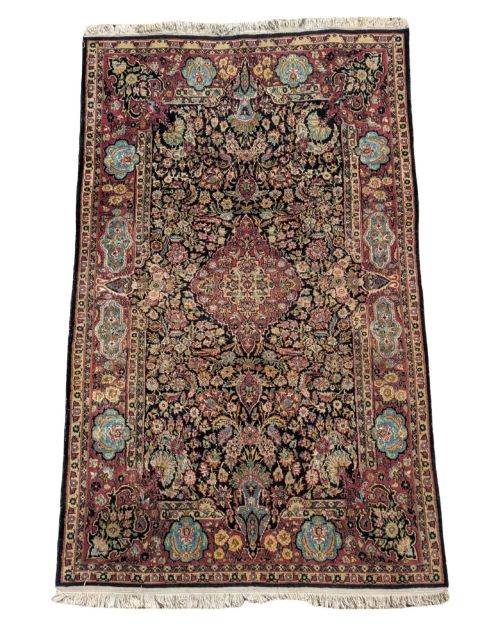
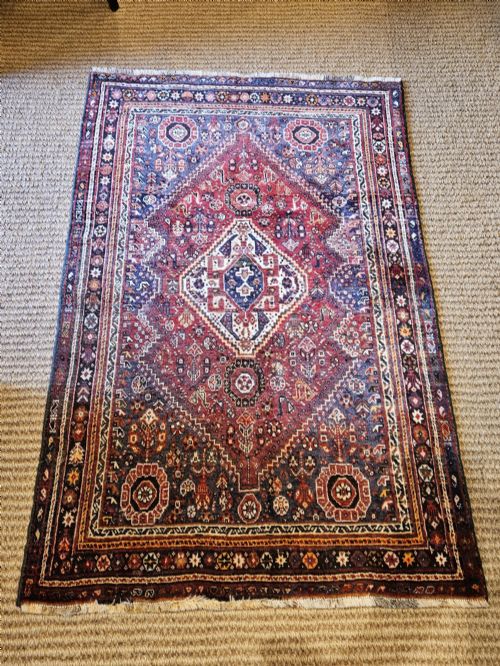
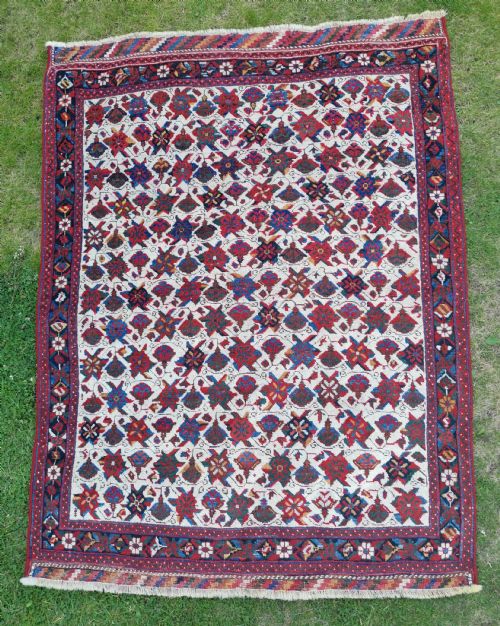
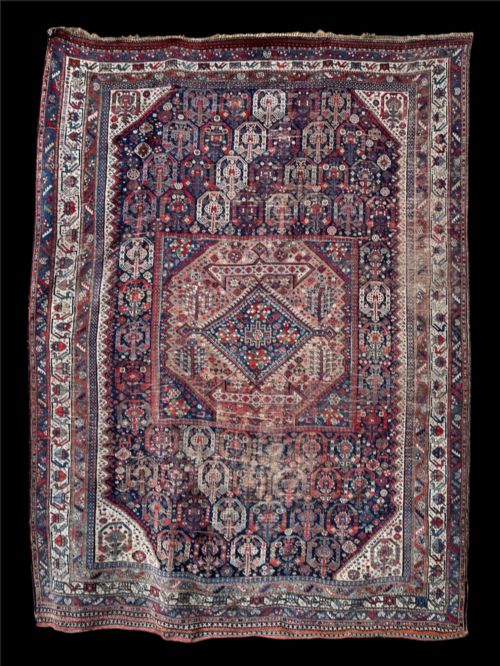
When searching for a woven wool floor mat, a buyer encounters a diverse selection of antique rugs, carpets, and runners originating from Persian, tribal, and Central Asian workshops. The inventory spans from the late nineteenth century through the 1930s, featuring village productions alongside larger formal carpets.
Tribal pieces such as Afshar, Baluch, and Yomut works appear frequently, alongside Heriz, Khamseh, and Isfahan carpets. Forms range from standard area rugs and hallway runners to specialised items like saddlebags and prayer rugs.
Makers from various regions utilised distinct tribal motifs, geometric medallions, and traditional floral layouts. These floor coverings served functional domestic purposes in their original settings before entering the antique market.
How they were made
Weavers constructed these pieces primarily using wool foundations and pile, occasionally incorporating cotton and silk highlights for structural definition or surface sheen. Natural dyes provided the palette for reds, blues, and ivory grounds seen across the inventory.
Traditional hand-knotting and flat-weaving techniques defined the production, as demonstrated in soumak kilims and pile rugs. Artisans worked within distinct regional traditions, employing knot densities and structural weaves specific to their locale.
Materials documented across the inventory include wool, cotton, silk, and natural dyes.
What varies in quality
Quality differences stem from the precision of the weave, the intricacy of the design execution, and the condition of the materials. Finer examples display tightly packed knots and crisp geometric or curvilinear motifs.
The choice and stability of natural dyes influence the visual depth of a piece over time. Intact borders, original kilim ends, and balanced proportions distinguish superior examples from standard village rugs.
The Woven Wool Floor Mat Glossary
- Gul
- A medallion motif frequently found in tribal rugs, particularly associated with Turkmen and Baluch weaving traditions. These repeating octagonal designs often form the primary pattern of the field.
- Soumak
- A flat-weave technique where weft threads are wrapped around the warp threads to create a durable structure with a textured surface. This method produces strong rugs without a traditional cut pile.
- Prayer rug
- A small format rug featuring a mihrab or arch design, traditionally used for individual prayer. These pieces often direct the viewer's eye toward a central focal point.
- Runner
- A long, narrow carpet format designed specifically for hallways and corridors. They balance traffic areas with sustained pattern display.
- Saddlebag
- A utilitarian bag woven in pairs for transport on animals, later separated and collected as decorative fragments. They exhibit compressed versions of larger tribal carpet designs.
Woven Wool Floor Mat: Frequently Asked Questions
How do I identify a tribal rug?
Tribal rugs typically display geometric patterns, asymmetric motifs, and colour palettes derived from natural dyes. They reflect the specific cultural iconography of nomadic or village groups rather than formal court workshops.
Examining the weave structure and fringe construction helps confirm a tribal origin, as these pieces were produced for domestic use or local trade.
Where were these rugs made?
The inventory originates primarily from Persia, Anatolia, the Caucasus, and Central Asia. Specific regions include Heriz, Isfahan, Shiraz, and various tribal territories.
Each geographical area developed distinct weaving techniques, wool types, and design repertoires that distinguish them from one another.
How do I care for an antique wool rug?
Antique wool rugs require gentle maintenance, including regular vacuuming without a beater bar to protect the pile and foundation. Professional cleaning should be undertaken periodically by specialists familiar with natural dyes.
Placing the rug out of direct sunlight prevents fading of the wool and maintains the integrity of the natural dye colours.
What is a mihrab design?
A mihrab is an arched architectural motif that mimics the prayer niche found in mosques, oriented towards Mecca. On prayer rugs, this shape frames the upper field of the composition.
This design element guides the user on how the rug was intended to be oriented and viewed within a devotional context.