


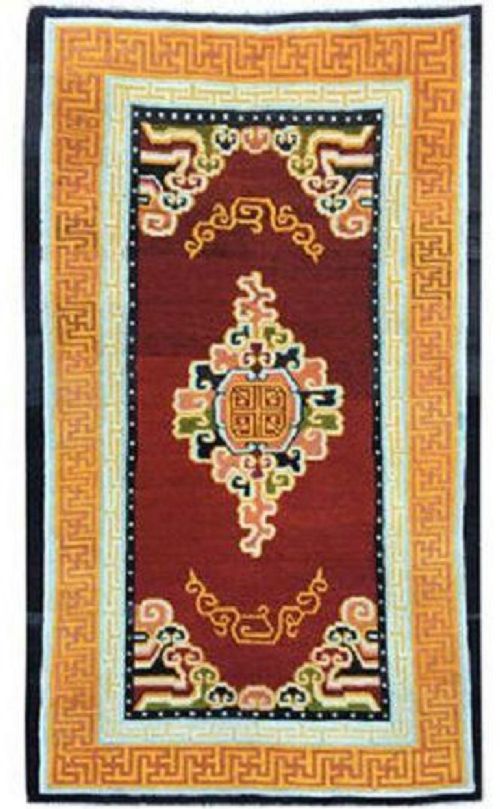
Woven Wool Area Rug
A woven wool area rug brings texture and depth to a room through centuries-old knotting traditions.
Woven Wool Area Rug
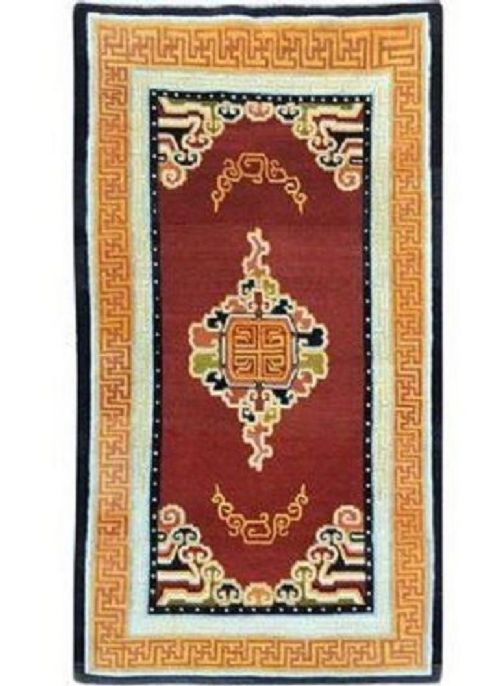
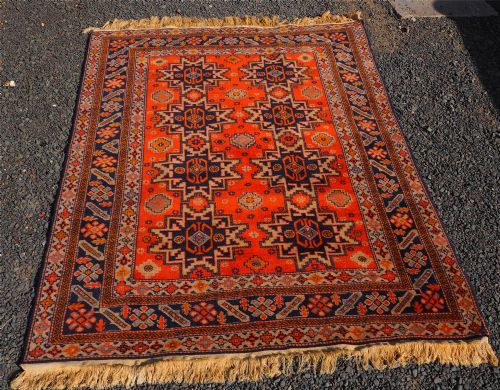
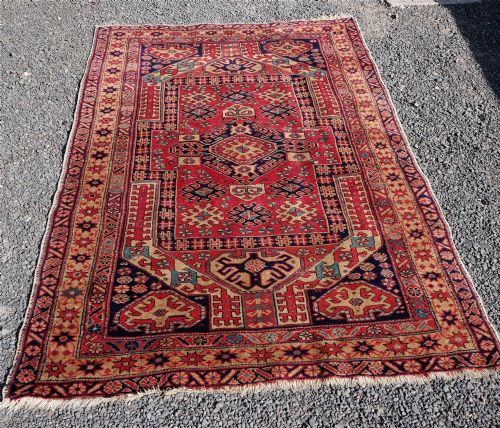
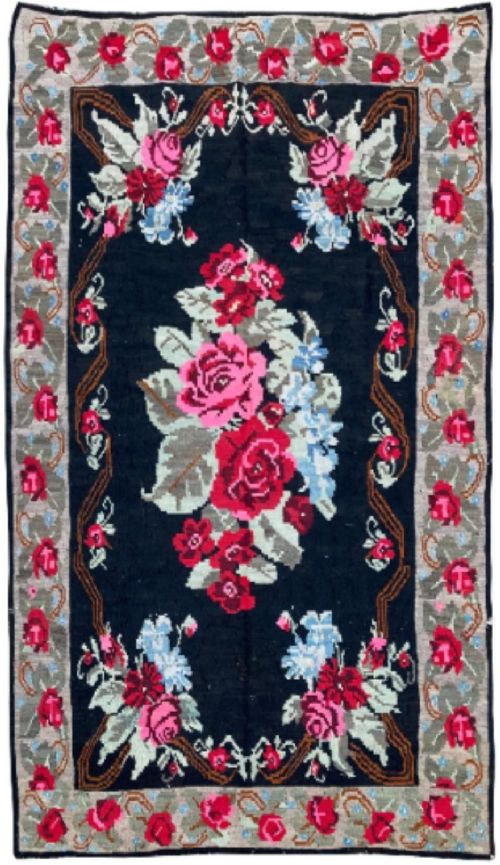
A woven wool area rug connects your interior to historic weaving traditions originating from Persian, Caucasian, and Anatolian workshops and nomadic communities. These floor coverings span the nineteenth and early twentieth centuries, appearing in forms ranging from compact hearth mats to room-sized carpets.
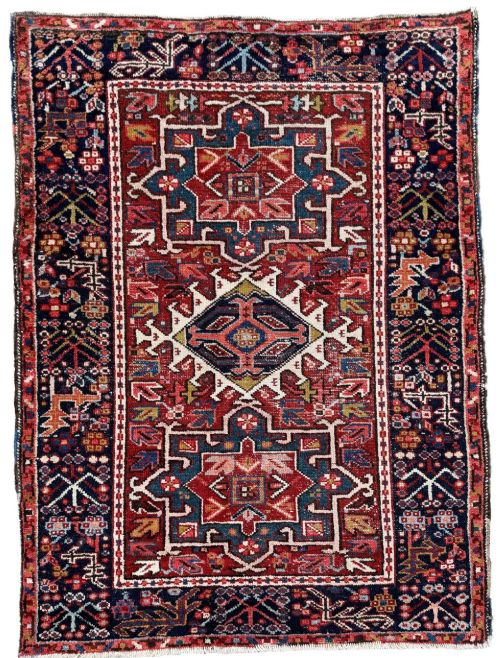
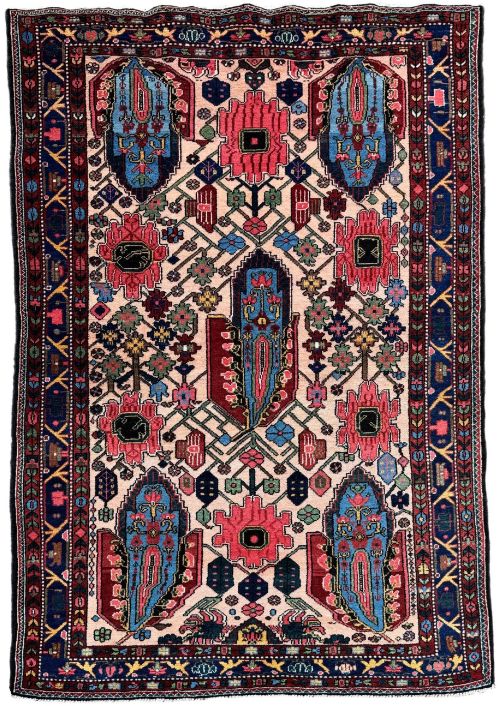
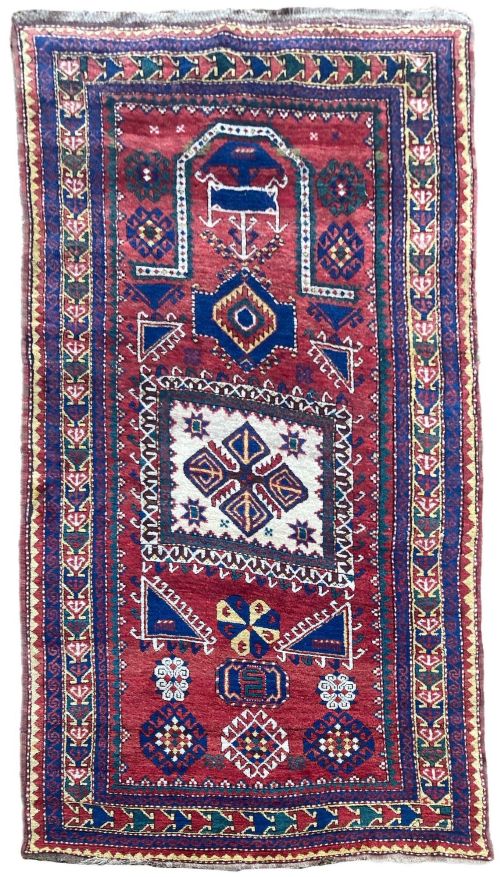
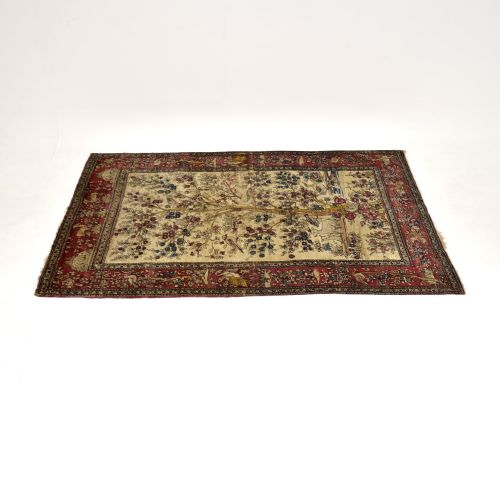
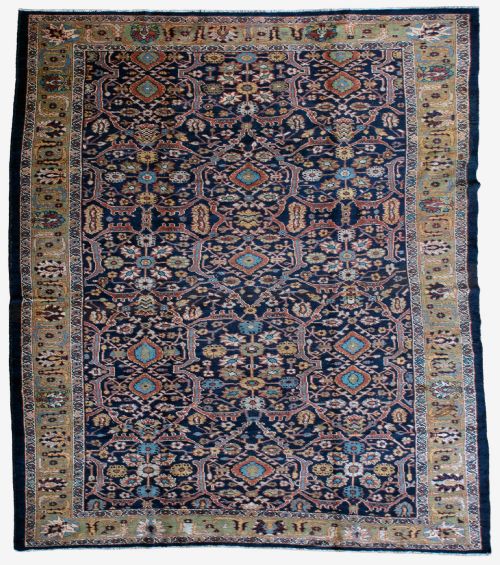
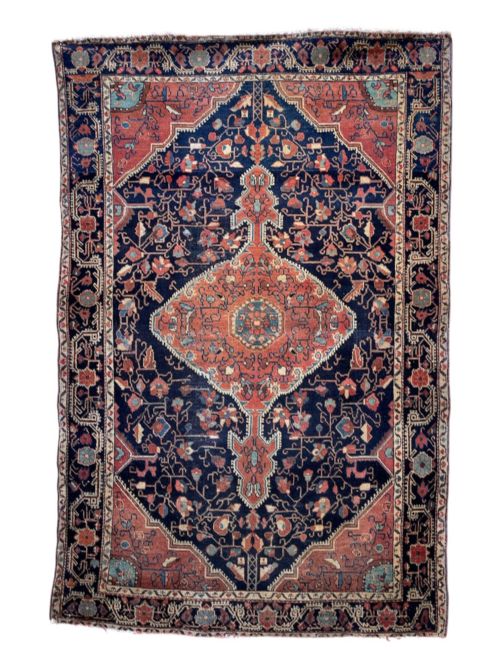
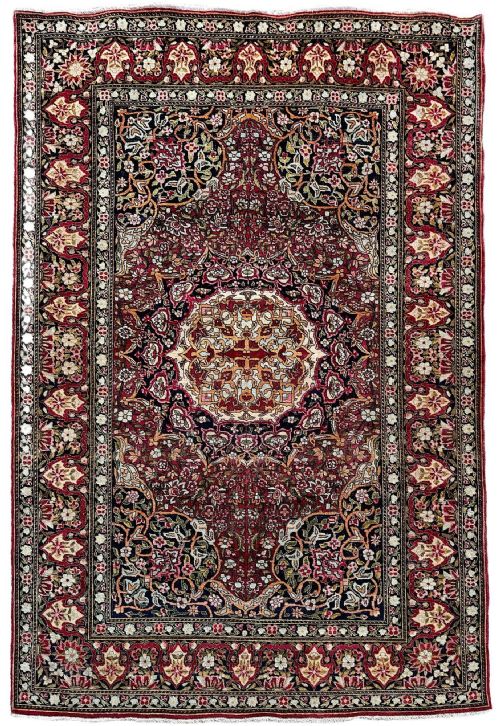
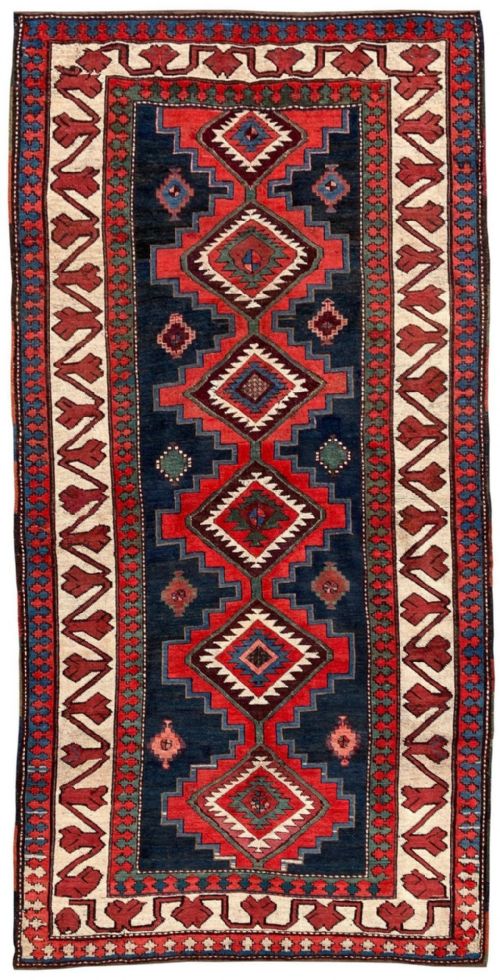
The selections available here emphasise traditional regional styles such as Heriz, Kazak, Bakhtiar, and Mahal. Buyers encounter both finely detailed town pieces and bolder geometric tribal designs created across the nineteenth and twentieth centuries.
Makers utilised durable local wool, occasionally incorporating cotton foundations or silk highlights to add structural stability and surface contrast. Each specimen reflects the specific aesthetic vocabulary of its origin, whether a village in West Persia or a mountain region in the Caucasus.
How They Were Made
Weavers constructed these pieces by hand-knotting wool pile onto foundations built predominantly from wool or cotton. The density of the knotting and the preparation of the yarn dictate how the pile settles and wears over decades of use.
Natural dyeing methods produced the saturated reds, blues, and earthy tones seen across Persian and Caucasian examples. Artisans sourced pigments from local plants and minerals, resulting in subtle variations of colour within a single field.
Woven Wool Area Rug Retail Price Guide 2026
Typical asking prices for woven wool area rug among the pieces listed under this phrase on Sellingantiques today, from the lower quarter to the upper quarter. They describe what is for sale here now, not the wider market.
Listings feature wool, cotton, and silk materials across nineteenth and twentieth-century Persian, Caucasian, and Tibetan traditions.
What Varies in Quality
The fineness of the knot count and the precision of the design execution distinguish standard utility pieces from masterworks. Tighter knotting allows for sharper geometric definitions and more intricate curvilinear floral motifs.
The grade of the wool and the depth of the pile influence how the rug handles foot traffic and reflects light. Superior wool retains its natural lanolin, giving the surface a resilient touch and a rich patina.
The Woven Wool Area Rug Glossary
- Pile
- The upright yarn surface of the rug formed by the cut ends of knots. This layer provides the soft texture underfoot.
- Medallion
- A symmetrical central ornament placed in the field of the rug. It often anchors the surrounding geometric or floral composition.
- Warp
- The stationary vertical threads stretched onto the loom before knotting begins. The fringe of the rug is typically an extension of these structural cords.
- Weft
- The horizontal threads passed between rows of knots to bind the structure together. It keeps the individual rows firmly in place.
- Kilim
- A flat-woven carpet or rug produced without a pile. These pieces rely entirely on the interlocking of warp and weft threads to form patterns.
Woven Wool Area Rug: Frequently Asked Questions
How do I clean a wool rug?
Regular gentle vacuuming without a beater bar removes surface dust and grit from the wool pile. Professional specialist cleaning remains necessary for deep washing to protect the natural fibres and dyes.
Avoid aggressive scrubbing or saturation with hot water, as traditional dyes can react unpredictably. Prompt blotting of spills prevents liquids from penetrating the foundation.
Where were these rugs made?
These textiles originate from regions spanning Persia, the Caucasus, Anatolia, and Tibet. Each area developed distinct weaving techniques and design repertoires rooted in local village or nomadic traditions.
Town workshops produced refined floral carpets, while tribal groups favoured geometric motifs and rich, saturated colour palettes.
Are these rugs suitable for high traffic?
Hand-knotted wool naturally resists dirt and withstands regular walking due to the resilient nature of the fibre and lanolin content. Placing a proper underlay beneath the rug prevents slipping and reduces friction against the floor.
Heavier room-sized carpets handle living room or dining room use easily, while lighter prayer rugs suit quieter spaces.
How do I identify a tribal design?
Tribal designs feature bold geometric motifs, stylised animals, and repeating medallions rather than flowing floral curves. These patterns reflect the cultural heritage and symbolic vocabulary of nomadic weavers.
Asymmetry and spontaneous colour shifts often appear in these pieces, demonstrating the hand of the individual maker working away from rigid urban workshops.