
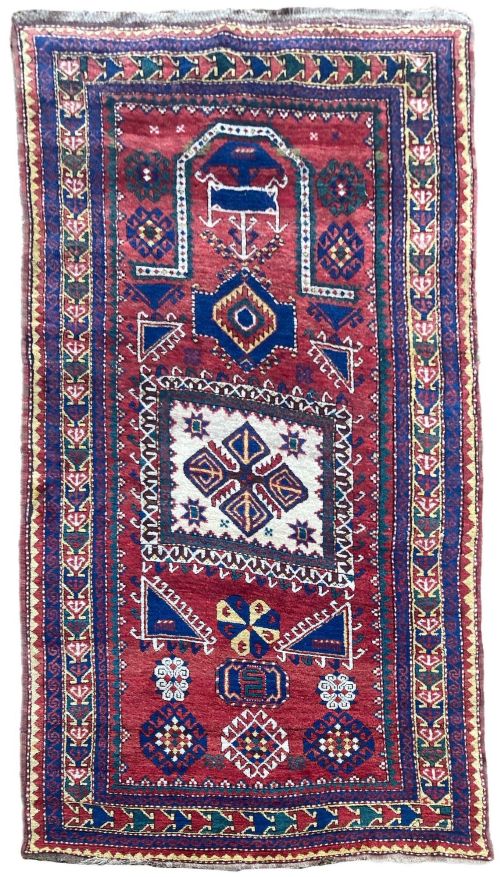
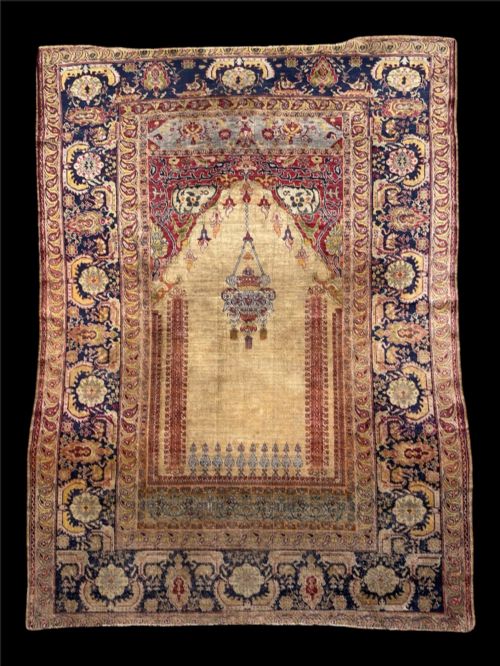
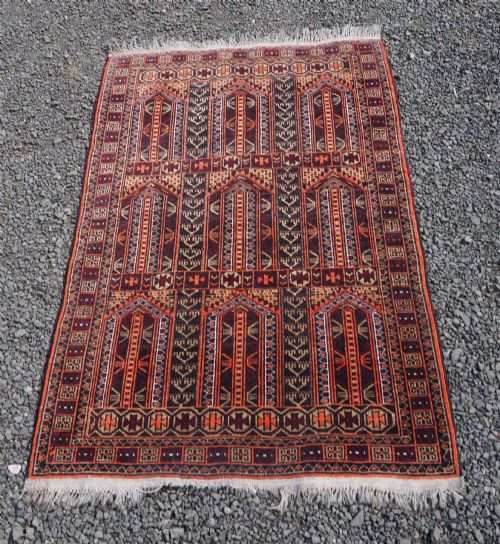

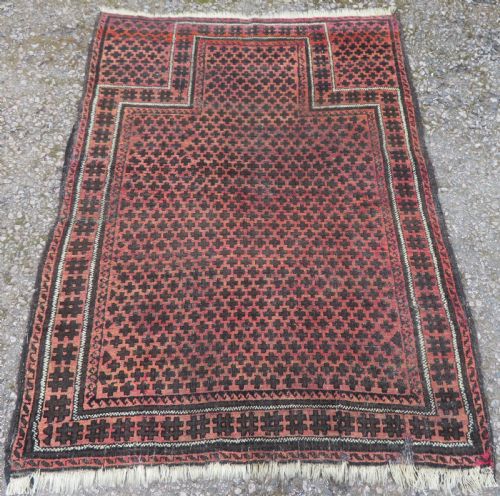


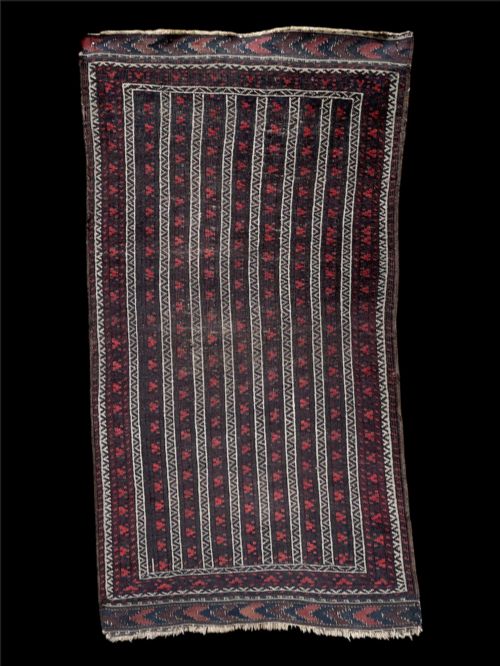


Woven Prayer Carpet
When you examine a woven prayer carpet, you encounter textile traditions spanning nineteenth-century Anatolia, the Caucasus, and tribal regions.
Woven Prayer Carpet
A woven prayer carpet displays a distinctive architectural arch, known as a mihrab, designed to direct the placement of the head during daily devotion. These floor coverings emerge from diverse origins, including Anatolian, Caucasian, and Afghan tribal workshops.
The format typically appears as a portable rug rather than a room-sized carpet, adapted for individual use. Collectors frequently encounter pieces originating from the nineteenth and early twentieth centuries, reflecting regional weaving traditions.
Materials and construction
Weavers utilised natural materials such as wool, cotton, and silk, often employing hand-spun wool for the foundational pile. Natural dyes provide the palette, complemented occasionally by structural elements incorporating goat hair or camel hair.
The construction relies on manual knotting techniques passed through generations within specific regional groups. These methods determine the density and durability of the resulting textile.
Some Baluch rugs include camel hair, adding a natural, un-dyed warmth to the borders that feels remarkably soft to the touch.
Evaluating quality and execution
Quality rests upon the precision of the knotting and the depth achieved through natural dye variations. Finer examples display crisper architectural lines within the mihrab and greater structural integrity in the foundation.
The selection of materials also dictates the standing of a piece, with hand-spun wool and silk examples demonstrating superior handling. Greater chromatic harmony and deliberate composition separate standard regional work from exceptional weaving.
The Woven Prayer Carpet Glossary
- Mihrab
- The architectural niche design incorporated into the field of the rug to indicate the direction of prayer. This arched motif forms the focal point of the composition.
- Pile
- The vertical surface of yarn that stands up from the woven foundation. In these textiles, it is typically formed from knotted wool or silk.
- Warp
- The lengthwise threads stretched tightly on the loom before weaving begins. The horizontal weft threads pass through these to secure the knots.
- Weft
- The horizontal threads inserted across the warp threads after each row of knots. This stabilises the structure of the woven textile.
Woven Prayer Carpet: Frequently Asked Questions
What is a woven prayer carpet?
A woven prayer carpet is a portable textile featuring a mihrab arch designed for personal religious observance. These pieces originate from Anatolian, Caucasian, and tribal traditions.
They function both as functional objects and as expressions of regional weaving heritage, dating primarily from the nineteenth and early twentieth centuries.
How do I identify regional styles?
Regional styles appear through distinct colour palettes, border motifs, and structural characteristics. Anatolian examples often display different structural traits compared to Caucasian or Baluch tribal pieces.
Examining the handling of the wool and the specific geometry of the mihrab helps differentiate between workshops.
Where were these rugs made?
These textiles were produced across Anatolia, the Caucasus, and regions associated with Baluch and Turkmen tribal groups. Each area maintained distinct weaving practices.
Local access to materials such as camel hair, cotton, and specific natural dye sources shaped the output of each district.
How should I care for an antique rug?
Protect antique textiles by avoiding direct sunlight and heavy foot traffic to preserve the natural wool or silk pile. Gentle vacuuming without a beater bar helps remove dust.
Consult a specialist in historic textiles for cleaning and maintenance rather than attempting chemical treatments at home.