

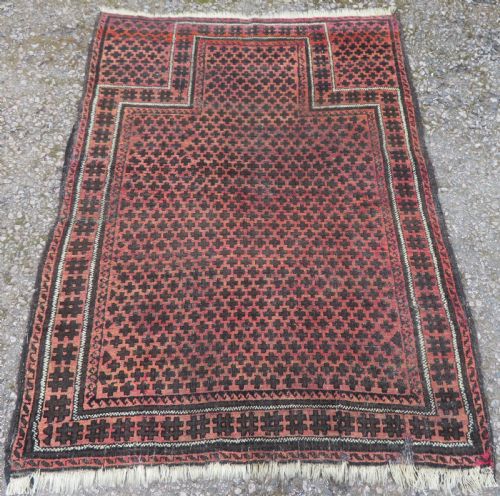


Traditional Tribal Prayer Mat
A traditional tribal prayer mat brings centuries of nomadic artistry and symbolic design directly into modern rooms.
Traditional Tribal Prayer Mat
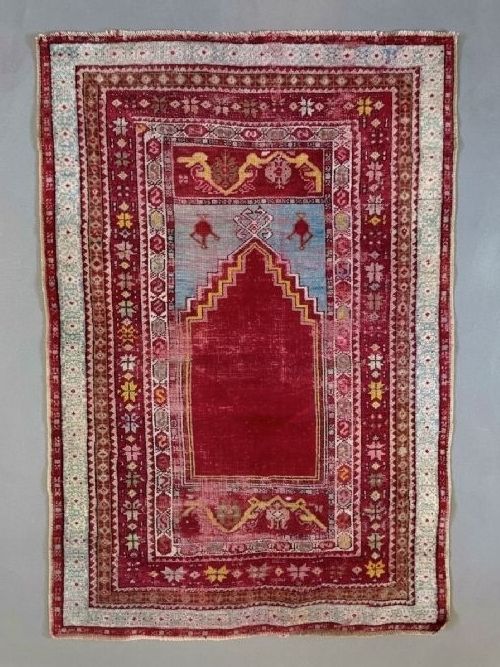
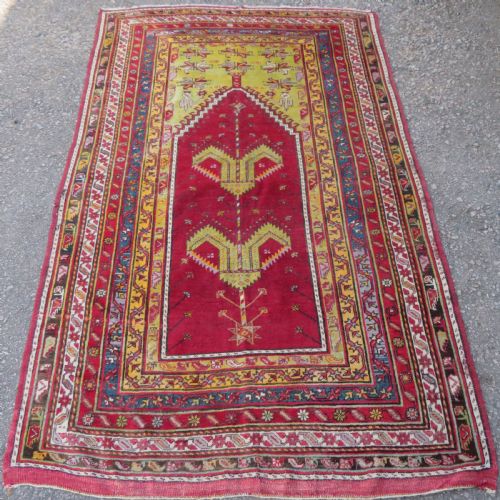
A traditional tribal prayer mat is a handheld woven textile typically defined by a distinct niche or arch representing the mihrab. These floor coverings originate from nomadic and village weaving traditions across Anatolia, the Caucasus, and Central Asia.
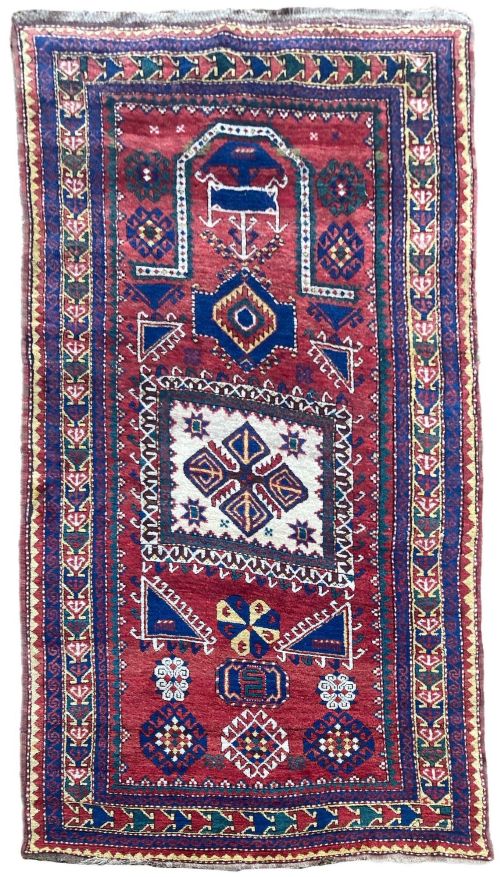
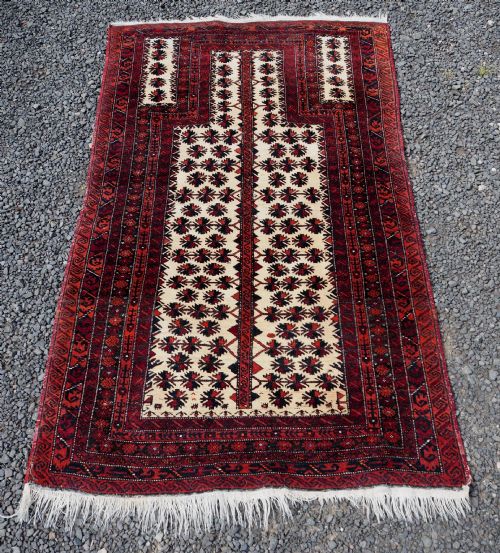
Buyers browsing this selection will encounter regional variations including Afghan Baluch and Kizil Ayak pieces alongside Caucasian Kazak, Shirvan, and Turkish village rugs. These items range from eighteenth-century examples to early twentieth-century tribal production.
The format of a traditional tribal prayer mat centres on personal devotion, with designs tailored for portability and ritual use. Their compact rectangular proportions and symbolic motifs set them apart from standard room-sized carpets.
How They Were Made
Weavers constructed these textiles predominantly using wool, incorporating hand-spun fibres alongside cotton foundations and occasional silk highlights. Natural dye traditions provided deep reds, indigos, and ivories that mellow gracefully over time.
The construction relies on hand-knotting techniques executed on vertical or horizontal looms set up in village and nomadic camps. Artisans worked from memory and tribal tradition rather than written patterns, resulting in organic irregularities within the geometry.
Listings span multiple origins, featuring Anatolian, Caucasian, and Afghan tribal weaving traditions.
What Varies in Quality
The distinction between standard examples and exceptional pieces rests upon the crispness of the drawing and the saturation of the dyestuffs. Tighter knot density and more ambitious architectural rendering of the mihrab indicate superior workshop or tribal execution.
Proportion and wool quality heavily influence the overall character of the weave. The most successful examples balance expressive tribal asymmetry with robust structural integrity in the pile and borders.
The Traditional Tribal Prayer Mat Glossary
- Mihrab
- The arched niche found at one end of a prayer rug, symbolising the direction of Mecca. It provides the central focal point for the weaver's geometric composition.
- Kazak
- A style of Caucasian rug produced by various tribal groups, known for bold geometric medallions and primary colour palettes. These textiles display high knot counts and sturdy wool.
- Baluch
- Weavings attributed to nomadic tribes of the Baluchistan region overlapping Afghanistan, Persia, and Turkmenistan. They frequently feature deep indigo and dark red tones with camel hair details.
- Suzani
- An embroidered silk textile originating from Central Asia, stitched onto a cotton or linen ground. They often display large floral sunburst medallions.
- Ghiordes
- A knotted pile technique utilised extensively in Turkish rug production. It creates a secure structure that holds intricate floral and architectural motifs firmly in place.
Traditional Tribal Prayer Mat: Frequently Asked Questions
How do I identify a prayer rug?
A prayer rug is distinguished by the presence of a single or multiple mihrab arches at one end of the field. This architectural motif directs the orientation of the textile during daily devotions.
Unlike large decorative floor carpets, these pieces are traditionally smaller and narrower to accommodate individual kneeling use. Regional motifs inside the arch often reveal the specific tribal origin.
Where were these rugs made?
These textiles originate from nomadic and village workshops across Anatolia, the Caucasus, and Central Asia. Specific weaving centres include regions like Kirsehir, Kazak, and Herat.
Each geographical area developed distinct colour combinations and structural traits. Tribal groups adapted these patterns through generations while maintaining traditional symbols.
How should I care for an antique rug?
Antique woven textiles require gentle maintenance, starting with regular light vacuuming without a rotating power brush. Keeping the piece out of direct sunlight prevents the natural dyes from fading.
Professional textile conservators should handle any deep cleaning or structural repairs. Proper rug underlays help reduce friction against hard floors and prevent slipping.