





Woven Blanket Rug
A woven blanket rug brings rich tribal texture and pattern into a room, offering practical warmth and centuries of nomadic heritage.
Woven Blanket Rug
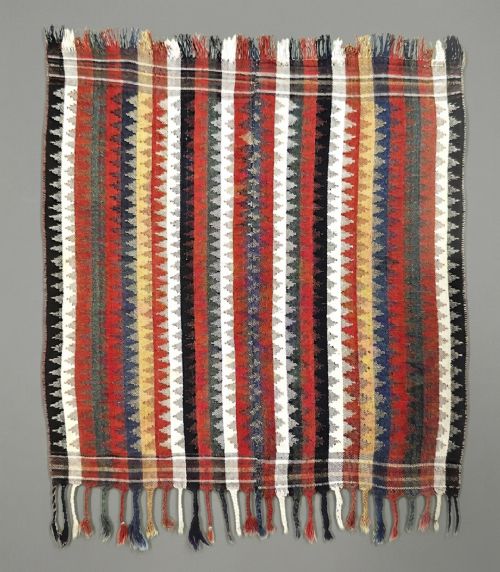
A woven blanket rug is a practical textile combining the warmth of a heavy covering with the flat structure of a nomadic floor spread or wall hanging.
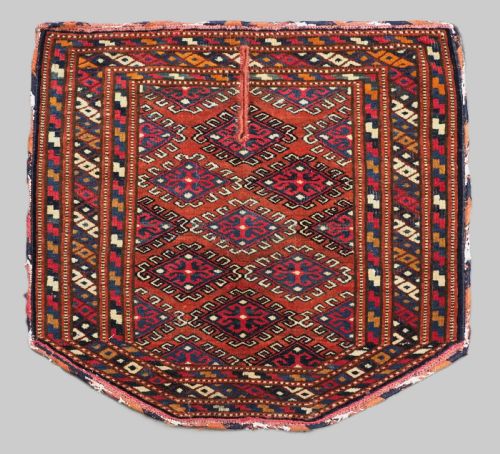
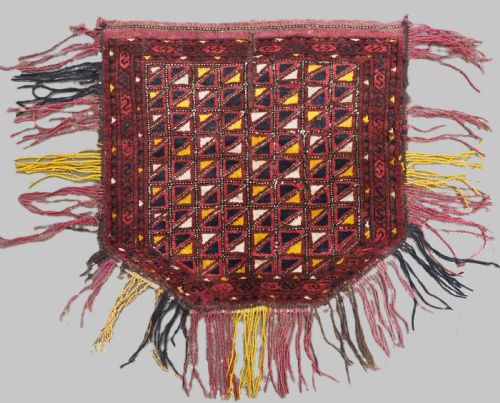
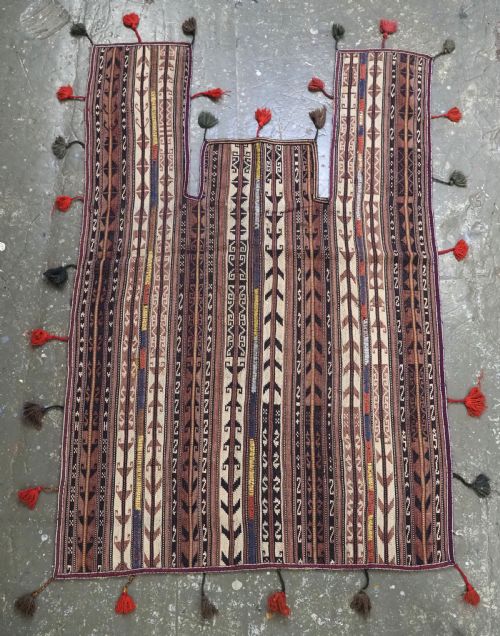
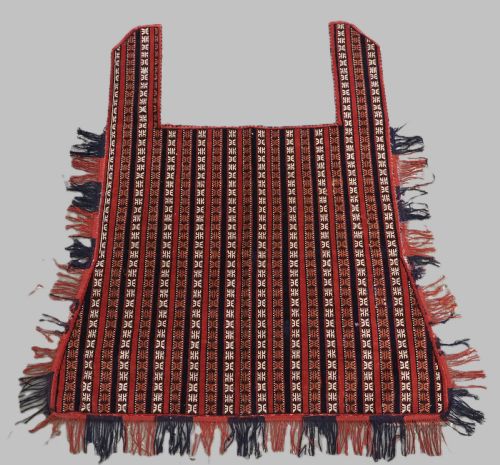
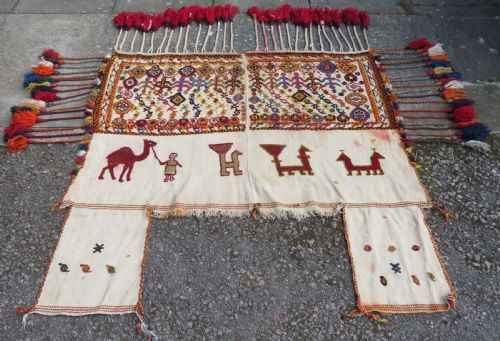
Buyers seeking a woven blanket rug will encounter horse blankets, saddle covers, kilim panels, and ceremonial tribal textiles originating from Central Asia and Persia.
The pieces listed span from the mid-nineteenth century to the early twentieth century, representing makers from Turkmen, Persian, and Afghan tribal groups.
Assessing quality and authenticity
Quality rests in the tightness of the weave, the clarity of the tribal motifs, and the survival of original details such as tassels and selvages.
Condition varies according to age and initial utilitarian function, distinguishing everyday household pieces from scarce ceremonial items.
Woven Blanket Rug Retail Price Guide 2026
Typical asking prices for woven blanket rug among the pieces listed under this phrase on Sellingantiques today, from the lower quarter to the upper quarter. They describe what is for sale here now, not the wider market.
The Woven Blanket Rug Glossary
- Kilim
- A flat-woven carpet or rug produced without a pile, created by tightly interweaving warp and weft strands. This technique produces a smooth, durable textile suitable for floors or wall hanging.
- Flat Weave
- A textile construction method where the design is formed by weaving the coloured weft threads straight across the warp threads. It creates a lightweight, reversible cloth.
- Warp
- The vertical threads held stationary on a loom before the weaving begins. They form the foundational structure that supports the entire textile.
- Weft
- The horizontal threads passed through the warp to create the pattern and colour of the fabric. In tribal weaving, these are beaten down firmly to ensure structural integrity.
- Chuval
- A large storage bag or face panel produced by Turkmen tribes, often featuring distinctive guls or medallions. Collectors prize these for their intricate geometric design work.
- Moj
- A traditional Persian flat-weave textile used as a floor spread, cover, or wall hanging. They are typically woven by nomadic groups such as the Qashqai and Bakhtiari.
Woven Blanket Rug: Frequently Asked Questions
How were these woven blanket rugs used?
These textiles served practical functions within nomadic life, acting as horse blankets, saddle covers, sleeping rugs, and tent furnishings. They provided necessary insulation against cold climates while travelling or within tribal dwellings.
Over time, many pieces transitioned from functional utilitarian items to decorative wall hangings and floor spreads prized for their tribal patterns.
How do I care for an antique flat weave rug?
Protect the wool fibres by vacuuming gently without a rotating brush bar and keeping the textile out of direct, harsh sunlight. Rotating the piece periodically ensures even wear across the surface.
Professional cleaning tailored to antique flat weaves is recommended to preserve the natural lanolin in the wool and maintain the structural integrity of the weave.
Are these textiles suitable for modern floors?
Many flat-weave rugs and covers function well on modern floors when paired with a quality non-slip underlay to keep them securely in place. The flat structure sits neatly beneath furniture and doors.
Delicate ceremonial pieces or horse blankets with surviving original tassels may be better suited to low-traffic areas or displayed as wall hangings.
How are tribal origins identified?
Tribal attributions are determined by analysing the specific geometric motifs, colour palettes, and weaving structures characteristic of particular groups like the Yomut, Ersari, or Qashqai. Distinct structural quirks, such as being woven in multiple joined strips, offer further clues.
Comparing structural details against documented tribal examples helps pinpoint the regional origin and likely period of manufacture.