



Woven Area Carpet
A woven area carpet brings centuries of nomadic and village craft into a room, grounding the space with wool, cotton, and traditional patterns.
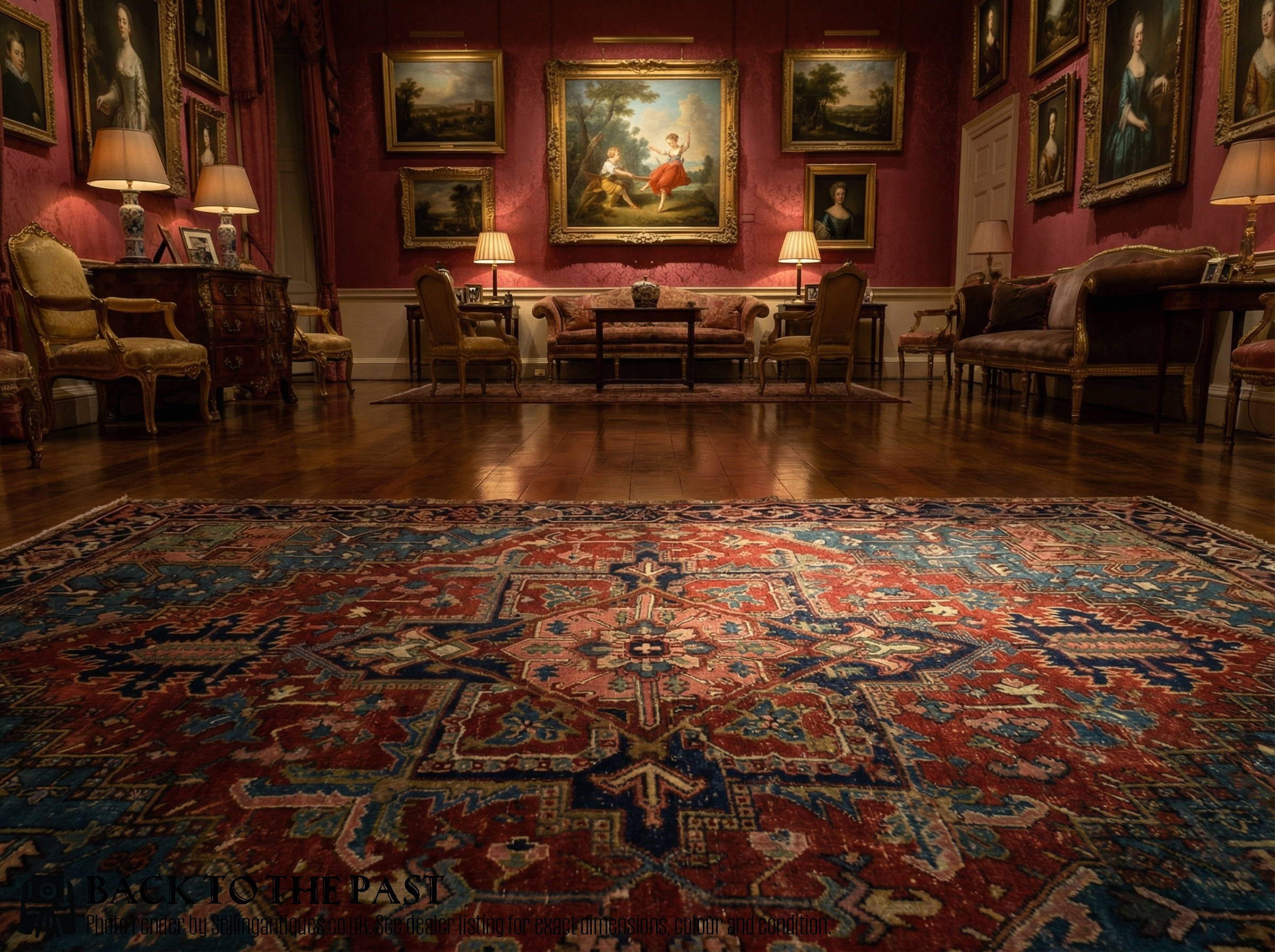
Woven Area Carpet
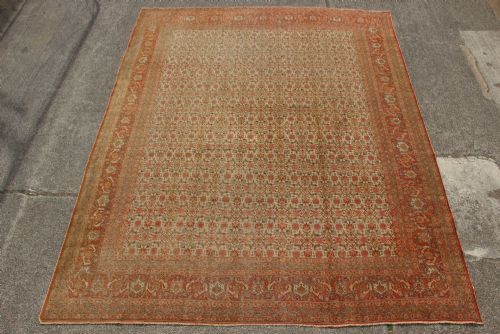
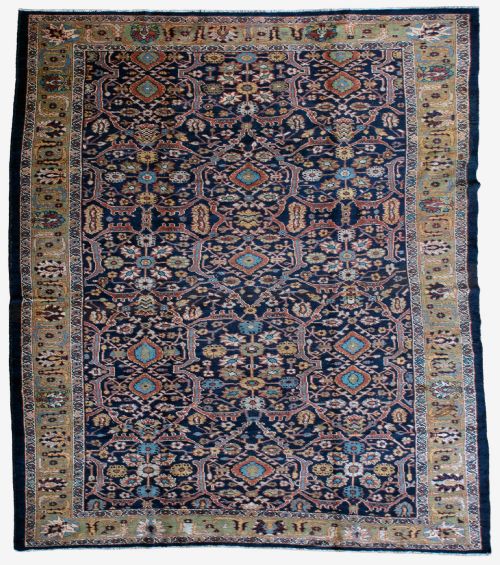
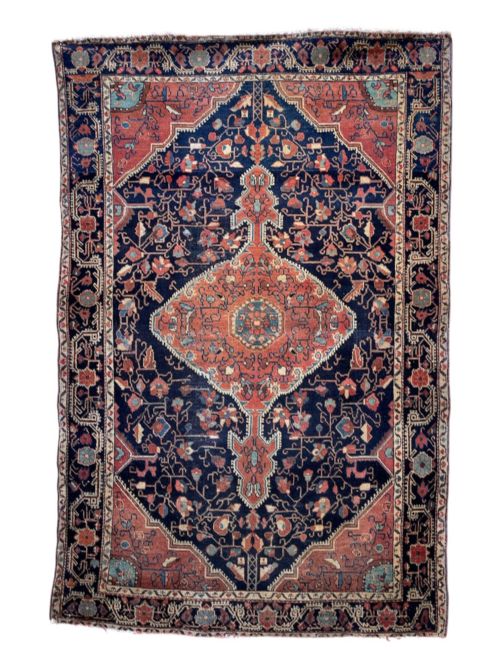
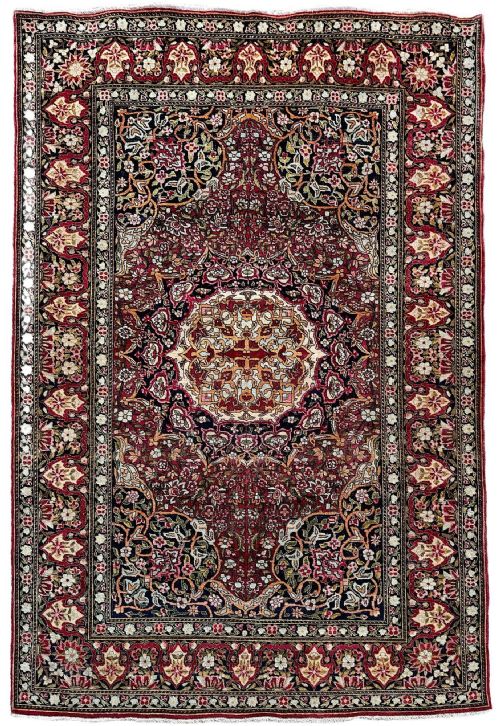
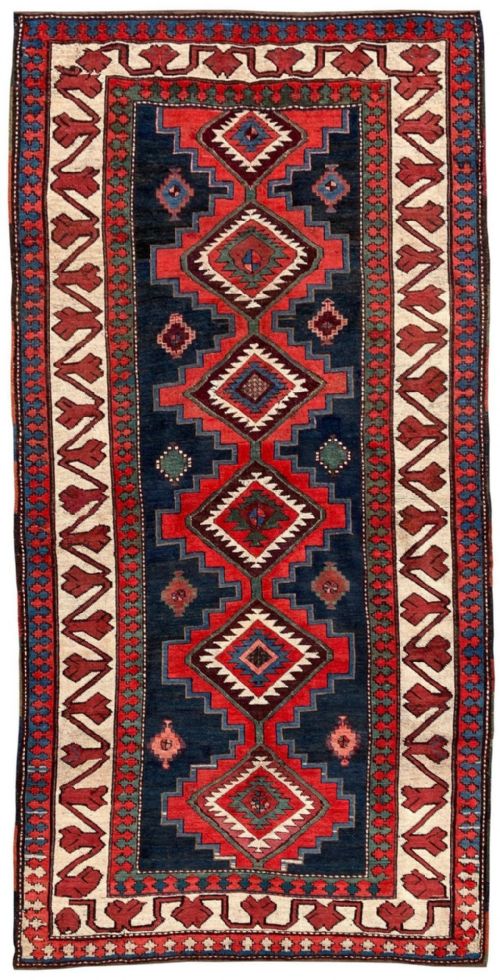
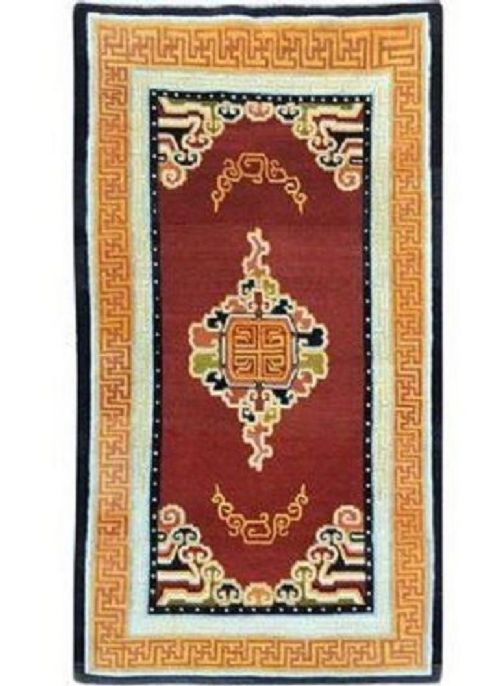
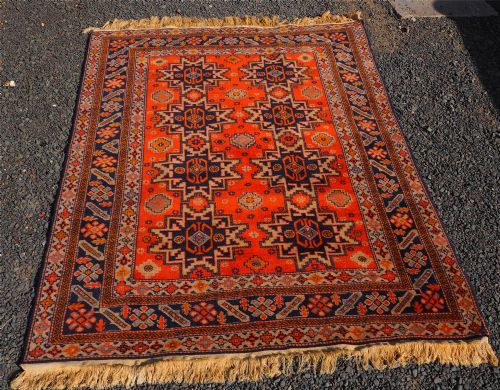
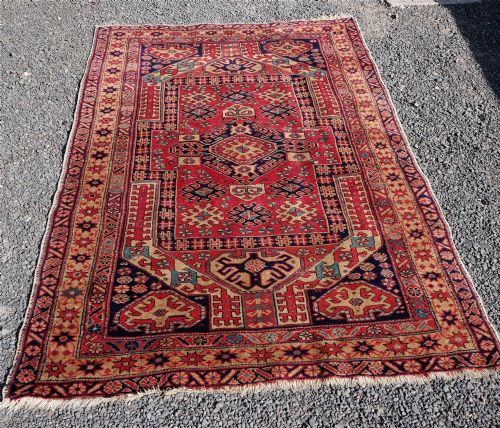
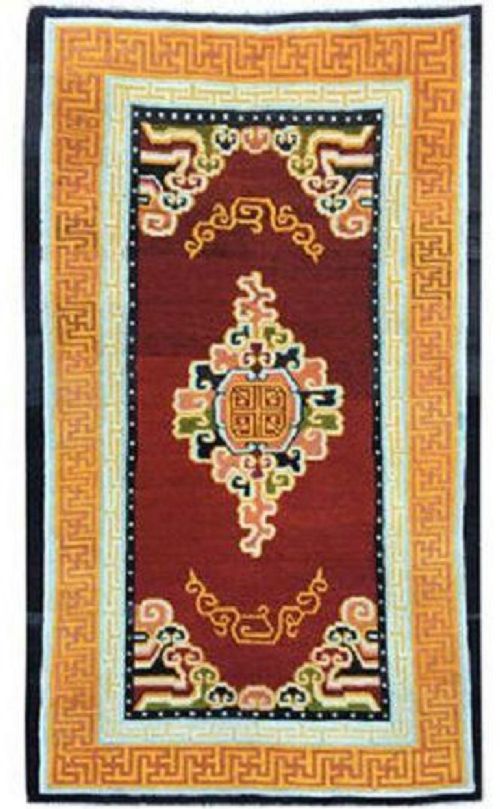
A woven area carpet spans large floor coverings and smaller hearth-sized formats originating from Persian, Caucasian, Anatolian, and Tibetan traditions. Buyers seeking a woven area carpet typically encounter pieces dated from the nineteenth century through the early twentieth century.
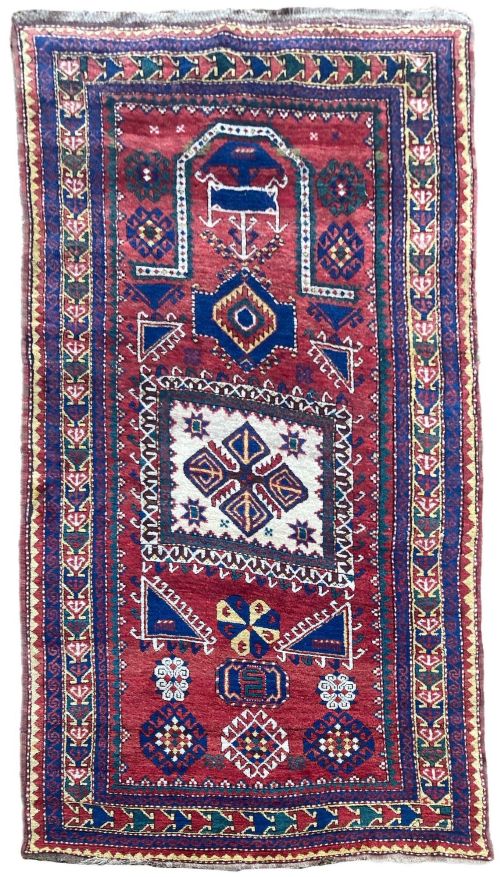
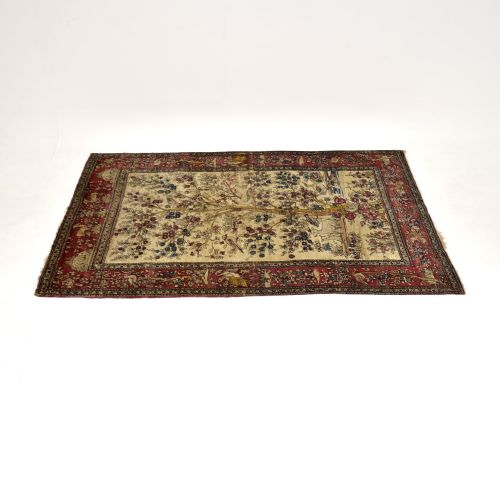
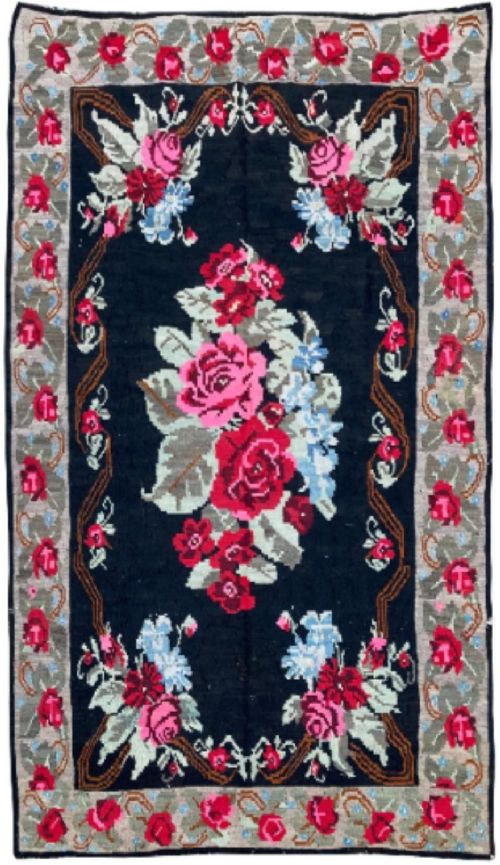
The selection ranges from expansive room-size Persian carpets to tribal village rugs, runners, and flatweave kilims. Regional weaves define the visual language, showing distinct geometric medallions, intricate floral motifs, or tribal symbols.
Materials and Construction
Makers utilised natural materials, predominantly hand-spun wool for the pile, often combined with cotton or wool foundations for structural integrity. Silk highlights appear in specific urban pieces to add luminescence to the design.
Knitting and knotting techniques vary by region, alongside flatweaving methods used for kilims. These traditional hand-knotted and flatwoven constructions dictate the drape and resilience of the textile.
Nomadic weavers occasionally wove tiny protective amulets directly into the pile to guard the household against the evil eye.
Assessing Quality and Execution
The density of the weave and the clarity of the design differentiate standard village work from finer urban or workshop productions. Knot count and structural tightness determine how well the textile holds its form under foot.
The depth and permanence of natural dyes create variation across the range, where complex abrash colour shifts reflect traditional dyeing methods. Material purity, such as the use of fine wool versus coarser blends, influences the handle of the textile.
The Woven Area Carpet Glossary
- Kilim
- A flatwoven carpet or rug produced without a pile, traditionally utilised across Anatolia and the Caucasus.
- Medallion
- A central ornamental motif dominating the field of the carpet, frequently seen in Persian and tribal designs.
- Abrash
- Subtle tonal variations within a single colour field caused by shifts in dye batches or wool lots.
- Prayer rug
- A small format textile traditionally featuring a mihrab niche design used for personal devotion.
- Pile
- The upright yarn surface of the carpet formed by individual knots tied to the warp and weft foundations.
Woven Area Carpet: Frequently Asked Questions
How do I clean a vintage carpet?
Regular gentle vacuuming without a beater bar removes surface dust and protects the wool pile. Professional specialist cleaning remains essential for deep maintenance.
Water exposure should be managed carefully to prevent dye bleed in traditional natural colours. Specialist care preserves the integrity of cotton and wool foundations.
Where were these carpets made?
Production centres span traditional weaving regions including Persia, the Caucasus, Anatolia, and Tibet. Village workshops and nomadic tribes each developed distinct regional designs.
City workshops produced refined floral carpets, while tribal groups favoured geometric and symbolic motifs. Geography directly shapes the palette and construction of each textile.
Can I place these under furniture?
Heavy furniture requires protective cups to distribute weight evenly across the wool pile and prevent crushed foundations. Rotating the textile periodically ensures even wear in high-traffic zones.
Placing a breathable underlay beneath the carpet prevents slipping and reduces friction against hard floors. This simple step extends the working life of the weave.
How do I date an older carpet?
Dating relies on stylistic markers, structural characteristics, and the specific palette of the natural dyes used in the piece. Regional weaving traits evolved over centuries, helping experts place items within specific decades.
Comparative analysis against documented tribal and workshop examples clarifies the approximate era of manufacture. Physical indicators like wear patterns and material preparation provide further context.