



Worcester Porcelain Leaf Dish
A worcester porcelain leaf dish brings delicate botanical form and exceptional eighteenth-century enamel work straight to the table.
Worcester Porcelain Leaf Dish
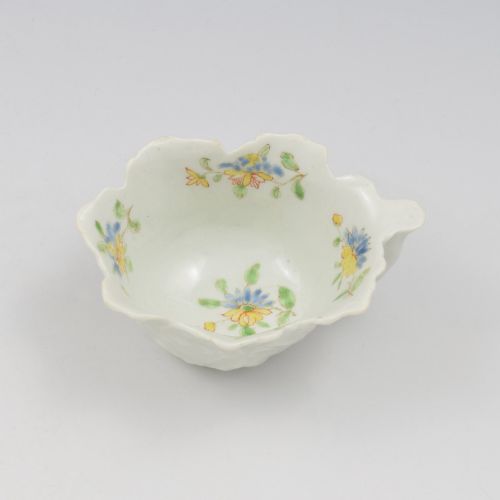
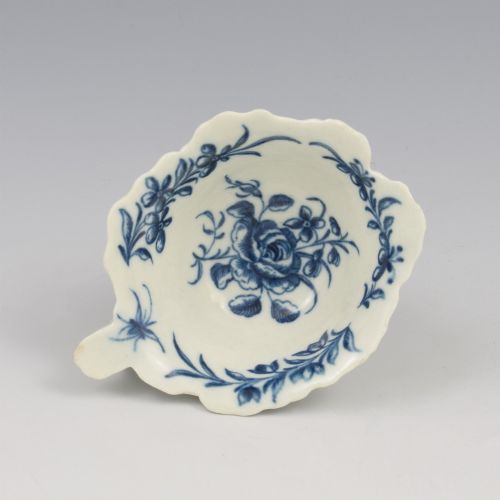
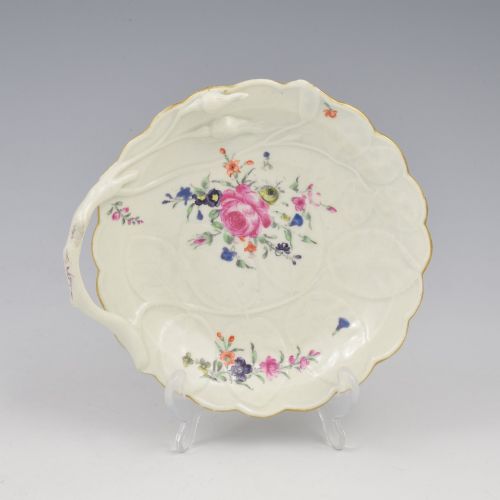
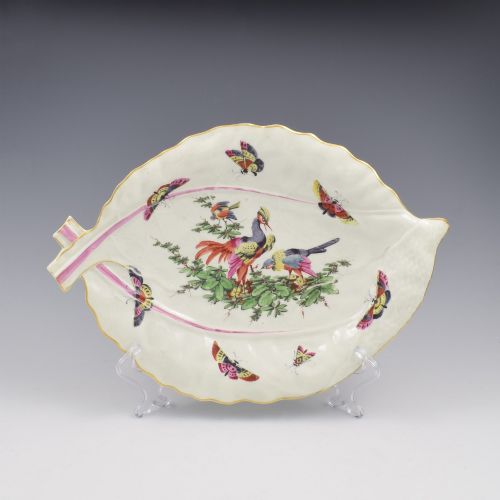
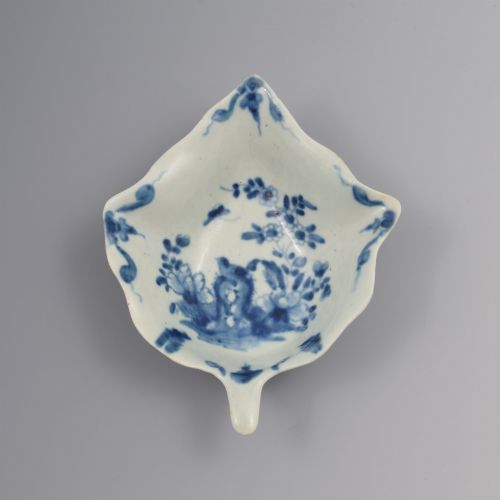
A worcester porcelain leaf dish takes botanical forms like vine, butter, or daisy leaves and translates them into fine ceramic tableware and decorative dishes. Buyers will encounter both early soft-paste examples and later bone china pieces across various periods.
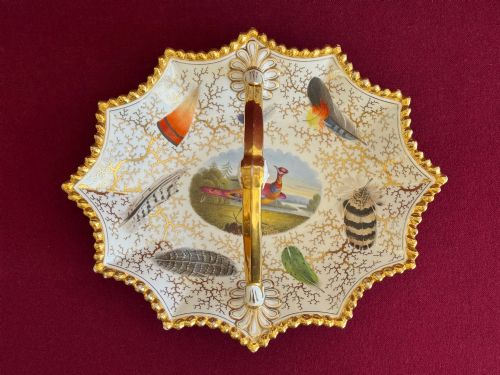
The selection ranges from small pickle dishes and sweetmeat dishes to large cabinet plates and serving dishes. Eighteenth-century pieces often feature intricate hand-painted birds, insects, or Kakiemon patterns.
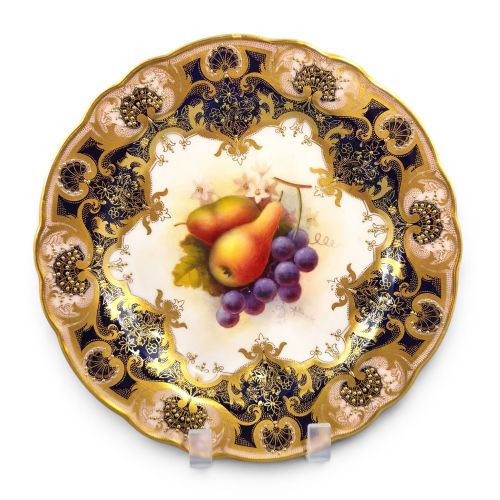
Later nineteenth and twentieth-century examples frequently showcase signed fruit painting and rich gilding. These pieces reflect the enduring popularity of naturalistic moulding combined with sophisticated factory painting traditions.
How they were made
Makers utilised soft-paste porcelain and later bone china, shaped into realistic leaf profiles by pressing clay into mould matrices. Potters then refined the veins and edges by hand before initial firing.
Decorators applied underglaze blue printing, overglaze enamels, and gold leaf gilding in subsequent firing stages. This combination of fluid painting and careful metallic application defined the high standards of the Worcester kilns.
Worcester Porcelain Leaf Dish Retail Price Guide 2026
Typical asking prices for worcester porcelain leaf dish among the pieces listed under this phrase on Sellingantiques today, from the lower quarter to the upper quarter. They describe what is for sale here now, not the wider market.
Listings feature porcelain from the eighteenth century through to the George V period, utilising gold leaf, soft-paste porcelain, and bone china.
What varies in quality
Quality rests upon the crispness of the moulded leaf veining and the precision of the hand-painted or transfer-printed decoration. Early Dr Wall pieces with complex scale blue grounds or detailed fancy birds demand particular attention.
The richness of the gilding and the vibrancy of the overglaze enamels distinguish superior specimens from standard tableware. Later painted fruit pieces depend entirely upon the skill of the named artist.
Chamberlain’s Worcester·Barr Flight and Barr·Royal Worcester
The Worcester Porcelain Leaf Dish Glossary
- Soft-paste porcelain
- An artificial ceramic body fired at lower temperatures than hard-paste porcelain, common in eighteenth-century English factories. It produces a warm, creamy translucency.
- Pickle dish
- A small, shallow tableware item shaped to hold condiments or small morsels at the table. These often took whimsical leaf or shell forms.
- Kakiemon
- A style of Japanese polychrome enamel decoration featuring asymmetrical arrangements of flowers, birds, and rocks. Worcester artists frequently copied these vibrant palettes.
- Overglaze enamels
- Colours applied on top of the fired glaze and fixed in a second, lower-temperature kiln. This technique allowed for a brilliant palette of reds, greens, and yellows.
- Cabinet plate
- A decorative plate intended for display in a cabinet rather than functional table use. These pieces often exhibit highly finished artistic painting.
Worcester Porcelain Leaf Dish: Frequently Asked Questions
How do I identify a First Period Worcester leaf dish?
Look for soft-paste porcelain bodies with characteristic cobalt blue underglaze painting, Kakiemon designs, or early crescent and workman marks.
The moulding should show naturalistic leaf veins with hand-finished edges rather than sharp, industrial uniformity.
What is the difference between a pickle dish and a serving dish?
Pickle dishes are typically smaller, narrower items designed for condiments and table sauces during the eighteenth century.
Serving dishes and cabinet plates are larger formats meant for fruit, dessert presentation, or display.
Did Royal Worcester make leaf dishes after the eighteenth century?
Yes, factories continued producing botanical and leaf-moulded forms well into the nineteenth and twentieth centuries.
Later Victorian and Edwardian examples often feature bone china bodies with heavy gilding or naturalistic fruit painting by artists like Richard Sebright.
How should I clean and display antique porcelain leaf dishes?
Wash these fragile items gently by hand in warm water using mild soap, avoiding dishwashers and harsh abrasive scourers.
Display them securely on plate stands or within enclosed cabinets to protect the delicate glazed surfaces and gold leaf.