
Worcester Fruit Painted Porcelain
Worcester fruit painted porcelain brings together botanical study and meticulous brushwork on fine clay.
Worcester Fruit Painted Porcelain
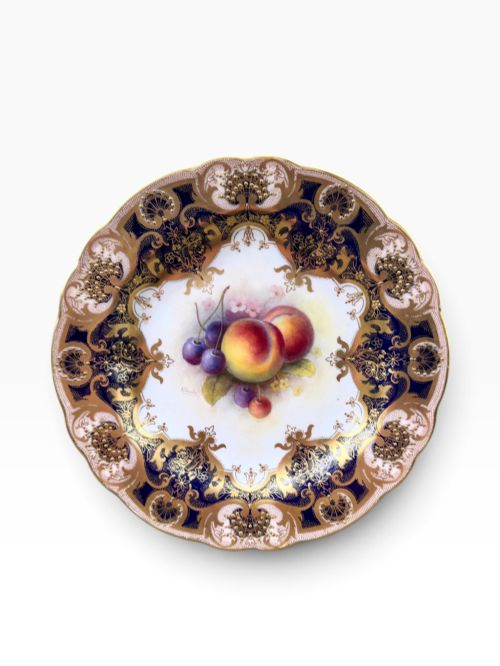
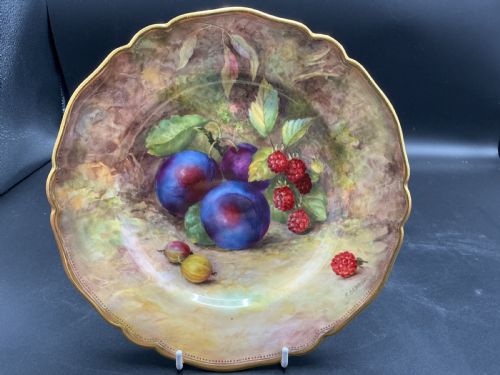
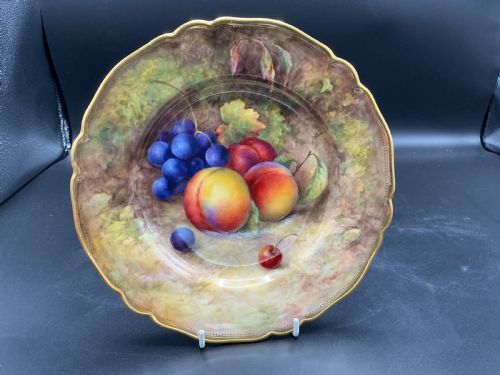
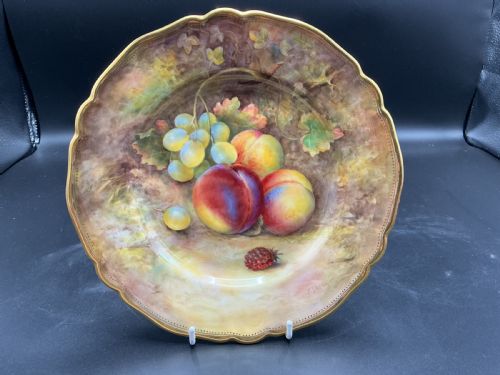
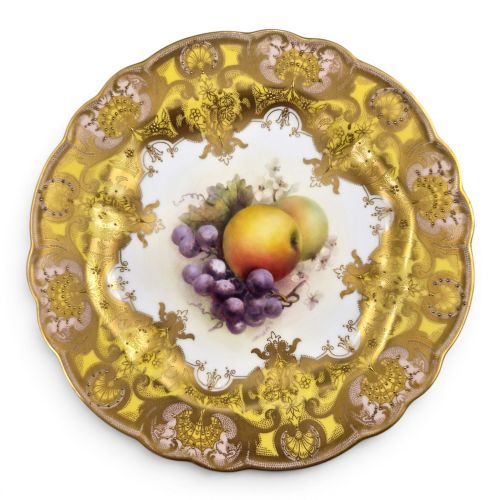
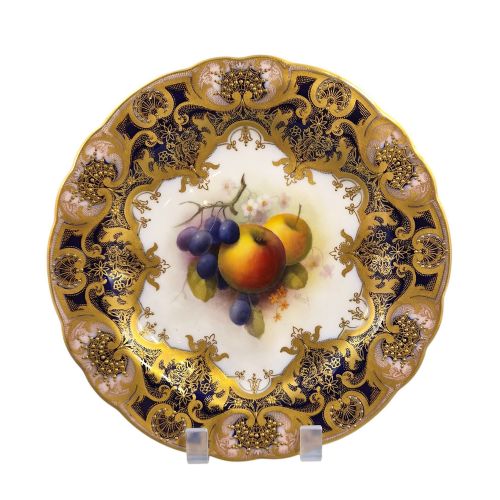
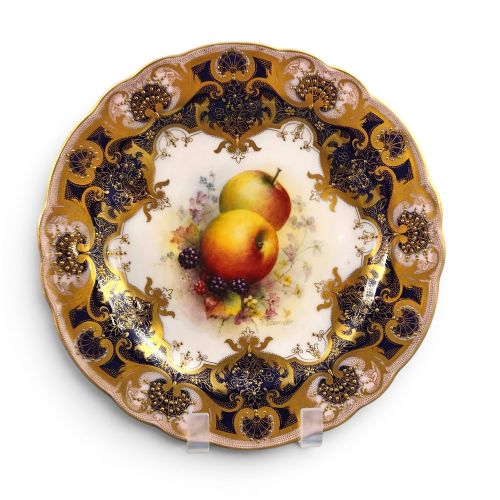
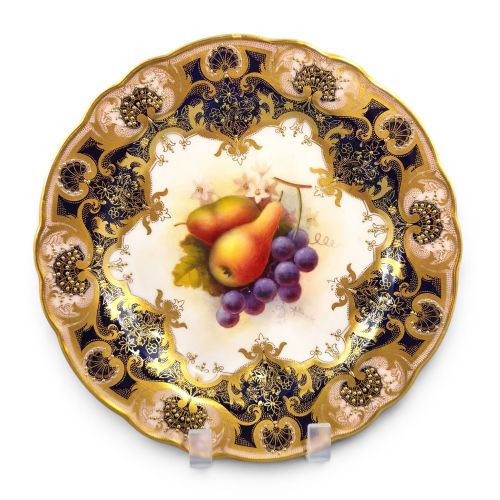
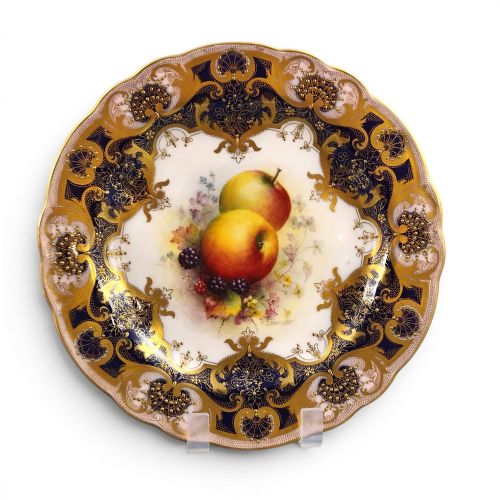
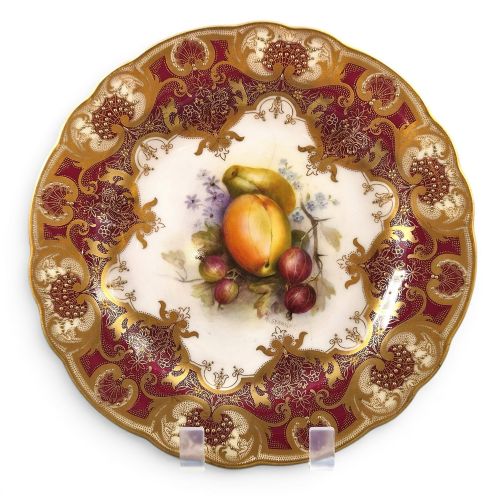
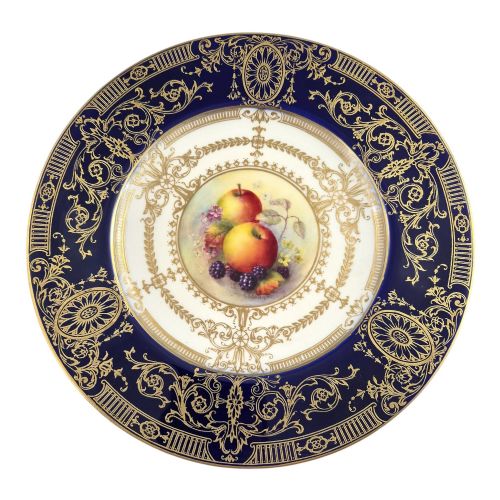
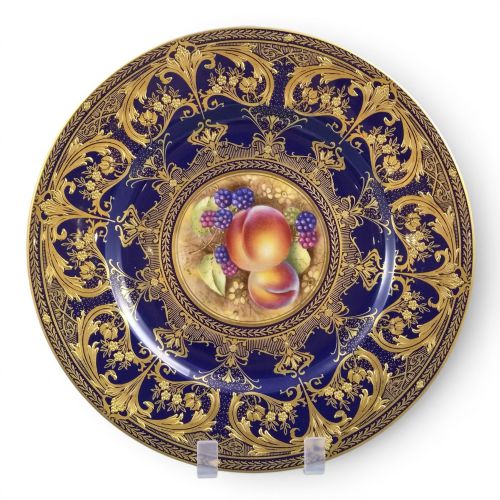
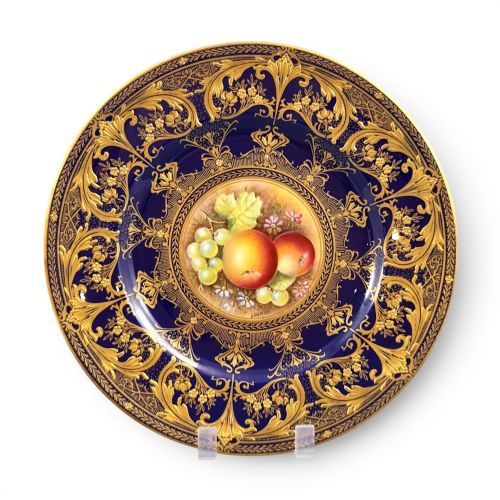
When you search for worcester fruit painted porcelain, you encounter a specialised selection of ceramics designed primarily for display rather than daily service. These objects span several distinct eras, from eighteenth-century wares to twentieth-century decorative pieces. The most common form on this page is the cabinet plate, often bearing hand-painted depictions of apples, peaches, and berries against a shaded background.
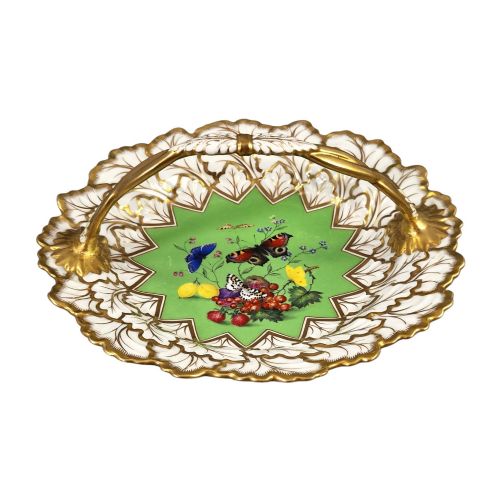
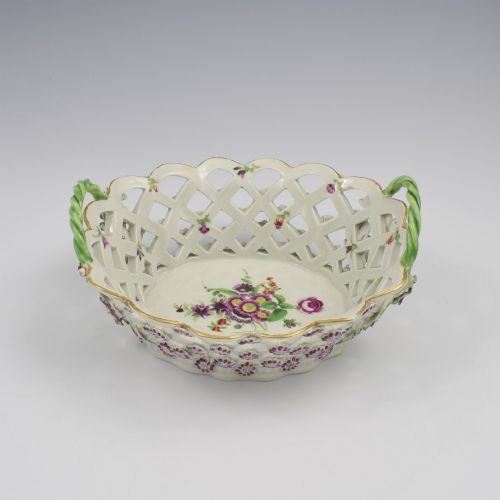
Beyond flat plates, the selection encompasses footed bowls, lidded ginger jars, pot pourri vases, and baskets. Eighteenth-century examples include chestnut baskets and dessert dishes featuring spotted fruit motifs. Twentieth-century pieces frequently arrive as individual cabinet plates or matched sets signed by notable artists working at the factory.
How they were made
The foundation of these items lies in porcelain, bone china, and soft-paste porcelain, shaped into vessels, bowls, and plates. Artisans then applied enamel paint by hand to capture the rich hues of natural fruit against subtle shadows. This pigment work required multiple firings in kilns to fix the colours permanently onto the ceramic body.
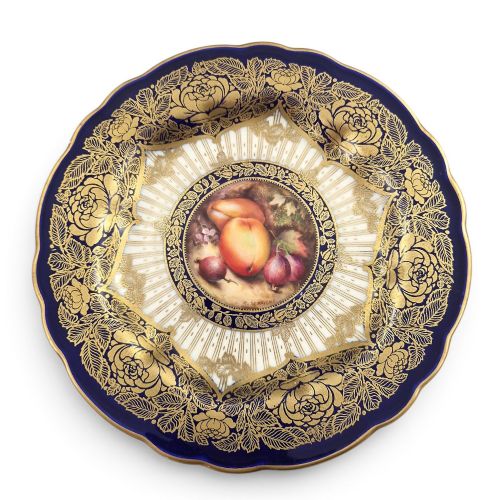
Gilding and gold leaf often frame the central painted scenes, applied to rims, handles, and borders. Some pieces utilise moulded edges, such as rope patterns or lobed contours, providing a textured boundary that complements the painted subject matter.
Listings feature porcelain forms ranging from early eighteenth-century chestnut baskets to mid-twentieth-century ginger jars and tea sets.
What varies in quality
The distinction between ordinary and exceptional items rests in the painter's hand and the depth of the palette. Pieces decorated by celebrated studio artists display a naturalistic rendering of light and texture on the fruit skin that elevates the object. The density and precision of the surrounding gilding also separate standard production wares from the finest exhibition pieces.
Provenance and documentation further define the standing of a piece within this category. Signed works with legible artist signatures and specific dates provide a clear attribution that shapes interest among collectors. The complexity of the underlying form, whether a simple plate or a heavily moulded basket, contributes to the overall achievement.
Royal Worcester·Flight Barr And Barr·Chamberlain Worcester
The Worcester Fruit Painted Porcelain Glossary
- Cabinet plate
- A decorative ceramic plate intended for display in a cabinet rather than use at the table. These items typically feature elaborate painted scenes and rich gilding.
- Soft-paste porcelain
- An artificial porcelain composition fired at lower temperatures than hard-paste varieties. It is common in eighteenth-century British ceramics.
- Gilding
- The application of gold leaf or powdered gold to the surface of porcelain. It highlights rims, handles, and borders.
- Pot pourri
- A decorative lidded vessel perforated to diffuse scent. In porcelain, these often feature hand-painted fruit panels.
- Enamel
- Vitreous coloured glass fused to the porcelain surface during firing. It provides the permanent pigments used for botanical and fruit painting.
Worcester Fruit Painted Porcelain: Frequently Asked Questions
What is worcester fruit painted porcelain?
These items are ceramic plates, bowls, and vessels decorated with detailed botanical fruit scenes. They represent a tradition of fine painting on porcelain bodies.
Most examples originate from the eighteenth, nineteenth, and twentieth centuries. They served primarily as decorative objects for display in drawing rooms and cabinets.
How do I identify artist-signed pieces?
Artists working at the factory often signed their miniature fruit scenes near the edge of the painted panel. Names appear in script or initials alongside factory marks.
Signatures from known painters help establish the specific period of decoration. Comparing the handwriting and style to documented examples confirms the attribution.
Where should I display these plates?
Cabinet plates suit enclosed display cases or plate racks that protect their gilded edges and painted surfaces from accidental impact. Indirect lighting helps reveal the subtle shading of the fruit.
Keeping them away from direct sunlight prevents fading of the enamel colours over time. Stable indoor humidity protects the ceramic body and any historical repairs.
How do eighteenth-century pieces differ?
Early pieces from the eighteenth century utilise soft-paste porcelain with distinctive glaze textures and hand-formed basketwork. The painting style focuses on botanical accuracy within simpler borders.
Later nineteenth and twentieth-century items often employ bone china with heavier gilding and more painterly, shadowed backgrounds. The forms become more varied, including ginger jars and ewers.