



Worcester Botanical Porcelain
Worcester botanical porcelain brings together fine ceramics and natural history, offering delicate painted flowers on porcelain bodies that catch the eye in any room.
Worcester Botanical Porcelain
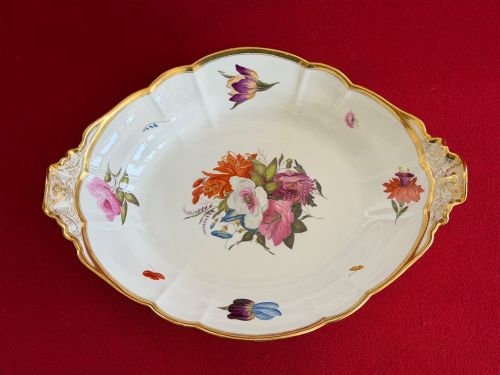
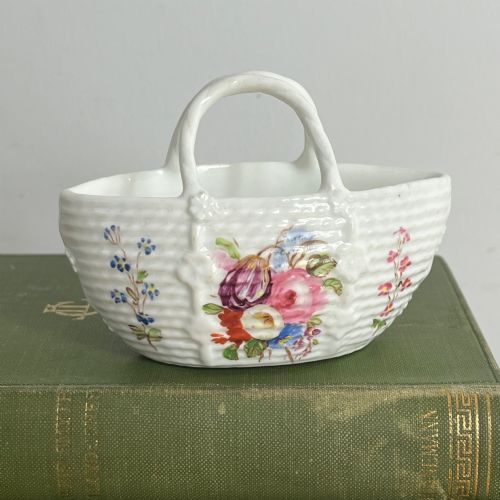
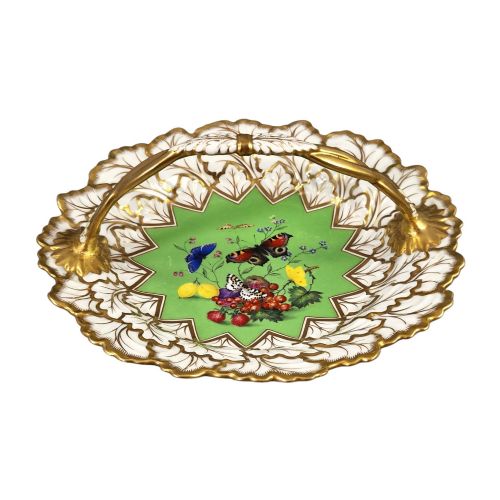
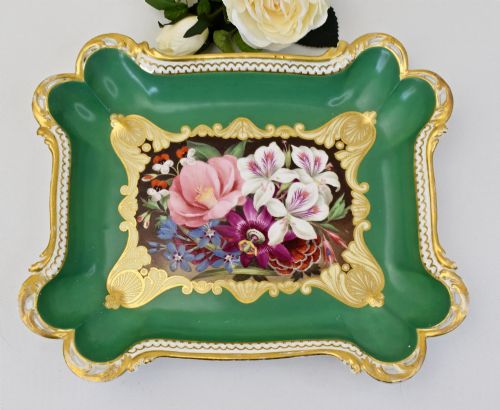
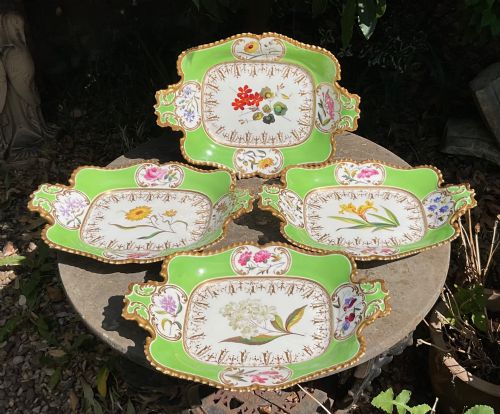
When you search for worcester botanical porcelain, you encounter a refined group of decorative ceramics produced in Worcester across the Georgian, Regency, and Victorian periods. These pieces range from plates and dishes to baskets, vases, and centrepieces, often featuring detailed handpainted floral decoration.
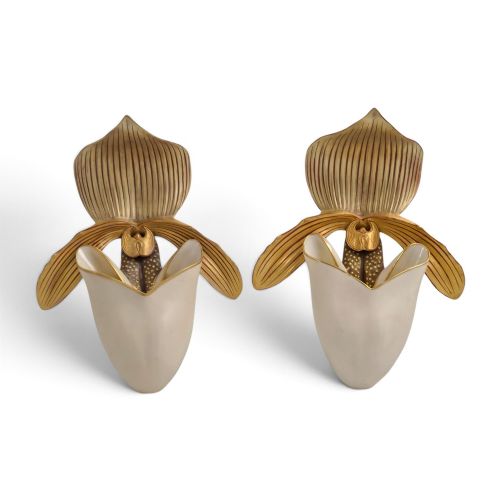
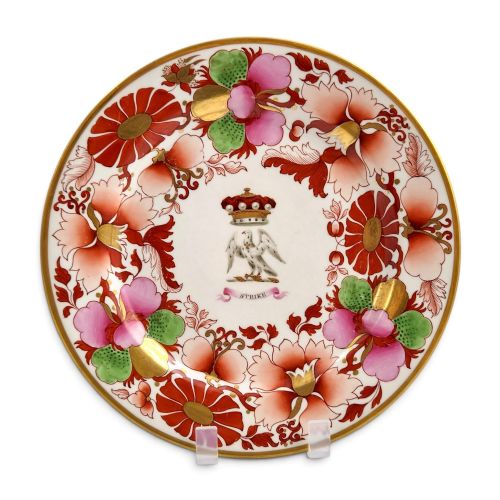
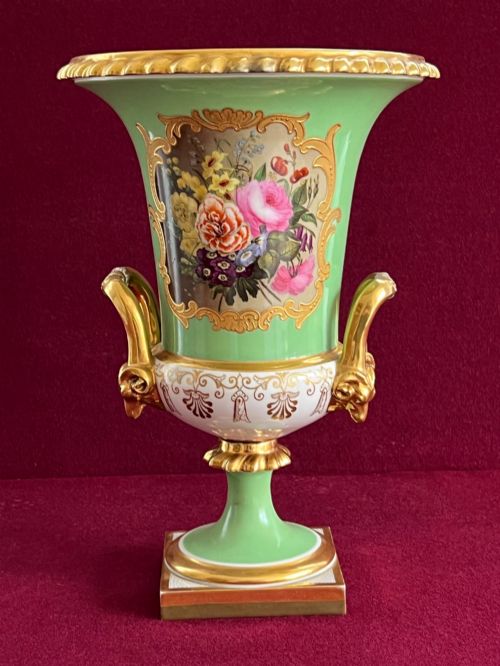
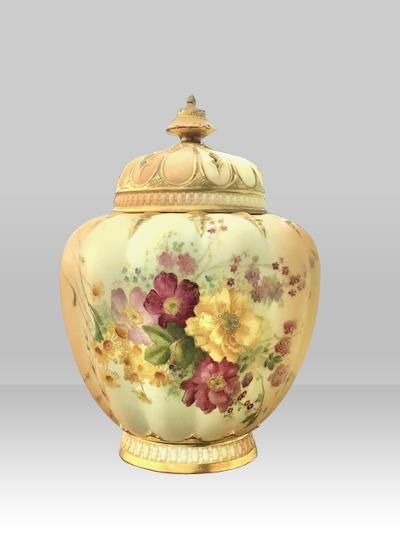
The objects appearing here most frequently date from the early nineteenth century under factories such as Flight, Barr & Barr and Chamberlains, alongside later Victorian and Edwardian examples by Royal Worcester. Forms include campana shape vases, armorial dessert plates, and wall pockets shaped like lady's slipper orchids.
Collectors seek out these items for their intricate botanical painting and firm historical association with esteemed Worcester potteries. Each form demonstrates the changing tastes of British households from the Georgian era through to the early twentieth century.
Materials and manufacture
Makers utilised porcelain and soft-paste porcelain as the primary body for these vessels, applying a smooth glaze to seal the surface before decoration. Enamel colours were then handpainted onto the pieces, often depicting flowers, butterflies, and armorial bearings.
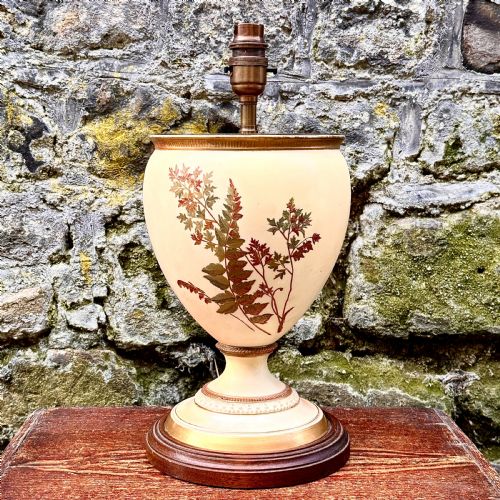
Finishing touches frequently involved gold leaf and extensive gilding applied to rims, handles, and pedestals. Some items incorporate additional elements such as brass or wood mounts, particularly in later table lamps and decorative wares.
Worcester Botanical Porcelain Retail Price Guide 2026
Typical asking prices for worcester botanical porcelain among the pieces listed under this phrase on Sellingantiques today, from the lower quarter to the upper quarter. They describe what is for sale here now, not the wider market.
Object forms recorded on this page include vases, centrepieces, plates, wall pockets, teacups, baskets, and table lamps.
Assessing quality in Worcester ceramics
The division between standard pieces and the finest work lies in the execution of the handpainted decoration and the crispness of the porcelain form. Superior examples feature named painters or rich armorial details that elevate the piece beyond standard factory output.
Preservation of the original gilding and enamel colours also dictates the standing of an item. Pieces retaining bright gold leaf and crisp floral detail without excessive rubbing represent the upper tier of the range.
Barr Flight and Barr·Flight Barr and Barr·Chamberlains Worcester·Royal Worcester·Doe and Rogers
The Worcester Botanical Porcelain Glossary
- Soft-paste porcelain
- An artificial porcelain body composed of clay and glass frit, fired at lower temperatures than hard-paste. This material gives early Worcester pieces a distinct warm texture beneath the glaze.
- Campana shape
- A classical vase form resembling an inverted bell with a flaring rim and a pedestal foot. Makers during the Regency period utilised this classical silhouette for decorative urns.
- Armorial
- Bearing a coat of arms or family crest painted onto the ceramic surface. Dessert plates and services often carried these bespoke heraldic designs for wealthy patrons.
- Blush ivory
- A tinted porcelain ground introduced by Royal Worcester in the late nineteenth century. It provides a soft cream backdrop that mimics the tone of natural ivory.
- Pot pourri
- A vessel designed with a pierced or perforated lid to diffuse scent from dried flower petals into a room. These covered vases often feature elaborate pedestal and handle designs.
Worcester Botanical Porcelain: Frequently Asked Questions
What is worcester botanical porcelain?
Worcester botanical porcelain encompasses ceramic items produced in Worcester featuring handpainted floral subjects, butterflies, and garden plants. These objects include plates, bowls, and vases created across the Georgian, Regency, and Victorian eras.
Factories such as Flight, Barr & Barr and Royal Worcester employed skilled artists to render botanical specimens with scientific accuracy and artistic flair. The resulting pieces served both functional dining purposes and purely decorative display.
How do I date a piece?
Dating relies upon factory marks stamped or painted on the underside, stylistic indicators, and the specific partnership names associated with the Worcester manufactory. Georgian items often bear marks from Flight, Barr & Barr, while later Victorian and Edwardian pieces display Royal Worcester ciphers.
Form and decoration also provide clues, as Regency campana vases differ significantly in profile and gilding from Aesthetic Movement or Edwardian wares. Comparing the style of painting and the paste helps narrow down the decade of production.
How were these items used?
Many botanical porcelain items served practical functions in wealthy households, including dessert service plates, teacups, and soup dishes used during formal meals. Armorial plates indicated family lineage and status at the dining table.
Other forms, such as wall pockets, campana vases, and pot pourri vessels, existed solely for interior decoration and scent diffusion. Centrepieces and decorative baskets graced sideboard tables and drawing rooms during the nineteenth century.