


Wool Turkmen Carpet
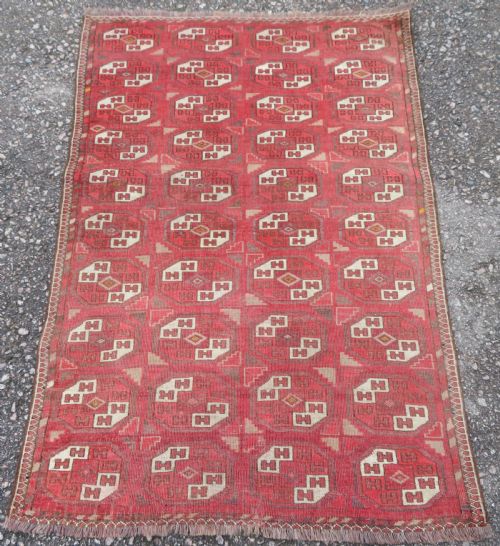
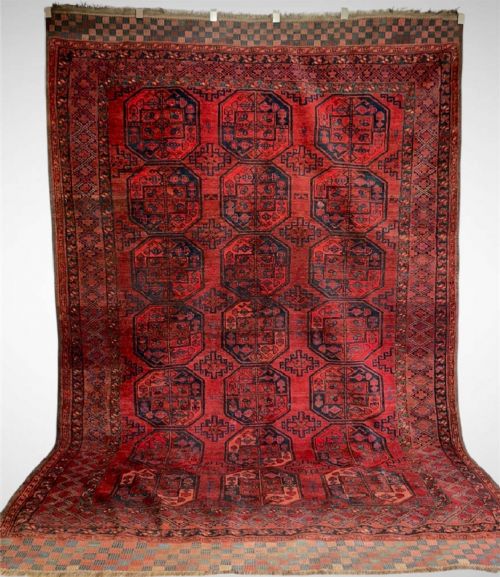
When you search for a wool turkmen carpet, you enter the distinctive world of Central Asian tribal weaving where rich red tones and geometric guls dominate.
Wool Turkmen Carpet
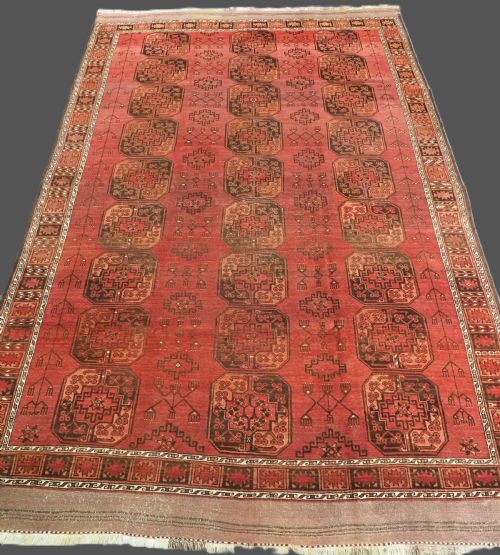
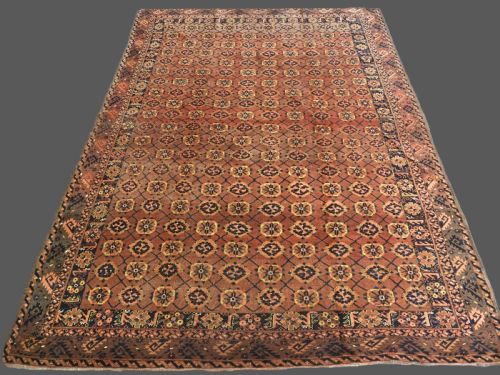
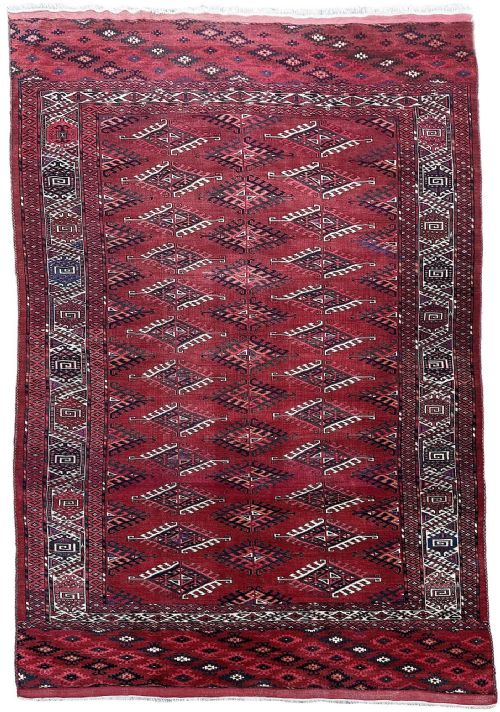
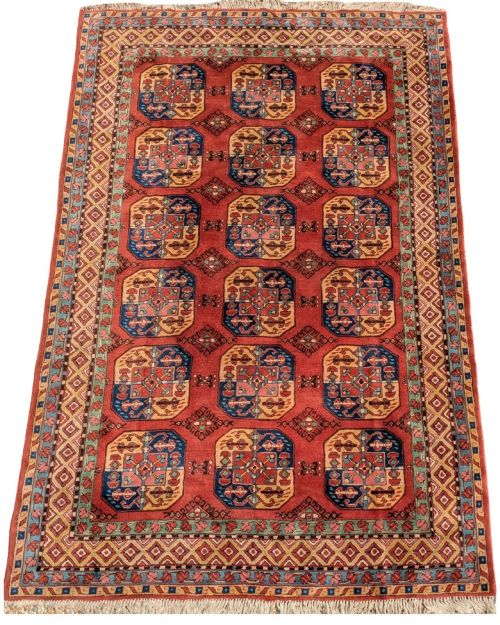
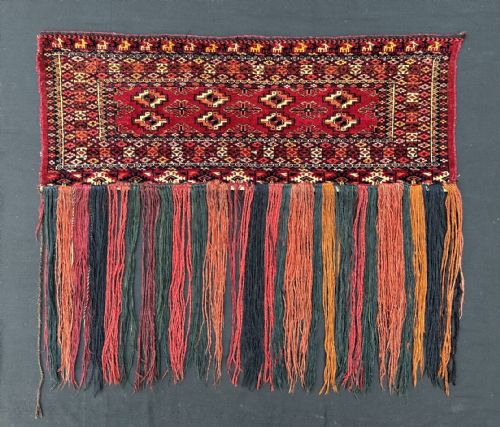
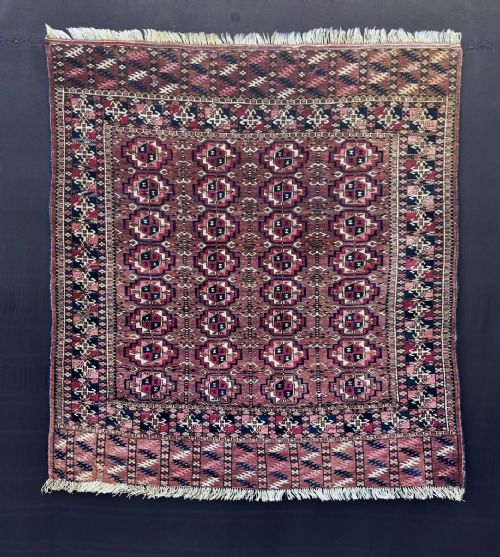
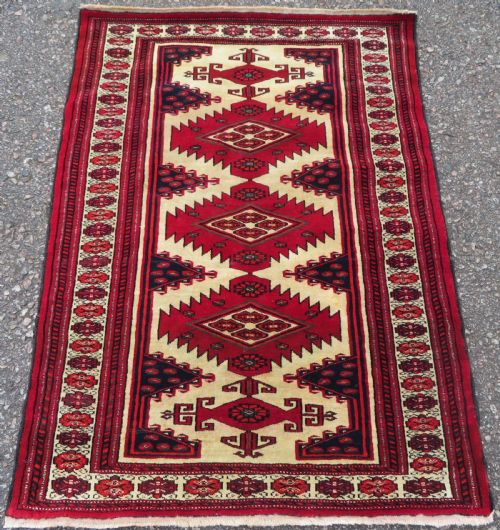
A wool turkmen carpet encompasses large floor coverings, tent door rugs, trapping bags, and saddle covers made by nomadic and tribal groups across Central Asia. Pieces originating from specific tribal groups such as the Tekke, Ersari, Yomut, and Saryk define the selections found on this page.
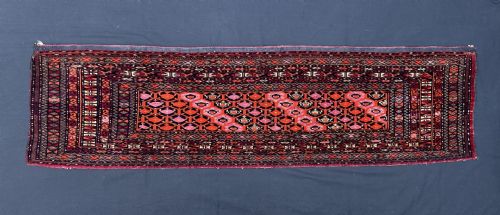
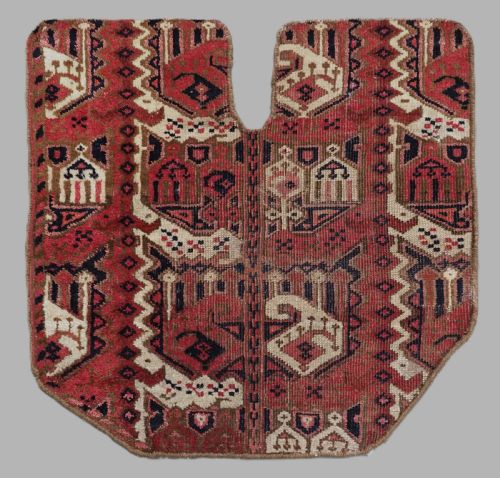
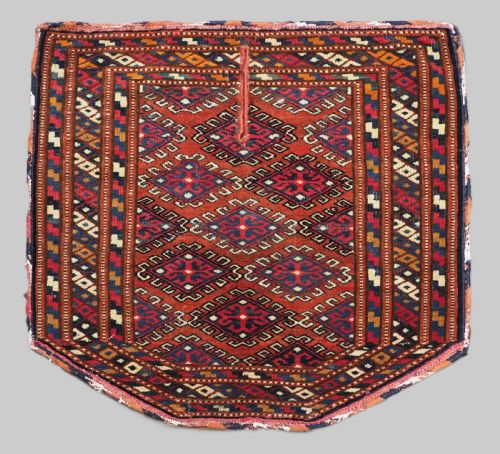
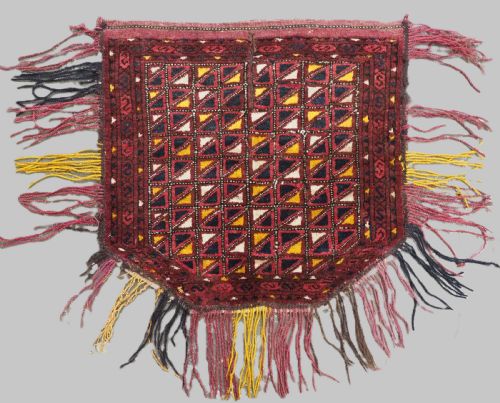
The format varies from large main carpets intended for domestic use down to smaller utilitarian items like torba faces, chuvals, and asmalyks. Dating predominantly from the nineteenth and early twentieth centuries, these textiles reflect the distinct cultural heritage of the Trans-Caspian steppes and river oases.
How they were made
Weavers utilised hand-spun wool for the foundation and pile, often combining natural dyes to achieve deep madder reds, browns, and ivory grounds. Cotton thread and silk thread appear as structural elements or highlights in dowry pieces and specific tribal formats.
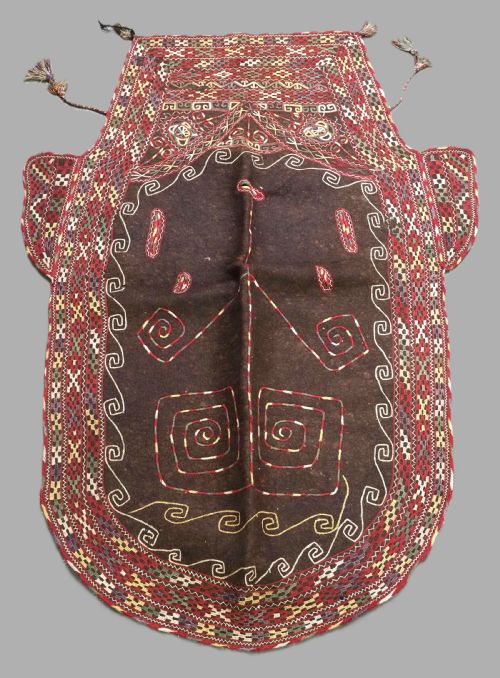
Techniques range from dense pile knotting to flatweave structures, embroidery, and felted wool used in ceremonial horse blankets. Individual structures rely on traditional looping and knotting methods passed down through nomadic workshops.
Nomadic weavers occasionally inserted silk highlights into dowry rugs to catch the low light inside a felt tent.
What varies in quality
The fineness of the weave and the clarity of the repeated gul motifs separate master-grade tribal weaving from standard utilitarian work. Hand-spun wool quality and the depth achieved through natural dyes dictate the visual resonance of the piece.
Completeness alters the character of bags and tent trappings, distinguishing items retaining their original plain-weave backs and tassels from isolated fragments.
Tekke Tribes·Ersari Tribe·Yomut Tribes·Sariq Tribe·Karadashli Tribe
The Wool Turkmen Carpet Glossary
- Gul
- A primary octagonal medallion motif repeated across the field of tribal carpets, often characteristic of specific clans or regions.
- Chuval
- A large utility bag utilised by nomadic households for storage within the yurt, frequently encountered today as a separate face.
- Torba
- A smaller wall-hanging bag used for storage, displaying detailed tribal patterns across the front face.
- Engsi
- A specialised rug hung over the interior entrance doorway of a nomad tent, featuring a quartered design layout.
- Asmalyk
- A pentagonal trapping piece mounted on the flanks of a camel during wedding processions.
Wool Turkmen Carpet: Frequently Asked Questions
What is a wool turkmen carpet?
It is a hand-knotted or flatwoven textile produced by nomadic and tribal communities in Central Asia, traditionally characterised by geometric patterns and deep red palettes.
These pieces served functional and ceremonial roles within tribal life, ranging from floor coverings to tent furnishings and animal trappings.
How do I identify different tribal designs?
Tribal attribution relies on the specific shape and arrangement of the repeating gul motifs, alongside the secondary borders and overall colour saturation.
For instance, Tekke pieces often show precise octagonal guls, while Ersari examples display larger, more varied medallion structures.
Where were these carpets made?
They originated across the Trans-Caspian steppes, the Merv and Yolatan oases, and the Middle Amu Darya region within historical Turkmenistan and surrounding Central Asian territories.
Nomadic and semi-nomadic groups produced these textiles within their tribal camps and settlements.
How should I care for an antique textile?
Protect the wool and natural dyes by placing the textile out of direct sunlight and using a breathable underlay on hard floors.
Vacuum gently with a suction-only attachment without a rotating brush bar to preserve the pile.