



Wool Tribal Kilim
These woolen tribal kilims are flatwoven nomadic textiles prized for their geometric patterns and durable utility.
Wool Tribal Kilim
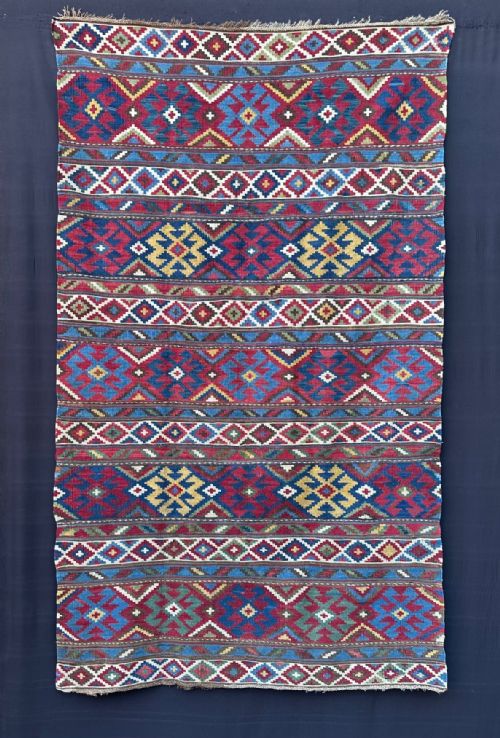
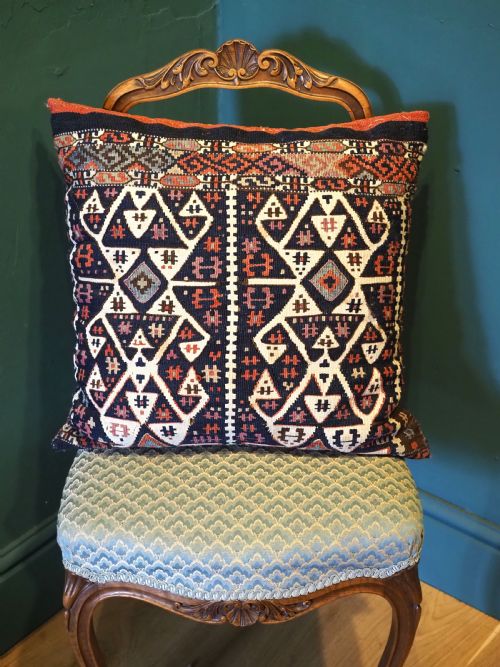
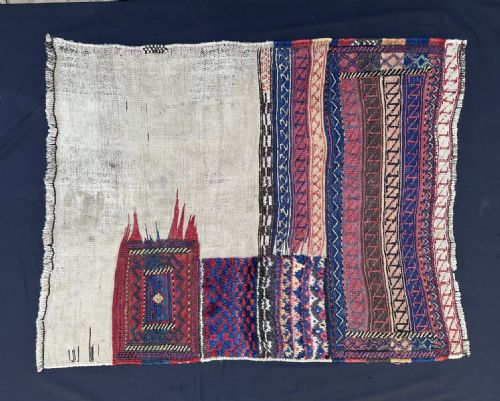
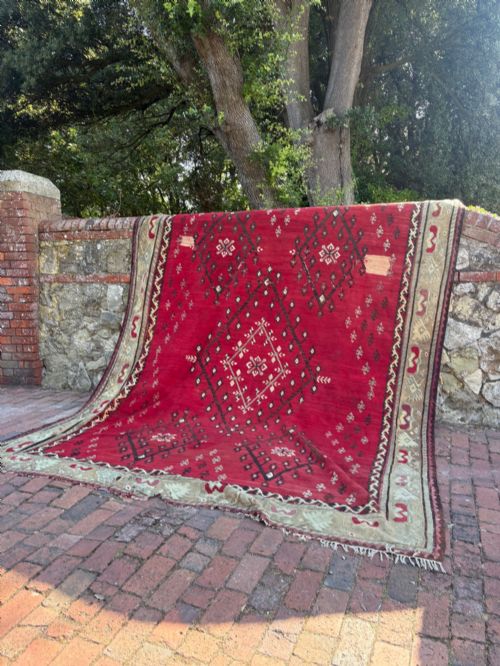
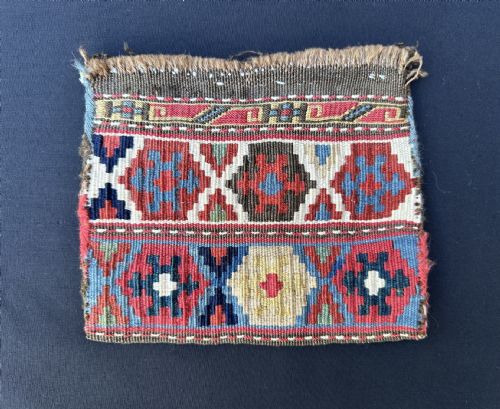
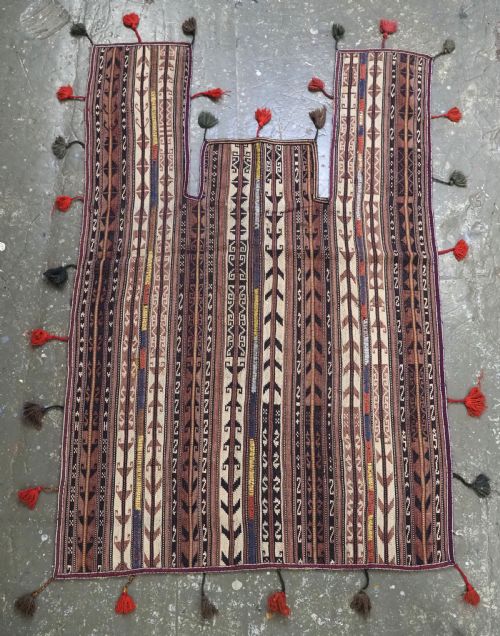
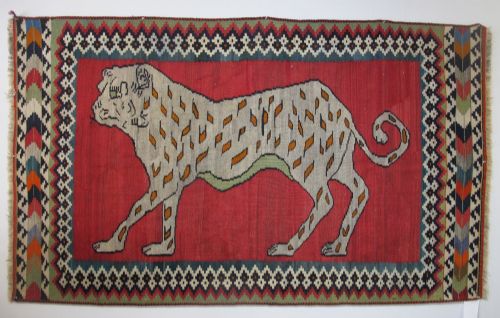
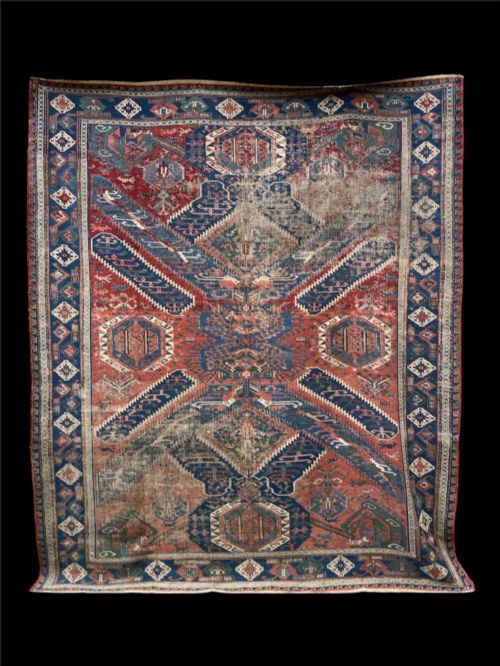
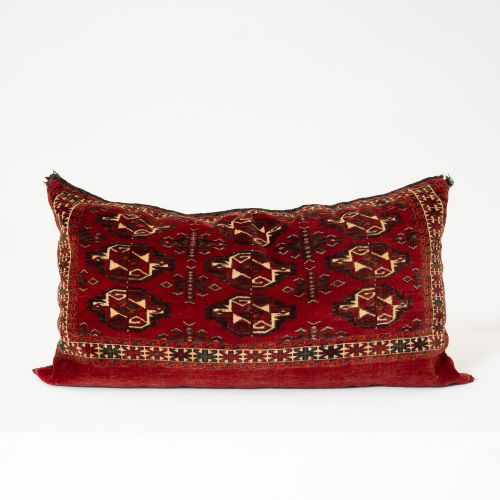
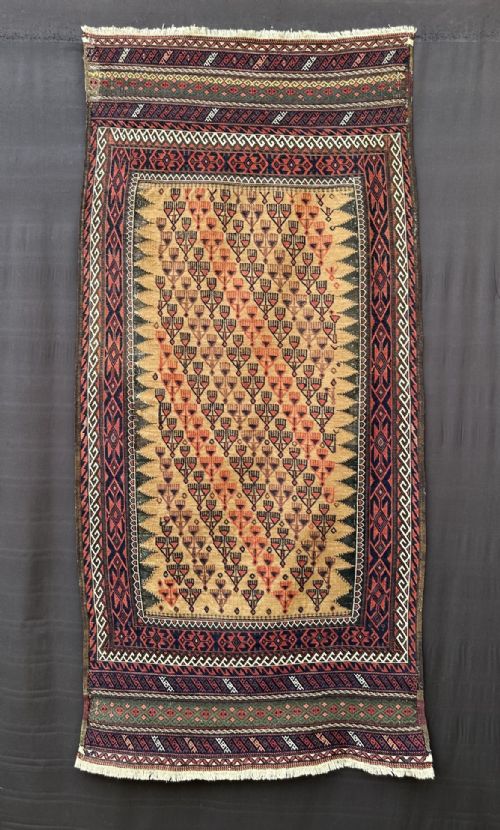
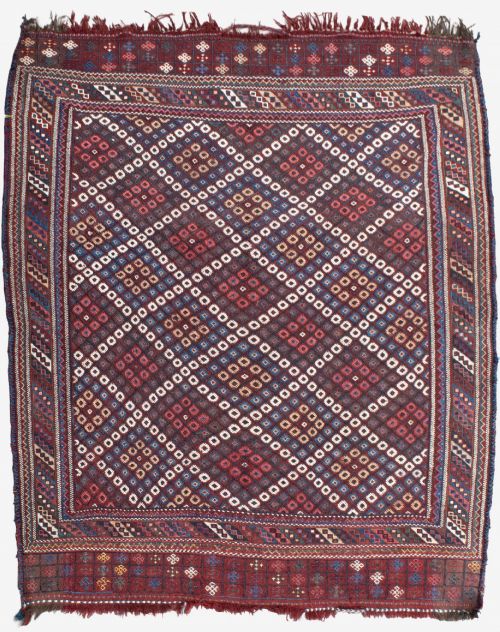
A wool tribal kilim is a flatwoven textile produced by nomadic and village weavers across Persia, Anatolia, the Caucasus, and Central Asia. These items include floor rugs, room-size carpets, saddle bags, salt bags, bread sofrehs, and horse blankets created for practical daily use within tribal communities.
The selections available range widely in regional origin and function, from Qashqai and Afshar sofrehs of Persia to Shirvan and Daghestan flatweaves of the Caucasus. Buyers encounter various formats such as narrow runners, square cushions, and large room-size carpets dating from the mid-nineteenth century through the early twentieth century.
Tribal flatweaves serve both utilitarian and ceremonial purposes in nomadic camps and village homes, functioning as table covers, grain storage, bedding containers, and floor coverings. Each piece reflects the distinct repertoire of motifs belonging to specific confederacies like the Shahsavan, Yomut Turkmen, and Lori-Bakhtiari.
How they were made
Weavers constructed these textiles using hand-spun wool and cotton, occasionally incorporating goat hair for added structural resilience in utility bags and heavy covers. The reliance on natural dyes yielded deep, stable tones that softened gracefully over decades of exposure and use.
The production method relies on a slit-weave flat-technique where the warp and weft threads interlace without pile, creating sharp vertical geometric boundaries between colour blocks. Specialised structures such as sumak wrapping and banded flatweave designs provide extra textural variation across different tribal regions.
Listings feature materials such as hand-spun wool, cotton, goat hair, and natural dyes across pieces dated from the 1850s to the 1930s.
What varies in quality
Quality in a wool tribal kilim depends upon the tightness of the weave, the fineness of the spun wool, and the complexity of the tribal design. Tighter structures and finely beaten-down wefts ensure greater longevity and sharper definition within intricate geometric motifs.
The chemical stability and depth of the natural dyes significantly influence the visual appeal of an antique flatweave. Purity of wool preparation and consistency across large formats distinguish standard village utility items from exceptional nomadic masterworks.
The Wool Tribal Kilim Glossary
- Kilim
- A flatwoven, pileless textile produced by interlacing warp and weft threads. This technique creates a lightweight fabric utilised for rugs, wall hangings, and functional bags.
- Sofreh
- A spread or cloth utilised traditionally for dining, kneading bread, or wrapping food items. These flatweaves often feature minimalist central fields surrounded by elaborate geometric borders.
- Sumak
- A supplementary weft-wrapping technique that produces a textured, braided surface on the face of the textile. This method offers greater structural weight than standard slit-weave kilims.
- Mafrash
- A large rectangular storage bag or bedding chest panel woven by nomadic groups. They frequently display banded geometric patterns executed in durable flatweave construction.
- Warp
- The stationary vertical threads stretched taut on the loom onto which the coloured weft is woven. They form the structural foundation of the textile and often fringe at the ends.
Wool Tribal Kilim: Frequently Asked Questions
How were tribal kilims used originally?
Nomadic communities utilised these flatweaves for multiple daily functions, including floor coverings, bedding storage, horse blankets, and dining spreads.
They served essential roles in transport and domestic life, doubling as durable containers for salt, bread, and personal possessions.
How do I care for an antique flatweave?
Gentle vacuuming without a rotating beater bar prevents dust accumulation while protecting the fragile wool warp ends.
Professional textile cleaning is recommended for heavier soil, avoiding harsh chemical detergents that might harm natural dyes.
Where do these tribal pieces originate?
The pieces come from diverse regions including Persia, Anatolia, the Caucasus, and Central Asia.
Specific tribal confederacies such as the Qashqai, Shahsavan, and Yomut Turkmen produced distinct regional styles and colour palettes.
How can I tell different tribal designs apart?
Tribal attribution relies on specific structural formats, regional colour combinations, and recurring geometric motif arrangements.
For example, Shirvan flatweaves from the Caucasus often feature crisp banded designs, whereas Persian Afshar examples display distinctive medallion and sofreh layouts.