





Wool Tassel Wall Hanging
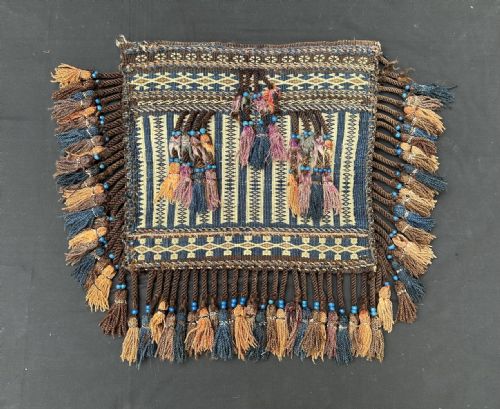
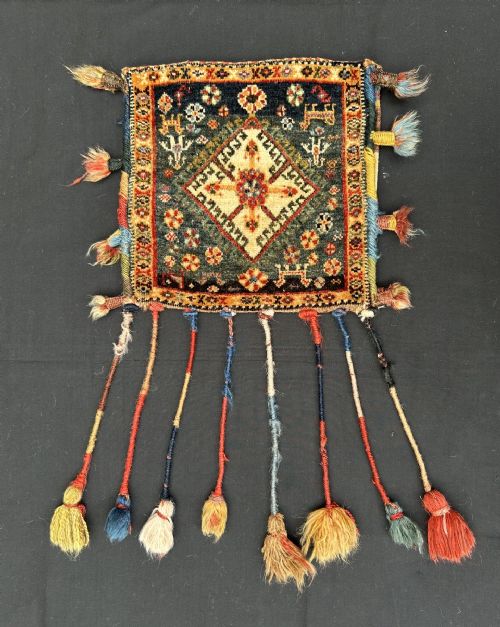
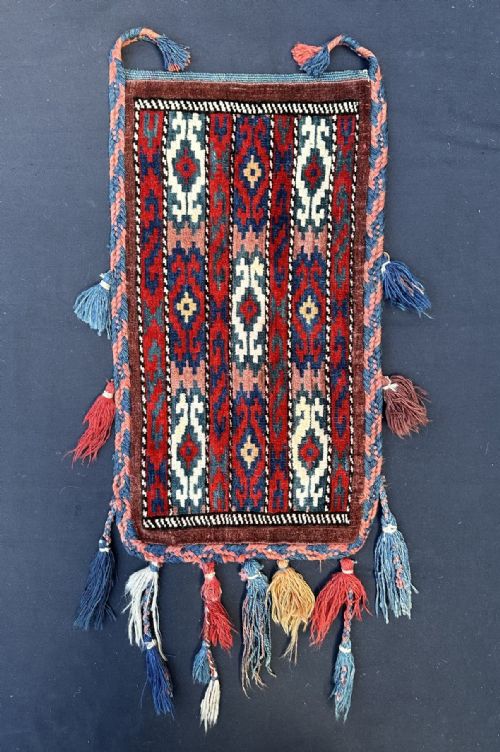
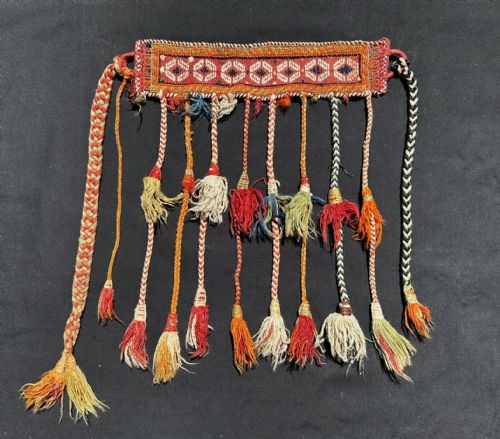
When you search for wool tassel wall hanging, you are exploring tribal textiles, storage pouches, and horse trappings adapted for display.
Wool Tassel Wall Hanging
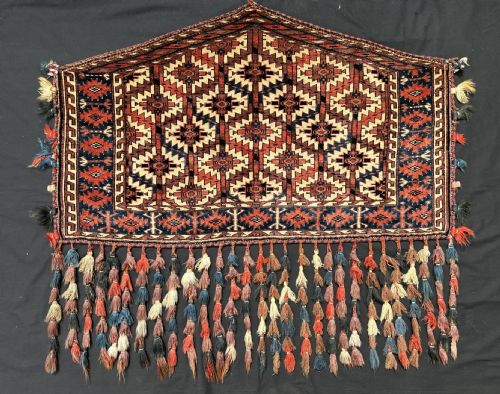
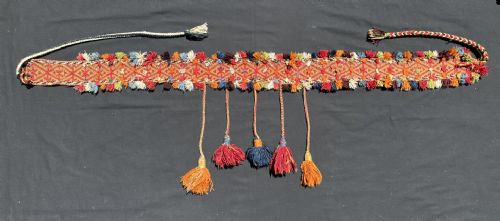
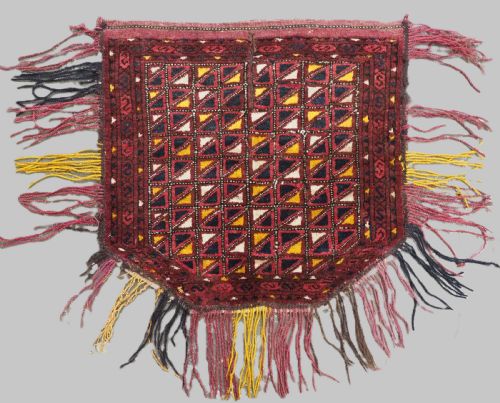
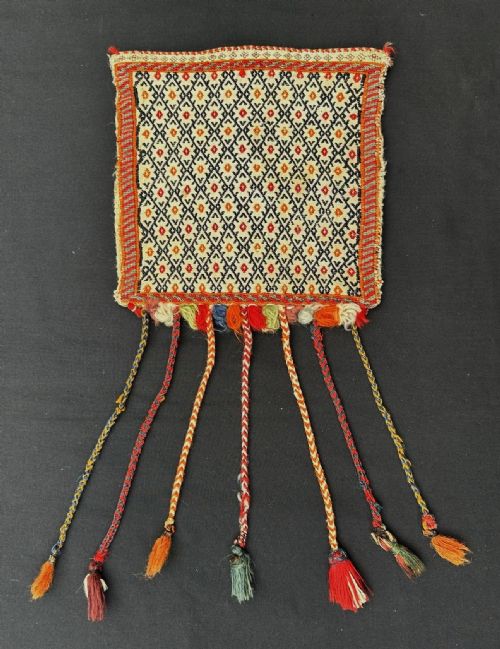
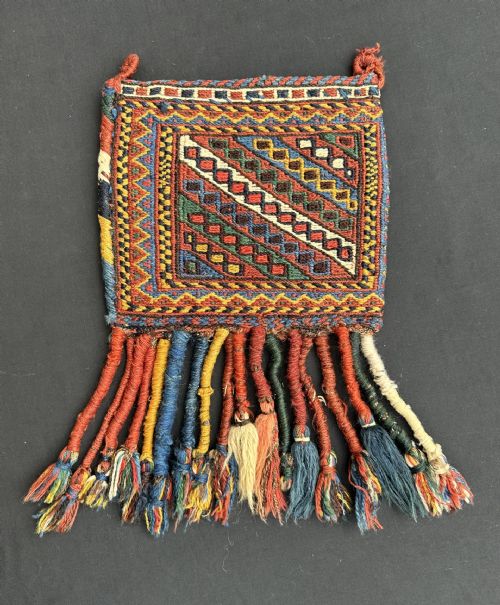
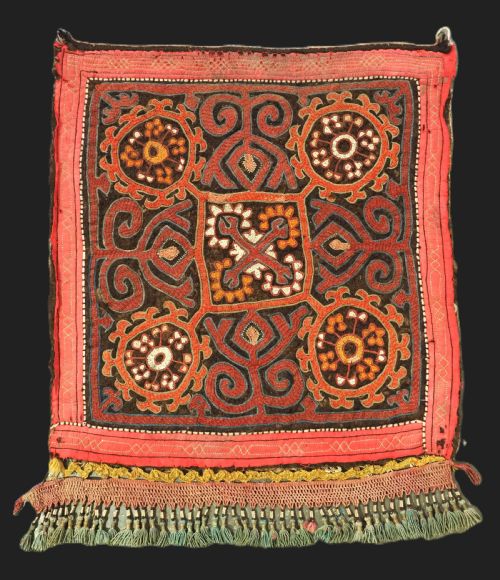
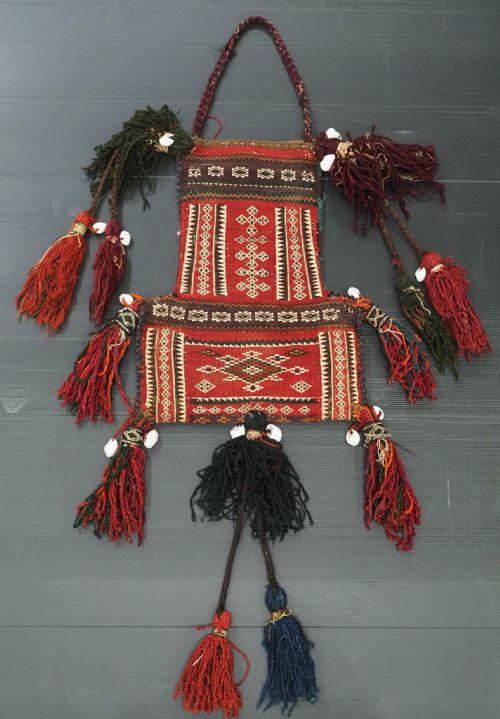
The pieces available under the heading of a wool tassel wall hanging originate primarily from Persian, Turkmen, and Central Asian nomadic groups. These items span the late nineteenth and early twentieth centuries, encompassing functional objects such as vanity bags, storage pouches, horse blankets, and tent decorations.
The forms range from small vanity bags originating in Persia to larger embroidered felt panels and tent-pole bags from Central Asia. Each item showcases the distinct tribal identity of makers from regions such as Fars, Turkmenistan, and Uzbekistan.
Materials and Construction
Construction relies heavily on durable wool foundations combined with supplementary materials such as cotton, silk, felt, and leather. Natural dyes provide the characteristic colour palette across Persian and Central Asian nomadic work.
Decorative embellishments frequently incorporate glass beads, horse hair, and applied fringing to accentuate the woven structure. Many examples utilise flat weave or pile techniques paired with secure original tassels and hanging attachments.
Wool Tassel Wall Hanging Retail Price Guide 2026
Typical asking prices for wool tassel wall hanging among the pieces listed under this phrase on Sellingantiques today, from the lower quarter to the upper quarter. They describe what is for sale here now, not the wider market.
Several items retain their original horse hair tassels and wedding camel neck decorations, ready for a modern living room.
Assessing the Pieces
Quality resides in the integrity of the weaving, the vibrancy and saturation of the natural dyes, and the survival of original decorative elements like tassels and fringes. Pieces retaining their complete structural form and authentic attachments hold greater visual coherence.
The fineness of the knotting or embroidery work, alongside the complexity of the tribal design, distinguishes standard utilitarian items from finer examples of textile art.
The Wool Tassel Wall Hanging Glossary
- Asmalyk
- A large pentagonal trapping produced by Turkmen tribes, traditionally hung on the flank of a camel during wedding processions. These pieces often feature prominent tassels and rich geometric patterning.
- Namakdan
- A traditional woven salt bag created by nomadic groups for domestic storage. They typically display narrow necks and expand downward into wide bodies.
- Ok Bash
- A decorative tent-pole bag utilised by Central Asian nomads to cover the ends of wooden struts inside a yurt. They frequently incorporate tassels and varied textile techniques.
- Torba
- A small storage bag woven by tribal groups for domestic use within tents. These rectangular pouches often form part of a larger interior arrangement.
- Flat weave
- A textile construction method executed without pile, producing a smooth surface. This technique is common in utilitarian storage bags and animal trappings.
Wool Tassel Wall Hanging: Frequently Asked Questions
What is a wool tassel wall hanging?
These items are repurposed nomadic textiles, including storage bags, horse trappings, and tent decorations originating from Persia and Central Asia.
They combine functional weaving with decorative fringes and tassels created by tribal makers.
How were these textiles originally used?
Nomadic groups utilised these woven pieces for practical storage, animal transport, and interior tent decoration.
Items such as salt bags, spindle bags, and animal trappings served daily domestic and ceremonial purposes within tribal camps.
How do I hang a textile securely?
Displaying these pieces requires mounting methods that distribute the weight evenly across the upper edge without puncturing the fabric.
Utilising a custom sleeve or padded support bar helps protect the historical fibres from undue stress.
How can I tell regions apart?
Regional styles reveal themselves through distinct colour palettes, materials, and specific weaving techniques characteristic of different tribal confederacies.
For instance, Persian Qashqai work differs visibly in structure and wool quality from Turkmen or Uzbek pieces.