



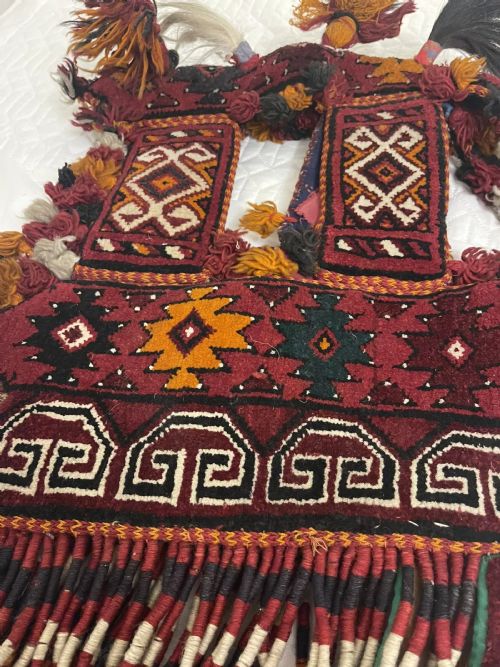
Vintage Afghan Rug Textile
These vintage afghan rug textile pieces are tribal weavings and trappings born from nomadic traditions, offering rich geometric depth for any interior.
Vintage Afghan Rug Textile
A vintage afghan rug textile encompasses a fascinating variety of nomadic and tribal forms, ranging from ceremonial horse blankets and storage bags to dining sofreh cloths and prayer rugs. When searching this phrase, buyers encounter authentic pieces originating from the late nineteenth century up to the early twentieth century, spanning periods such as eighteen ninety, nineteen hundred, and nineteen ten.
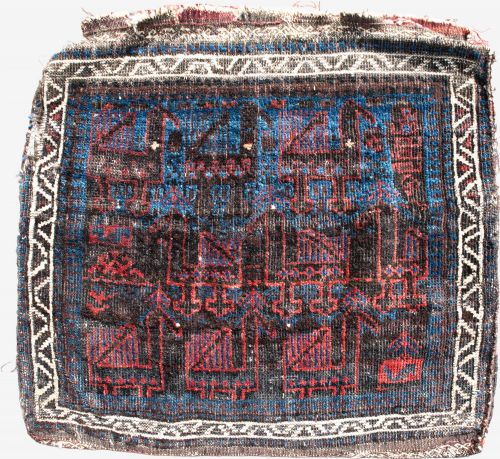
The regional attribution covers distinct tribal groups including the Baluch, Timuri, Ersari, Firozkohi, and Taimani peoples operating across Afghanistan and neighbouring borderlands. Common functional objects take the shape of bird bags, door tent hangings, wedding headdresses, and flatweave kilims, each serving specific domestic or ceremonial roles within tribal life.
Materials and construction methods
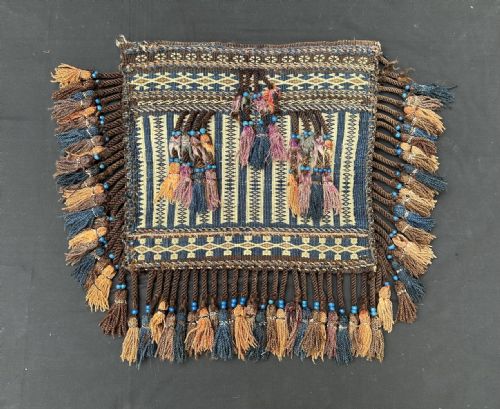
Construction relies heavily on hand-spun wool and cotton foundations, dyed using natural dyes that yield deep, enduring tones over decades of use. Certain ceremonial and decorative pieces incorporate glass beads alongside traditional textile work to accentuate surface detail.
Weaving techniques vary across the inventory, encompassing flatweaves, pile rugs, embroidery, and specialised tribal trapping structures. Artisans produced these items on portable vertical or horizontal looms set up in nomadic camps and rural settlements.
Vintage Afghan Rug Textile Retail Price Guide 2026
Typical asking prices for vintage afghan rug textile among the pieces listed under this phrase on Sellingantiques today, from the lower quarter to the upper quarter. They describe what is for sale here now, not the wider market.
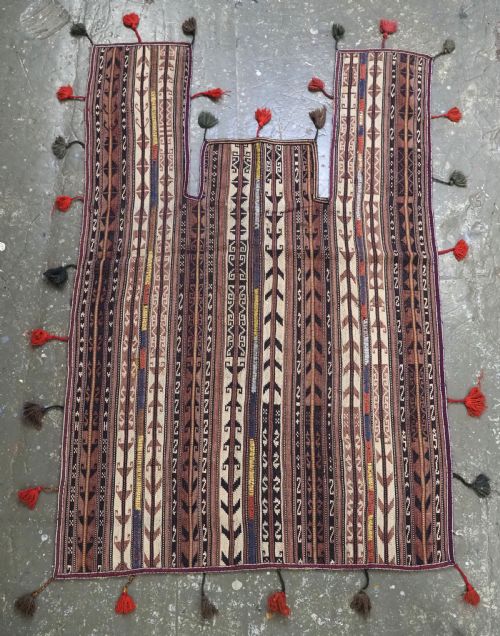
Several horse blankets and camel headdresses survive, proving that nomadic transport required proper ceremonial attire too.
Assessing quality in tribal textiles
Quality rests upon the fineness of the hand-spun wool, the complexity of the tribal design, and the integrity of the natural dye palette. Superior examples display tight knotting or precise flatweave structure alongside well-preserved edges and minimal structural intervention.
Rarer functional forms, such as complete wedding headdresses, signed tent hangings, or undamaged ceremonial horse covers, command attention due to their specific cultural utility and survival rate. The clarity of tribal motifs and the consistency of the weave differentiate standard utility items from masterworks.
The Vintage Afghan Rug Textile Glossary
- Sofreh
- A dining or eating cloth used by nomadic and village households for sharing meals on the ground. These textiles often feature minimalist field designs suited to their specific culinary purpose.
- Kapunuk
- A decorative tent hanging traditionally placed around the wooden doorway or entrance of a yurt. They display specific tribal iconography associated with hospitality and protection.
- Chuval
- A large storage bag utilised within Turkmen and related tribal tents for household possessions. Their primary face typically exhibits structured guls or primary medallions.
- Kilim
- A flatweave textile produced without a pile by tightly interweaving warp and weft threads. This technique creates a lightweight, reversible fabric with sharp geometric patterns.
- Ru Korssi
- A decorative cover placed over a traditional low table heated by coals underneath. These textiles share space in nomadic interiors alongside prayer rugs and wall hangings.
Vintage Afghan Rug Textile: Frequently Asked Questions
What is a sofreh used for?
A sofreh serves as a spread or cloth upon which meals are placed for communal dining on the floor. Families also used them during the preparation and kneading of bread dough.
In collector terms, these textiles represent functional domestic art reflecting the daily routines of nomadic and village communities.
How do I care for a textile?
Protect these wool and cotton items from direct sunlight to prevent natural dye fading, and vacuum gently using low suction without a rotating brush.
Professional textile conservation cleaning should occur infrequently and only by specialists familiar with antique tribal woolwork.
What materials are used?
The primary materials are hand-spun wool and cotton, frequently coloured with natural dyes derived from plants and minerals. Certain ceremonial trappings also incorporate glass beads for added ornamentation.
These organic components contribute to the soft handle and aged patina characteristic of nineteenth and early twentieth-century examples.