


Wool Silk Uzbek Textile
Wool silk uzbek textile pieces bring vibrant Central Asian tribal artistry into a modern room, offering rich textures and complex folk designs.
Wool Silk Uzbek Textile
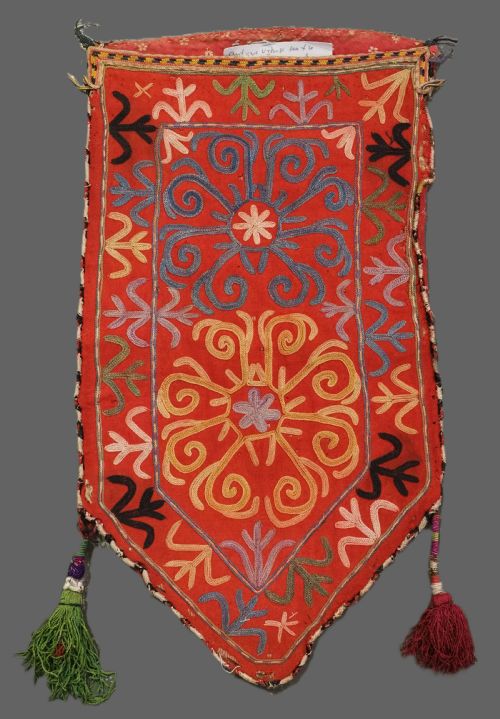
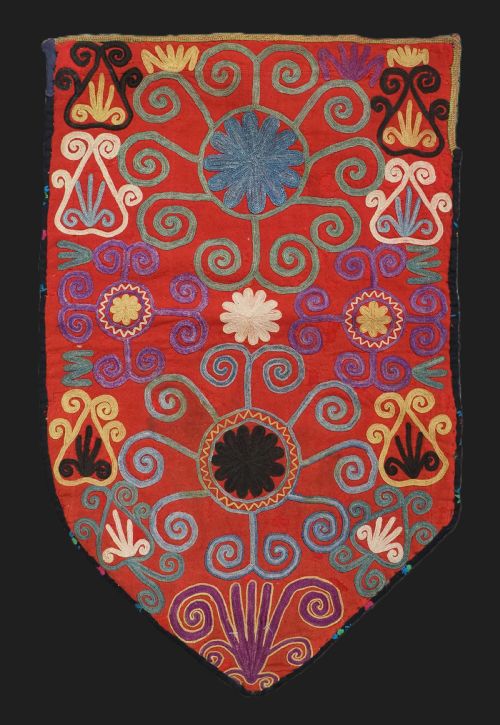
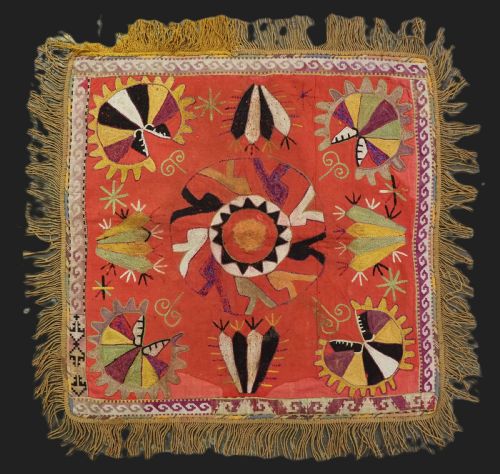
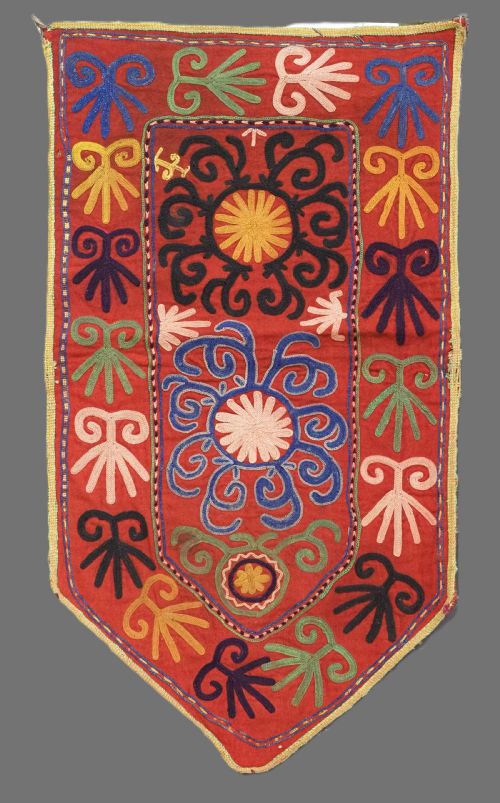
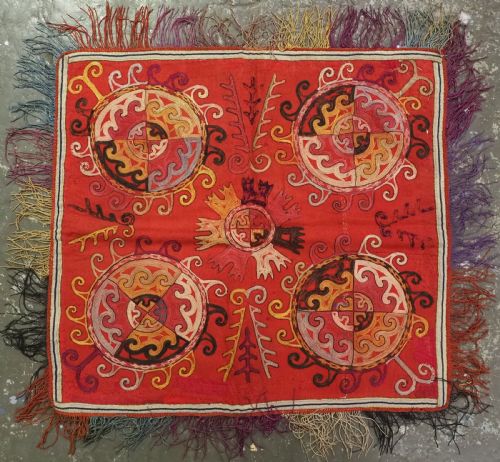
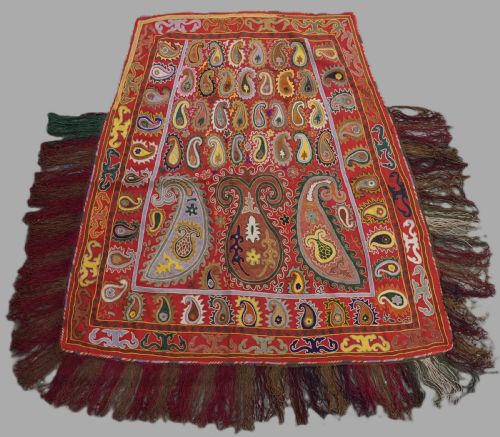
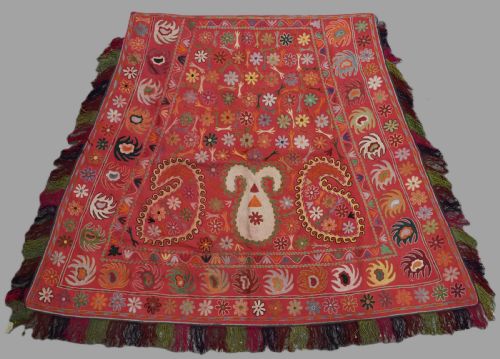
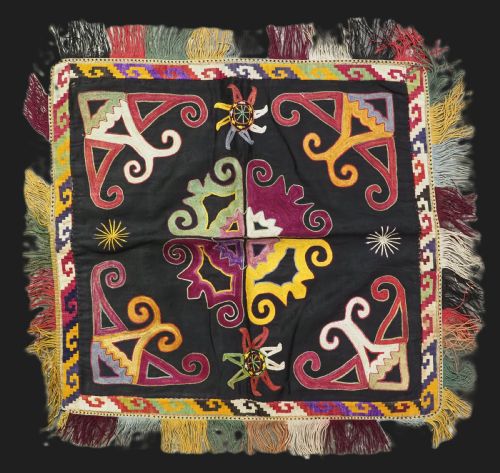
A wool silk uzbek textile is typically a tribal piece originating from Central Asia, created by the Lakai tribe in regions such as Shakrisabz, Uzbekistan. These works include dowry embroideries for wall hanging, wall hangings generally, and ceremonial horse covers or saddle rugs.
The versions most commonly met on this page date from the late nineteenth century up to the nineteen-twenties. They represent Central Asian folk art and tribal traditions, functioning historically as decorative items or functional ceremonial trappings.
Collectors encounter specific forms such as the uut kap ilgich or at torba ilgich, which serve as storage bag faces or horse equipment. Each piece displays distinct tribal patterns executed in wool and silk on woven grounds.
Materials and Technique
These textiles rely on a foundation of wool or cotton, frequently utilising a striking Mogul red wool ground. Artisans then embroider intricate designs directly onto this base using fine silk threads.
The construction combines durable backing materials with dense surface embroidery. This pairing of wool and silk creates a tactile contrast between the sturdy foundation and the lustrous, detailed stitching.
Lakai embroiderers occasionally utilised a double-faced technique so the horse could look magnificent from either side.
Assessing Quality
Quality rests upon the density and precision of the silk embroidery set against the wool ground. Finer pieces demonstrate exceptional control in the tribal motifs and tighter stitch work across the surface.
The visual impact depends on the richness of the wool background, such as a deep Mogul red, and the preservation of the silk thread colours. Superior examples maintain vibrant contrasts and complex geometric or figurative compositions.
The Wool Silk Uzbek Textile Glossary
- Ilgich
- An embroidered wall hanging or decorative textile originating from Central Asia. These pieces often formed part of a bride's dowry.
- Uut kap
- A storage bag face or tent bag panel associated with nomadic tribes. They display careful embroidery intended for interior display within a yurt.
- At torba
- A horse bag or ceremonial trapping used by Central Asian tribes. These items feature specialised tribal designs suited for equestrian gear.
- Lakai
- A Central Asian tribe known for distinctive embroidered textiles and horse covers. Their work often employs energetic geometric patterns and silk on wool.
Wool Silk Uzbek Textile: Frequently Asked Questions
What is a wool silk uzbek textile?
A wool silk uzbek textile is a traditional piece of Central Asian folk art, typically embroidered by the Lakai tribe. These items include wall hangings, dowry embroideries, and ceremonial horse covers.
They combine wool or cotton foundations with detailed silk embroidery, reflecting the nomadic heritage of Shakrisabz and surrounding regions.
How do I live with one?
Living with these textiles involves mounting them securely on a wall to showcase their embroidery and colour. Their rich textures complement both modern and traditional interior settings.
To preserve the wool and silk fibres, owners should keep them away from direct sunlight and handle the antique grounds with care.
How do I date these textiles?
Dating relies on stylistic analysis, material composition, and traditional tribal motifs recorded across pieces from the late nineteenth and early twentieth centuries. Items from this era typically exhibit specific natural dye palettes and hand-spun wool or cotton grounds.
Comparing structural details like the weave of the red wool ground helps place examples between the eighteen-eighties and nineteen-twenties.